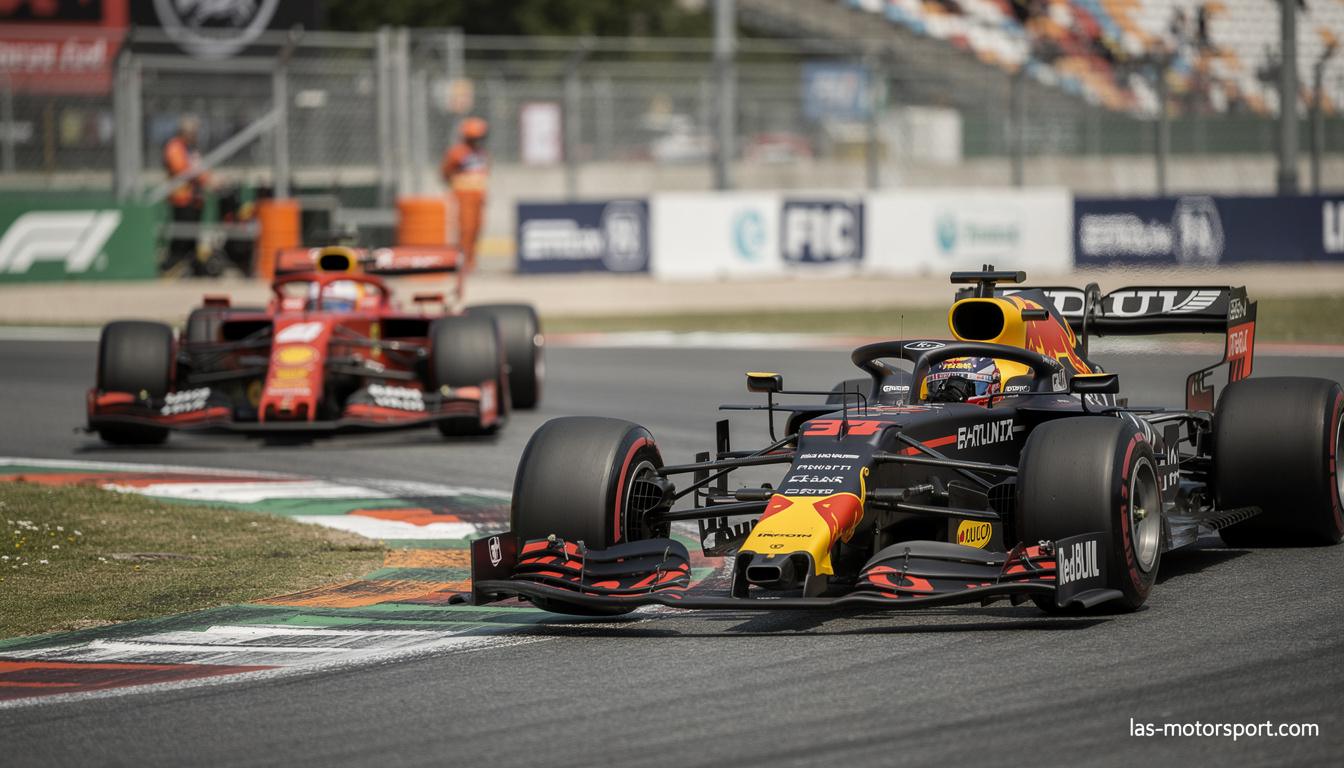

Recent technical adjustments targeting the internal combustion engine (ICE) promise to redistribute power outputs, altering the balance between electric energy and combustion. This recalibration could redefine F1 power dynamics, challenging established hierarchies and prompting teams to reimagine their approach to racing technology and powertrain innovation.
The upcoming enhancements to the ICE are designed to nudge the power split away from its current near parity and lean more heavily towards combustion. Since the hybrid era kicked off in 2014, the electrical systems, particularly the energy recovery and deployment systems (ERS), have shared roughly equal responsibilities with the combustion unit. Now, the formula intends to amplify the ICE’s influence to about 60%, trimming the ERS contribution to 40%. This adjustment has been endorsed after intense discussions among FIA and team principals, underlining its strategic intent to influence engine performance in fresh ways.
ICE enhancements: a game-changer for Formula 1 power distribution
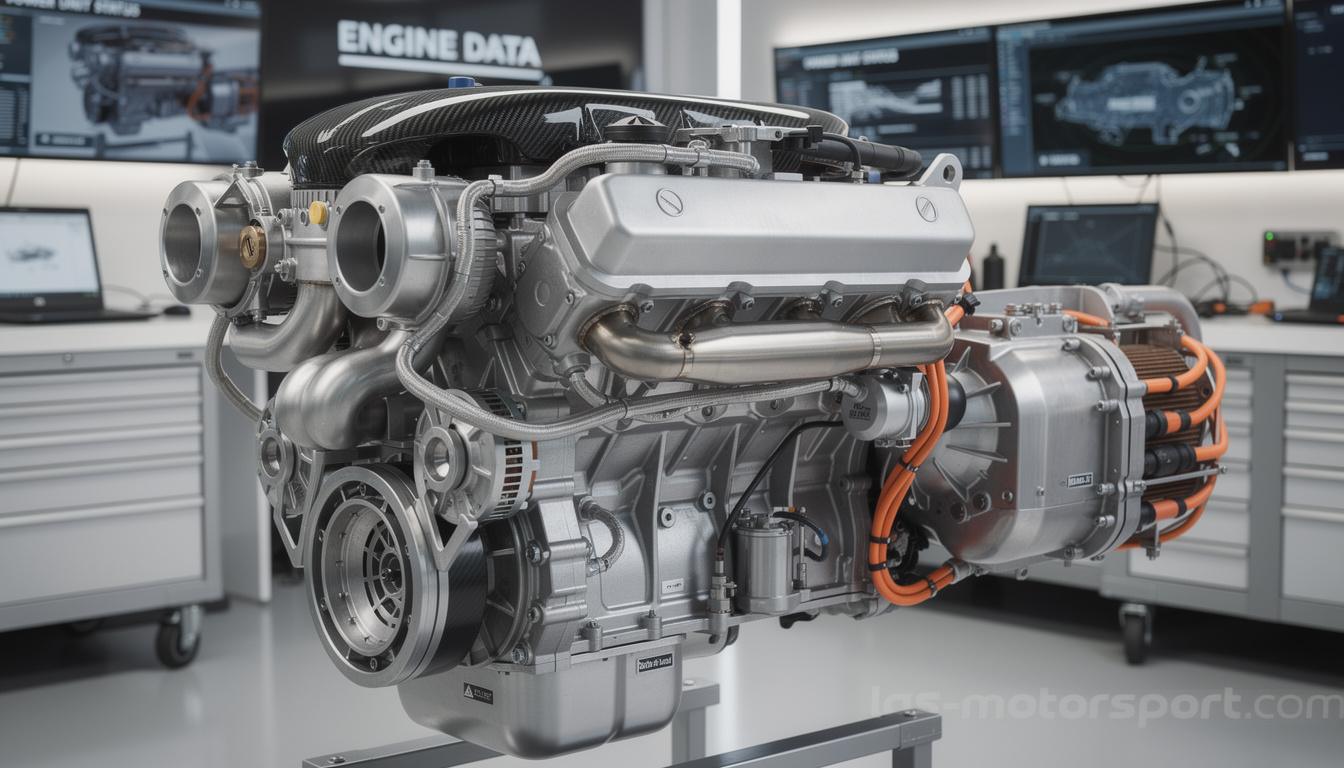
The 2027 regulations mark a pivotal turn in the evolution of power units. By boosting combustion output, teams will face the challenge of melding increased thermal efficiency with reliability – vital issues given the high stakes of race weekends. The emphasis will pivot on thermodynamic enhancements within the ICE architecture, improving torque delivery and responsiveness without compromising fuel consumption rules. Such developments compel motorsport engineering teams to rethink cooling strategies, materials use, and combustion optimisation.
This reshuffle is expected to impact cars’ performance characteristics notably. Drivers may experience a different powerband feel, requiring adaptations in throttle modulation and ERS management. Early testing indicates lap time variations that reflect the powertrain’s recalibration, potentially unsettling the existing pecking order. Teams like Red Bull and Mercedes, known for their mastery of hybrid complexity, will reassess how this move affects their competitive advantage.
Technical breakdown: balancing power and hybrid systems
The shift towards a stronger ICE contribution demands thorough reengineering of the hybrid setup. Reducing electric power percentage mandates a reconfiguration of the ERS hardware and energy management software. The super-clipping limits and harvesting zones, central to recent technical debates, will see modifications to accommodate the new power split. This poses a direct challenge to teams’ strategic toolkit, where precision in energy deployment has previously won championships.
The internal combustion adjustments focus on raising combustion efficiency through refined thermodynamics—improving combustion chamber geometry, intake flow, and turbocharging systems. These are not mere tweaks but substantial engineering advancements aimed at extracting power without inflating fuel consumption. The optimization process will test every ounce of expertise within power unit factories.
Strategic implications for teams
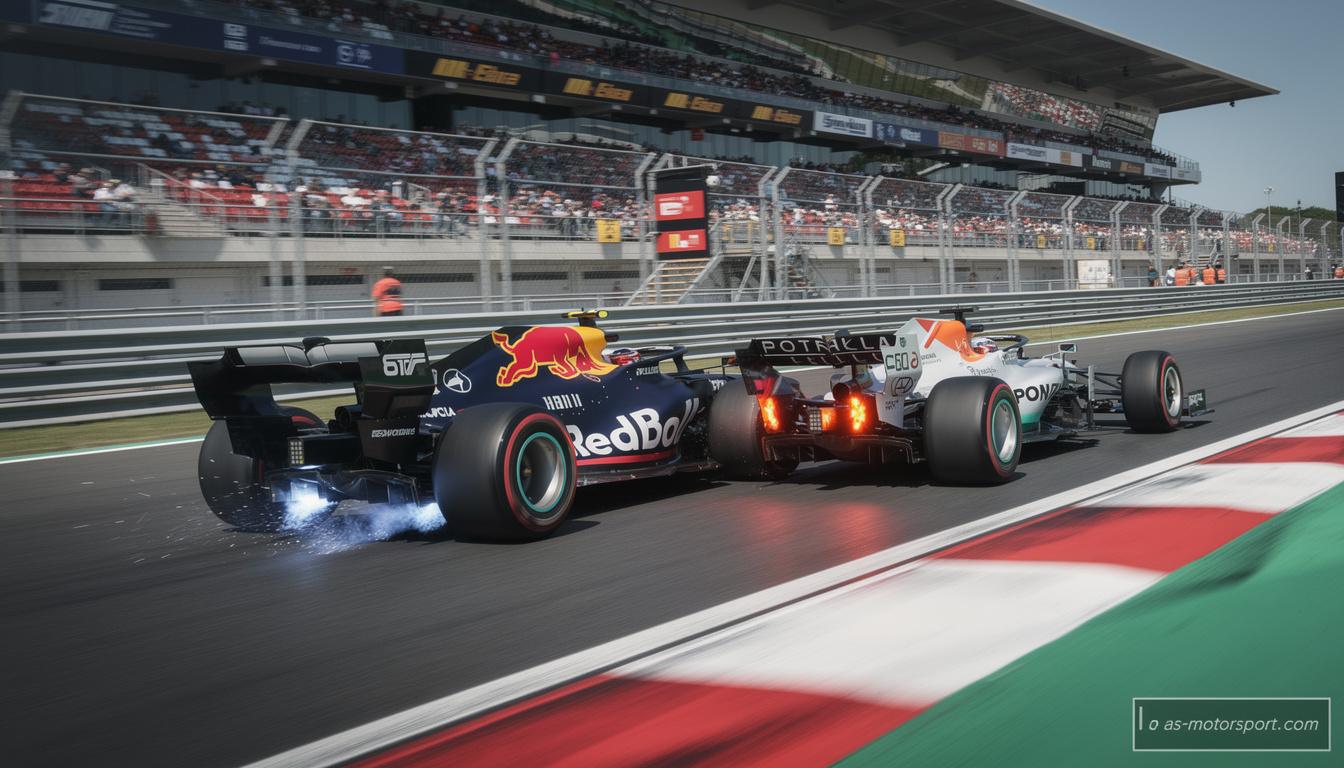
Teams will need to recalibrate race strategies around the new ICE-heavy powertrain. Fuel allocation, pit stop timing, and ERS energy deployment routines will all be affected by the altered power dynamics. Interestingly, this may level the playing field for outfits whose ICE designs excel but previously lagged in electric system sophistication.
This recalibration opens the door for fresh competitive narratives. McLaren, for instance, has already hinted at preparing bespoke engine strategies in light of these changes, acknowledging the need to anticipate new power unit profiles amidst developing regulations. Meanwhile, driver input on throttle feel and energy feedback will become even more instrumental in managing race pace and tyre wear.
Recalibrated power dynamics rewrite competitive frameworks
This power unit reshuffle carries big implications for the 2027 championship battle. Teams historically reliant on electric systems for on-demand power surges will have to evolve their racecraft and engineering approaches. Conversely, manufacturers with strong ICE programs could suddenly find themselves with a newly advantageous position in the hierarchy.
As the teams adapt, fans can expect close battles in qualifying and race conditions, owing to the diverse strategies and car behaviours resulting from the new ICE dominance. The evolving narrative will determine which machines and drivers best harness the rebalanced power mix. This changes the story of who holds the competitive edge.
Engaging with such technical transformations remains critical for understanding Formula 1’s future landscape. For more insights on evolving race tactics and power unit developments, visit LAS Motorsport’s commentary and comprehensive technical analysis. The sport is not just racing cars; it’s about mastering technology and innovation at every turn.