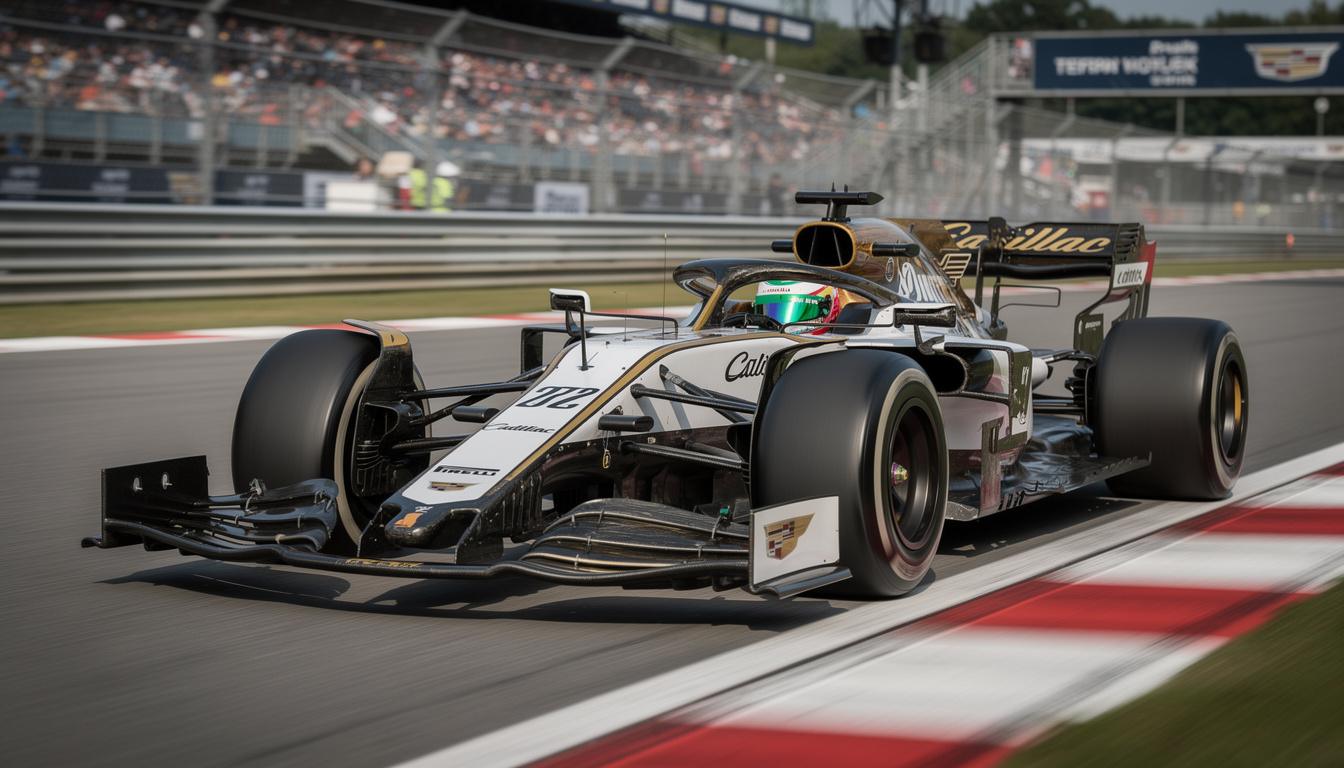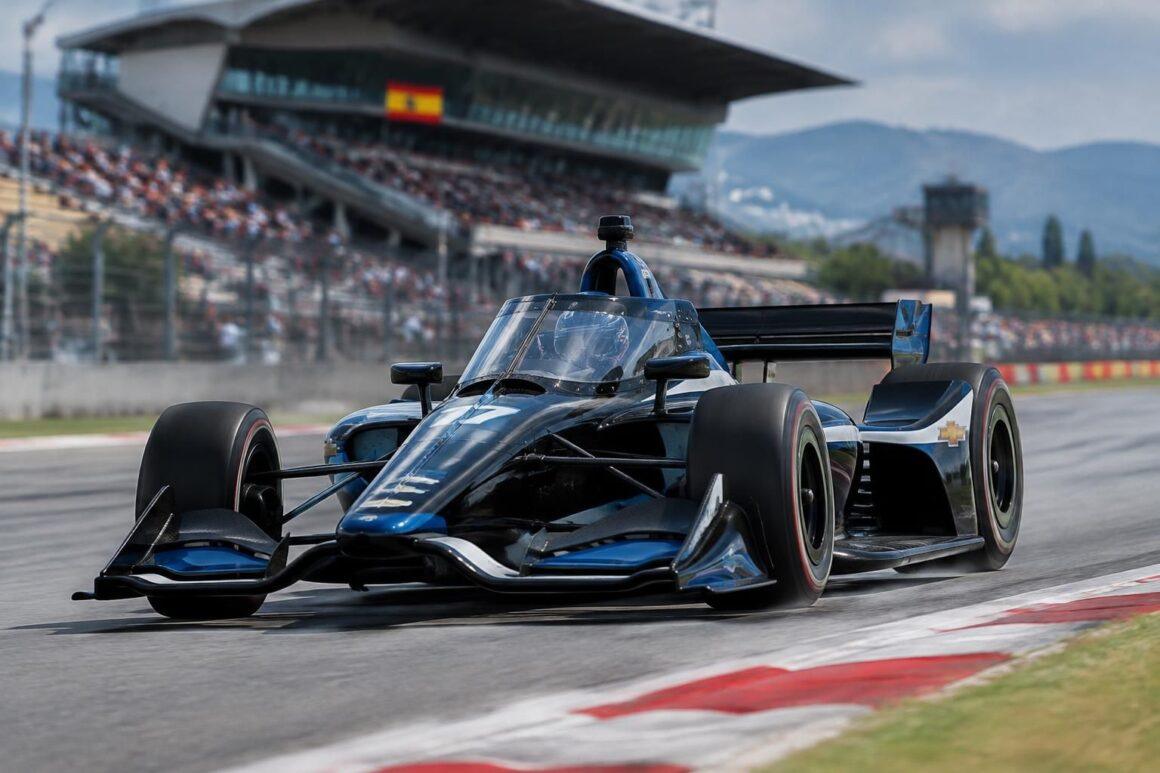
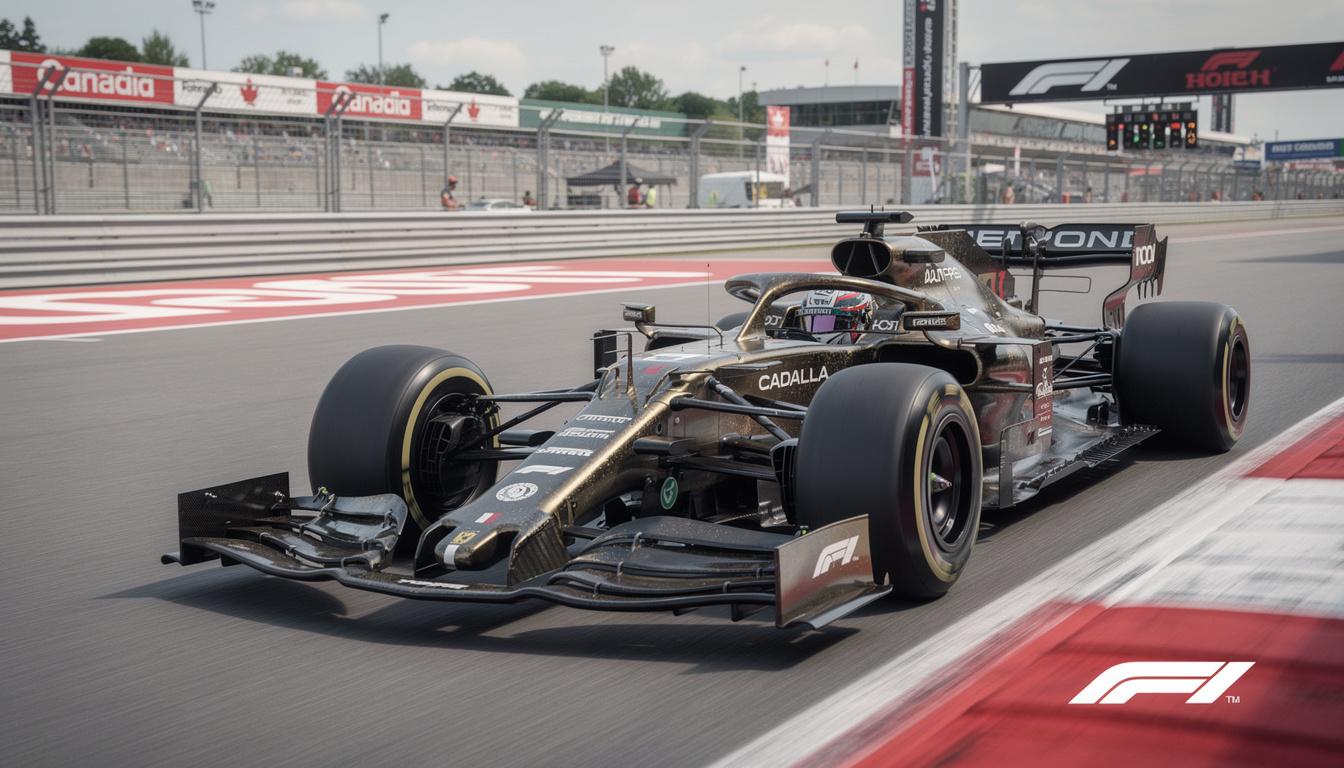

Cadillac F1 arrived in Montreal with high hopes after a promising debut at the Miami Grand Prix. The American squad demonstrated solid reliability and race pace, completing every sprint and race except one in their maiden eight starts.
With their MAC-26 chassis showing early promise, Cadillac has opted to intensify development with a fresh stream of aerodynamic and mechanical upgrades tailored for the unique challenges of the Canadian Grand Prix circuit. These enhancements signal Cadillac’s ambition to not only maintain but accelerate their climb through the Formula 1 midfield, snatching vital tenths of a second at a critical juncture of the season.
Cadillac F1’s strategic upgrade package
Following their initial upgrade burst in Miami, Cadillac F1 pushed forward with a refined batch of technical modifications specifically engineered for the streets and bumps of Montreal. Among the key changes is the revision of the front brake ducts, reshaped to optimise airflow and cooling under heavy braking zones prevalent at this high-speed street circuit. This adjustment aims to curb brake overheating, a common issue at Gilles Villeneuve, enhancing driver confidence through improved consistency during race stints.
The diffuser, critical to rear downforce generation, also received targeted updates. Cadillac’s aerodynamicists reworked the diffuser geometry and added fresh winglets, intending to extract finer aerodynamic gains while managing turbulent airflow behind the car. These tweaks contribute not only to straight-line speed but also to cornering stability through the complex chicanes and tight corners of the circuit.
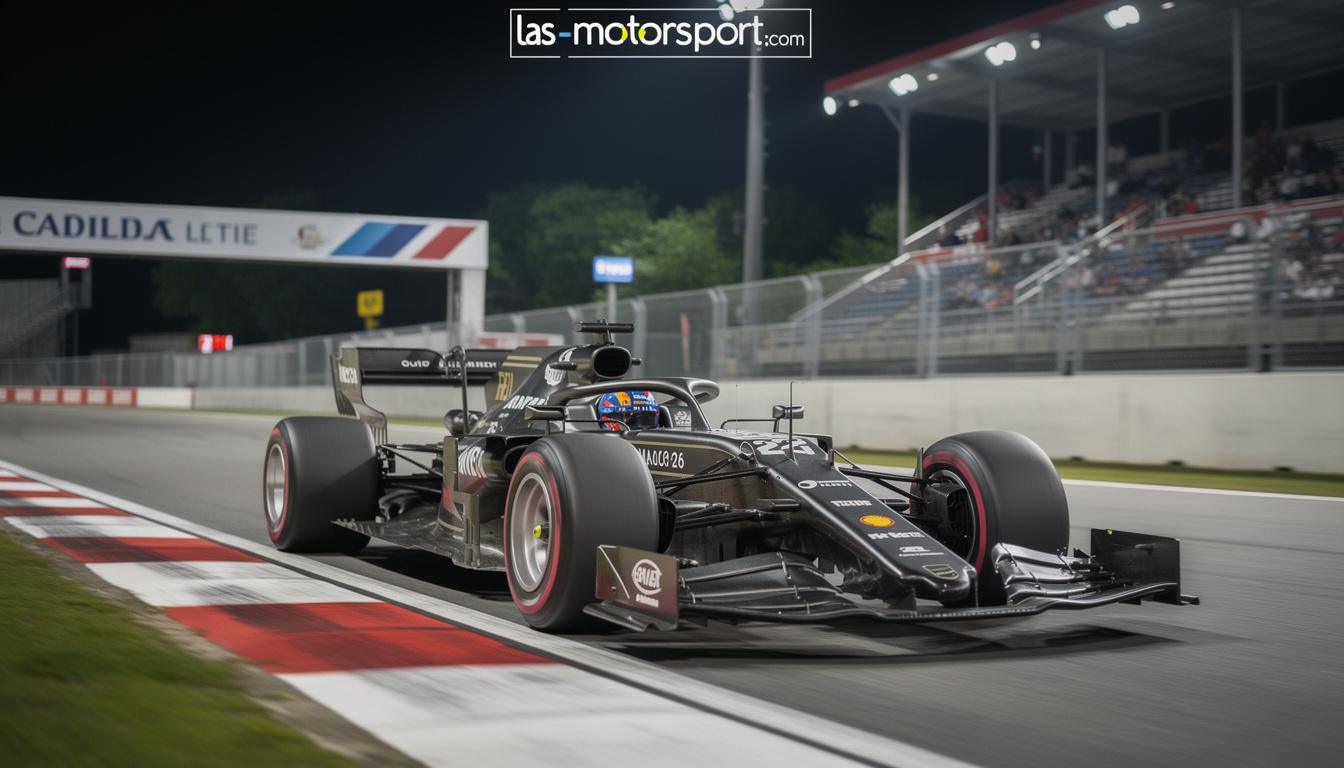
The front anti-roll bar underwent recalibration to increase the chassis’s ability to negotiate the notorious Montréal curbs. The higher frequency vibrations and kerb strikes demand a stiffer, yet responsive setup that balances mechanical grip with vehicle control—an upgrade set to directly impact lap times and driver comfort. In a sport where milliseconds define midfield battles, such mechanical progress can feed exponentially into race performance.
Cadillac’s team principal, Graeme Lowdon, emphasised the importance of consolidating gains: “Our evolution package in Miami marked a starting point. Now, it’s about refining and growing those gains across different circuits. Montréal provides a contrasting challenge, and our upgrades reflect that. The operational side is also advancing, with multiple stops ranking among the fastest on the weekend in Miami. That mix of race pace and pit wall execution will shape our continued progress.”
Cadillac’s approach to Montreal’s unique track demands
The Circuit Gilles Villeneuve is one of Formula 1’s most demanding tracks, requiring a blend of outright speed and mechanical finesse. Its long straights pit aggressively against tight chicanes, hairpins, and widely spaced kerbs. Cadillacs engineers targeted this combination by focusing on brake duct efficiency and the front suspension’s response to severe kerbing – no trivial endeavour given the harshness of the track surface.
Brake duct efficiency is a key factor on this circuit. Overheating brakes risk performance degradation and even failure. The redesigned ducts ensure a smoother airflow distribution, preventing hotspots and maintaining brake performance over race distance. This was no minor tweak; it demanded delicate CFD analyses combined with on-track CFD-validated airflow testing.
Meanwhile, the tweaks to the front anti-roll bars reflect a push toward mechanical compliance without sacrificing chassis rigidity. Montréal’s bumps and kerbs jolt the car, risking loss of contact with the track surface and downforce. Cadillac’s adjustment increases suspension “give” to keep tyres in contact, reducing vibration-induced instability while preserving sharpness in turn-in response.
Feedback from the drivers on Canadian GP
The diffuser and peripheral winglet improvements tie into Cadillac’s ongoing aerodynamic evolution. By manipulating exhaust gases and the vortices spinning off the rear wheels, these refinements seek to stabilize airflow and improve overall downforce distribution. It’s a fine line—too much drag would blunt their top-end speed on the long straights, but too little and they risk understeer and unstable cornering balance. The team’s decision-making here highlights their commitment to precision engineering.
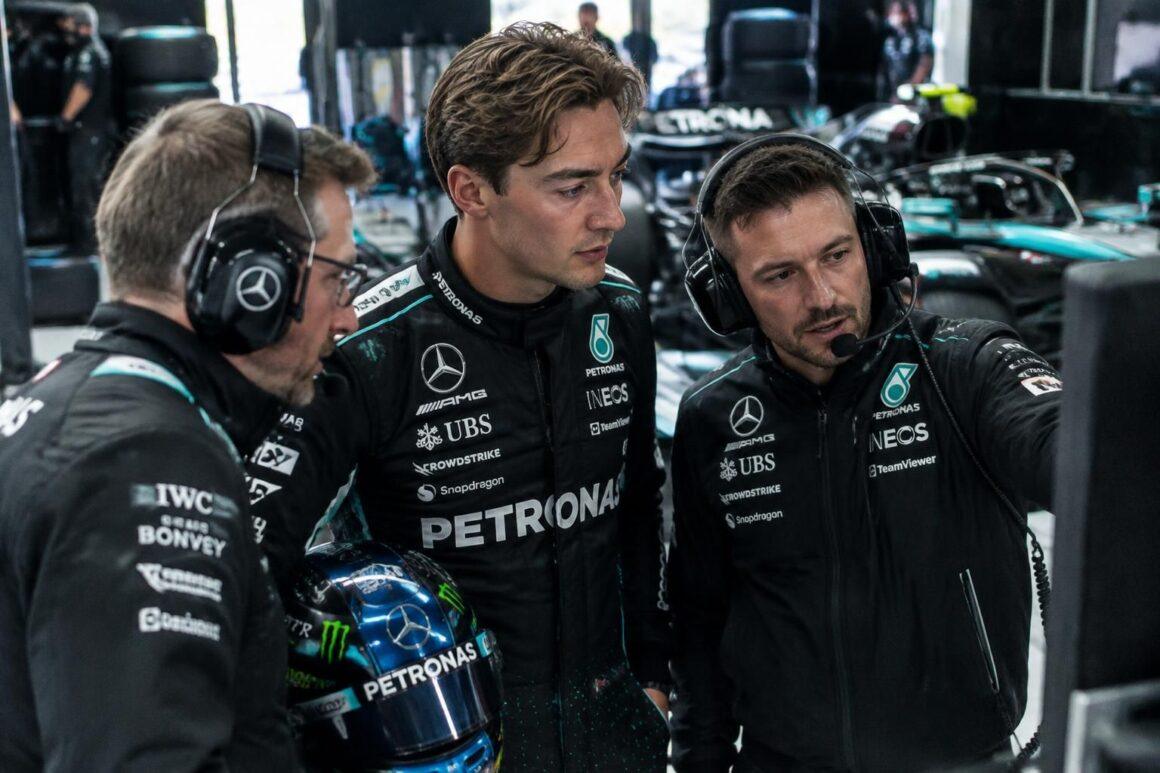
Driver feedback has been crucial for these developments. Sergio Pérez noted after Miami that the upgrades clearly improved race pace and reliability, reflecting an encouraging trajectory for Cadillac’s development. His comfort with the car’s evolving balance offers encouragement to the engineering squad, as real-world track data confirms simulation predictions. Meanwhile, Valtteri Bottas highlighted the difficulty of adjusting to a new car but remains upbeat about Cadillac’s underlying potential, confident that Montreal’s technical challenges will further refine their engineering approach.
Operational Execution and Pit Stop Performance at the Canadian Grand Prix
Cadillac’s push forward is not just limited to car upgrades. Behind the scenes, the operational side has made noteworthy strides, particularly in pit stops and race strategy execution. At Miami, the team recorded two pit stops ranked within the weekend’s top 10 fastest, reflecting improved coordination, practice, and precision under pressure.
This step-change in efficiency represents a significant element in Cadillac’s race weekends. As races increasingly come down to split seconds lost or gained during stops, this operational progress offers a tangible advantage in the fiercely competitive midfield. In Montreal, where tire wear and degradation patterns can be unpredictable, pit strategy and flawless stops will be critical.
Cadillac’s strategic approach also includes adapting to the Sprint race format at the Canadian Grand Prix, which demands shorter, more aggressive race stints with limited pit stop opportunities. The team will need to balance tyre management with outright pace to extract maximum performance over the shorter race and the Grand Prix itself.
The synergy between technical upgrades and operational excellence is proving to be a winning cocktail for Cadillac. Reliability remains strong, with their MAC-26 refusing to yield under race distances, a feat many established teams still find challenging. This consistency enables the drivers to push harder while trusting their machine and crew in equal measure.
Championship Implications: Cadillac’s Climb in the 2026 Formula 1 Midfield Battle
The Canadian Grand Prix represents a pivotal platform in the 2026 season for Cadillac’s aspirations. The team’s current position in the midfield pack sees them locked in a tight contest with Aston Martin and others. Every upgrade and operational improvement could translate directly into crucial points and championship positioning.
Credit goes to Cadillac’s development work and on-track adaptability, which underpins their fight to bridge the gap with more established teams. The data-driven performance enhancements and pit lane efficiency improvements provide a solid foundation for sustained growth throughout the season.
Sergio Pérez’s growing comfort with the car is a key variable. His ability to extract maximum performance and provide detailed feedback accelerates development cycles. This driver-team dynamic is critical in a sport where half a second can change finishing positions dramatically. Pérez recognizes the step forward but insists the potential gains lie in optimising integration of these upgrades across a race weekend, not simply their introduction.
Meanwhile, Valtteri Bottas remains a stabilizing force, often delivering consistent points finishes and leveraging his experience to help fine-tune the car both in practice and race conditions. His familiarity with circuits like Montréal, where he once held the lap record, provides Cadillac with invaluable insight in key moments.
Montreal’s race outcome will reverberate beyond just this weekend. It will either confirm Cadillac’s rise or underline areas requiring sharper focus before the summer break. The team’s fast work ethic, technical innovation, and operational precision highlight their potential to disrupt the midfield order deeply. For fans tracking this American effort, keeping an eye on Cadillac’s journey through the 2026 F1 season remains a compelling storyline.
Explore more detailed race analyses and updates at LAS Motorsport, where the latest Cadillac performance insights and broader F1 News are continuously featured.