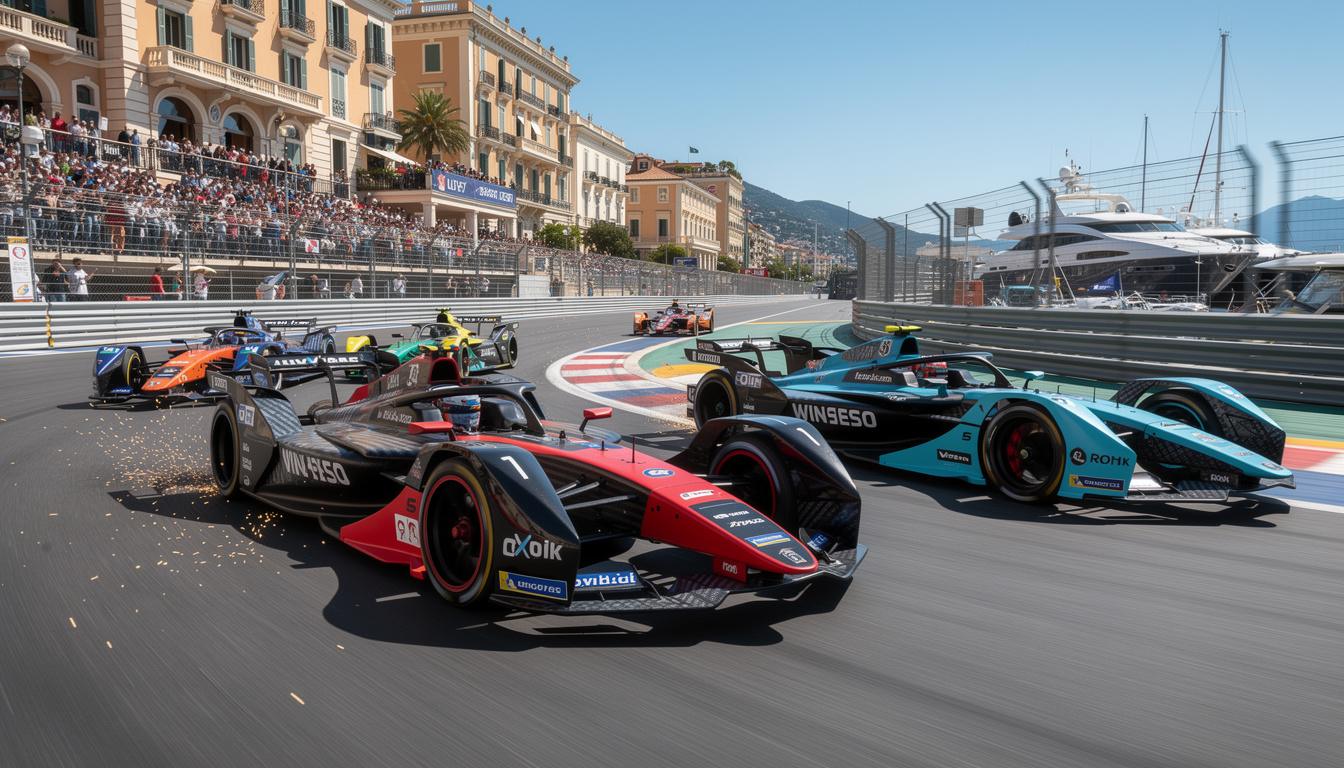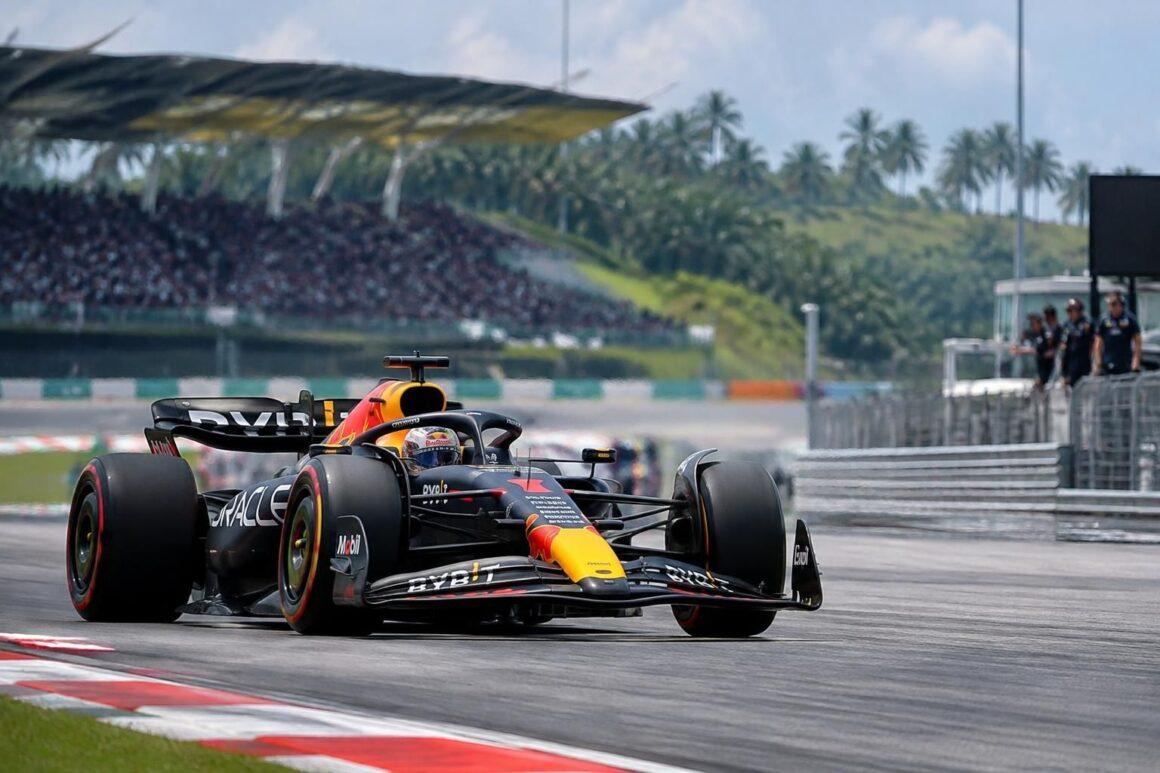
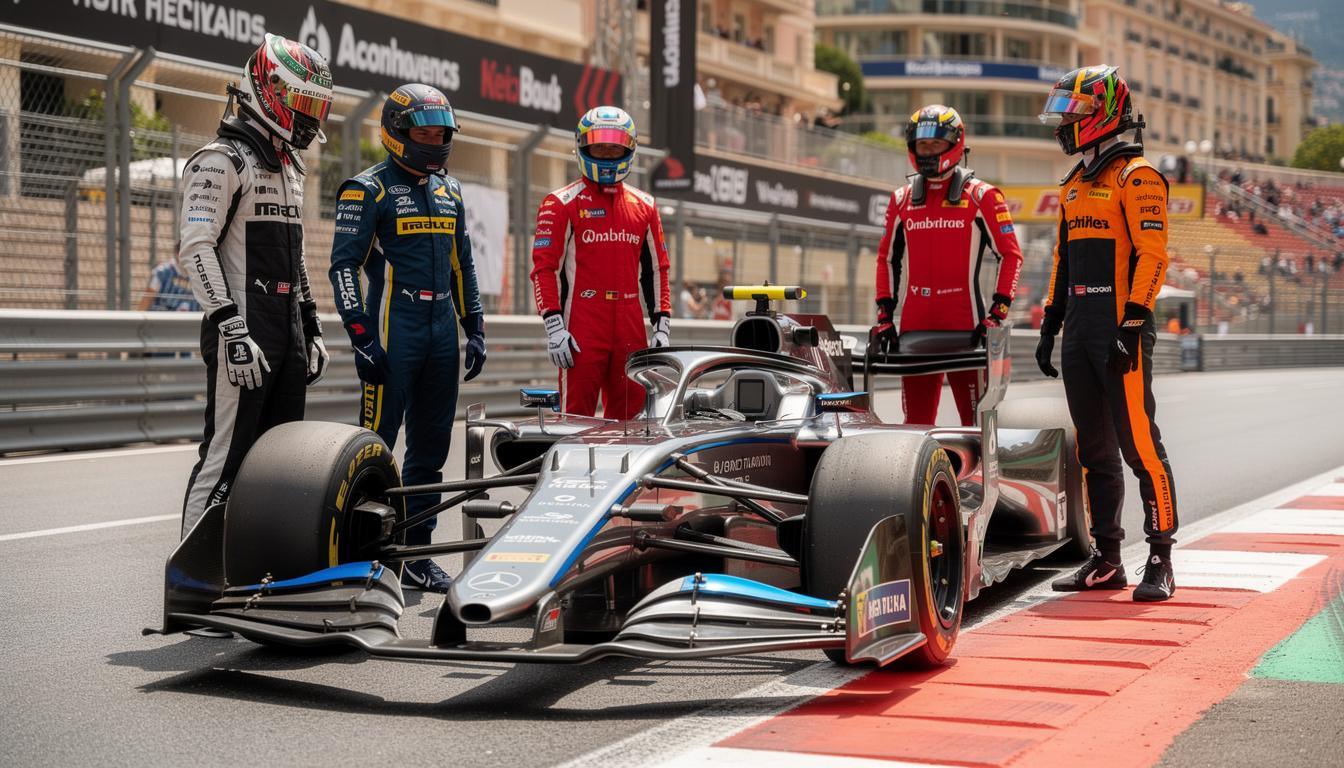

The glitz of Monaco’s iconic streets set the perfect stage for an electrifying moment in motorsport history. Ahead of the weekend’s eagerly awaited E-Prix, Formula E unveiled its next-generation all-electric racing machine, the GEN3 Evo, marking a compelling leap forward in electric racing technology. The event drew a remarkable gathering of current and former Formula 1 stars, all keen to witness this new breed of speed on display at Prince Albert II’s Private Car Collection. With an acceleration figure that shreds the barriers of possibility—rocketing from 0 to 60 mph in a blistering 1.82 seconds—the GEN3 Evo promises to recalibrate the performance benchmarks not only in Formula E but across the broader racing spectrum. Monaco’s narrow, winding track has long tested the mettle of drivers in the open-wheel world, and now it serves as a launchpad for the future of sustainable, cutting-edge electric racing.
In an era where motorsport is pivoting sharply towards electrification, the debut of the GEN3 Evo signals a profound shift in both technical ambition and fan engagement. This isn’t simply a new car; it’s a statement on innovation, efficiency, and raw power. The undercurrents of excitement were palpable as Formula E CEO Jeff Dodds underscored the leap in acceleration over both existing Formula 1 and the outgoing GEN3 machinery. Moreover, the advanced aerodynamics, all-wheel drive setup, and regenerative braking technology make this one of the most sophisticated electric racing machines ever constructed. Monaco’s vibrant motorsport culture and history of prestigious events provided the ideal backdrop for such a reveal, drawing fans and insiders alike into a discussion about what lies ahead for electric racing’s next chapter.
Revolution on Wheels: The Unveiling of Formula E’s GEN3 Evo in Monaco
The stage was set on the sun-dappled terraces of Monaco when the GEN3 Evo was pulled into the spotlight, surrounded by an array of Formula 1 luminaries keen to engage with electric racing’s new frontier. The car’s razor-sharp acceleration figure—1.82 seconds to hit 60 mph—outpaces current Formula 1 cars by a hefty 30 percent and eclipses the previous GEN3’s performance by 36 percent. This leap isn’t just a marginal improvement but a radical redefinition of electric racing potential.
The presence of F1 stars in the Principality reinforced the growing bridge between Formula 1 and Formula E, with the spotlight on sustainable innovation as well as outright performance. For racers used to the combustion roar of turbocharged engines, the GEN3 Evo’s silence and instant torque offer a stark but thrilling contrast. Drivers and teams alike are buzzing about the car’s all-wheel-drive system, which enhances cornering on Monaco’s tight circuits and intensifies the battle for grip from race start to finish. This technology promises closer wheel-to-wheel duels, sparking new rivalries and strategies.
The track layout of Monaco has traditionally challenged drivers with its unforgiving walls and narrow bends. Introducing a car capable of 200 mph top speed and rapid acceleration ups the ante considerably. That this vehicle will contest races starting in 2025 amplifies the importance of this reveal, as the city prepares for back-to-back electric battles on its historic streets. This moment cements the GEN3 Evo not only as a technological marvel but as a key player in motorsport’s progressive evolution.
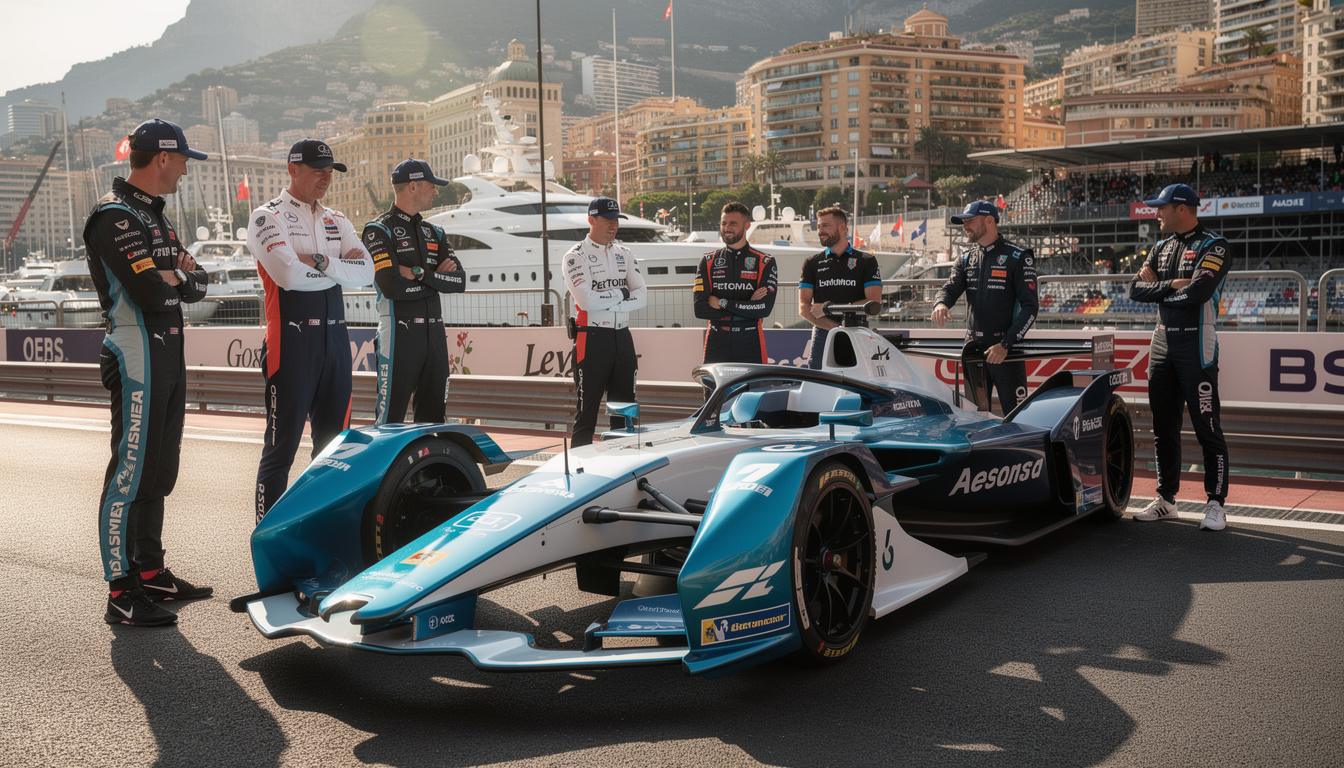
Deep Dive into GEN3 Evo: Technical Mastery and Strategic Advantages in Electric Racing
Beyond the headline figures lies a machine engineered for the next decade of racing. The GEN3 Evo boasts a combination of performance and sustainability rarely seen in elite motorsport. Advanced regenerative braking systems can reclaim up to 50 percent of kinetic energy during deceleration—an efficiency leap that not only reduces battery drain but also reshapes race strategy. This capability allows teams to finesse energy management with greater precision, particularly crucial on energy-hungry circuits like Monaco.
The electric motor’s efficiency surpasses 90 percent. In comparison, combustion engines typically hover around 30-40 percent thermal efficiency, so this is a paradigm shift for performance and environmental impact. Integrating recycled materials and focusing on battery cell recycling underline Formula E’s commitment to a net zero carbon footprint across the vehicle lifecycle. These factors go beyond greenwashing; they influence design choices that affect weight distribution, aerodynamics, and ultimately, the lap times.
Aerodynamically, the GEN3 Evo’s bodywork was crafted for aggressive yet stable airflow management. The new body kit enhances the car’s ability to slipstream rivals while maintaining downforce in tight corners, directly impacting overtaking possibilities on street circuits notoriously difficult for passing. Meanwhile, the all-wheel drive setup offers drivers improved traction off the line and through tricky corners—a technical edge that’s already attracting attention among technical directors who see strategic openings in qualifying and race starts.
Adding to the package are optimised Hankook iON tyres, offering a grip increase of 5-10 percent and made from 35 percent recycled materials. The improved grip plays a fundamental role on surfaces like Monaco’s varied asphalt, helping to tame the power delivery and maximise cornering speed. This tyre adaptation complements the car’s increased power, making it a cohesive system tuned for the rigours of electric racing.
Impact on Motorsport: How Formula E’s Next-Gen Racer Shapes the Future and Formula 1’s Response
The debut of the GEN3 Evo isn’t just a Formula E milestone—it challenges Formula 1’s supremacy in acceleration and efficiency metrics. With F1 stars attending the reveal and sparking public interest, the dialogue between the two series intensifies. Discussions around technical crossovers and sustainability benchmarks point to a future where collaborations and technology transfers become more commonplace.
Formula E’s emphasis on all-wheel drive and regenerative systems introduces hardware elements that could inspire tweaks in Formula 1’s approach to hybrid power units and energy recovery systems. While F1’s ICE and hybrid technology remain technically complex, the claimed 30 percent acceleration gain over F1’s current machines provokes a rethink of what electric racers can achieve on street circuits. These comparisons, noted by fans and analysts alike, fuel anticipation for how Formula E’s innovations might pressure F1 to evolve their own powertrains.
Meanwhile, the FIA’s endorsement, highlighted by President Mohammed Ben Sulayem, showcases institutional support for sustainable motorsport that balances competition with environmental responsibility. The GEN3 Evo adds a tangible example to the FIA’s roadmap of promoting electrification alongside traditional formulas, reinforcing motorsport’s role as a laboratory for automotive innovation worldwide. It also raises questions about talent crossover; with electric powertrains gaining speed and prestige, young drivers from feeder series are eyeing Formula E as a high-performance destination alongside Formula 1—echoing developments chronicled in rising driver talent coverage at LAS Motorsport.
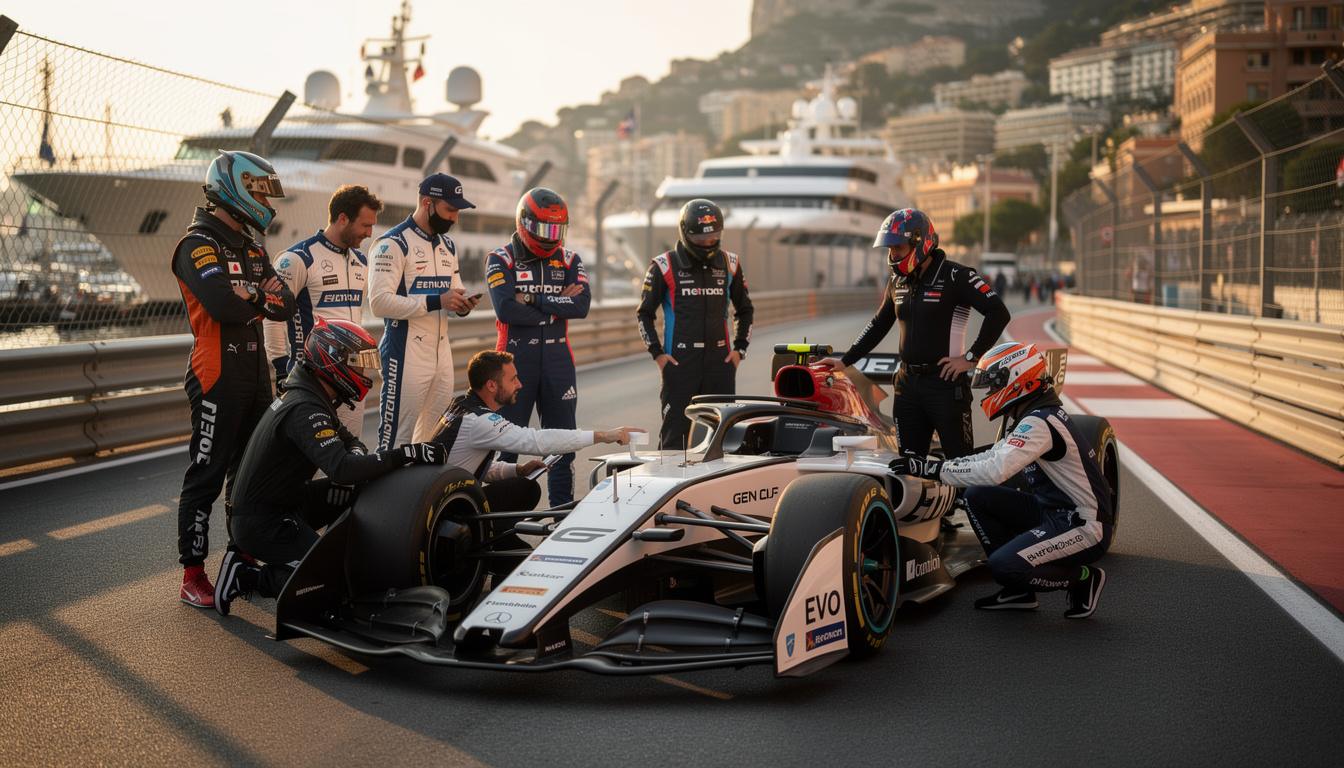
Monaco as a Motorsport Innovation Hub and the Arrival of Electric Racing Stars
The glittering streets of Monaco, synonymous with the glamour and history of motorsport, have become a proving ground for electric racing’s future. The double-header E-Prix weekend showcases the GEN3 Evo’s capabilities under race conditions the very next days after its reveal, making Monaco a focal point for fans and insiders tracking the evolution of electric racing. The Principality’s allure attracts top-tier talent, evident from the attendance of multiple Formula 1 stars, providing the cross-pollination of ideas and driver skills between disciplines.
This confluence of motorsport heritage and forward-thinking electrification makes Monaco an indispensable venue for Formula E’s strategic ambitions. Hosting consecutive races during the same weekend offers teams and fans a front-row seat to observe the GEN3 Evo’s racecraft and reliability under pressure. This setup amplifies the competitive narrative and raises the intensity of the racing spectacle, ensuring Monaco’s street layout remains a crucible for motorsport innovation and entertainment alike.
The momentum gained here echoes through other European circuits eager to host the next generation of electric racing, spotlighted in recent LAS Motorsport coverage like the upcoming Gen4 racing car debut at Paul Ricard LAS Motorsport. This expanding footprint reveals Formula E’s growing influence across the continent and the sporting calendar, redefining traditional motorsport hierarchies.