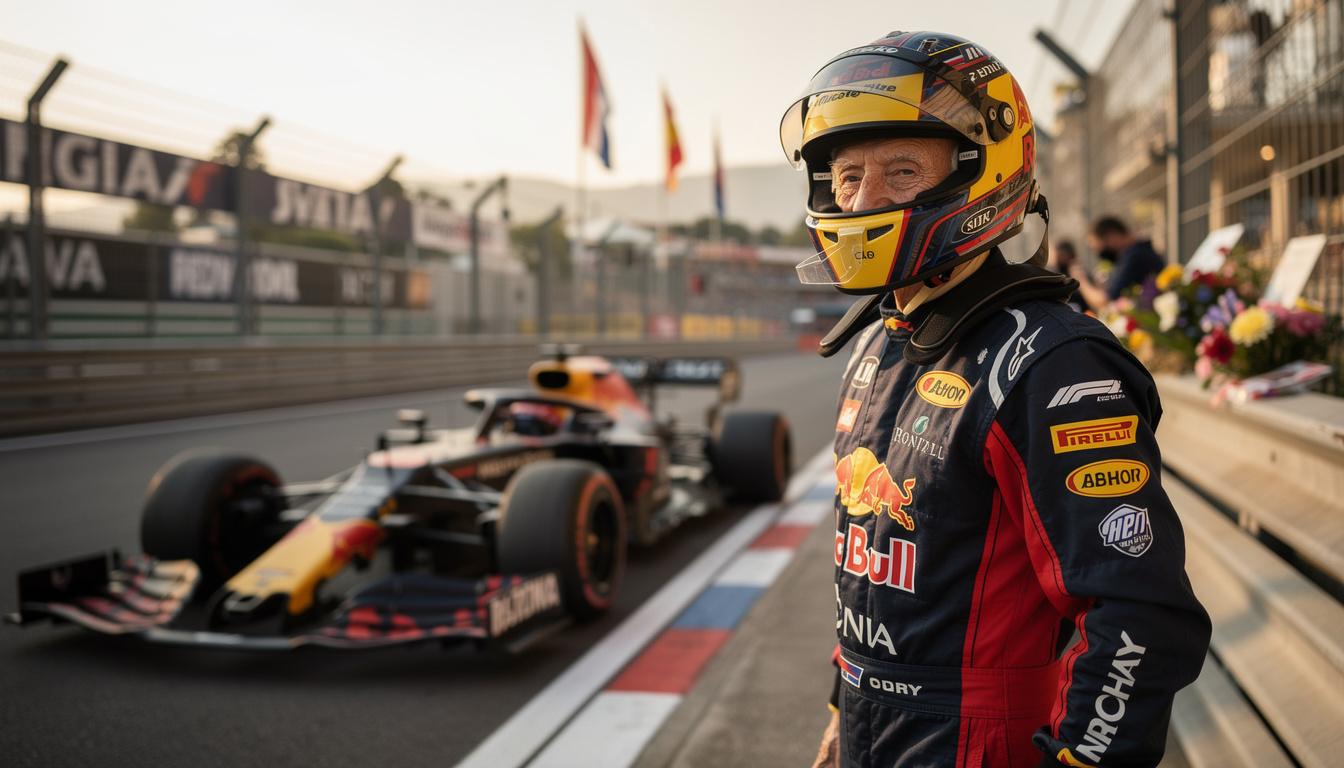

Legendary F1 driver Hermano da Silva Ramos has passed away at the age of 100, marking the end of a remarkable chapter in motorsport history. As one of the last surviving competitors from the dawn of Formula 1 in the 1950s, Ramos’s legacy extends far beyond his seven Grand Prix appearances. Celebrated for his grit and pioneering spirit, he embodied the fearless nature of early racing, still vividly remembered by fans and peers alike in 2026.
Born in Paris in 1925 to Portuguese parents, Ramos took his place among the giants of Formula 1 during a period when the sport was forging its identity. His career, though brief by modern standards, showcased a driver skilled enough to score World Championship points in a highly competitive and dangerous era. His fifth-place finish at the 1956 Monaco Grand Prix remains a highlight, symbolising the perseverance and daring that defined his time behind the wheel.
Celebrating the career of a legendary F1 driver who shaped early motorsport
Ramos’s racing tenure spanned seven Grands Prix from 1955 to 1956, competing primarily for Gordini, a team known for its passionate but under-resourced approach. In an era when reliability was as much a battle as speed, Ramos’s tenacity earned him two World Championship points, a noteworthy feat considering the hazardous nature of circuits and cars of the day.
The 1950s F1 grid was a melting pot of talent and risk, where drivers often crossed disciplines. Ramos was no exception, sharing his passion beyond Formula 1 and forging the blueprint for versatile racing careers that blend endurance and Grand Prix events. His survival through this perilous decade earned him a revered status, evident in how he stayed connected to the sport’s history and evolution.
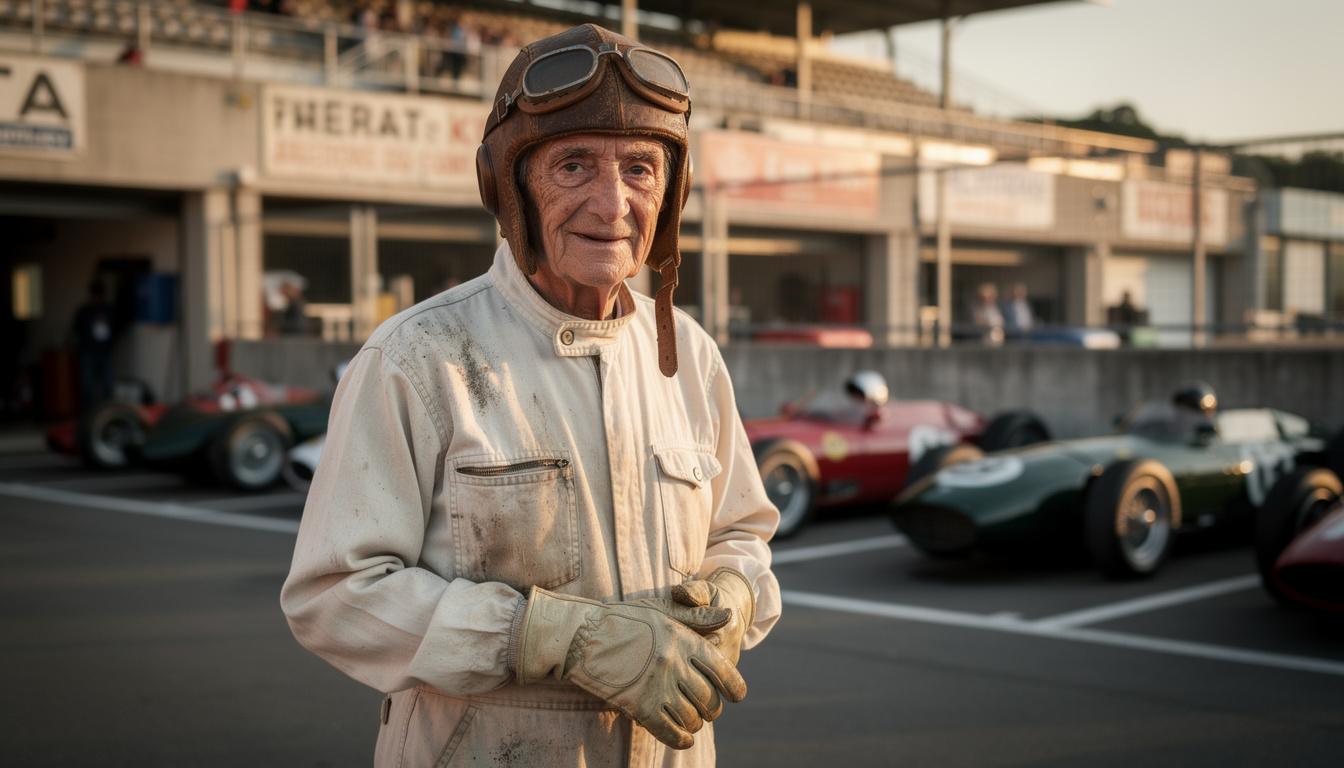
Technical and strategic insights into F1’s early era through Ramos’s career
The 1950s demanded drivers to be not only fast but mechanically savvy, often working intimately with their machines. Ramos adapted to the technical challenges head-on, mastering machinery that lacked today’s electronics and safety standards. Teams like Gordini operated on shoestring budgets, forcing drivers to extract maximum performance during races with minimal pit support.
This era was also about cunning racecraft. With fewer regulations on pit stops and tyre usage, drivers had to decide when to push or conserve, relying heavily on instinct and experience. Ramos’s consistent performances amid such volatility illustrate the tactical awareness required to score points and finish races in that decade.
What Ramos’s passing means for Formula 1’s heritage and future
As the motorsport community reflects on the passing of this celebrated driver, the mantle of oldest living F1 competitor now passes to John Rhodes, keeping alive the memory and stories of those pioneering racers. Ramos’s death is a poignant reminder of the sport’s evolution—from the raw courage of the 1950s to today’s technology-driven spectacle.
His legacy emphasizes the foundations laid by early drivers who risked everything to shape Formula 1 into a global championship, a heritage passionately preserved by historians and fans worldwide. The sport continues to connect generations, highlighting the contrast between past and present while respecting those who paved the way.
For those keen on exploring the legends of Formula 1 and understanding how the sport has transformed, the LAS Motorsport archive on the oldest F1 drivers is a treasure trove of insight. Staying updated on current F1 driver standings and developments also connects the sport’s rich past with its dynamic present.