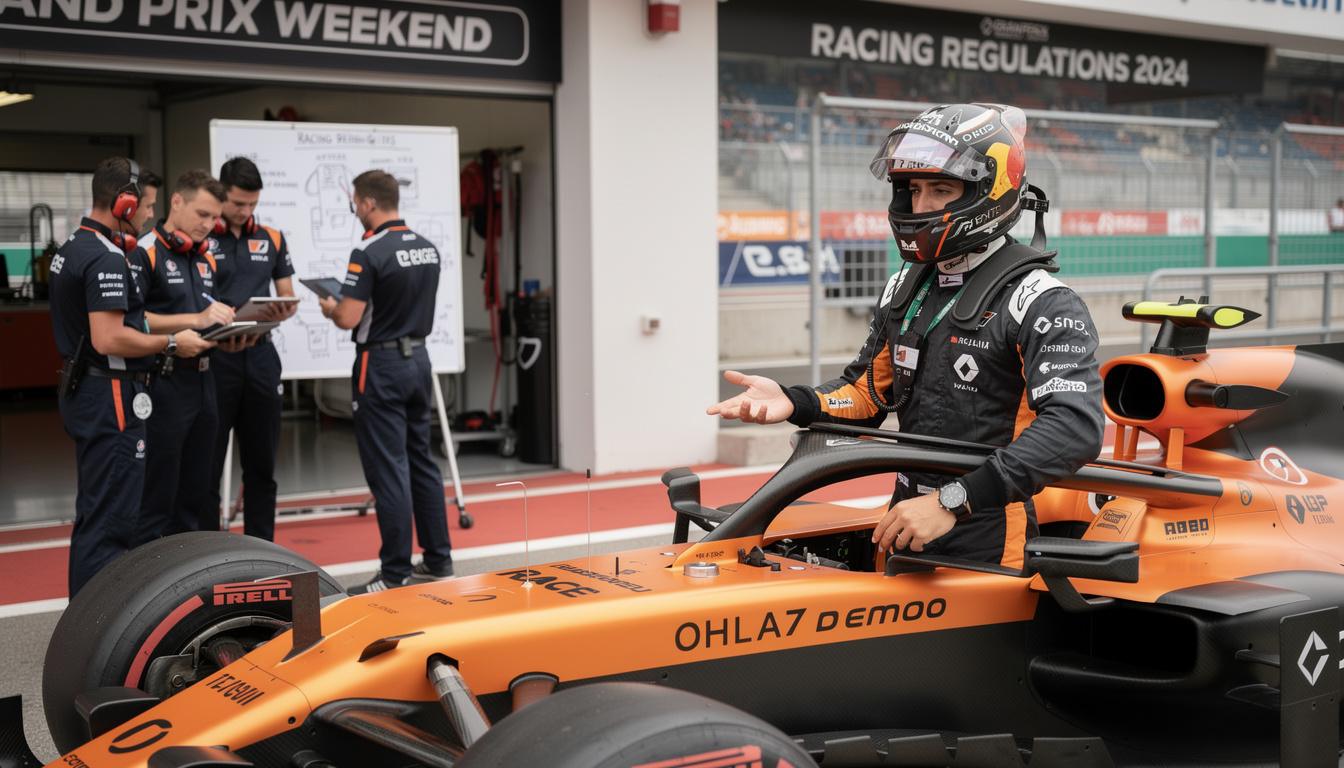

Lando Norris has once again stirred the Formula 1 paddock with a blunt proposal: the current technical regulations, especially around the hybrid power unit, are fundamentally flawed and the only real solution is to “get rid of the battery.” This latest stance comes after the Miami Grand Prix introduced tweaks meant to ease energy management issues, which many drivers, including Norris, felt fell short of delivering the flat-out racing fans crave. While the FIA’s adjustments nudged the needle slightly, the McLaren star insists these changes are merely a drop in the ocean of what needs to be done to restore balance to car performance and race tactics in the sport.
F1 New Regulations: Lando Norris Critiques Miami Changes and Calls for Radical Shift
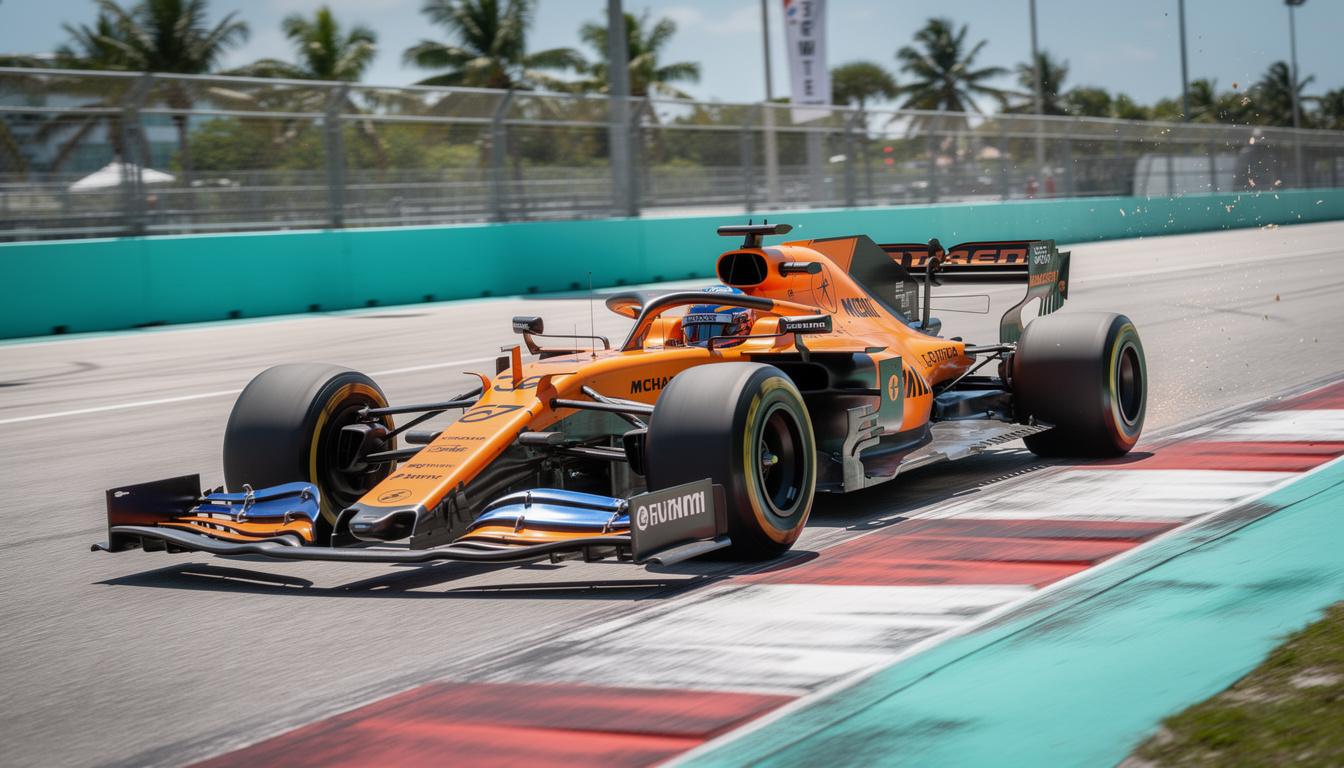
At the Miami International Autodrome, drivers were handed their first meaningful taste of the amended Formula 1 regulations designed to address the problematic energy harvesting and deployment during qualifying and race conditions. The goal was clear: reduce “yo-yo” racing, where drivers lose momentum and risk being re-overtaken due to battery drain after aggressive moves. Although the tweaks brought some relief, Norris was quick to highlight their limitations. “It’s a small step in the right direction, but it’s not to the level that Formula 1 should still be at yet,” he told media outlets.
Technical and Strategic Limits of Current F1 Battery Rules
Norris laid bare the ongoing challenge: aggressive qualifying laps and race pushes are still punished by complex energy management rules that force drivers to back off throttle or lift earlier than desired. “You still can’t be flat out everywhere,” he noted, pointing to the counterintuitive nature of penalising drivers for pushing too hard in certain corners. During races, the “yo-yo” effect persisted, exposing drivers to risks of losing positions shortly after overtaking maneuvers due to depleted battery reserves.
The McLaren driver argues that no amount of regulation fine-tuning will resolve these issues unless the hybrid battery, which governs energy recovery and release, is entirely removed. “Honestly, I don’t really think you can fix that. You just have to get rid of the battery,” Norris stated. This represents a direct challenge to the current approach of hybrid integration in F1 power units, which has led to a compromise in pure racing thrills.
Looking Ahead: Potential Impact on F1 Racing and Championship Dynamics
The broader implication of Norris’s critique is a push for a radical rethink as the sport moves deeper into the hybrid era defined by the new regulation compliance landscape. While Ferrari’s Charles Leclerc shares caution about expecting instant fixes, he acknowledges that driver patience is running thin with persistent issues. “We can minimise them and I think the approach was right, but whether we’ll arrive at a situation where there won’t be any of those problems anymore, I’m not sure,” Leclerc commented, marking a consensus that incremental changes might not cut it.
With the technical debate heating up, teams and the FIA face pressure to devise strategies and innovations that do not compromise the spectacle. The potential removal of the battery, as Norris proposes, could signal a technological pivot with far-reaching consequences on race strategies and overall motorsport innovation. It might also reshape how energy management is tackled, altering the competitive dynamics that define a championship season.
For those following the unfolding regulatory saga, keeping tabs on these developments is crucial. Insights and expert breakdowns on regulation impact and team responses can be found on LAS Motorsport and the dedicated F1 News section, ensuring fans stay informed about shifts in racing strategy and car performance that define modern Formula 1.