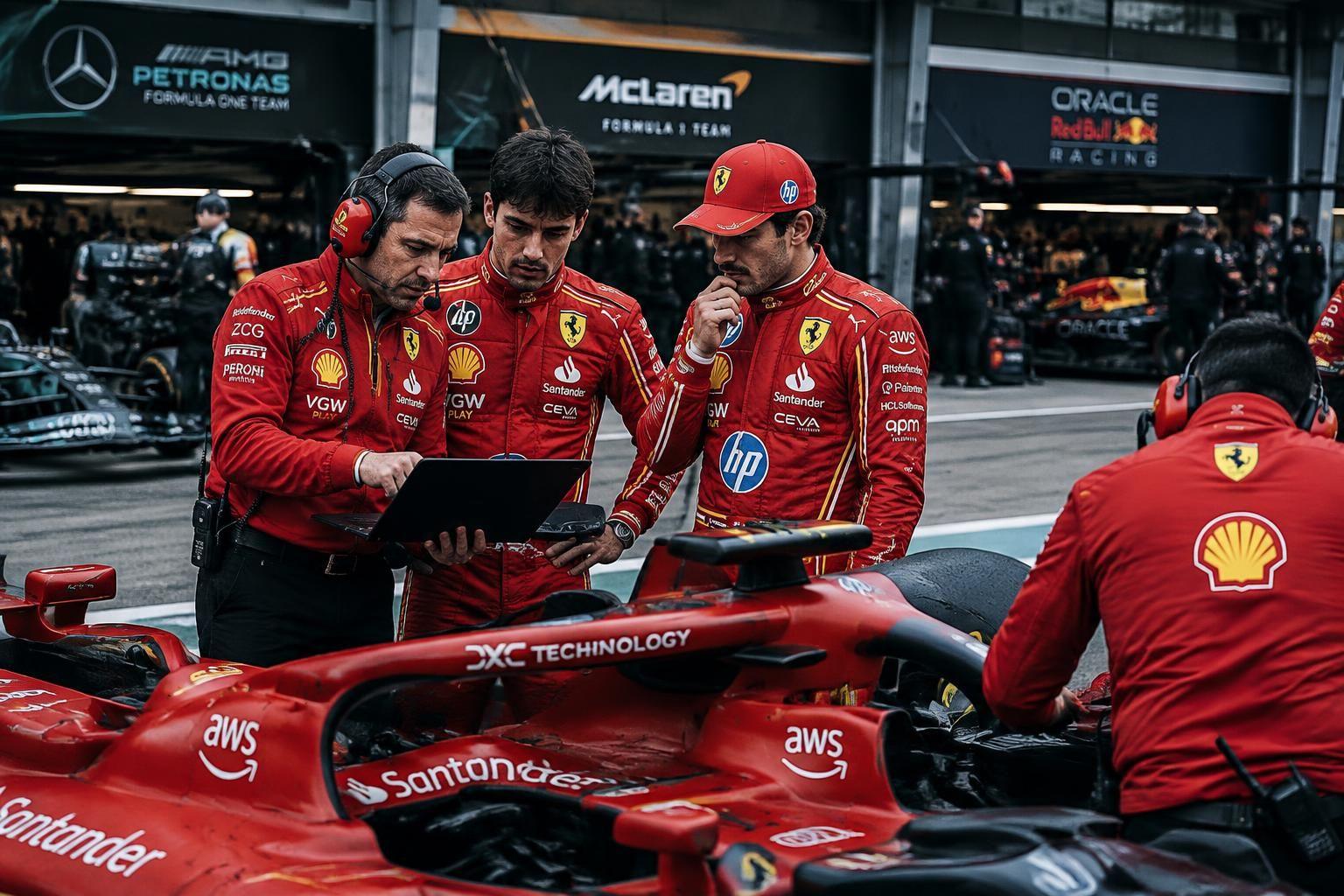
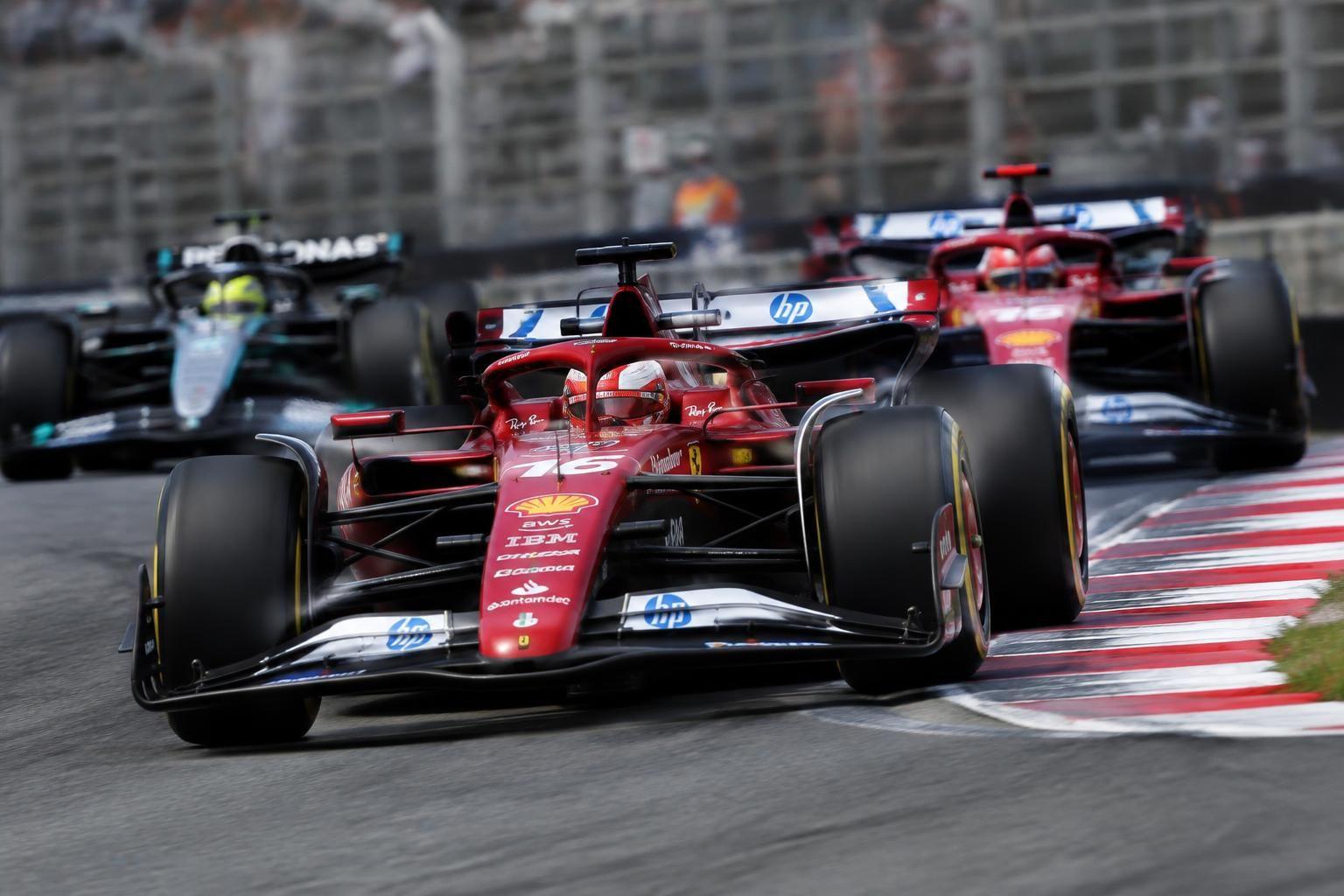

Ferrari can close the gap. The pecking order may settle. Fred Vasseur expects fewer shocks next season.
Ferrari arrive at the new Formula 1 campaign facing a familiar question: can the Scuderia turn flashes of speed into a sustained fight at the front? Team principal Fred Vasseur expects the sharp swings that reshaped this season’s pecking order to become less common as teams learn the regulations. That points to a tighter, more predictable contest — but it does not guarantee Ferrari a place among the leading championship contenders. This year, Mercedes opened with six straight victories, while Ferrari, McLaren and Red Bull each found winning form later on. Mercedes still stayed in the hunt throughout and secured both titles with rounds to spare.
For Ferrari, the forecast is less about a precise spot in the team rankings than about the conditions shaping the fight. Vasseur linked this year’s performance shifts to the steep gains teams can make in the first season under new rules, especially when upgrades arrive at different times. As those gains narrow, race performance may become more consistent — and the value of a strong opening package will rise. The Scuderia’s rank will depend on how well its car development and driver lineup convert early pace into points across the calendar.
Ferrari’s pecking order: why this season swung so sharply
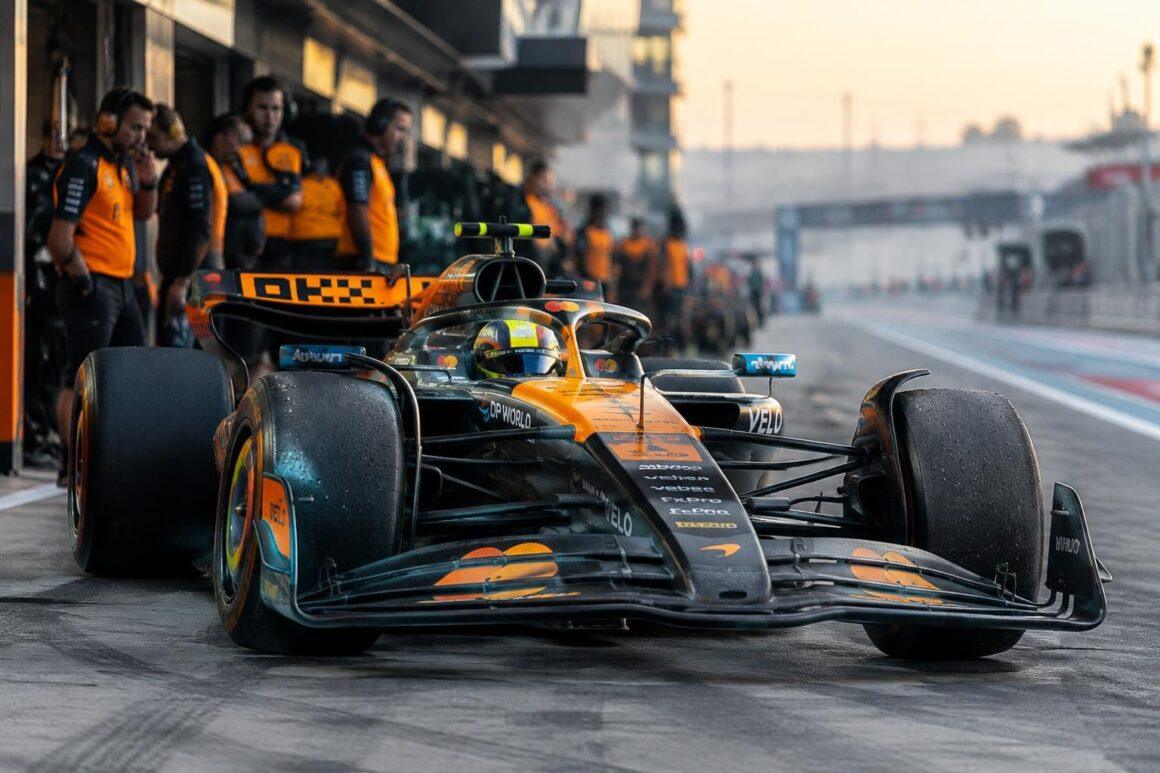
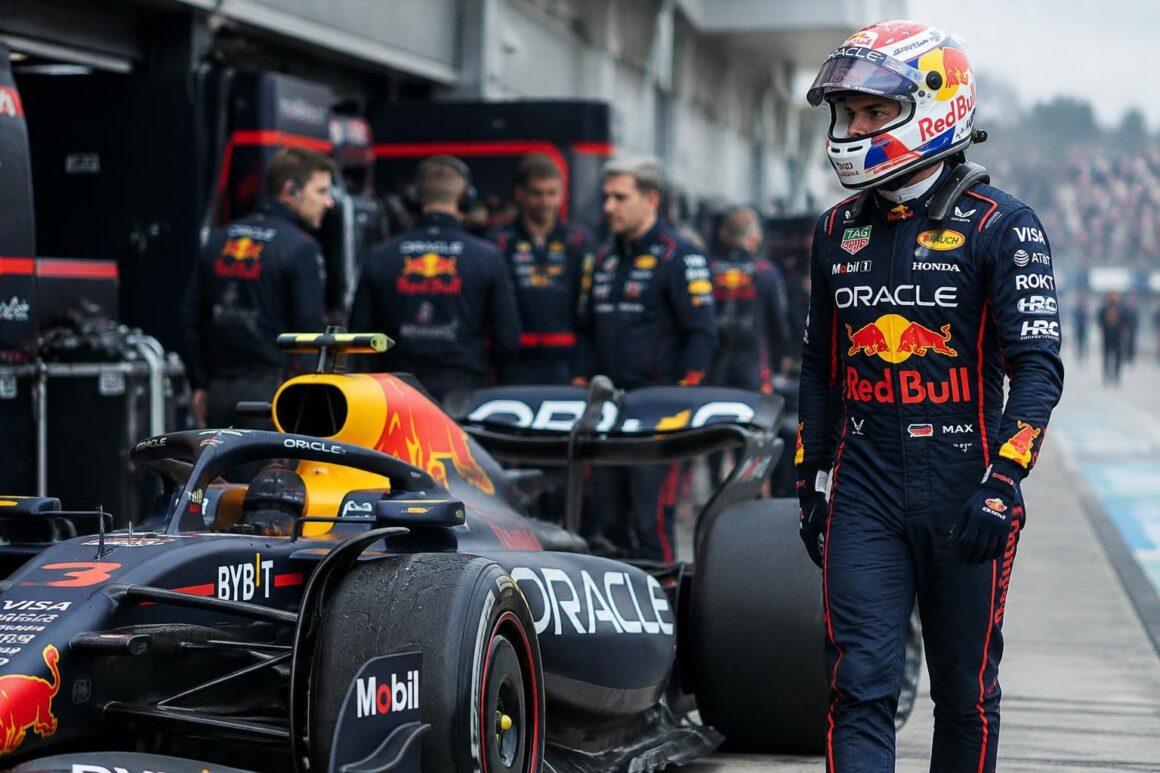
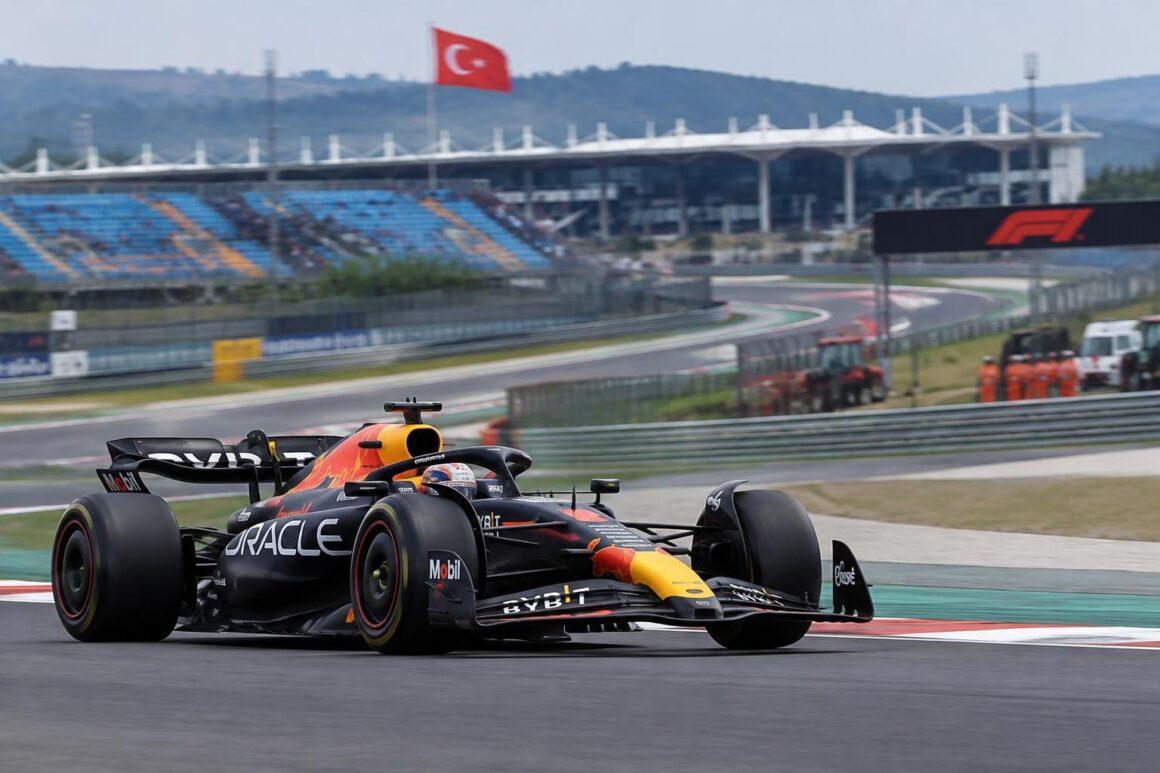
Vasseur described a campaign in which the leading teams took turns at the front: Ferrari won in June, McLaren followed in July, and Red Bull found victories in August or September. He pointed to the first year of a regulation cycle, when each upgrade can produce a larger step than it might later in the rules era. That uneven rate of progress helped keep the contest alive, even as Mercedes maintained a title-winning level across the season.
The timing of development mattered as much as the parts themselves. A team bringing a package to a particular circuit could gain ground while rivals ran older specifications, creating short-lived changes in the pecking order rather than a complete reversal of form. Ferrari will need to judge both the size and timing of its updates; its previous work on a major upgrade offers useful context in this report on Ferrari’s bid for an edge.
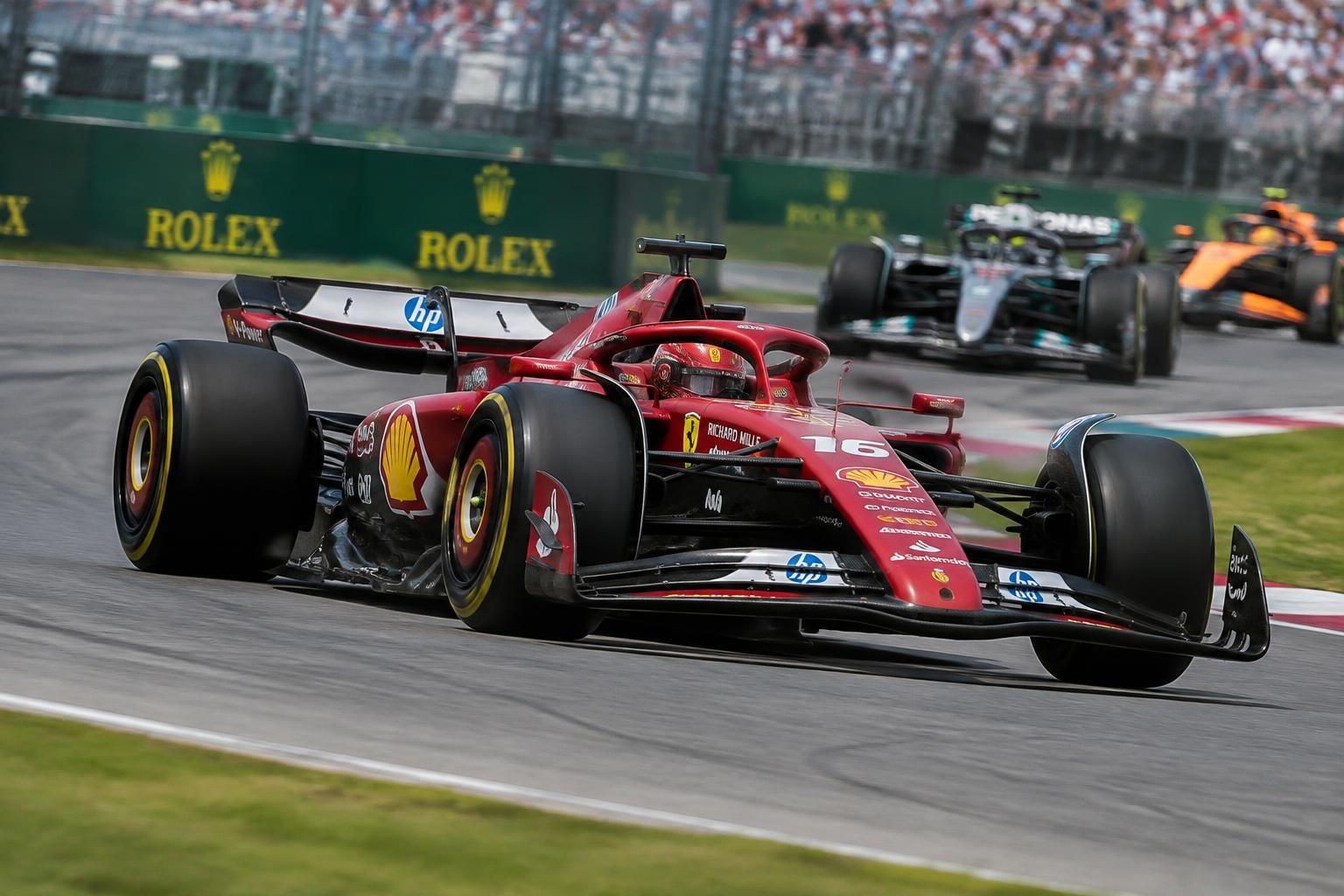
How car development could steady Formula 1 team rankings
Vasseur expects performance to converge as teams gain experience and move towards similar technical solutions. That should reduce the dramatic swings seen when one squad discovers a productive concept or lands a major upgrade first. Yet convergence does not mean identical cars: execution, tyre management and circuit-specific set-up will still separate the front-runners, and a small deficit can decide whether Ferrari fights for wins or settles for podiums.
There is a strategic consequence, too. If development gains shrink, teams may have fewer chances to recover from a weak start, placing more weight on reliability and the first specification of the car. Ferrari supporters have seen how upgrades can shift expectations, including the engine package that delivered benefits at altitude in Mexico, covered in this technical report. The next step is making improvements work across different tracks, not just one favourable weekend.
Ferrari season predictions: what the championship fight may look like
These season predictions stop short of placing Ferrari in a fixed position. Vasseur’s comments describe a likely reduction in volatility, not a confirmed ranking, and the team’s opening pace remains the key unknown. If Mercedes carries its consistency forward while McLaren and Red Bull keep extracting performance, Ferrari will need a clean start and a development path that avoids costly delays.
The driver lineup will shape how effectively the Scuderia turns that potential into results, but no pairing can compensate for a car that lacks pace across multiple circuits. A tighter field could make every qualifying session and strategic call count, leaving less room for a mid-season comeback. For a wider view of how Ferrari measures itself against its rivals, this McLaren assessment of Ferrari’s pace shows how quickly perceptions can shift; the first races will show whether the Scuderia starts as a genuine contender or a team chasing the leaders.