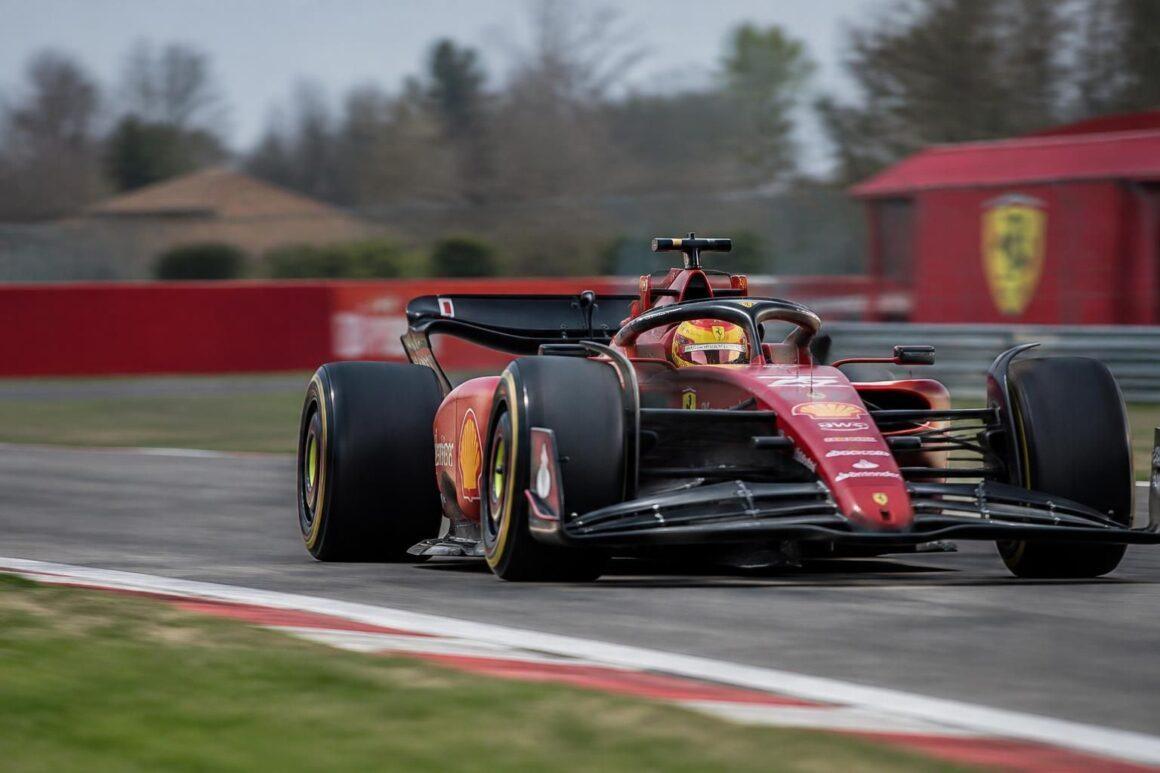

Ferrari brings a major upgrade to Austin. The aim is to change the shape of its season. The rivals will be watching.
Ferrari will introduce a new SF-26 evolution at the United States Grand Prix, targeting at least one more victory before the season ends. With six races remaining, the package is a planned step in the team’s car development programme, not a hurried response to recent results. Its focus falls on the underbody and sidepod profiles, with some solutions also informing the direction of the 2027 car.
The push follows performance concerns after the introduction of the ADUO2-based power unit, which has not delivered what Maranello expected. Recent outings in Malaysia and Singapore showed that careful setup work can improve tyre management and reduce the gap through corners, but it cannot erase a power deficit on the straights. The upgrade therefore has a specific job: widen the car’s operating window without sacrificing the strengths already built into it.
Ferrari’s Austin upgrade targets the SF-26’s aerodynamic balance
The SF-26 already generates strong downforce and has looked especially effective in slow-speed sections. Its weakness emerges in faster corners, where the car has been more vulnerable than its pace in tighter turns might suggest. Ferrari’s aerodynamicists are not chasing a wholesale redesign; they want to redistribute downforce and help the car carry its performance into fast, mixed sections.
That distinction matters. More downforce alone could add drag and deepen the straight-line problem, while a better distribution may help the car stay composed across a broader range of corners. The package echoes a recent development direction taken by Mercedes, though that team’s comparable effort did not produce the gains its engineers had expected. Ferrari’s test will be whether its own data points to a more effective balance.
Sidepod changes could shape Ferrari’s performance gains
The underbody forms the core of the Austin update, but the full package may not arrive together. Components tied to the reshaped sidepods could reach Texas late, making a debut at the following round in Mexico a realistic possibility. That would leave Ferrari assessing whether the floor changes alone can deliver the performance gains it has targeted.
The recent races offer a useful baseline. In Malaysia and Singapore, Ferrari adapted the setup to very different demands and managed its tyres more effectively, evidence that the car responds consistently to circuit-specific work. Yet improved balance did not solve the shortfall on the straights, leaving race strategy and clean execution to cover ground that aerodynamics cannot recover alone. Earlier reporting on Ferrari’s upgrade strategy has tracked that broader development contest.
Can Ferrari turn its late-season development into a win?
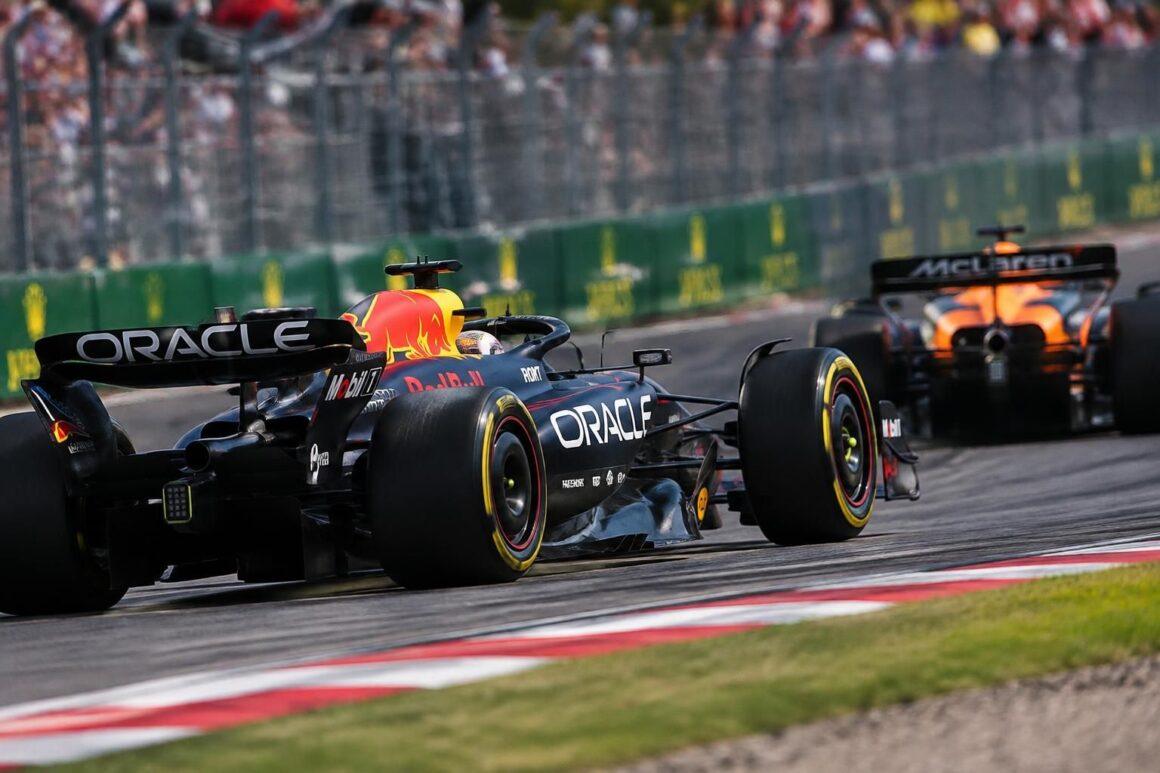
Ferrari has not won since the British Grand Prix, where a problem with Kimi Antonelli’s Mercedes wheel shield contributed to the outcome. Even so, the team showed strong underlying pace at a demanding circuit, before McLaren and then Red Bull proved harder to beat. The Austin package must now turn that promise into a repeatable competitive edge against F1 rivals.
Austin and Mexico provide sharply different tests, with Mexico’s thin air placing added emphasis on how teams manage aerodynamic load and power. Those rounds should tell Ferrari whether this direction can improve the current car while laying useful groundwork for 2027. The wider Ferrari end-of-season picture remains tied to results: one more win would strengthen the team’s championship battle narrative, but the immediate measure is whether the SF-26 can carry its cornering strength onto more of the lap.