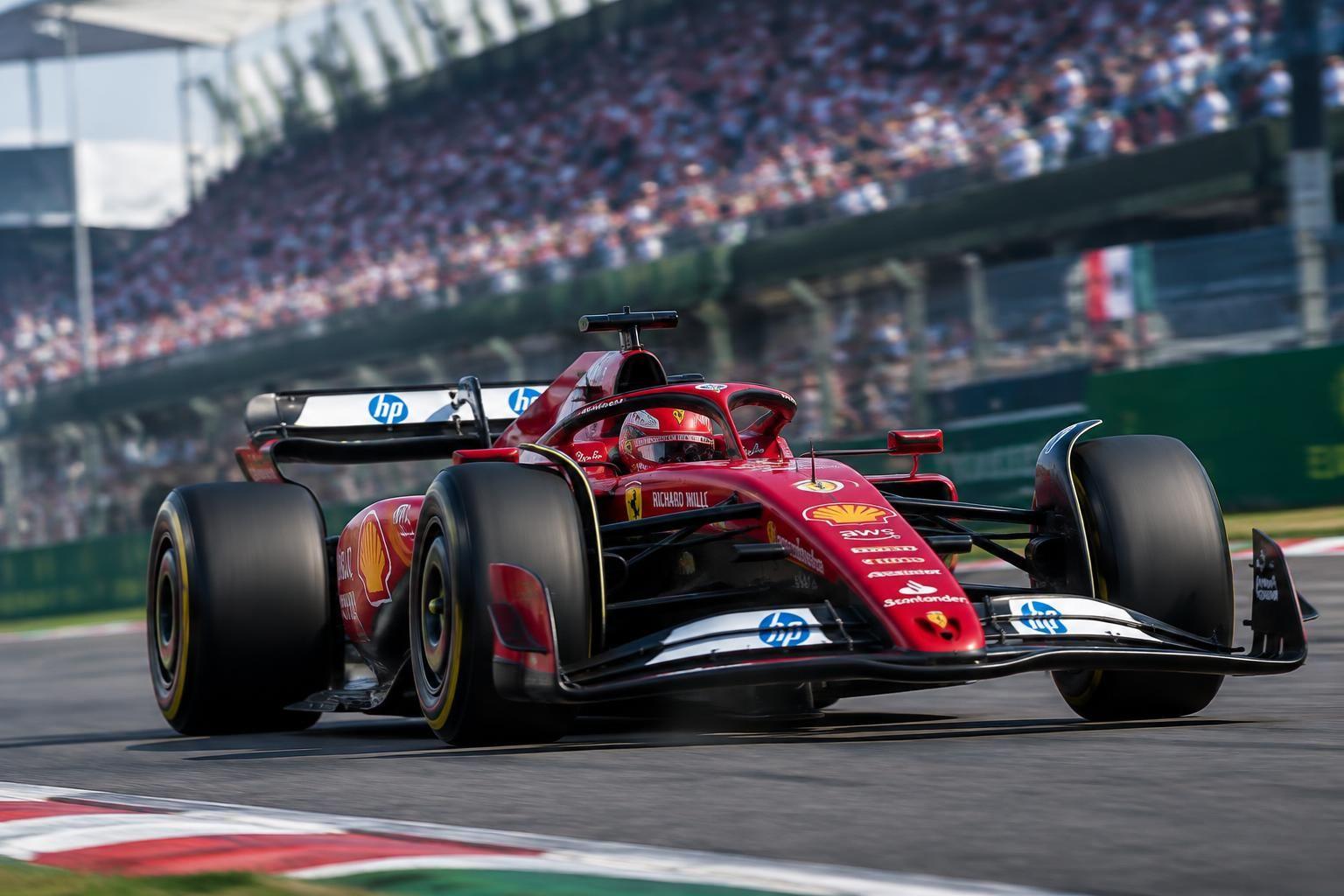

Ferrari finds an edge in Mexico’s thin air. Leclerc leads both Friday practice sessions. The upgrade brings control, not a simple surge in power.
Ferrari arrived at the Mexico City Grand Prix with a technical question to answer: could its latest engine upgrade help the SF-26 perform where thin air puts unusual strain on every power unit? Charles Leclerc supplied an eye-catching first response, topping both Friday practice sessions with a car that looked at ease near the front. The timesheets, though, need a careful reading because teams ran conservative settings while checking heat exchange and component stress. At roughly 2,240 metres above sea level, reduced air density changes how the turbocharger, combustion engine and cooling systems work. Ferrari’s early advantage appears to come less from extra peak power than from managing the available energy more consistently.
Leclerc’s Friday pace puts Ferrari in the Mexico spotlight
Leclerc’s double practice lead was striking, but Friday did not offer a clean power comparison. Teams held back their engines as they assessed temperatures and the load on parts such as the turbocharger, leaving room for more aggressive settings when qualifying begins. In Mexico, the air provides less oxygen and less cooling capacity, so engineers must balance engine performance against component protection rather than chase a headline figure.
That makes the Scuderia Ferrari result promising, not definitive. The team has reportedly developed operating modes tailored to the circuit’s low-density conditions, coordinating combustion and electrical deployment around the demands of the lap. This work became possible after the introduction of ADUO 2 last September, according to sources, and builds on Ferrari’s broader push to sharpen its package, outlined in this report on its latest upgrade programme.
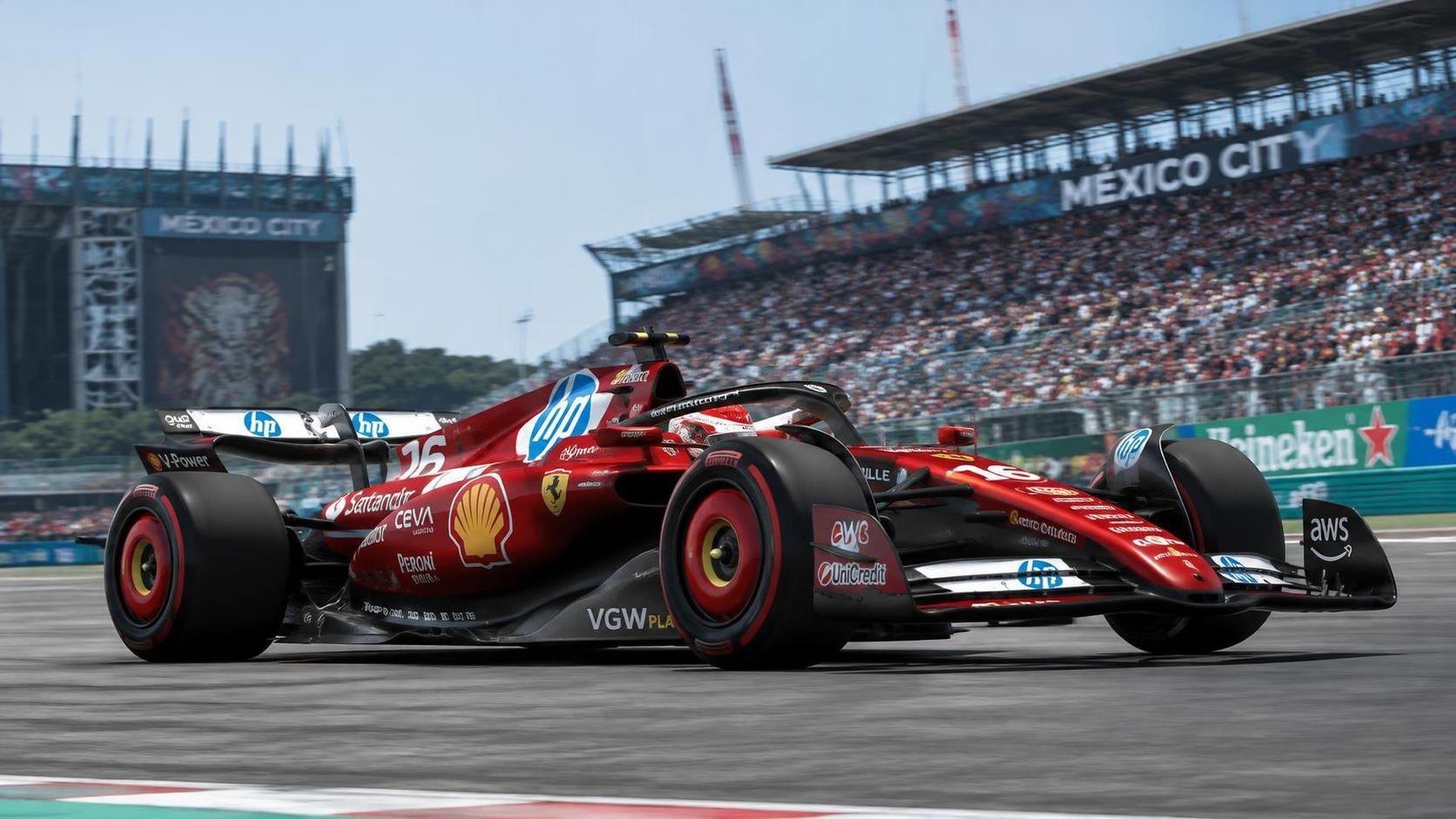
What the Ferrari engine upgrade changes at altitude
The upgrade has not simply added combustion power. Its benefit is steadier engine behaviour, giving Ferrari a more reliable base for energy recovery and deployment across a lap. That matters on a circuit where long straights demand electrical support, while the slow stadium section asks the driver to put power down cleanly without overheating the tyres.
In practical terms, consistent delivery can make a power unit easier to use across different track types, including those that appear awkward for Ferrari on paper. Leclerc’s pace suggests the SF-26 is operating inside a useful performance window, but qualifying will expose the car to more aggressive engine modes than Friday practice. The team’s ability to keep deployment effective under that extra demand will reveal more than a practice-session peak, a theme also reflected in Leclerc’s role in Ferrari’s upgrade push.
Tyre management and race strategy remain the real test
Ferrari’s Friday running also offered useful evidence about the car’s balance and tyre behaviour. The SF-26 appears to use a softer dynamic setup that prioritises traction, helping Leclerc control exits from the slower corners. That approach can limit thermal degradation, a concern when reduced aerodynamic load leaves the tyres carrying more of the work.
For race strategy, that balance could prove as valuable as the engine settings. A car that protects its tyres may give Ferrari more flexibility over stint length and pit timing, but the team still needs to confirm that advantage over longer runs and in changing traffic. Friday’s simulations provide a starting point; the qualifying lap will test the power unit, while Sunday will show whether the package can sustain its pace.
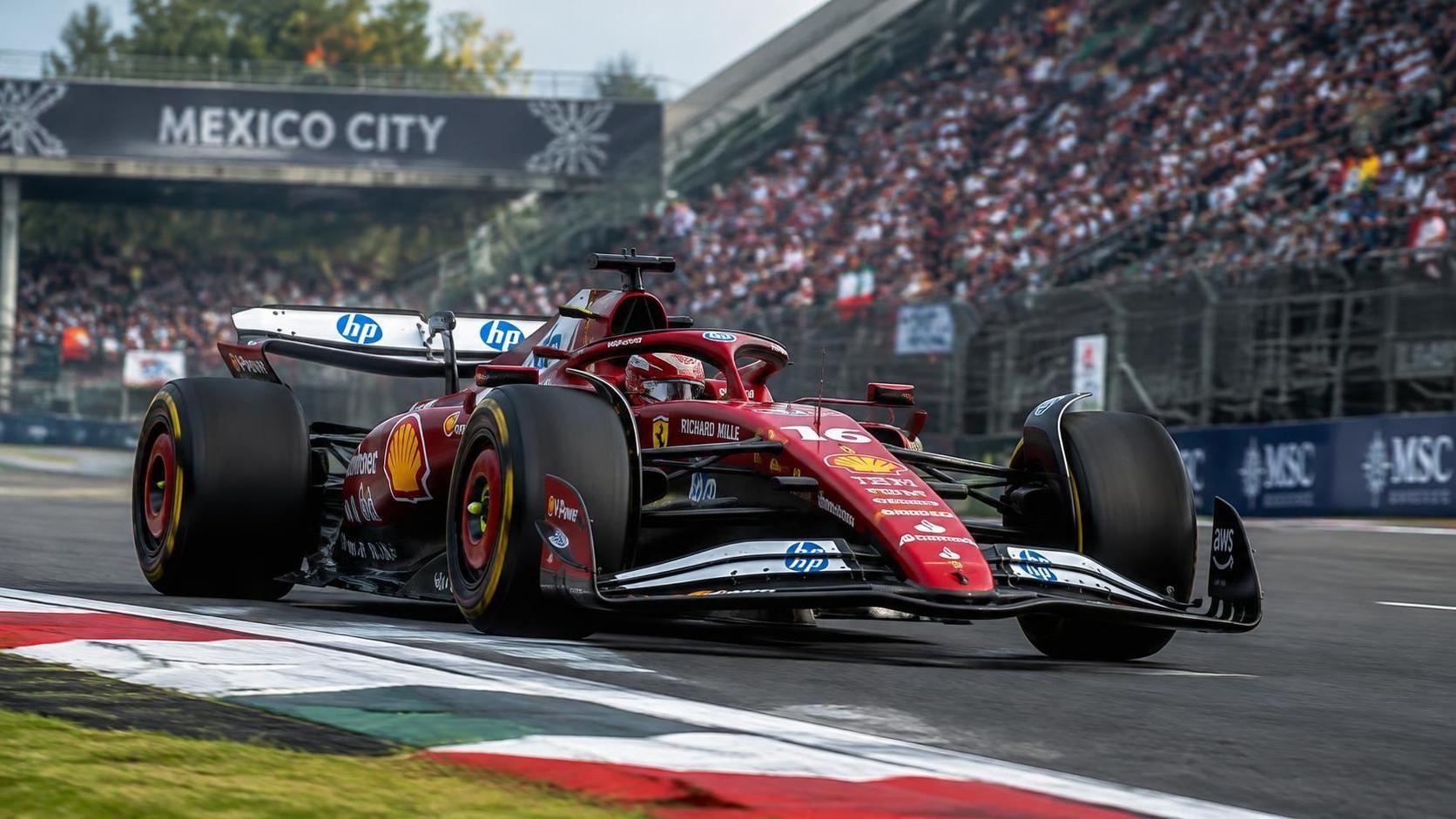
Ferrari has found encouraging evidence that its engine upgrade can make a difference where altitude magnifies every compromise. The gain is not a dramatic jump in raw output, but a more controlled relationship between combustion, electrical energy and tyre use. If that consistency survives the sharper demands of qualifying and the race, Leclerc’s Friday pace may prove to be more than a striking first impression.