

Turkey is bringing Istanbul Park back to Formula One in 2027. The track’s layout will stay intact, including its fearsome Turn 8. The real test is whether the Turkish Grand Prix can match its racing heritage with a better experience for fans.
Istanbul Park’s return offers a rare blend: a global city on the calendar and a race circuit that drivers have long respected. As Formula One balances glamorous street races with venues built for wheel-to-wheel racing, Turkey is betting that the old-school layout still has a place in the sport’s future.
The five-year deal gives organisers until 2031 to make that case. Eren Uclertopragi, president of the Turkish Automobile Federation (TOSFED), says the aim is not to turn Istanbul into another temporary spectacle, but to bring its facilities and fan operations up to modern standards. That is the promise behind this F1 classic’s track return: preserve the racing, rebuild the event around it.
For more paddock news and circuit updates, follow F1 News and the latest from LAS Motorsport.
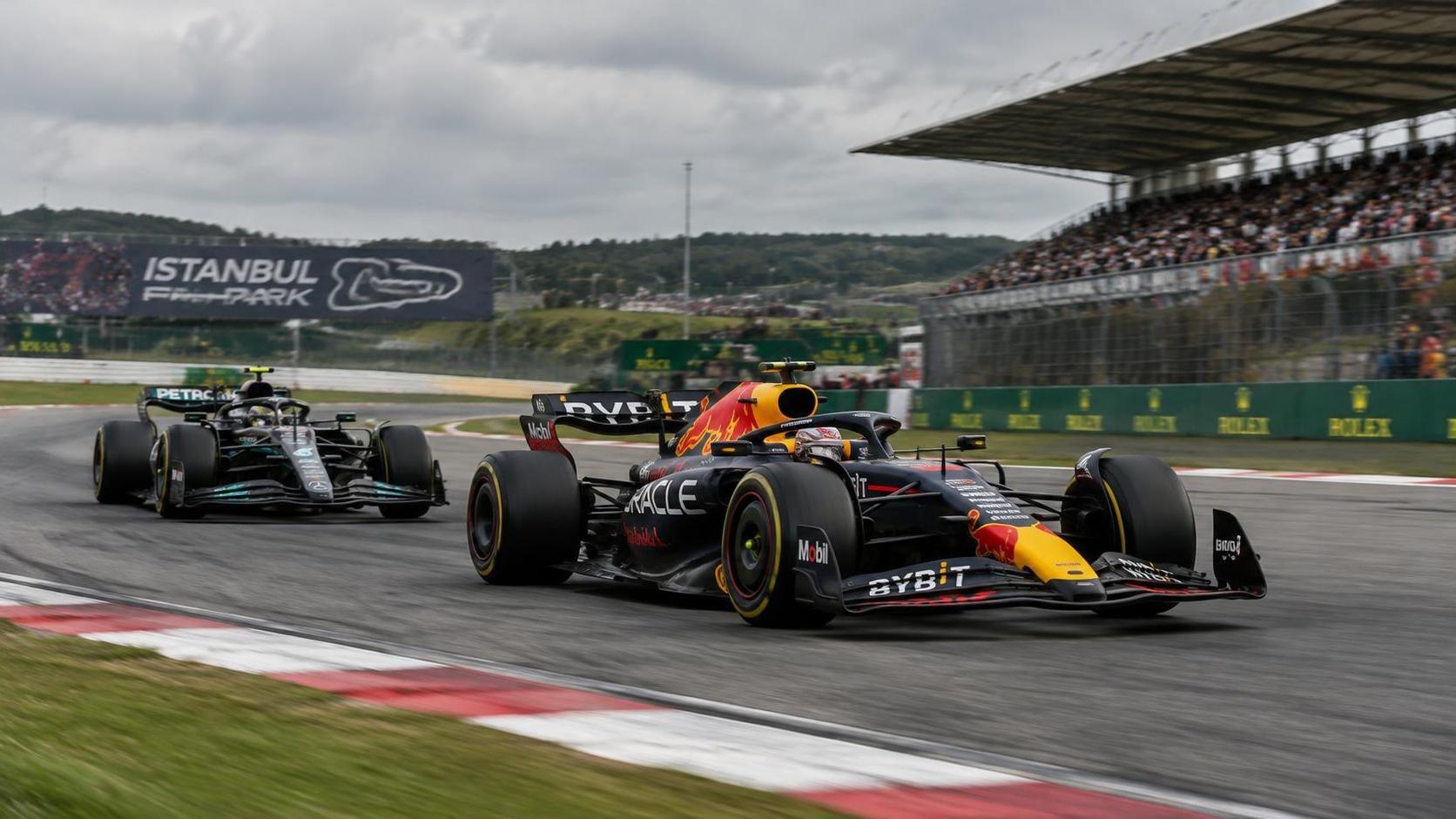
Istanbul Park’s F1 return keeps the famous Turn 8
The circuit’s defining challenge is not going anywhere. Istanbul Park’s layout will remain unchanged, preserving the long, loaded Turn 8 that made the venue a favourite among drivers and fans. That decision gives the Turkish Grand Prix a distinct identity in a calendar increasingly shaped by purpose-built street events.
Uclertopragi sees room for both types of race. Modern destinations such as Madrid bring commercial reach, he argues, while established tracks like Istanbul, Monza and Silverstone carry the character that longtime followers seek. The F1 revival only works if the spectacle does not come at the expense of the racing itself.
The track has a vivid history to draw on. The inaugural Turkish Grand Prix took place in 2005, while the rain-hit 2020 race became memorable for slippery asphalt and Lewis Hamilton securing his seventh world title. That contrast captures both Istanbul’s appeal and the practical problems organisers must now solve.
Turkey plans major upgrades for fans and facilities
TOSFED will oversee the circuit and act as promoter, a change Uclertopragi says should put decisions closer to the people responsible for delivering them. Plans include expanding the paddock, modernising infrastructure, improving hospitality and covering more grandstands. Organisers also aim to double capacity, a major step that will require careful crowd planning.
Access has troubled previous editions, with traffic delays frustrating fans before and after the race. New incoming and outgoing roads are intended to improve the flow, while dedicated fan zones should give visitors more to do beyond watching the cars. The test is whether those changes make the whole race weekend work as smoothly as the track.
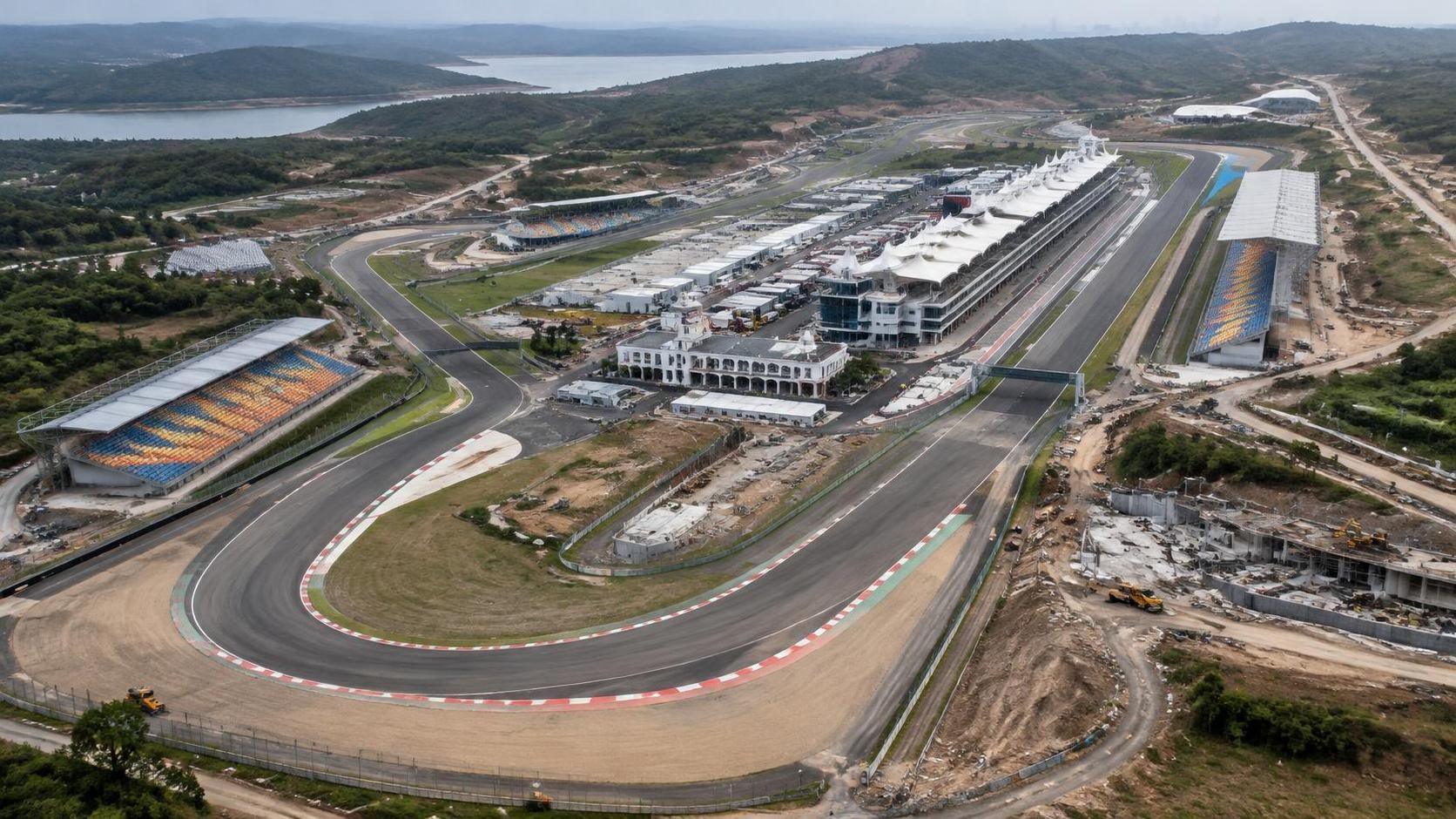
The circuit surface needs equal attention. Drivers criticised the low grip during recent visits, especially in 2020, when rain exposed the problems with freshly applied asphalt. TOSFED says it is working with the FIA and circuit specialists, and does not currently plan to replace the tarmac before the return.
Can the Turkish Grand Prix stay beyond 2031?
Organisers plan to host experience events at Istanbul Park for at least 30 weeks a year, then bring national and international races back before Formula One arrives. Regular track activity should help crews assess grip and keep the surface familiar, rather than leaving drivers to discover its character during a Grand Prix weekend.
The contract covers five years, but TOSFED wants a longer stay. That will depend on delivering the promised facilities, access and fan experience—not simply relying on Turn 8’s reputation. If Turkey can make the venue work for spectators as well as drivers, Istanbul’s racing heritage could become a durable part of the modern Formula One calendar.