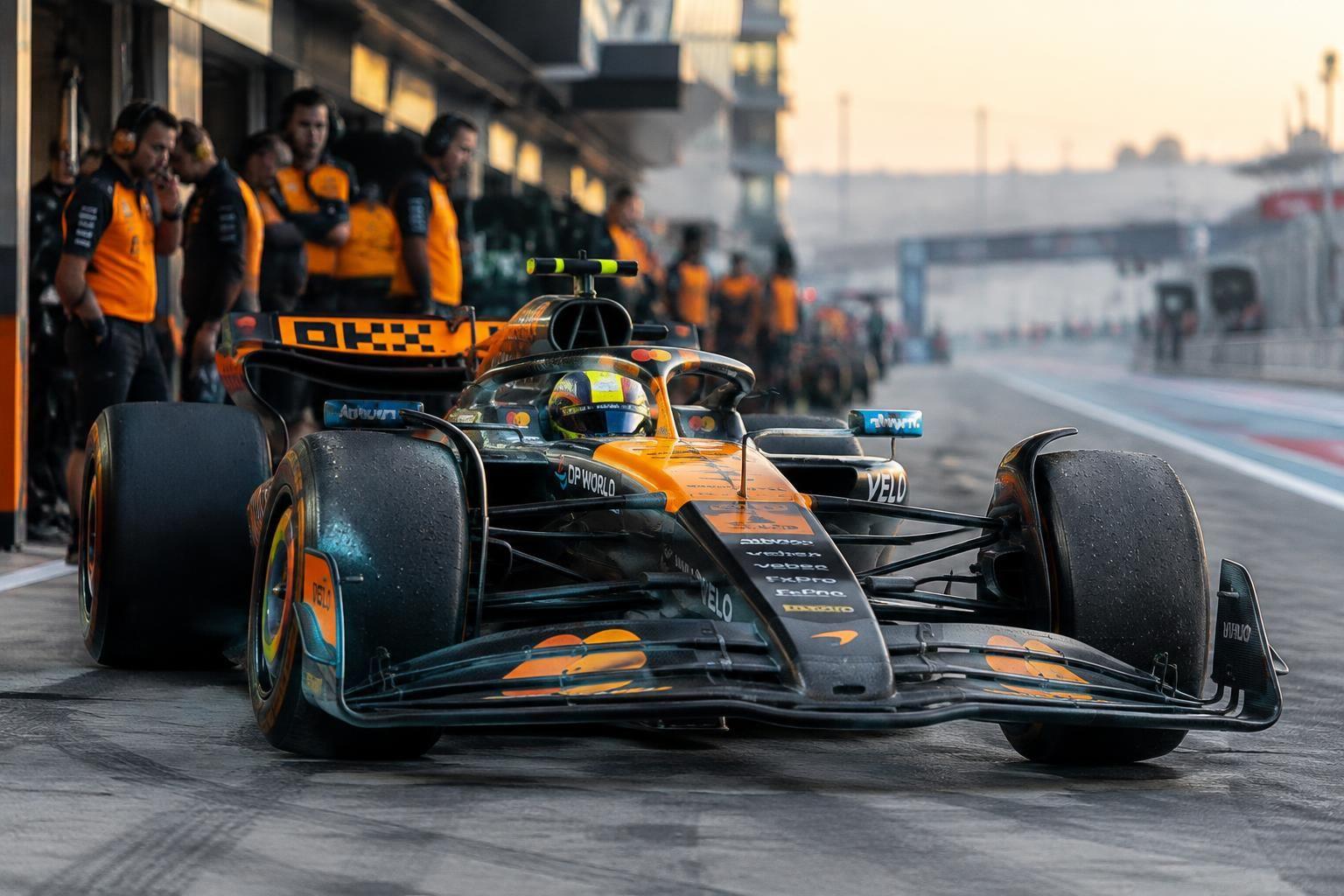

McLaren’s 2026 wake-up call. The recovery stalled. Andrea Stella is targeting 2027 glory.
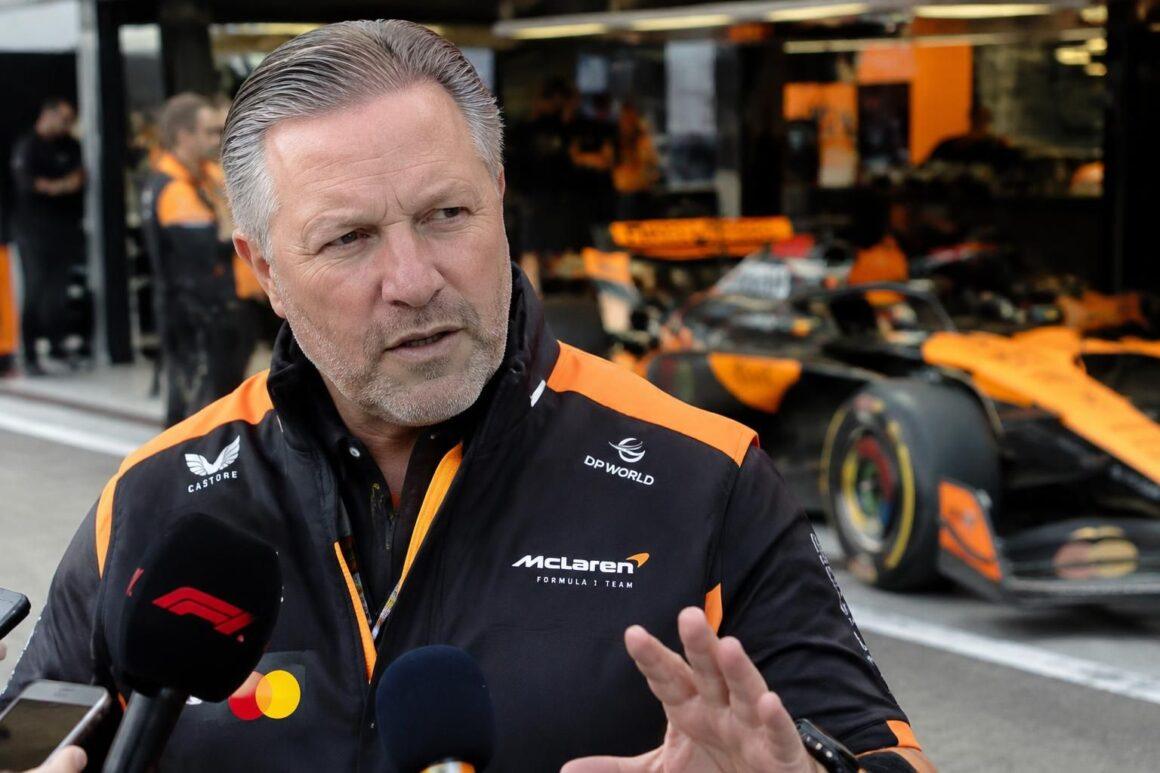
McLaren’s difficult 2026 Formula 1 campaign has exposed a development deficit that even a mid-season rise to the technical benchmark could not erase. The team improved, then watched rivals move ahead again, before returning to the front at the Brazilian Grand Prix. Andrea Stella says the causes are now clear: a late start on the MCL40, the demands of the 2025 title fight and the complications of entering a new power-unit era as a Mercedes customer. He believes the season lessons can shape a stronger 2027 push. For Lando Norris, Oscar Piastri and their engineers, the target is a competitive comeback built on better preparation, not hope.
Stella told Autosport that McLaren began the season around three months behind in development, a gap the team had identified through its 2025 trends rather than inferred from lap times. Its upgrades worked, he argued; the problem was that rivals made gains too. The distinction matters: the MCL40 moved forward, but not quickly enough to close the original deficit or sustain a team resurgence.
Lando Norris’s search for a breakthrough offers a glimpse of the pressure that accompanied the recovery effort.
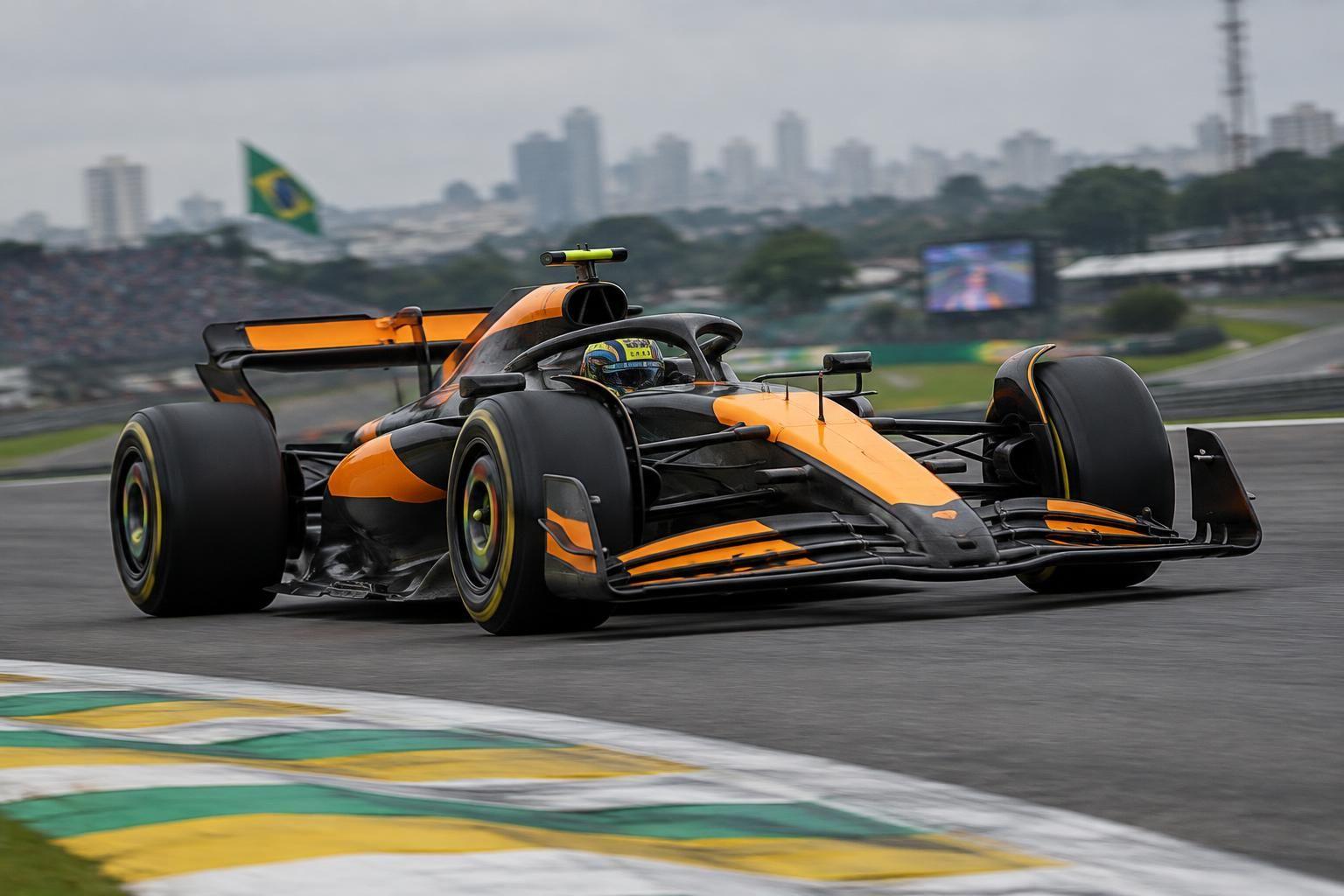
McLaren’s delayed 2026 development and the Mercedes power-unit gap
The roots stretch back to the previous campaign. McLaren intended to shift resources gradually towards 2026, but Red Bull’s late-season resurgence kept pressure on the MCL39. At the same time, the team had to manage the title ambitions of both Norris and Piastri, balancing the race for points with the working environment needed to build the next car.
Stella described 2025 as the hardest season of his 26-year Formula 1 career, citing technical and operational demands alongside internal management. That workload slowed preparations, while a new power-unit formula raised the stakes of engine integration and energy deployment. McLaren had to learn how to optimise its Mercedes package while the works team had earlier access to parts of the development process.
The disadvantage showed up in details with direct lap-time consequences. Gear ratios had been set using power curves that did not fully match those seen on track, and McLaren needed to develop equivalent optimisation tools after some Mercedes software remained proprietary. In Baku, the car could not deploy all its battery energy from the final corner to the end of the main straight; in Melbourne, a suboptimal setting hurt energy management, while reliability trouble kept both cars from starting in China.
Those examples explain why upgrades at Miami and Hungary produced gains without restoring consistent winning pace. Each change added performance, but competitors kept developing too. Stella also rejected the idea that the Baku update itself sent the car backwards: the relevant measure, he said, was progress against rivals, not the team’s isolated numbers.
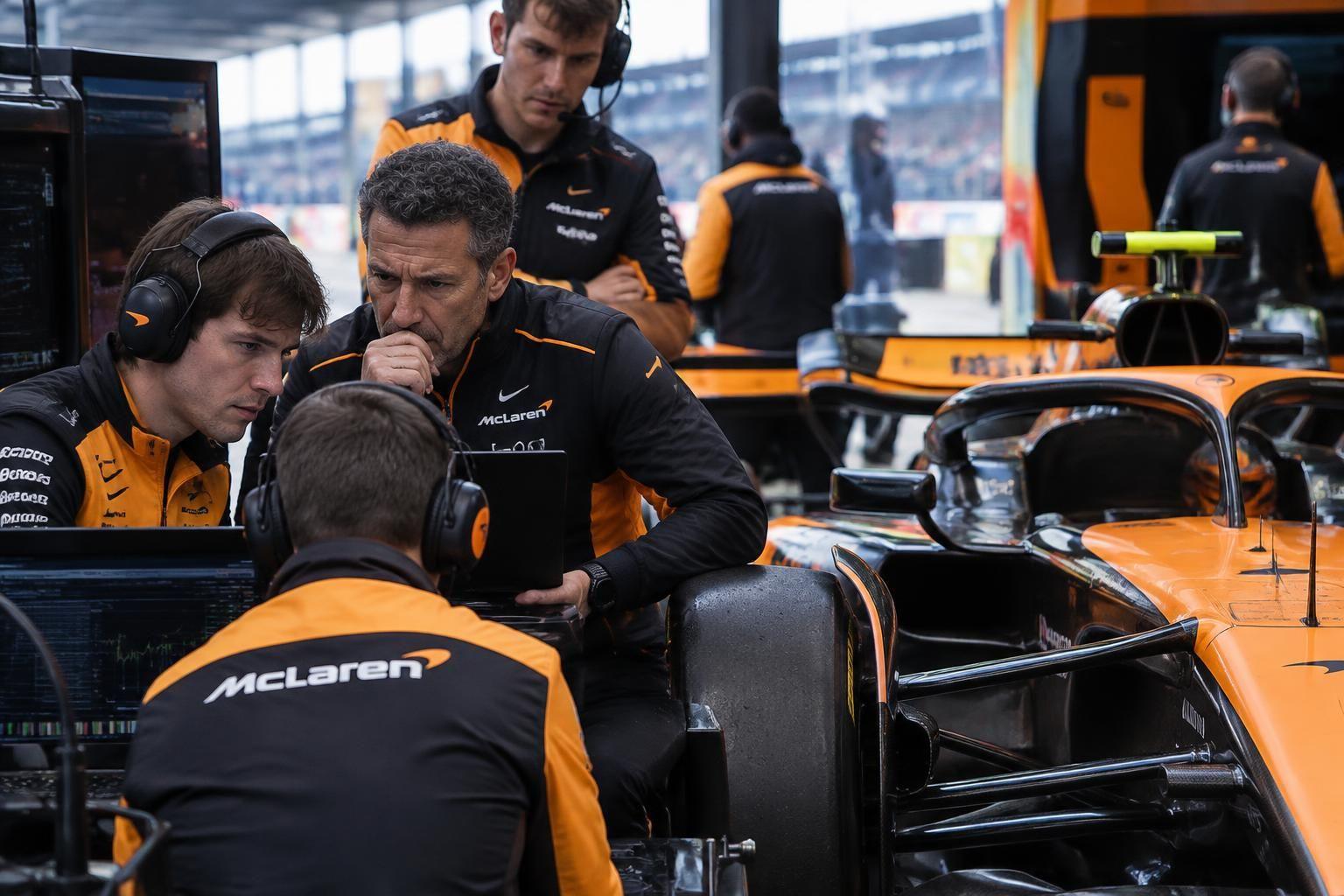
McLaren’s 2027 championship ambitions depend on what it learned
Stella’s optimism rests on a practical change: McLaren expects full access to the power-unit optimisation capabilities it lacked at the start of 2026. The team has also gained a clearer understanding of the engine’s behaviour, cooling requirements and integration, reducing the chance that basic calibration issues will dictate its race strategy next season.
The leadership team should also have more room for technical work after a less demanding title-management year. That gives the 2027 car a cleaner runway, though the rivals will not pause their own performance development. The challenge is to turn hard-won knowledge into pace from the opening rounds, rather than spend another season chasing a moving target.
Stella pointed to McLaren’s two consecutive constructors’ championships as evidence of the team’s development rate, and dismissed third or fourth place as a satisfactory destination. The championship ambitions remain explicit: return to the front and stay there. The 2026 campaign has made the route less mysterious, but only execution will decide whether those season lessons become a genuine competitive comeback.
Oscar Piastri’s commitment to McLaren gives the team continuity as it builds towards that next challenge.