
Red Bull has taken a bold step by introducing a new wing design evidently inspired by Ferrari, stirring interest across the Formula 1 paddock. After showing signs of struggle early this season, Red Bull is targeting a performance rebound, and their adaptation of the so-called “macarena” rear wing concept could prove to be the technical gamble that sharpens their aerodynamic edge. This move highlights a fascinating turn in the relentless engineering duel between the two powerhouses, with Red Bull shifting gears to maybe unlock fresh gains in downforce and airflow management.
Red Bull’s Wing innovation
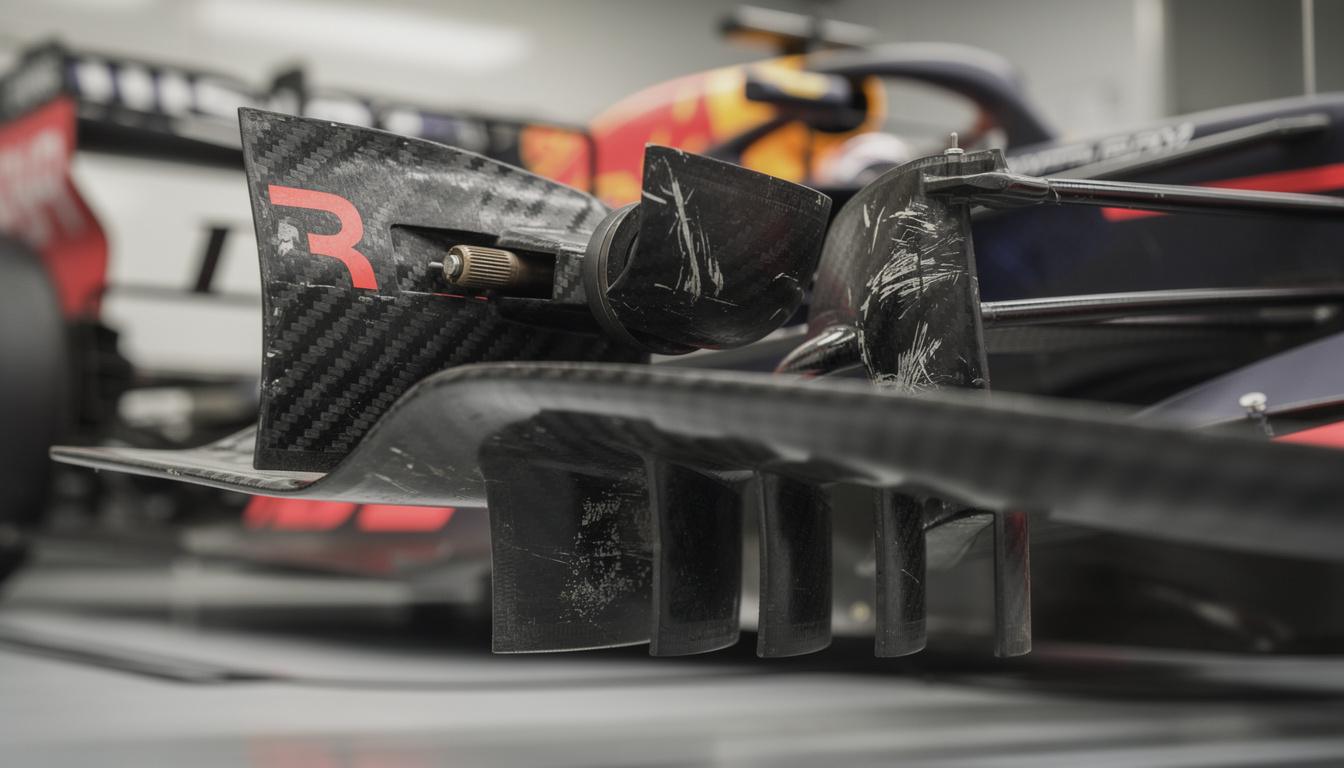
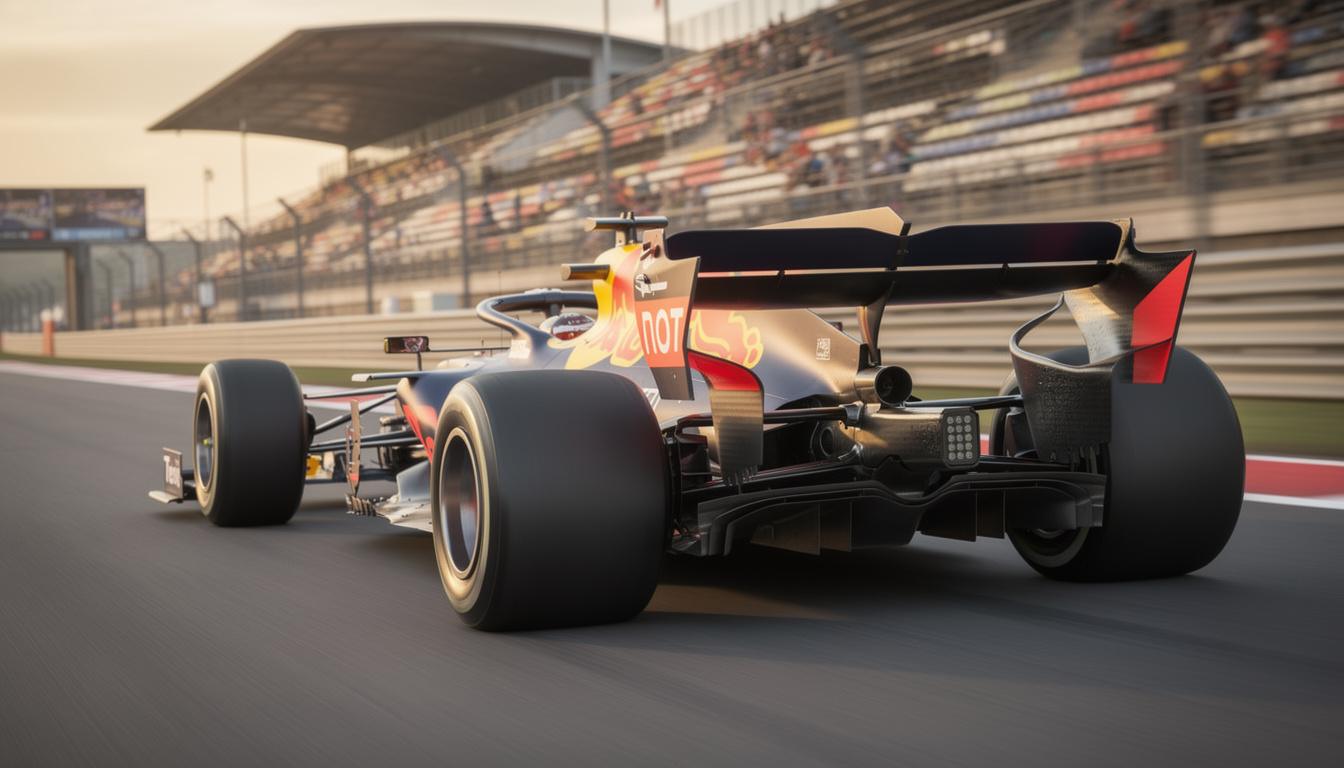
The RB22’s updated rear wing represents a tactical shift for Red Bull, which has long been regarded as the benchmark for aerodynamic innovation. Introducing the “macarena” wing after a filming day with Max Verstappen at Silverstone, the team was visibly testing the updated aerodynamic package under controlled conditions. This evolution seems driven by the unmistakable influence of Ferrari’s SF-26, which deployed a similarly styled rear wing in recent Grand Prix weekends before selectively shelving it.
Where Ferrari’s experiments with the SF-26’s wing featured integration within the endplates, Red Bull’s system uses a central actuator mechanism, possibly offering a different balance between downforce and drag. The inclusion of additional winglets aims to further manage airflow and reduce the chaotic vortices that sap performance on straights and through corners. A daring step, this adaptation signals Red Bull’s readiness to absorb competitive ideas while fine-tuning them to their own needs.
Aerodynamics and engineering behind Red Bull’s new wing
The engineering brains at Red Bull have clearly dissected Ferrari’s wing concept, translating its principles into their own aerodynamic language. The central pillar performing the wing actuation contrasts with the SF-26’s endplate-embedded mechanism, suggesting differences in how Red Bull balances wing flex and stability. Such nuances in the rear wing layout impact not only drag reduction but also the distribution of downforce, which directly affects tyre wear and car handling.
Extra winglets on the endplates are another clever touch, likely designed to tame turbulent airflow streaming from the rear wheels. This aims to generate cleaner air and reduce aerodynamic losses around the car’s back end — critical factors on circuits demanding rapid straight-line speed. Considering Red Bull’s pedigree in aerodynamic research, these tweaks might provide incremental yet race-defining improvements.
Championship Stakes and What Lies Ahead in the 2026 Formula 1 Season
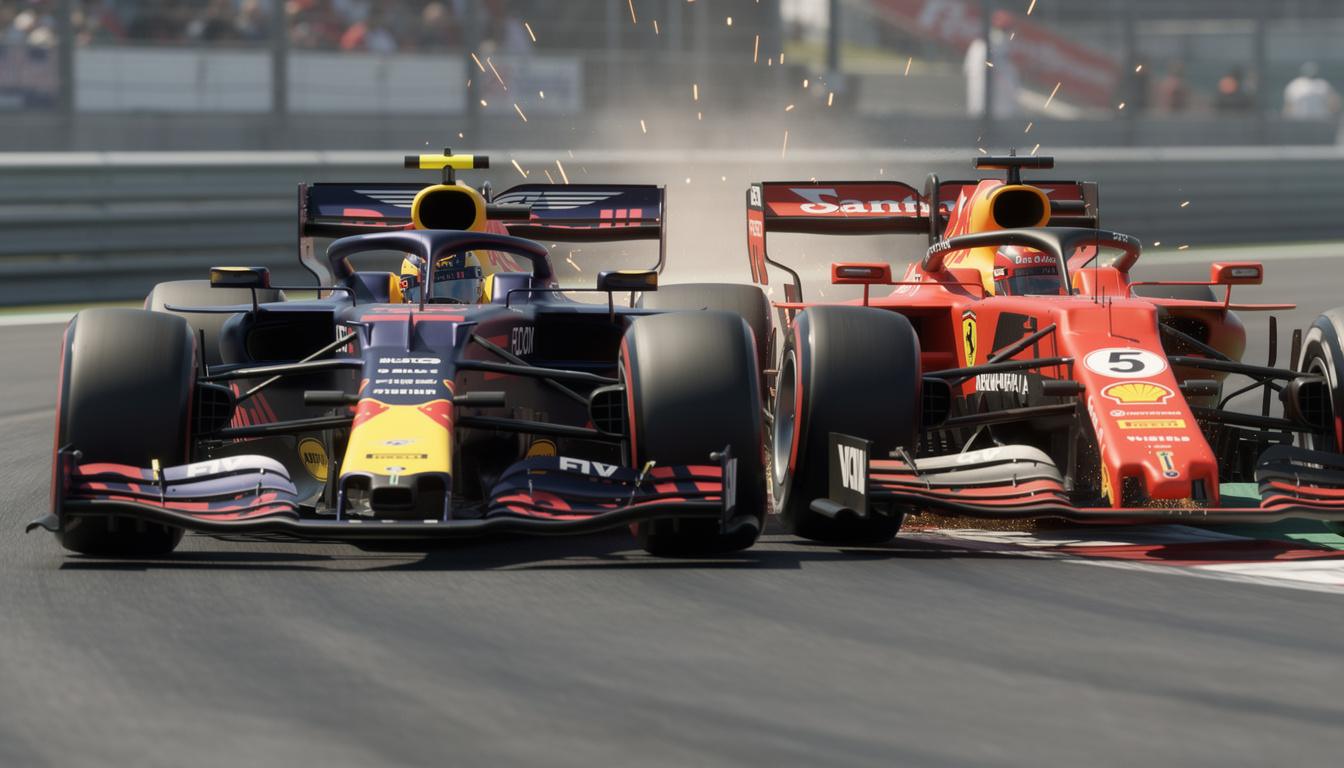
Red Bull’s new wing move arrives at a crucial phase as the team seeks to close the performance gap with Ferrari and other top contenders in the fiercely competitive 2026 season. Following a rocky start, this aerodynamic development may help re-establish Red Bull’s hold on the Constructors’ and Drivers’ battles, especially with Max Verstappen pushing aggressively for race wins and championship points.
The effectiveness of this wing design will become clear as the RB22 hits the track during upcoming races, potentially as soon as the Miami Grand Prix. Ferrari’s earlier attempts with the “macarena” wing showed moments of promise but also revealed challenges in consistency—pointing to the high-risk, high-reward nature of such technical innovation.
How Red Bull manages to integrate this design with their suite of upgrades amidst the relentless arms race for performance could shape the unfolding championship narrative. Fans eager for tight battles and strategic ingenuity can look forward to gripping on-track action at every round. For in-depth coverage of ongoing developments in the sport, explore LAS Motorsport’s F1 News portal and keep pace with all the twists and turns of the 2026 season.