
DRS could return to Formula 1. Push-to-pass is also under review. The FIA is reshaping overtaking for a new era.
The FIA is weighing a return for DRS as Formula 1 prepares its next power-unit regulations, with a combined aerodynamic and electrical overtaking package now under study. The framework announced last week points to a 2.1-litre turbocharged V8 and a much smaller electrical contribution than today’s hybrid units, but the rules for passing remain open. That leaves the governing body with a familiar problem: how to help cars attack without turning the run to a braking zone into a simple boost-powered fly-by.
For 2026, active aerodynamics and straight-mode zones made conventional DRS redundant, prompting the FIA to introduce overtake and boost modes instead. Those systems reflect the complexity of the current regulations; the next cycle aims to simplify energy management and restore a clearer role for race strategy. The technical debate now centres on whether electrical push-to-pass can deliver close racing alone, or whether a proven F1 device should return alongside it.
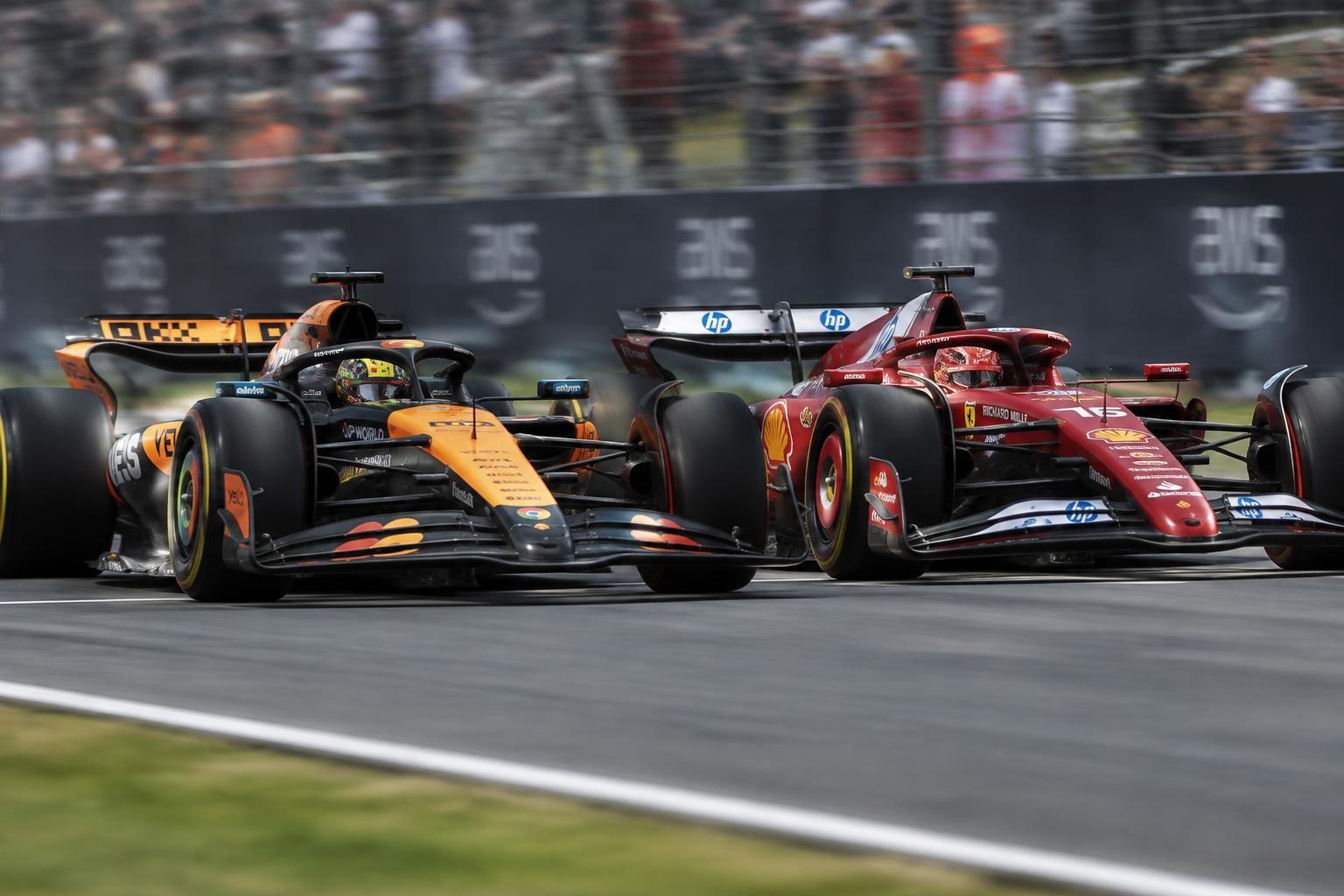
FIA studies DRS return alongside push-to-pass
Nikolas Tombazis, the FIA’s single-seater director, says engineers are running simulations to assess overtaking and close racing under the next ruleset. Straight-mode zones will disappear, removing the system that opened front and rear wings for every driver and crowded out DRS as an overtaking aid.
The electrical output in race conditions is expected to focus more on attacking and less on energy recovery. Under the initial proposal, the system could deliver up to 200kW: 100kW for regular use and another 100kW reserved for push-to-pass. The FIA is still weighing options, including whether drivers receive a fixed allocation of boost time or use a different format.
How the new F1 device could shape overtaking
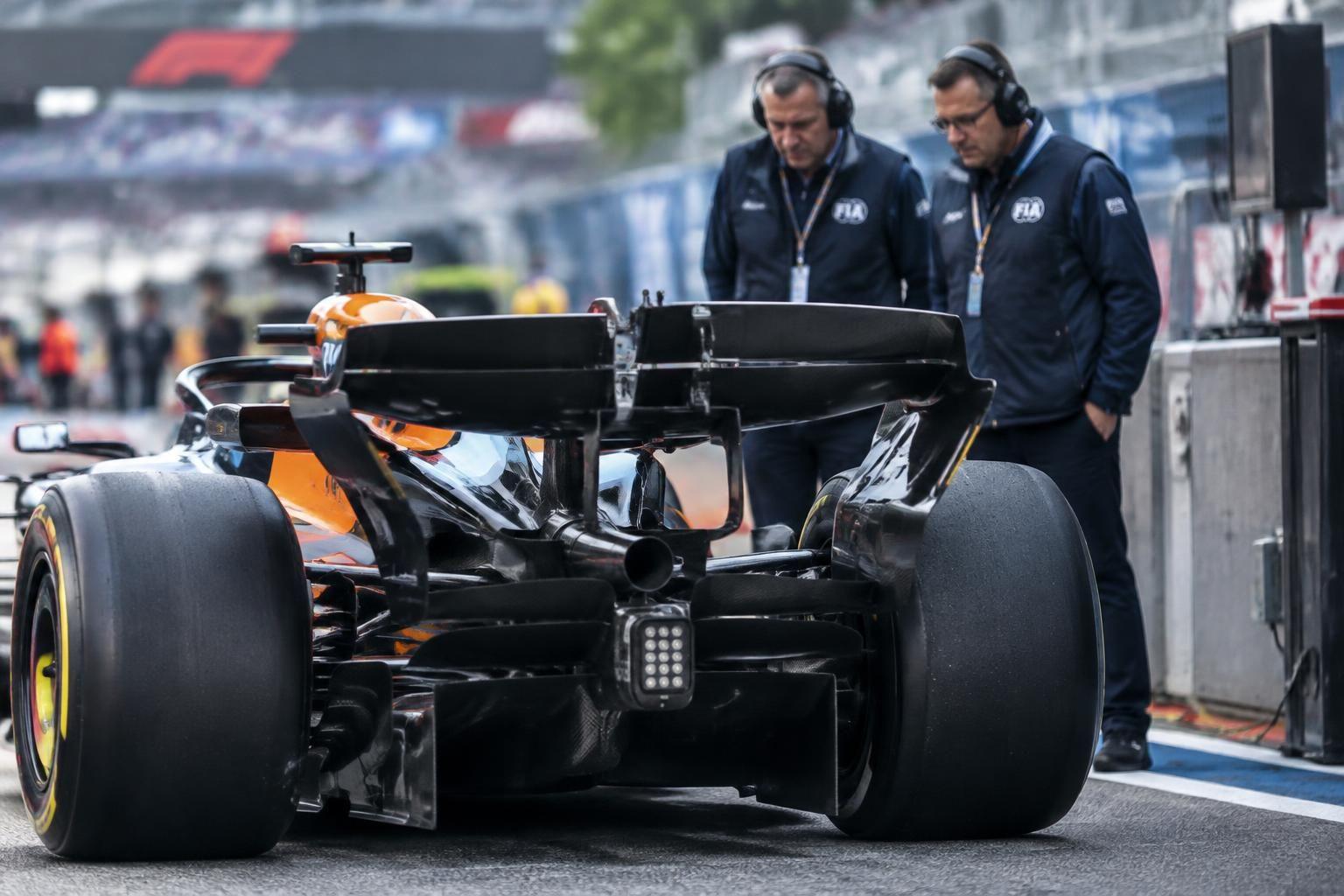
Pairing electrical boost with DRS could give the FIA two controls to tune: extra power on the straight and reduced drag from an opening rear wing. The aim is not simply to help a chasing car draw alongside; officials want attacks to carry into the braking zone, where both drivers can still contest the corner.
DRS is a known tool, Tombazis says, so the question is whether the next regulations need it and how much assistance it should provide. That calculation matters because a boost that overwhelms the car ahead can flatten the fight, while too little support risks leaving drivers stuck in a queue. The lingering effect of DRS trains offers a useful reminder of how one device can shape a whole race: why DRS trains still matter.
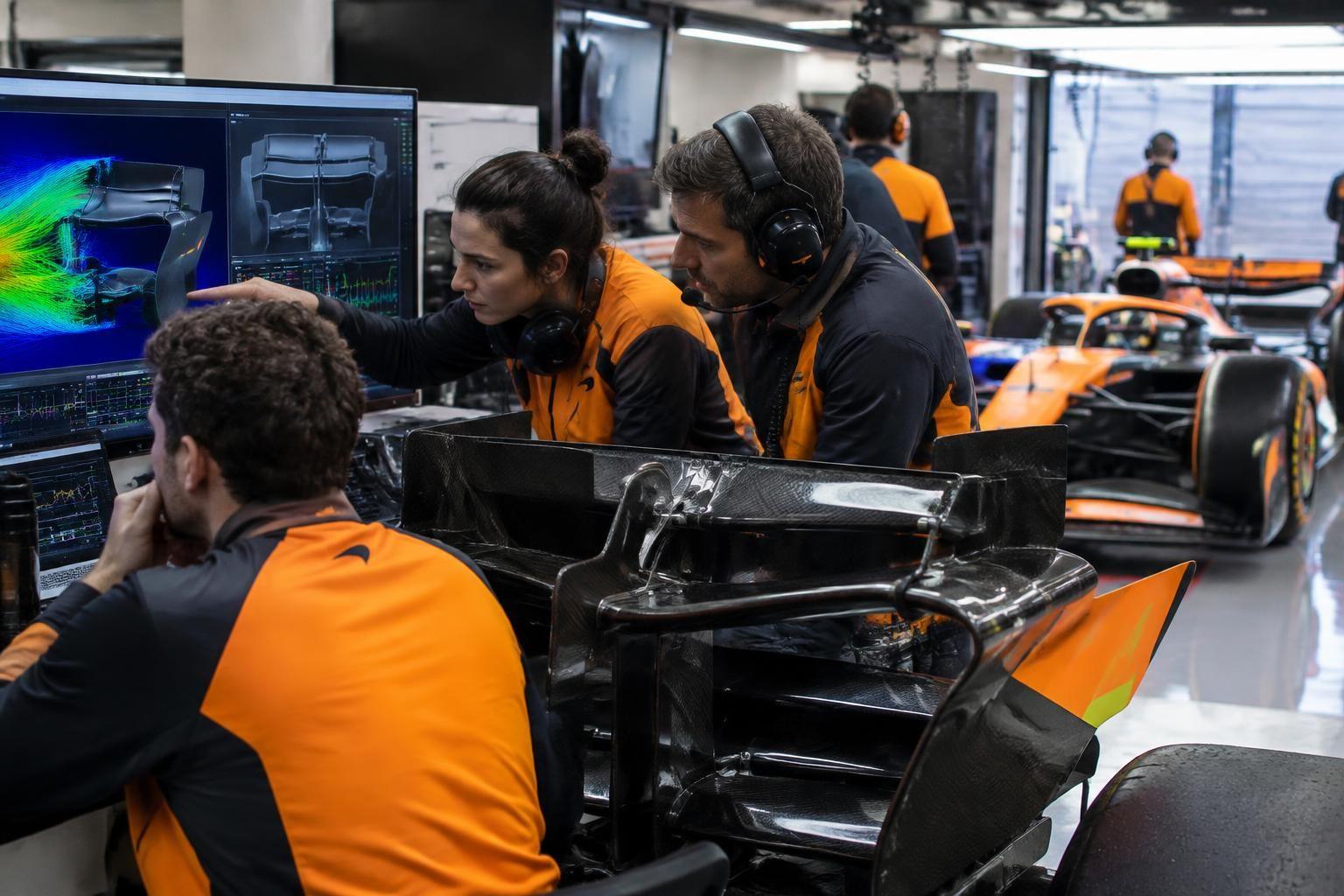
What Formula 1’s next regulations mean for race strategy
A combined system would change how drivers spend electrical energy and choose their attacks. If the FIA reserves part of the output for push-to-pass, teams must balance deploying it to gain track position against keeping enough energy for defence or a later move. The details will shape not only passing, but the tactical calls made from the pit wall.
The comparison with other categories is instructive: Formula E already places electrical energy at the heart of its racing, while F1’s proposed approach would add that tool to a different aerodynamic package. The contrast in racing technology shows why power alone cannot dictate the answer. The FIA wants cars to arrive at corners side by side, not sail past without a fight.
No decision has been confirmed, but Tombazis has made clear that DRS and push-to-pass could coexist. Simulations will determine the balance before the new power-unit era arrives; for now, the FIA is keeping both tools on the table as it tries to make the next generation of Formula 1 racing quicker without making overtaking automatic.