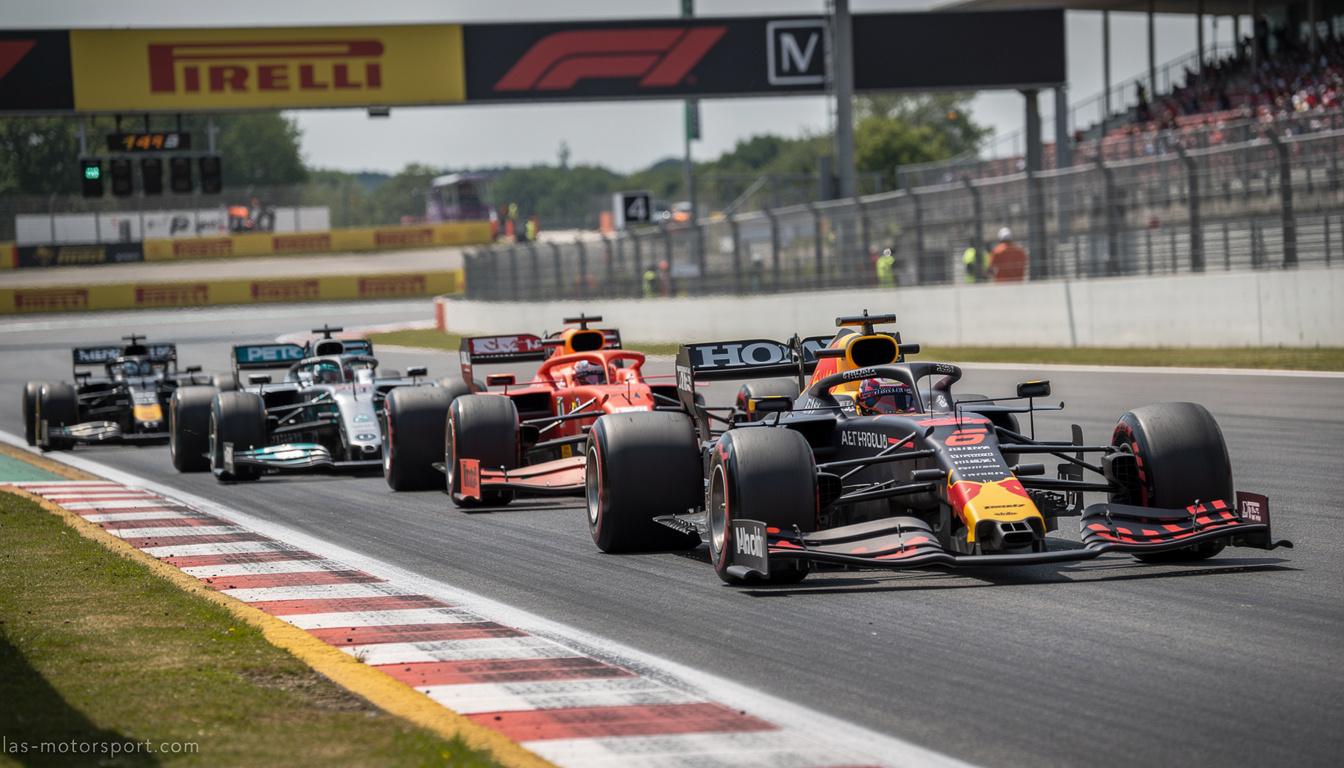

Formula 1’s 2026 technical regulations introduced sweeping changes aimed at redefining race dynamics. Among the most talked-about adjustments was the complete removal of the traditional Drag Reduction System (DRS).
Initially hailed as a decisive step to spice up overtaking with more mechanical and aerodynamic battles, the new system promised to reduce aerodynamic drag without its predecessor’s limitations. Yet, despite trading the old DRS for active aero wings that open in designated zones to cut drag, the DRS train effect—a phenomenon where groups of cars travel closely aligned at similar speeds—still emerges. This unexpected carryover raises fresh questions about how aerodynamic innovation influences slipstreaming, race strategy, and ultimately on-track overtaking in the modern era.
The evolution of drag reduction and the persistence of DRS train effects in Formula 1
After more than a decade with the DRS flap opening only when a trailing driver was within a second of the car ahead, the 2026 regs scrapped this conditional limitation. Instead, both the front and rear wings of F1 cars open simultaneously in specific track zones to reduce drag and boost top speed, accessible to all drivers every lap. The reasoning was tied to the new power unit formula, where the diminished thermal output called for aero solutions to keep straight-line velocity intact.
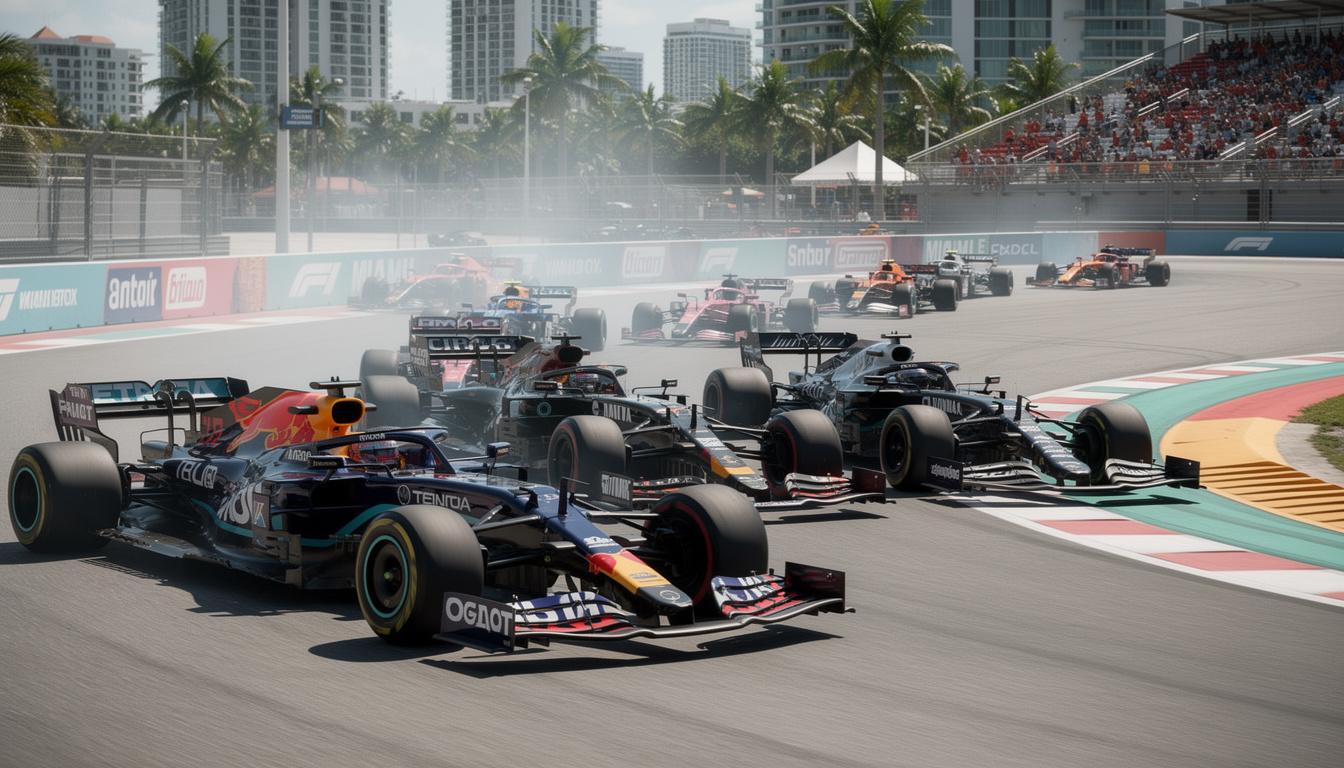
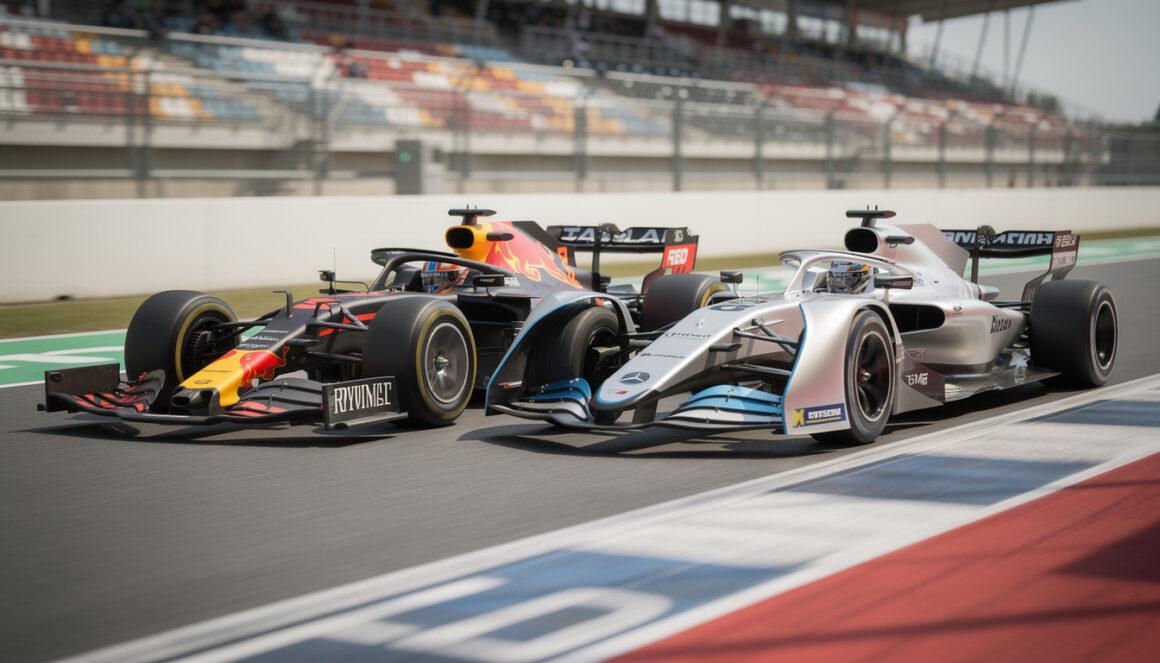
But at circuits like Miami, this new mode has ironically birthed packs of cars locked in tight formations echoing the old “DRS train.” Instead of isolated battles, groups find themselves cruising at comparable speeds, minimizing overtaking opportunities. Carlos Sainz sharply highlighted this during post-race discussions. He drew direct parallels between the 2026 system and the notorious slipstream trains caused by the traditional DRS setup, noting this dynamic can irreversibly shape race strategy when surpassing the car ahead becomes practically impossible in the drag-reduced zones.
This echoes previous aerodynamic quandaries from Formula 1’s ground-effect era and even from the 2020s when aero turbulence limited close racing. The current system’s uniform accessibility democratizes drag reduction but risks homogenizing field pace, compressing battles into relentless procession rather than genuine overtaking duels. Teams and drivers now face a conundrum – how to capitalise on reduced drag for a straight-line speed advantage without losing the tactical depth of differential racecraft. A driver’s ability to manage positioning, tyre wear, and energy deployment all collide against this backdrop of aero parity that dulls the traditional “slipstream” advantage we expected to see.
Aerodynamic and strategic breakdown of active wing usage and its impact on overtaking
The 2026 aero regulations replaced the tangible DRS flap with an innovative system where teams deploy front and rear wings’ openings in drag reduction zones to unlock speed. This approach, while technically distinct, mimics DRS’s intended effect — slashing drag and allowing for boost passes. But the key difference is its universal deployability. Drivers no longer need to be chasing within a narrow margin to activate the mechanism, which fundamentally shifts race pace dynamics.
Analyzing telemetry from recent races, especially from the Miami Grand Prix, reveals how this system favours sustained packs running within the same top speed range. As a result, slipstreaming in these scenarios becomes a flat-out drag reduction exercise shared among the lead group, blurring individual opportunity for a clean overtake. Teams now rely heavily on alternate tactics like pit-stop strategy, tyre management, and power unit deployment to find edges. The aerodynamic wake—no longer as punishing due to controlled flow turbulence—enables cars to follow closely without crippling loss of downforce, but also without clear speed differentials, leading to the “train” effect.
Carlos Sainz has stressed that while qualifying sessions benefit from this system’s predictability, race conditions tell a different story. He argues that the overtake mode effectively flattens battles on track when the car in front uses the maximum drag reduction. The outcome is often bottlenecking. F1 must tackle this swiftly if its races are to retain the visceral unpredictability fans crave. Also, from a race engineering standpoint, managing wing deployment timing and energy recovery systems within this framework demands fresh ingenuity. This is a scenario akin to mastering the intricate balance of downforce versus drag seen in prior era innovations such as the 2014 nose cone or ground effect systems, documented in the LAS Motorsport technical archive.
Assessing the championship implications and future regulatory challenges from aerodynamic drag reduction
The ongoing presence of the DRS train effect signals a pivotal challenge for Formula 1’s sporting evolution. The FIA’s response will shape the 2027 engine regulations and beyond, especially since the thermal-electric power split is also under revision to reduce electric dominance and bring back more V6 turbo power. These shifts will inherently impact how drag reduction strategies interplay with power delivery.
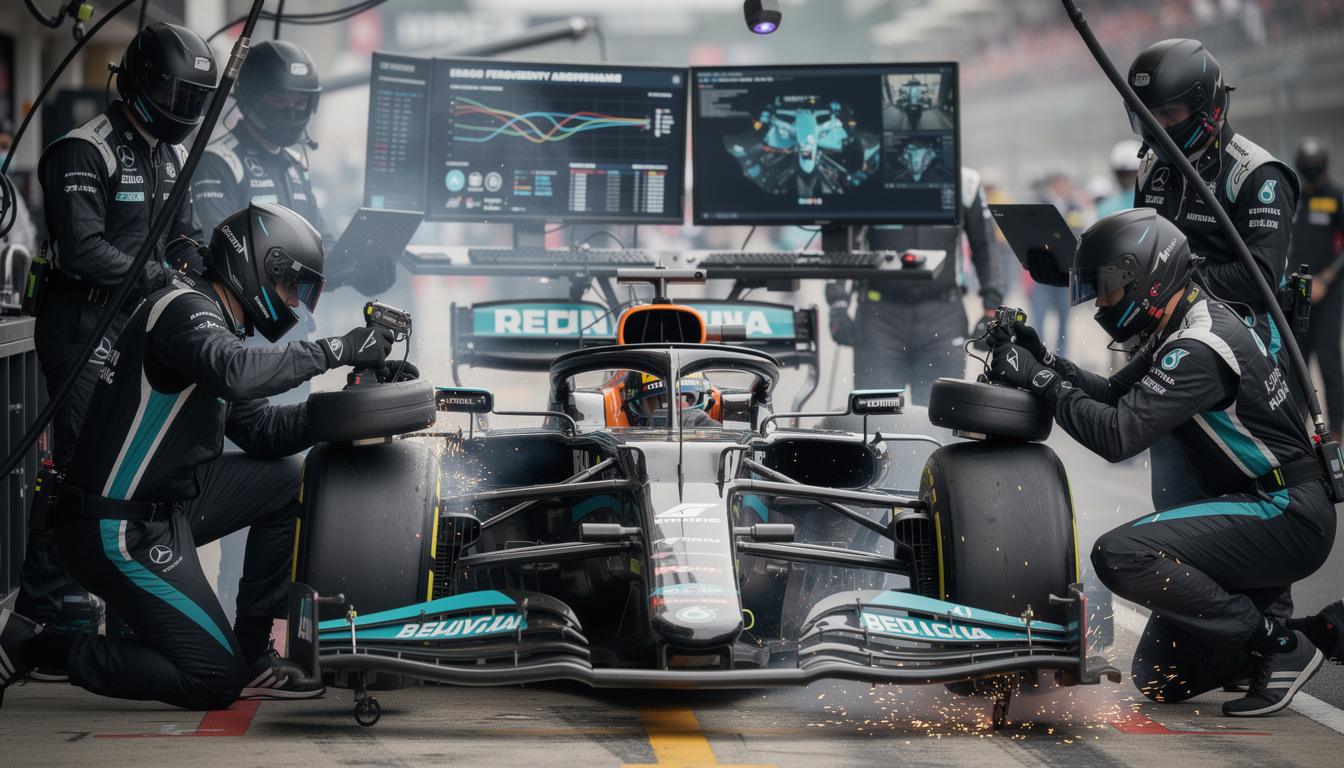
The conversation inside the paddock, notably echoed through spokespeople like Sainz, acknowledges the pressing need to optimise race fairness and excitement. As F1 moves into an era where every lap features universal access to drag cut modes, teams will have to innovate around slipstream exploitation, tyre degradation, and ERS deployment more than ever before. This development preserves some threads of excitement but raises complex questions on race dynamics balance.
Moreover, the FIA recently showcased adaptability at Miami by swiftly responding to weather-related concerns over tyre selections for intermediate conditions, reflecting a collaborative spirit between governing body and teams. As racing tightens, initiatives might include tweaks to aero slot openings or regulated energy injection parameters to better differentiate racing lines and attack windows. Such technical evolution will continue to weave deeply into Formula 1’s aerodynamic fabric, reinforcing the sport’s perpetual quest to blend speed with spectacle.