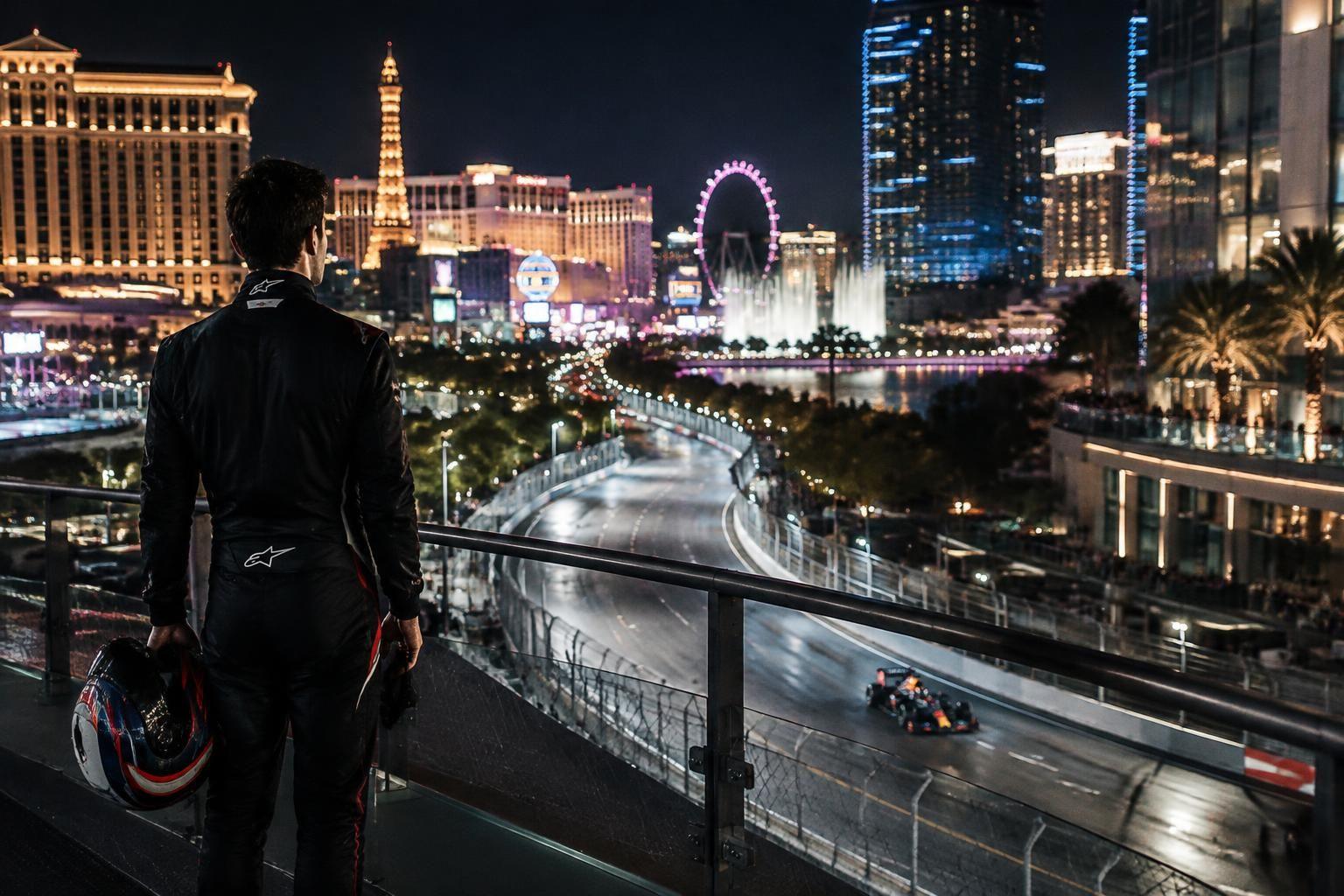

Alex Albon watched Las Vegas from the sidelines — and saw a different kind of F1 race
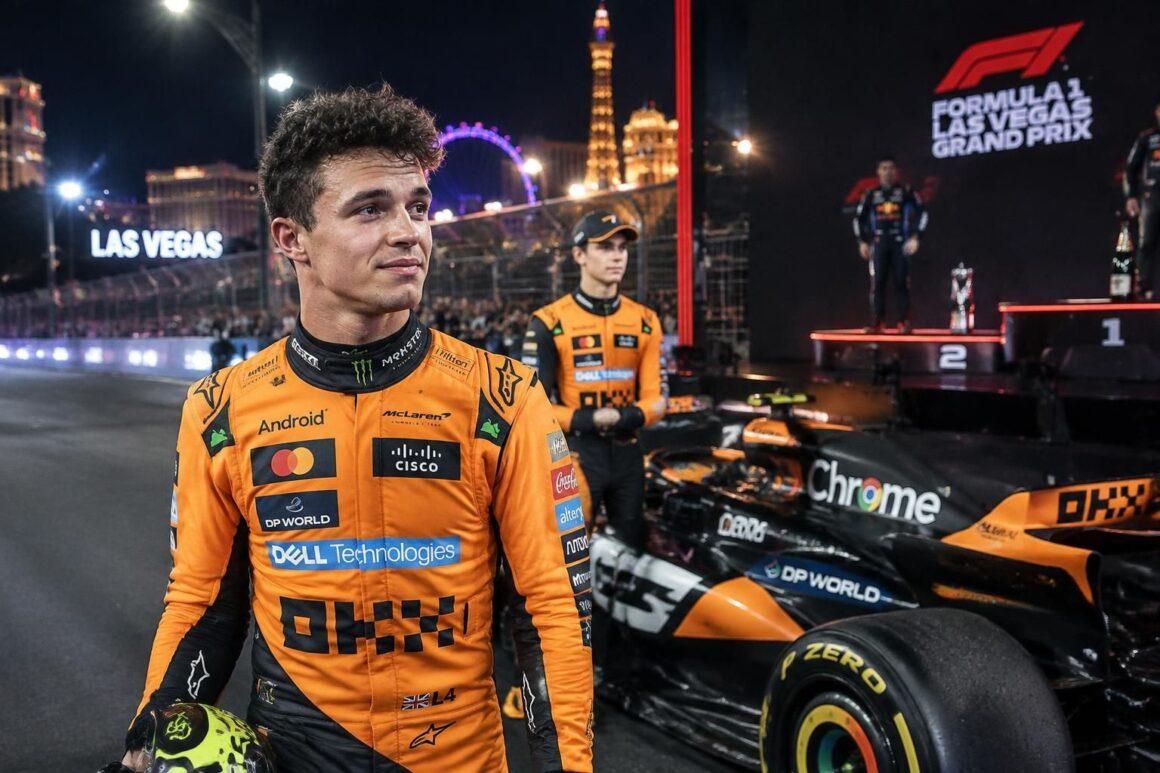
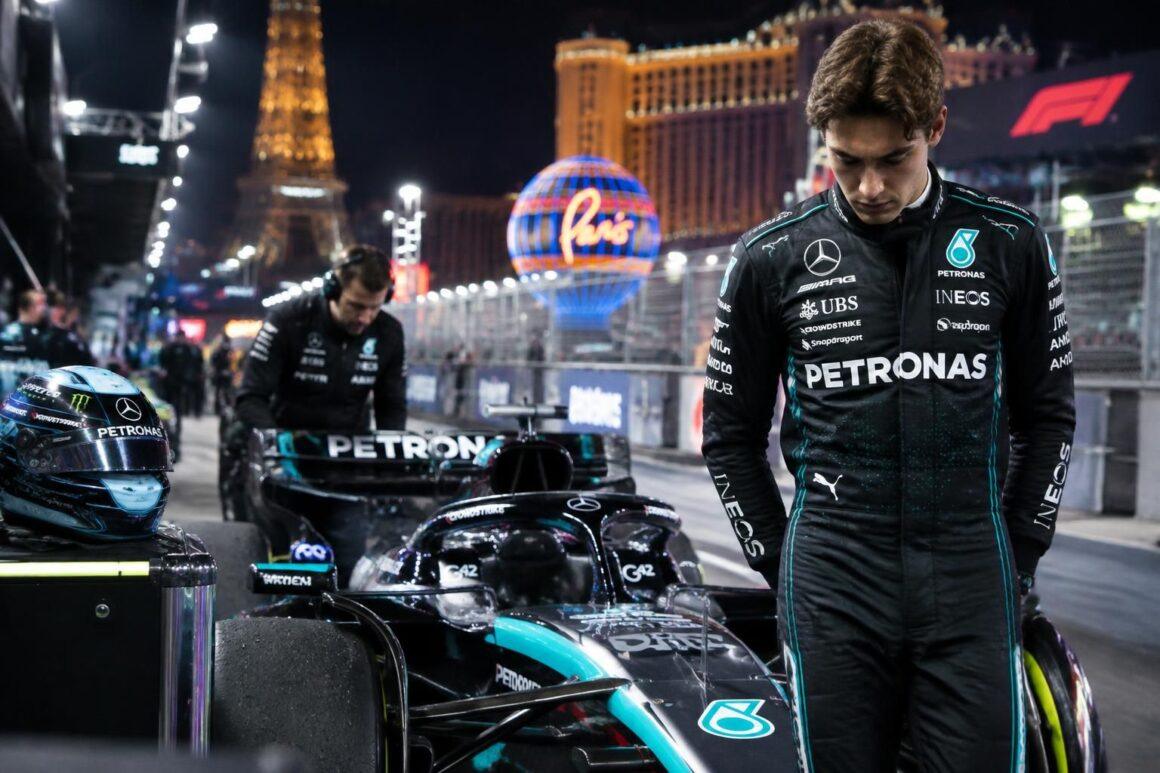
Alex Albon missed the start of the Las Vegas Grand Prix after brake trouble forced his Williams off the grid. From the sidelines, the F1 driver got a unique perspective on a race shaped by the slipstream, energy management and a pack that rarely had room to breathe.
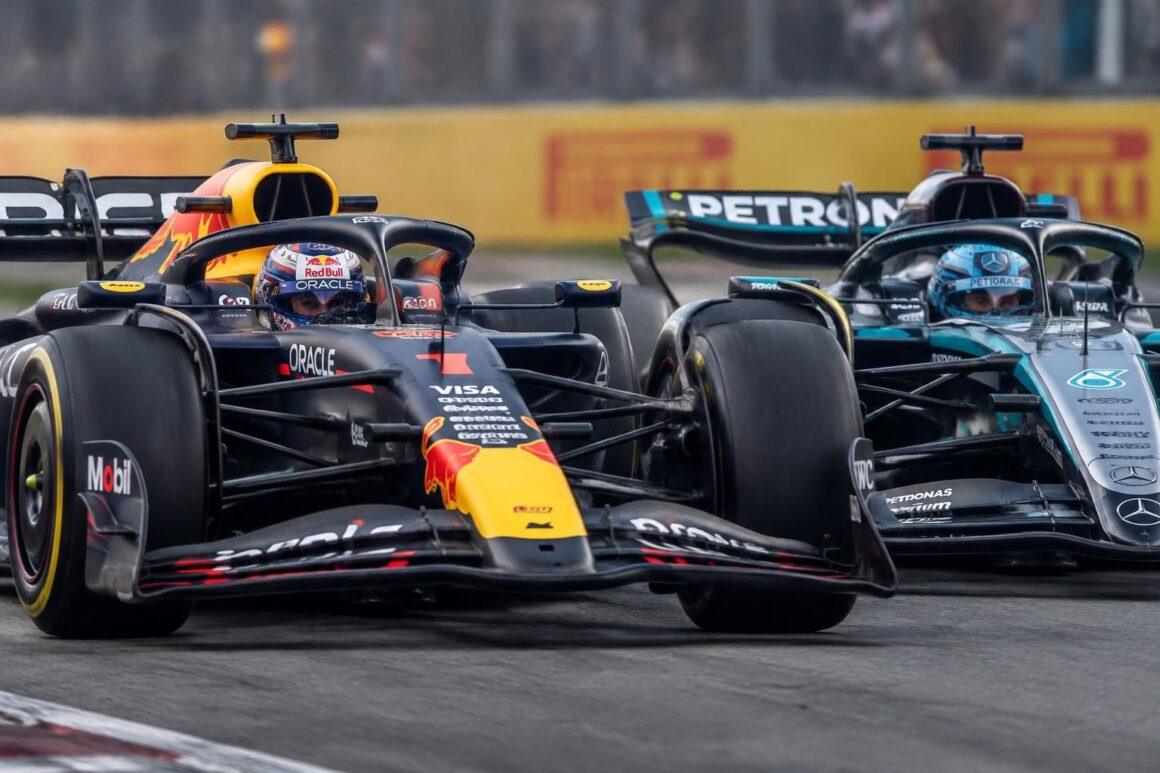
His intriguing take was mixed: the spectacle offered something unusual for television, but the racing lost its appeal for him after four laps. Max Verstappen won after a defensive drive, yet Albon’s driver reaction put the focus elsewhere — on whether a procession of cars trading places is compelling when nobody can break clear.
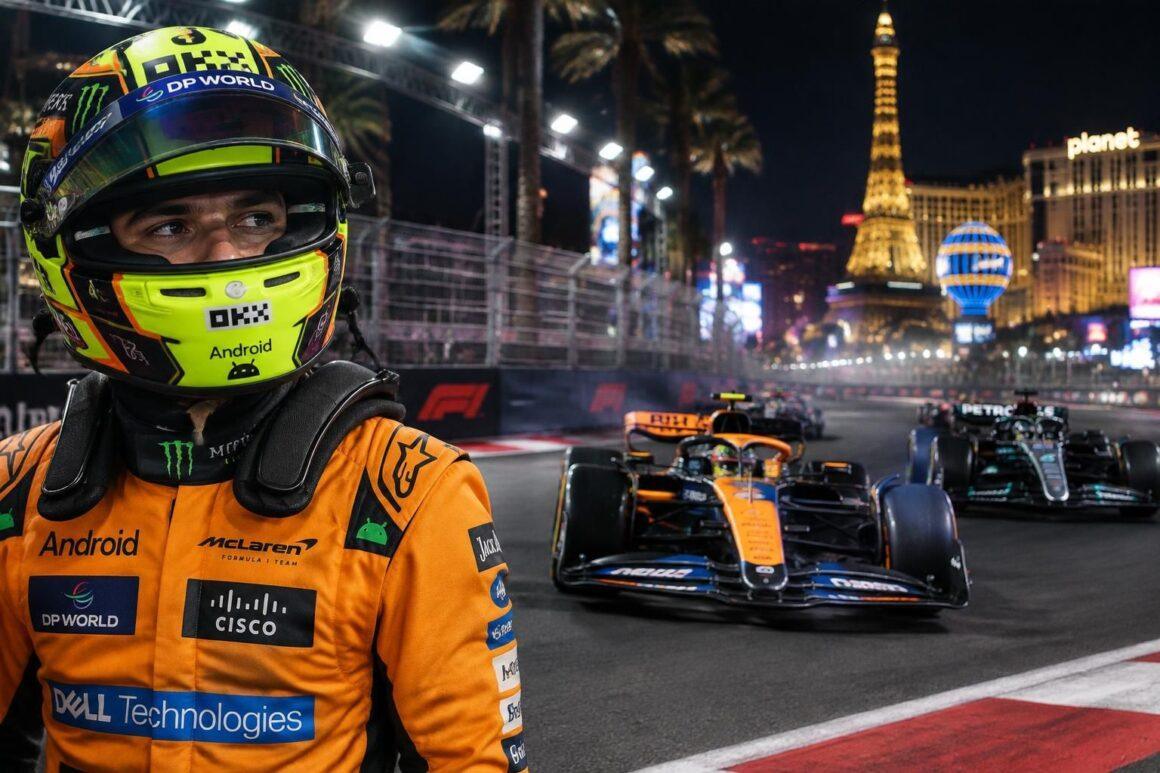
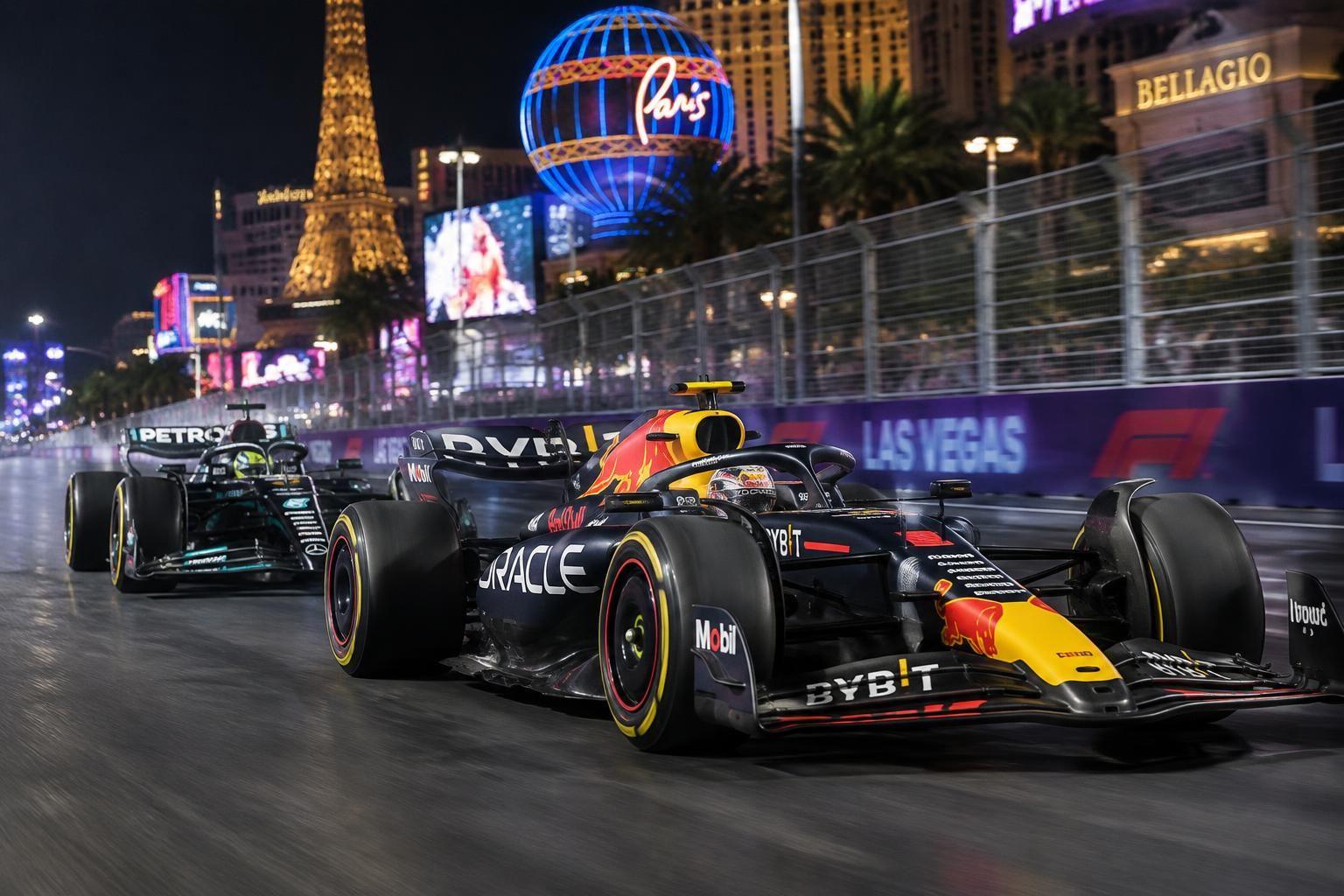
Along the Las Vegas Strip, powerful tows and energy demands kept the field bunched, with the top 10 separated by less than five seconds at points. For viewers watching the city view and the cars flash past the neon, that closeness created drama; for a driver watching from outside the cockpit, the repeated exchanges began to feel like a peloton.
Albon’s Las Vegas GP reaction: a race that felt like a peloton
Albon described the race as a mixed experience. He said the first few laps held his attention, then the spectacle started to feel repetitive: cars passed, lost the place in the tow, and tried again on the run towards Turn 14.
“It was like a Formula E race for the most part,” was the substance of his comparison, with the tightly packed field bringing peloton vibes. He was not calling for this style to disappear; instead, he argued that Formula One can accommodate different kinds of racing, from circuits where outright pace decides the contest to Monaco, where passing remains rare.
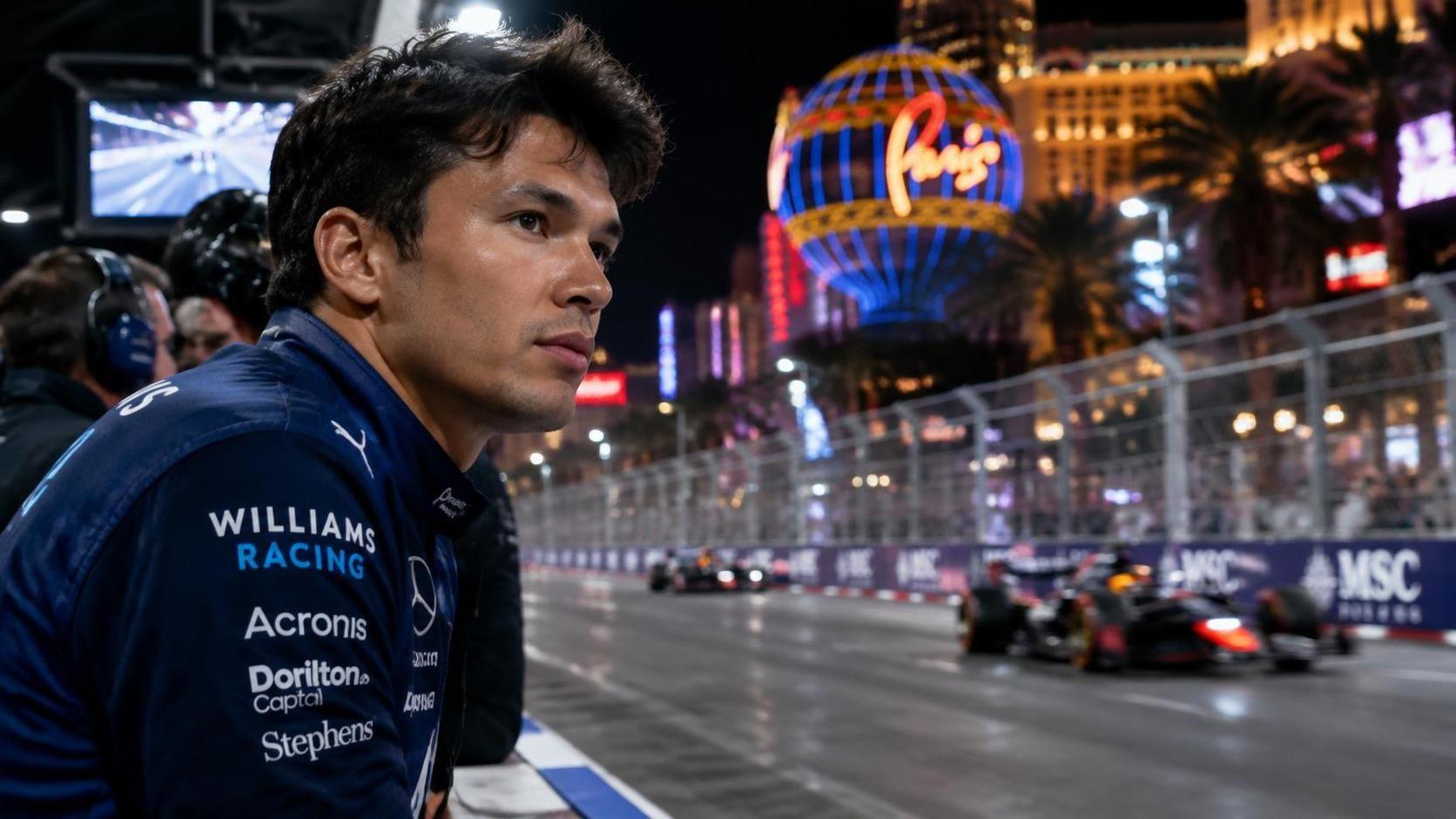
The contrast matters because the race produced an unusual viewing pattern: the leader could not simply disappear, while the chasing pack kept rotating positions. Albon’s point was not that every grand prix should look this way, but that a varied calendar can include a “baton race” alongside events decided by clean air and tyre life.
That debate has followed the numbers, too. Lando Norris’s doubts about the reported 352 overtakes underline the gap between a pass counted in the statistics and a move that feels decisive from the cockpit.
Slipstream and energy management reshaped the Las Vegas race
The conditions gave teams little time to understand the tow before qualifying. Rain disrupted Thursday practice, and the full effect became clear in Q3, when Kimi Antonelli tucked in behind Arvid Lindblad and gained around 16 kph in top speed compared with George Russell in the sister Mercedes.
Antonelli took pole, then started sixth after an engine penalty. The episode showed how a tow could deliver a large straight-line gain, but the race added another layer: power-unit energy recovery and deployment made the benefit inseparable from where and when a driver lifted or used electrical energy.
Albon said other drivers had not expected the effect to be so strong. With limited practice running, teams began to spot the advantage in qualifying; by Sunday, the grid understood that sitting in another car’s wake could alter the energy picture as well as reduce drag.
That technical link explains why the lead changed so often without producing clean escapes. A driver could gain on the straight, but the same tow left the car ahead exposed on the next run; the argument over spectacle versus artificial-looking racing starts with that repeating cycle.
What Albon’s spectator view says about Formula One’s spectacle
For Albon, the useful distinction was between a race that looks busy and one that stays engaging. A casual viewer might enjoy the constant position changes, while a driver can see the tactical loop underneath: lift, recover energy, take the tow, then defend before the next corner.
His absence from the start made that contrast unusually clear. He experienced the race not through steering loads, tyre temperature or radio calls, but as a spectator measuring whether the action held attention after the opening laps.
The wider championship does not need every circuit to produce the same rhythm. Albon’s proposal is a calendar with distinct identities: tracks that reward clean-air pace, venues where overtaking is scarce, and occasional races where the pack stays compressed and the fight becomes a strategic relay.
That variety carries a risk: if energy management repeatedly cancels a successful pass, the numbers may look richer than the racing feels. But Las Vegas delivered a format unlike a conventional breakaway grand prix, and Albon believes that difference can have a place in modern motorsport — provided fans can still tell skill from a tow-assisted swap.