

The FIA has rolled out important adjustments to the 2026 Formula 1 regulations while confirming foundational developments for 2027. Teams face renewed challenges as race rules evolve with safety and powertrain strategies at the forefront. These changes signal a phase of technical refinement and strategic evolution in F1’s relentless competition.
The World Motor Sport Council’s latest meeting in Macau delivered a clear message: Formula 1’s 2026 technical regulations are not set in stone. The council approved several substantive changes, addressing heat hazard declarations, safety protocols in adverse conditions, and fundamental adjustments to the sport’s power unit balance. Notably, the FIA also ratified preliminary rule formulations for 2027, introducing extended pre-season testing and a pivotal shift in engine output ratios. These updates come amid rising demands for enhanced clarity, enforceability, and sustainability within the sport.
Major adjustments in FIA 2026 Formula 1 regulations boost safety and strategy
The revised framework now allows heat hazard declarations to be split between Sprint and Grand Prix days, provided they’re made 24 hours before race starts. This nuanced approach gives race directors more flexibility in managing extreme weather risks, critical for driver safety across the globe’s varied circuits. These conditions maintain strict timelines to ensure fairness, yet inject a welcome degree of adaptability for unpredictable climates.
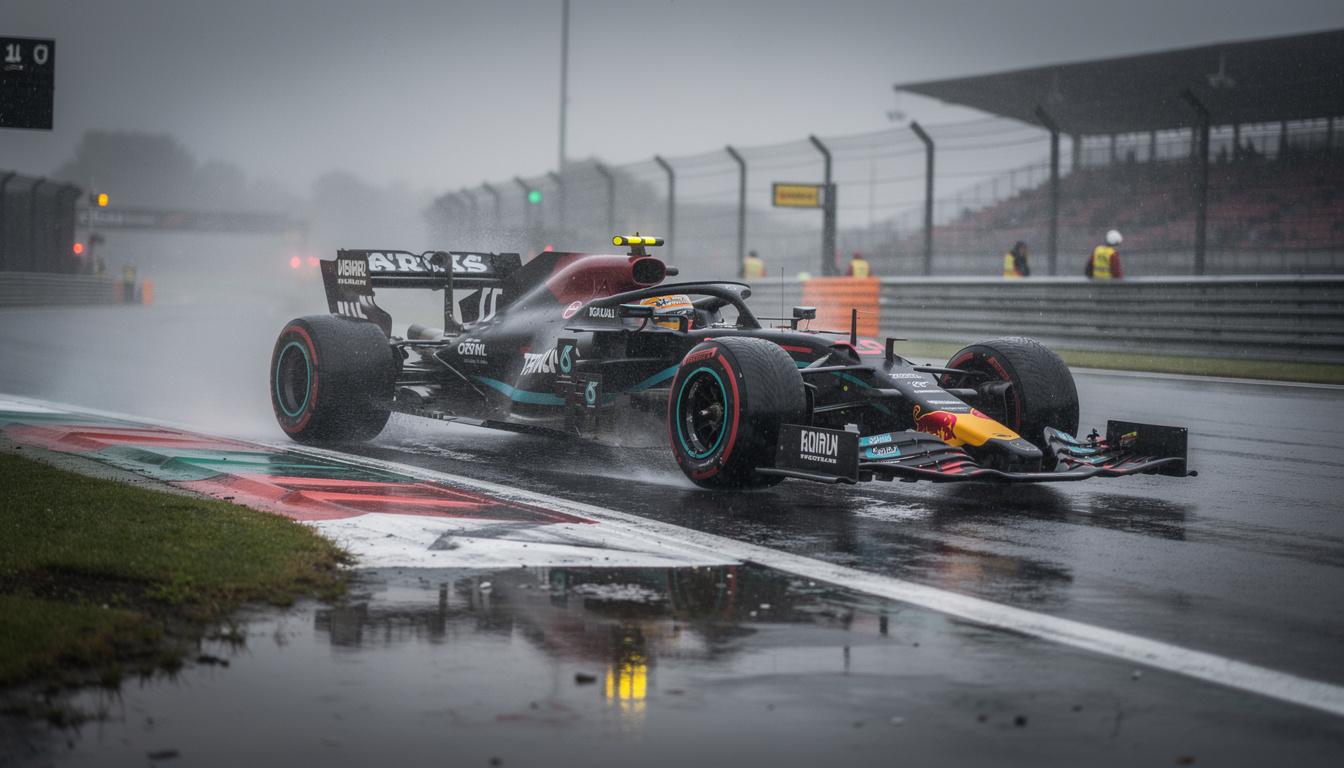
The reintegration of boost mode in low grip or poor visibility scenarios marks a direct response to safety concerns. In these conditions, power reduction prevents car instability, but the reintroduced boost mode now solely offsets this decrease instead of increasing power beyond baseline levels. Meanwhile, overtake mode has been disabled under these challenging conditions, directly affecting race strategies and how teams plan their attack and defence moments under tricky weather dynamics.
Insights behind power unit and testing rule tweaks
The Power Unit Manufacturers concurred with the FIA’s strategic shift in engine energy splits from 2027 onwards. Moving away from a 50:50 internal combustion engine (ICE) to battery ratio, a 60:40 split will take effect by 2028, emphasising efficiency and sustainable performance. This adjustment involves targeted changes to ICE output, fuel energy flow, and the energy recovery system, allowing teams greater flexibility in energy management and pushing the envelope in hybrid technology.
Meanwhile, pre-season testing expands from three to four days ahead of the 2027 season, a move designed to help teams adapt to these technical shifts more effectively. The technical rule revisions for 2027 represent a first issue that includes wording clarifications, technical precision, and operational updates based on the practical learnings of the 2026 season. This phased approach signals the FIA’s commitment to continuous evolution in Formula 1’s regulations, balancing innovation with on-track viability.
Championship dynamics poised for evolution with 2026 and beyond race rules
The updates to heat hazard handling and power modes directly influence team strategies on race weekends. Adapting to split hazard warnings challenges team engineers and strategists to rethink tyre choices, power deployment, and overall risk assessment. These changes can shuffle the competitive deck, especially in variable weather races where split announcements are most relevant.
Looking further ahead, the shift in power unit composition alongside extended testing is set to redefine competitive dynamics throughout the field. Hybrid power delivery improvements and the introduction of sustainable fuels as highlighted in recent discussions unlock new arenas for powertrain innovation.
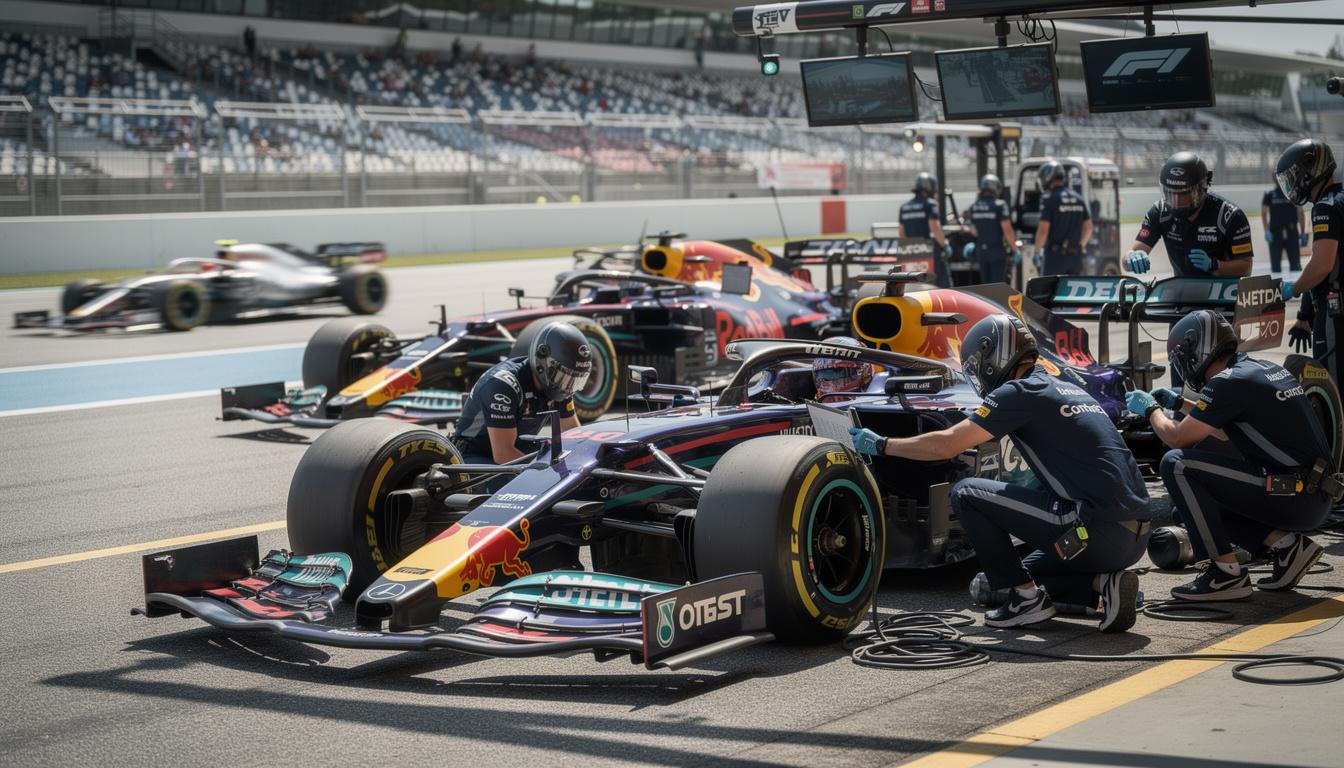
Conversation and collaboration fuel future regulatory directions
FIA President Mohammed Ben Sulayem emphasised the ongoing dialogue and collaboration across the motorsport community, citing it as key to balancing innovation, safety, and fan engagement. The discussions around future power unit concepts, including potential V8 engines powered by sustainable fuels, demonstrate a willingness among stakeholders to refine Formula 1’s technical and sporting framework.
As the sport enters this new phase of regulation adjustments, teams, drivers, and manufacturers face a critical period of adaptation. With regulations shaping the next competitive eras, insight from powertrain innovation and operational rule changes will be vital. Upcoming ICE enhancements could be transformative, highlighting the deep link between rule changes and future race outcomes.