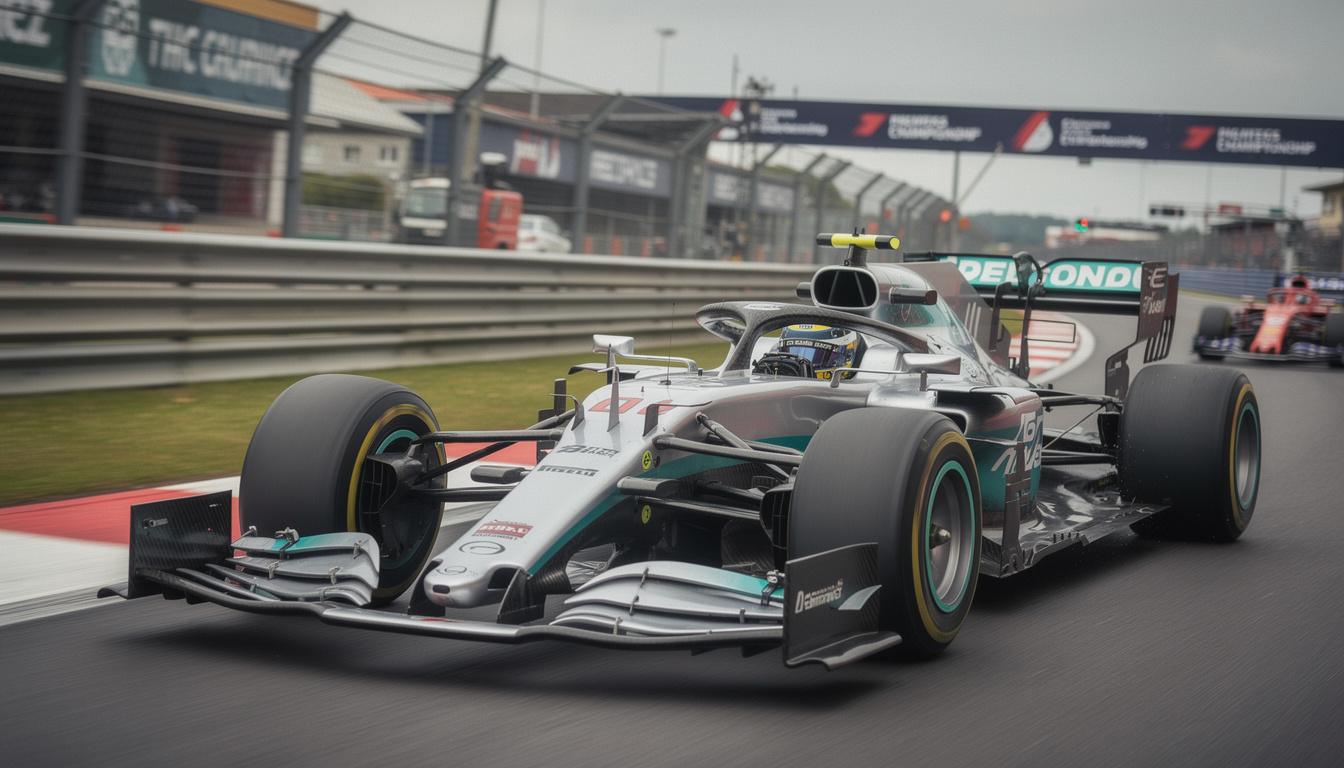

Mercedes has secured four victories from four Grand Prix events this season, clearly leading the pack under the fresh 2026 regulations. Yet beneath this commanding streak lies a glaring vulnerability that threatens their championship chase.
While mechanical reliability and power unit dominance still form a core pillar for the team, the intangible advantage in race starts is under threat. The delicate balance between clutch bite point, turbo lag control, and tyre grip demands precision. A delayed launch or wheelspin not only leaves Mercedes in the wake of lightening-fast rivals but compounds race strategy complexity and overtaking challenges. As such, Mercedes’ focus on swift corrective action is crucial to maintain their edge. Readers interested in the technical details can delve deeper with analyses like the technical reinvention of Mercedes’ 2026 car.
Unpacking Mercedes’ unacceptable race starts problem
Every Grand Prix and Sprint start this season has underlined a pattern. Mercedes, despite clinching poles frequently, repeatedly loses ground in those crucial first moments. The W17’s launch difficulties appear rooted in clutch technology and grip estimation miscalculations. The team has struggled to marry hardware and software seamlessly, a challenge exacerbated by the more aggressive 2026 regulations on traction and electronics management.

Kimi Antonelli, Mercedes’ marquee driver and championship frontrunner, has frequently found himself dropping multiple positions immediately after lights out. While his recovery drive showcased resilience — winning the Chinese, Japanese, and Miami Grands Prix — relying on mid-race comeback efforts burdens the campaign unnecessarily. Wolff expressed this bluntly during a Sky Sports Deutschland interview, branding the team’s launching faults as “inexcusable” and stating, “We are the only team on the grid consistently failing at this for the moment.”
Mechanically, the 2026 iteration features a turbocharged inline-six hybrid power unit, a complex proposition for teams to control during standing starts. The clutch needs perfect sync with the power unit’s torque delivery and traction on the fresh tires. Small missteps lead to wheelspin or slow getaway, spelling lost places. While FIA has adjusted starting procedures to reduce turbo lag issues, they confirm no further rule changes are planned to overhaul the start sequence. Instead, a safety net device — a slow start detection system — is in trial phases. It will deploy brief MGU-K boosts to mitigate disastrous launches, but not elevate poor starts to competitive ones.
Strategic adjustments and technical solutions to regain start line superiority
Mercedes is not one to shy away from intricate technical revamps when performance is at stake. With the mid-season Canadian Grand Prix upgrade package looming, expectations are high for tangible improvements in launching dynamics. The team’s engineers are investigating every fraction of a second lost in clutch calibration, integrating telemetry data and driver inputs to refine launch protocols.
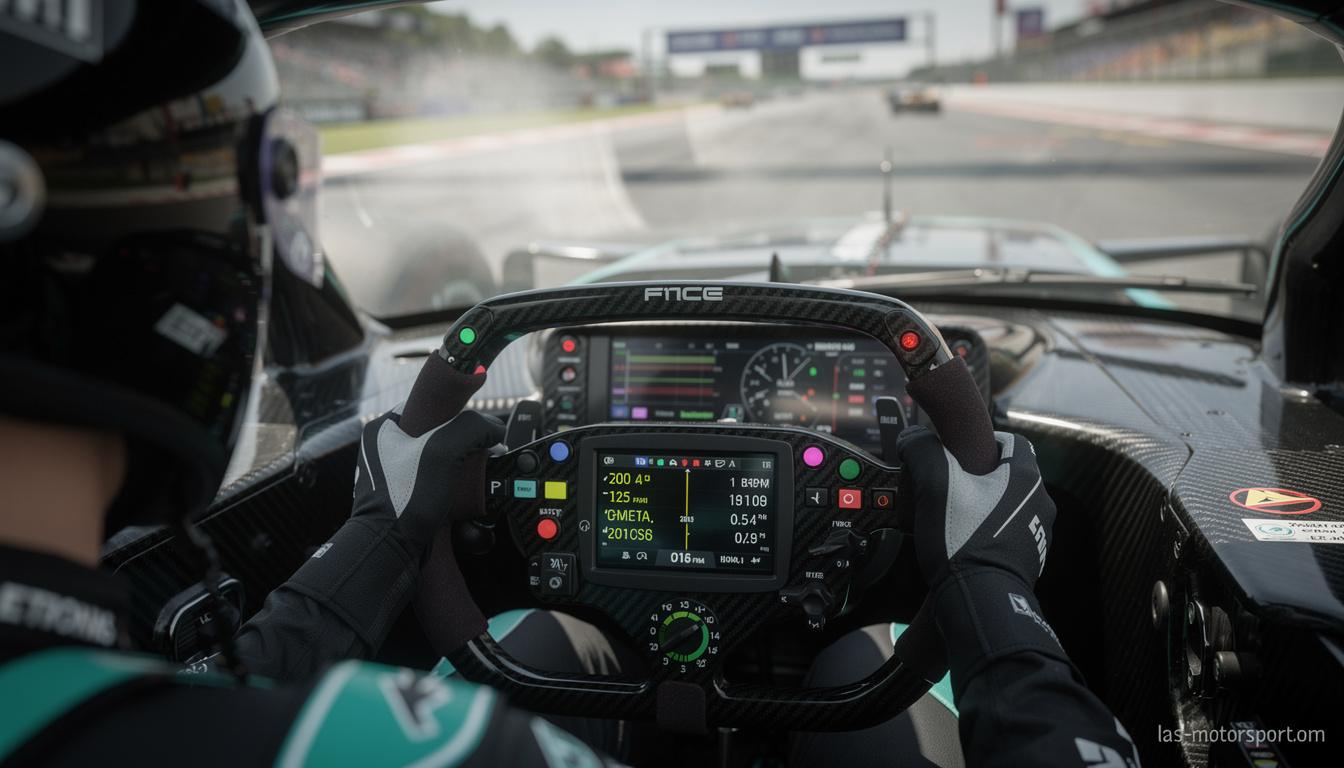
For example, the team is focusing on enhancing the synergy between the mechanical clutch and the electronic control systems managing the turbo and the hybrid unit. This involves recalibrating torque delivery to minimise wheel slip while optimising power application. Mercedes is benchmarking aggressively against close rivals, whose launch executions have turned out sharper and more efficient under the new power unit regulations.
Moreover, beyond hardware tweaks, Mercedes has emphasised the human side of the challenge. Training and synchronising with drivers on clutch bite point sensitivity and start grid procedures are underway, addressing variances caused by track-specific conditions like surface grip and ambient temperatures. The relationship between development and race strategy is tighter than ever, as team principal Wolff insists that abandoned starts are simply intolerable when chasing the world titles.
Race start failures and their impact on Mercedes’ 2026 championship
With four victories already in the bag, the Mercedes-AMG Petronas team leads the championship, yet the persistent start line troubles threaten to erode their advantage. A bad start compounds the risk of mid-pack battles, increasing tyre wear and uncertainty with overtaking manoeuvres. This dynamic forces Mercedes to deploy recovery tactics and pit stop gambits that add strategic complexity and potential for errors.
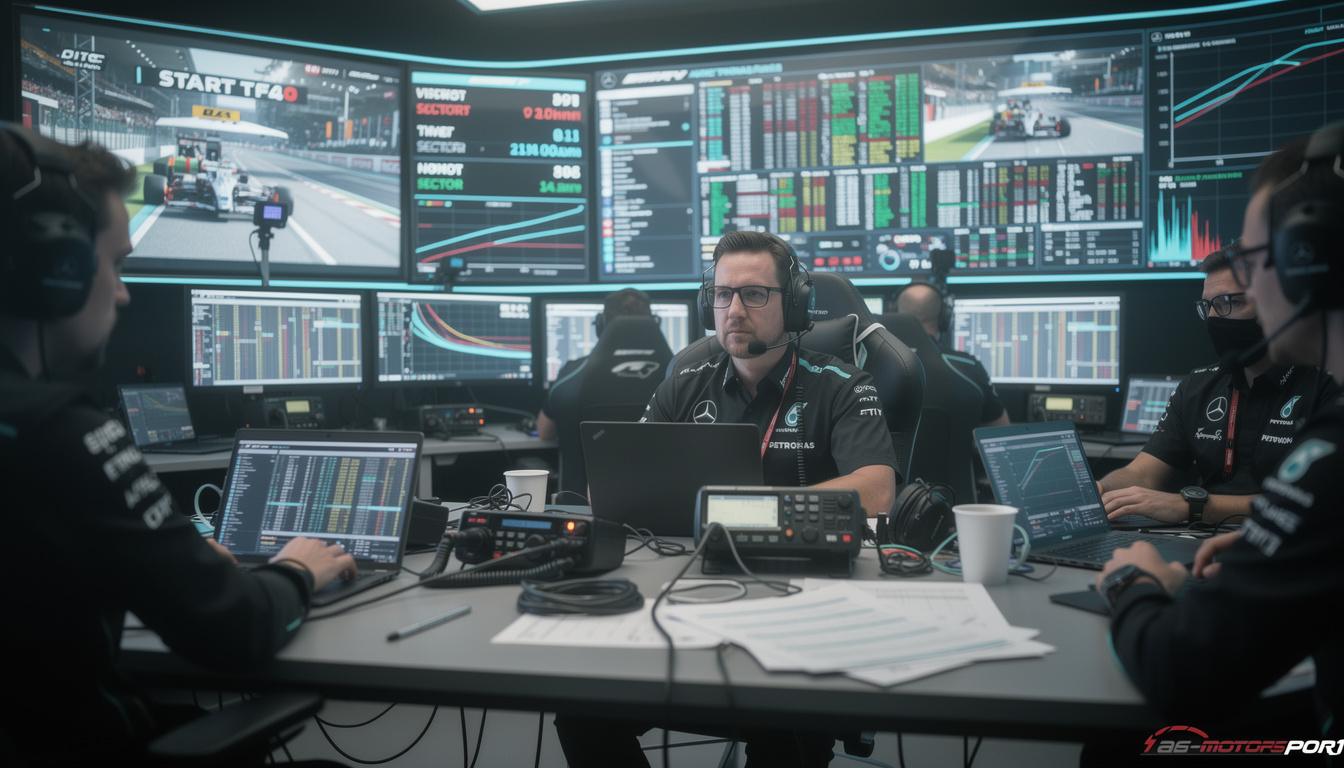
Toto Wolff’s concern that these repeated misfires at the start could undermine title hopes is well-founded. Losing places early often means increased exposure to chaotic midfield pack skirmishes or even accidents. For a team of Mercedes’ pedigree, which once set the gold standard for dominance, the luxury of recovering lost ground race after race carries unneeded costs.
The FIA’s forthcoming introduction of a slow start detection mechanism aims to safeguard drivers from catastrophic grocery-store launches but won’t elevate Mercedes’ outright starting prowess. As Wolff stressed, they cannot afford to rely on this system as a crutch or master the art of poor starts masked as manageable ones.