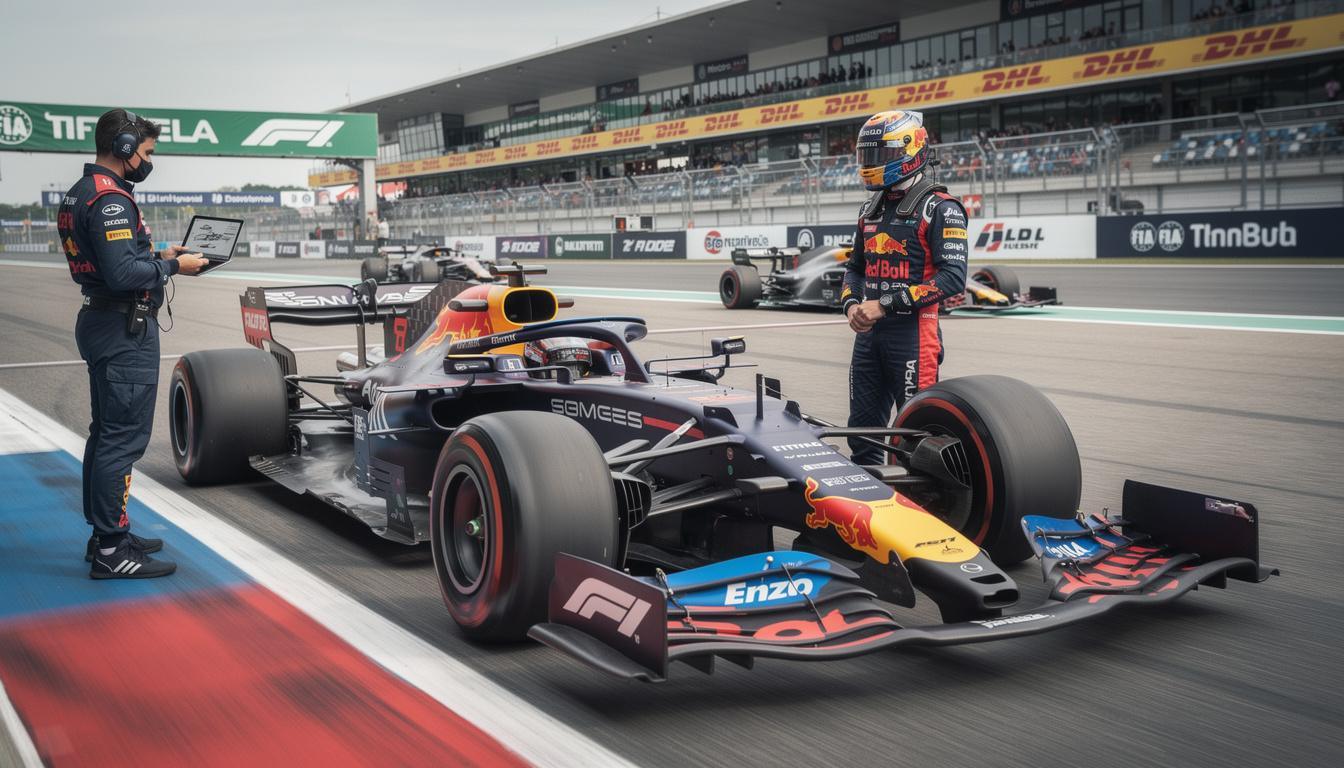

Gabriel Bortoleto insists Formula One’s ‘magic’ remains intact despite contentious 2026 regulations. The Audi driver calls on competitors to stop dwelling on drawbacks and adapt to the new era. His stance challenges voices in the paddock questioning the sport’s evolving technical landscape.
Gabriel Bortoleto, racing for Audi, confronts the ongoing debates around the 2026 regulations that have shaken Formula One’s status quo. Many drivers lament the shift from the high-downforce machines of 2022-25 to the current hybrid powerhouse cars, insinuating that racing has lost some of its excitement and driver skill elements. Bortoleto pushes back, arguing that the essence—the ‘magic’—of F1 remains tangible and demands resilience from drivers. The Brazilian stresses the importance of embracing rather than resisting these technical shifts, which will define the sport until at least 2030. While adjustments to energy deployment rules were introduced in Miami to ease the energy management burden, Bortoleto maintains that further refinements are on the horizon, ensuring the sport’s competitive edge endures.
How Bortoleto Sees the 2026 F1 Regulations Impacting Racing Magic
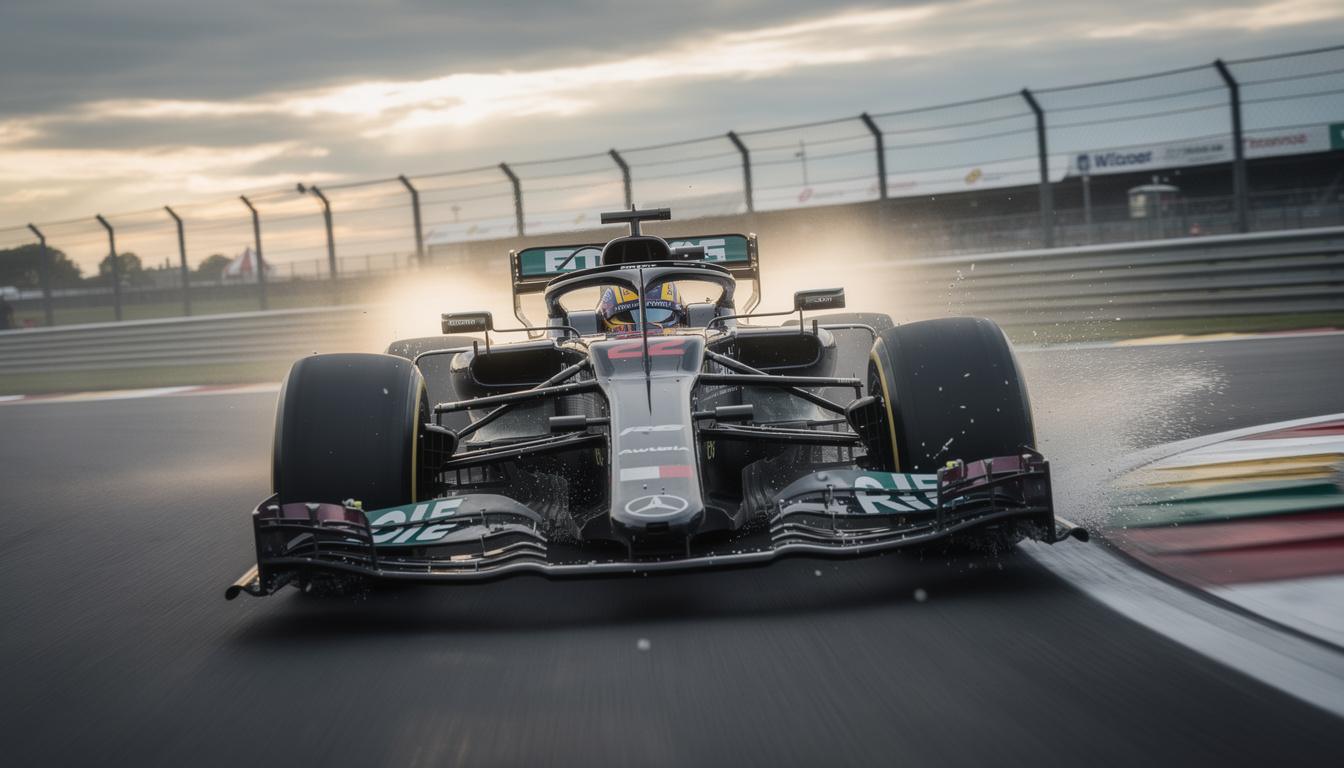
At Silverstone, a circuit known for testing a car’s aerodynamic efficiency and driver bravery, many drivers viewed the new cars as slower through the fastest corners. Yet, Bortoleto offered a defiant take. “We are still driving f** quick through Copse. It’s 280 km/h, so I’m still lifting to do that corner,” he said, underscoring that speed and technical demands persist despite different car dynamics. This highlights that skill remains a cornerstone, albeit expressed through energy management rather than sheer downforce grip.
Bortoleto adds that dwelling on what the regulations do not offer misses the bigger picture. He calls for the paddock to “turn the page” and focus on the sport as it currently stands. This approach acknowledges that the 2026 formula imposes new challenges but does not diminish the thrill or the finesse required on track. His view contrasts notably with veterans such as Fernando Alonso, who have raised doubts about the hybrid cars’ impact on driver skill and racecraft.
Technical realities and strategic adaptation under 2026 rules
The revised 2026 regulations centre around hybrid technology, with an emphasis on tight energy management throughout each lap. Recent tweaks in Miami modified electrical power limits to slow battery drainage, but the challenges of hybrid deployment remain a defining strategic layer. Bortoleto notes that further changes scheduled for 2027 and 2028 will bolster internal combustion engine power by increasing fuel flow—a nod to balancing energy systems and restoring certain traditional racing factors.
Crucially, the 2026 regulations don’t just alter performance curves; they reshape how drivers approach racecraft. The demand to balance electrical boost with fuel dependability introduces a tactical nuance that rewards cerebral driving, challenging teams and drivers to rethink overtaking and race strategies across diverse tracks like Silverstone and Spa-Francorchamps. Despite criticism from some quarters—such as Oscar Piastri pointing to battery depletion dulling racing unpredictability—the framework remains fertile ground for innovation.
Championship ramifications: The road ahead for drivers and teams
Bortoleto’s call for acceptance signals a broader shift in F1’s cultural mindset. With the 2026 regulations locked in until 2030, the focus pivots toward maximising performance within the new parameters rather than nostalgic comparisons. The driver’s perspective underlines the importance of resilience and adaptability—qualities that will separate frontrunners from the midfield pack as the season unfolds.
Teams also face a technical marathon. With the FIA planning incremental rule refinements over the next two years, constant evolution remains the theme. The push towards increased fuel flow and combustion power may restore some balance, potentially reshaping competitive hierarchies. Fans and insiders alike must brace for a period of adjustment, where innovation in hybrid mastery might become the ultimate litmus test for drivers and engineers alike. Those keen to keep up with these developments can explore the latest race analyses and technical updates available on LAS Motorsport.