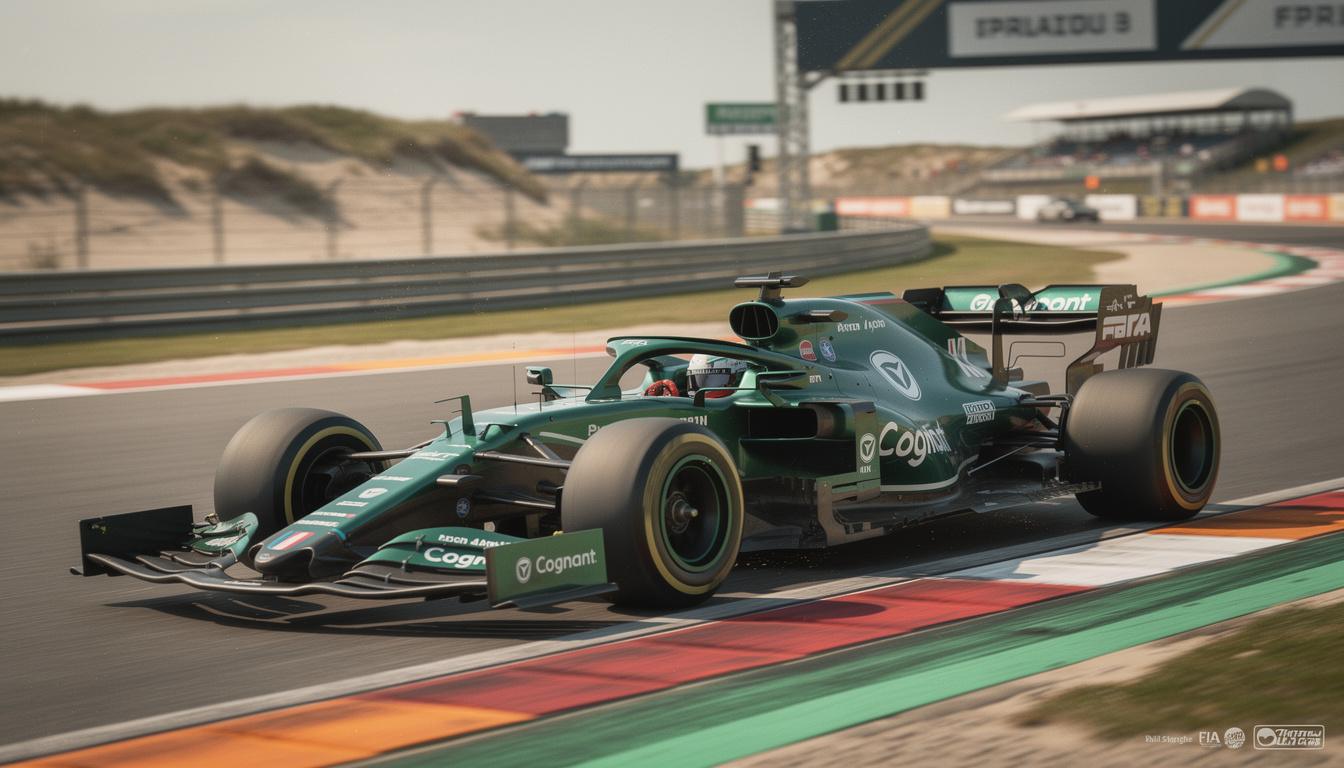

Aston Martin gears up for a significant boost with Honda’s latest power unit at the F1 Dutch Grand Prix. A critical upgrade aims to revive the team’s struggling pace in a fiercely competitive season. The Dutch Grand Prix could mark a turning point for Aston Martin amid ongoing power unit woes.
The Aston Martin Formula 1 team is set to receive a much-needed lift with the introduction of Honda’s latest power unit upgrade at the Dutch Grand Prix. This move comes after a disappointing first half of the season where the Silverstone outfit battled near the back, often trailing behind newcomer Cadillac. Honda’s trackside general manager and chief engineer, Shintaro Orihara, revealed the upgrade timeline in the lead-up to the Belgian Grand Prix, confirming two more races before the new power unit hits the track. This new specification is poised to enhance energy deployment, a crucial factor on circuits with long straights such as Zandvoort and Monza. Aston Martin hopes this development will narrow the lap time deficit that has plagued the AMR26 this year.
Overview of Aston Martin’s Dutch Grand Prix engine upgrade
Honda’s power unit has been broadly acknowledged as the weakest on the grid, a significant handicap for Aston Martin. The Japanese manufacturer is utilising the Additional Development and Upgrade Opportunities (ADUO) mechanism to roll out improvements tailored to claw back lost ground. The upgrade will refine the internal workings of the RA626H 1.6-litre V6 hybrid engine, aiming to boost overall power output and reliability, which have been sore points in the opening races. Fernando Alonso and Lance Stroll, Aston’s drivers, struggled in qualifying sessions at Silverstone and Hungary, placing far behind Cadillac, which underscores the current deficit.
Considering energy management, especially the deployment of MGU-K power on high-speed straights, remains paramount for the upgrade. Honda’s Orihara pointed out that Spa-Francorchamps’ track layout presents challenges in harvesting energy, which amplifies the importance of optimising power usage. Moreover, changeable weather at Zandvoort adds a layer of complexity affecting race strategies and power unit stresses. This upgraded unit represents more than just performance gains; reliability improvements will be vital for Aston Martin to move beyond their current midfield siege.
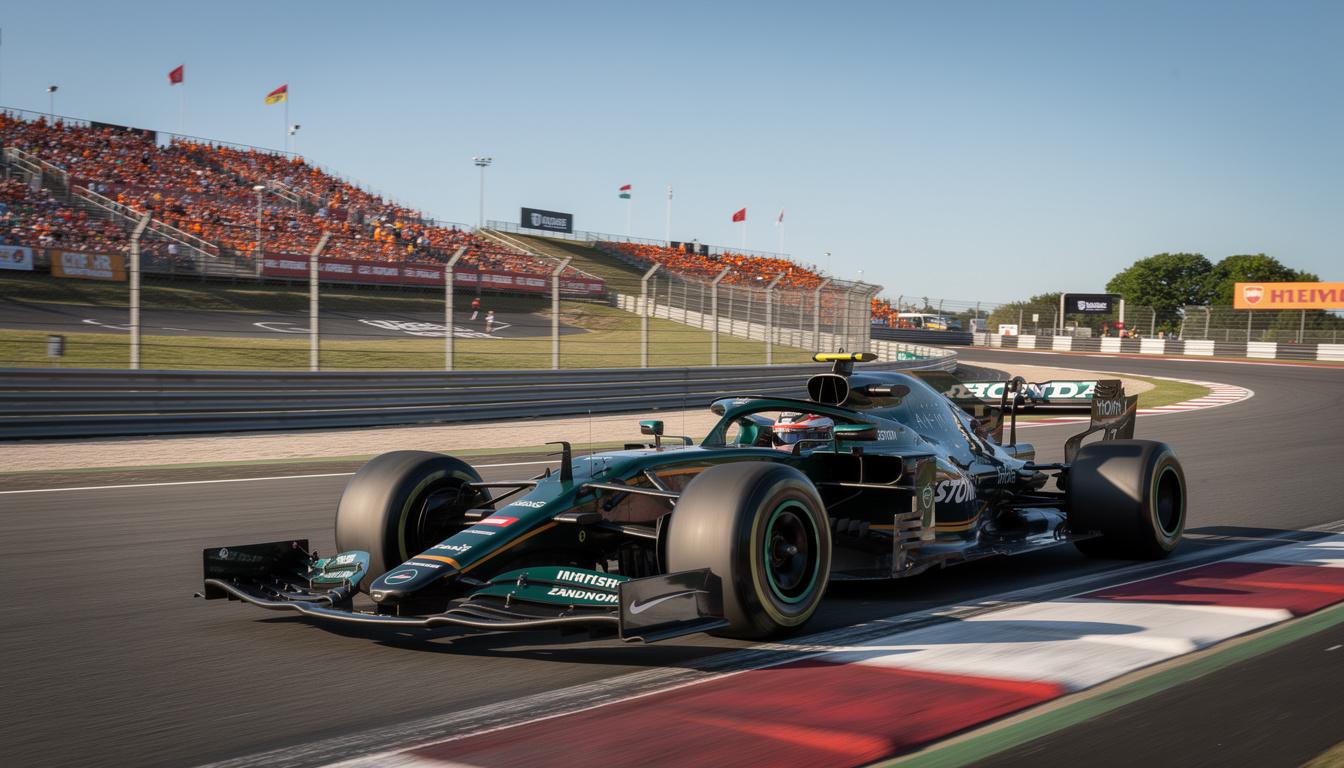
Technical analysis of Honda’s power unit enhancement for Aston Martin
The upgrade strategy Honda has adopted focuses keenly on handling energy deployment across Grand Prix with varied layouts. The RA626H power unit enhancement involves fine-tuning the hybrid components, mainly the MGU-K, to extend the usable electric power boost duration on straights. This is crucial on circuits like Zandvoort where top-end speed can dictate race outcomes. Aston Martin’s challenge has been not only raw power deficit but also efficiency in harvesting and deploying electrical energy during races, which impacts both lap times and fuel consumption strategies.
In parallel, internal combustion efficiency upgrades are expected. These will potentially address fuel burn rates and heat management, helping reliability over race distances. The AMR26’s struggles, highlighted by poor qualifying performances and race pace, illustrate how much the team has lagged. With the trim on energy systems and engine internals set to materialise at Zandvoort, Aston Martin hopes to close the substantial gap to the midfield pack. Their focus on 2027 car development remains, but this upgrade could provide a critical palate cleanser for the rest of the season.
Championship ramifications following Honda’s engine upgrade
With the new power unit arriving at the Dutch Grand Prix, Aston Martin could finally inch closer to a competitive midfield position. The current season has been unforgiving, leaving Fernando Alonso and Lance Stroll swimming against the strong currents set by teams like Cadillac. A more reliable, powerful engine may allow drivers to maximise the AMR26’s chassis capabilities and strategic options. This upgrade will set the tone as Aston Martin desperately seeks points, especially with other teams continuously evolving.
Looking ahead, energy management and reliability gains will be tested further at circuits with challenging layouts. The team faces a tough balancing act, optimising power output without compromising longevity or risking costly failures. This push to gain competitive traction with Honda’s upgraded unit will affect race strategies and potentially influence driver confidence. More race-level data will refine approach for the remaining calendar, leaving eyes firmly on Zandvoort as a pivotal moment in Aston’s 2026 campaign. Stay updated with the latest insights and detailed coverage at LAS Motorsport and discover how power unit upgrades shape the evolving battle in Formula 1.