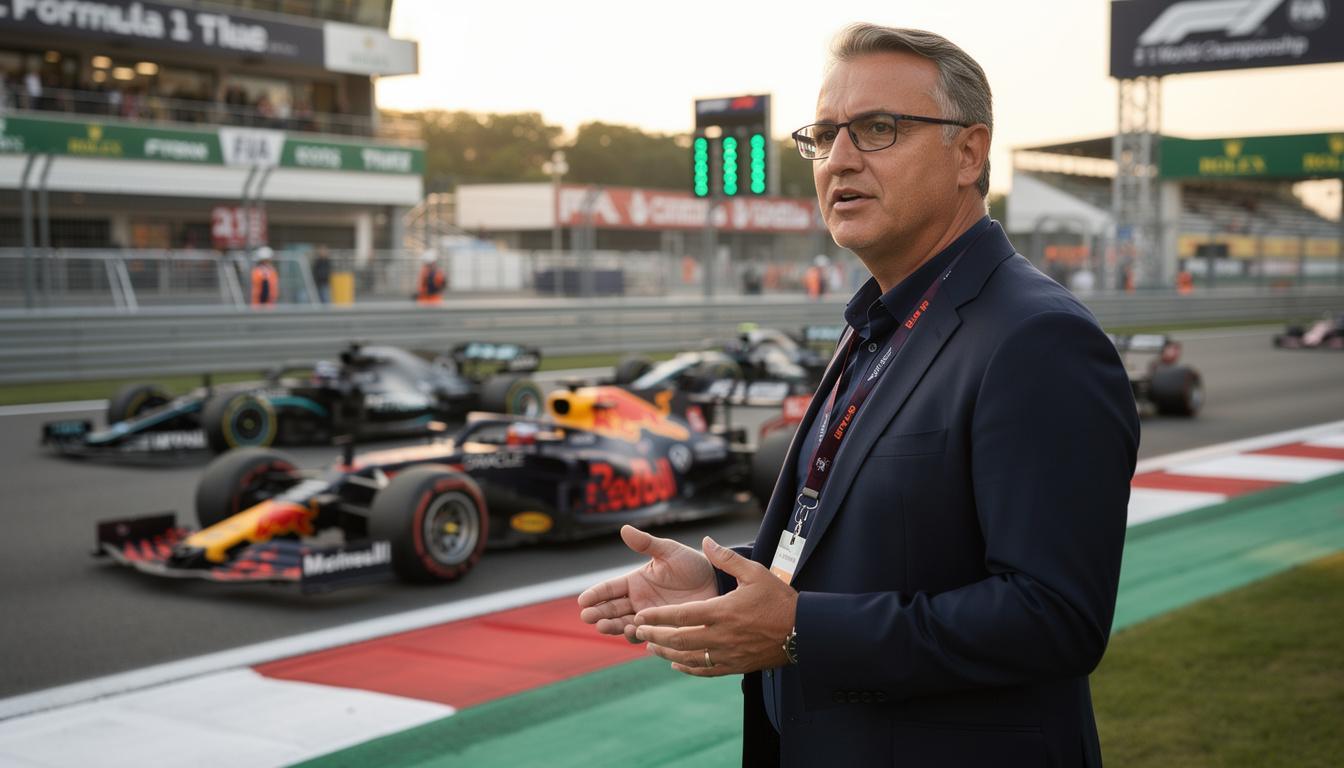

Stefano Domenicali charts the future course of Formula 1 with a bold vision on race formats and tech evolution. Few laps less, more sprint races, and a stronger grip on younger fans signal a sport in motion. The Italian CEO is steering F1 through change without losing its competitive core.
Formula 1 under Stefano Domenicali looks ahead, weighing new sprint formats, shortening Grand Prix distances, and rethinking technical regulations. In a recent statement, the CEO affirmed plans to expand sprint races from 2027, responding to shifting fan demographics and engagement patterns. A modest reduction in race laps is also on the table, aiming to fit younger viewers’ shorter attention spans. Domenicali’s roadmap balances innovation and tradition while warning against complacency, mindful of F1’s position amid evolving manufacturer interests and global growth markets. This strategic recalibration seeks to sustain F1’s momentum, offering more dynamic race weekends and integrating sustainable tech advances.
Sprint races and shorter Grands Prix shape Formula 1’s weekend experience
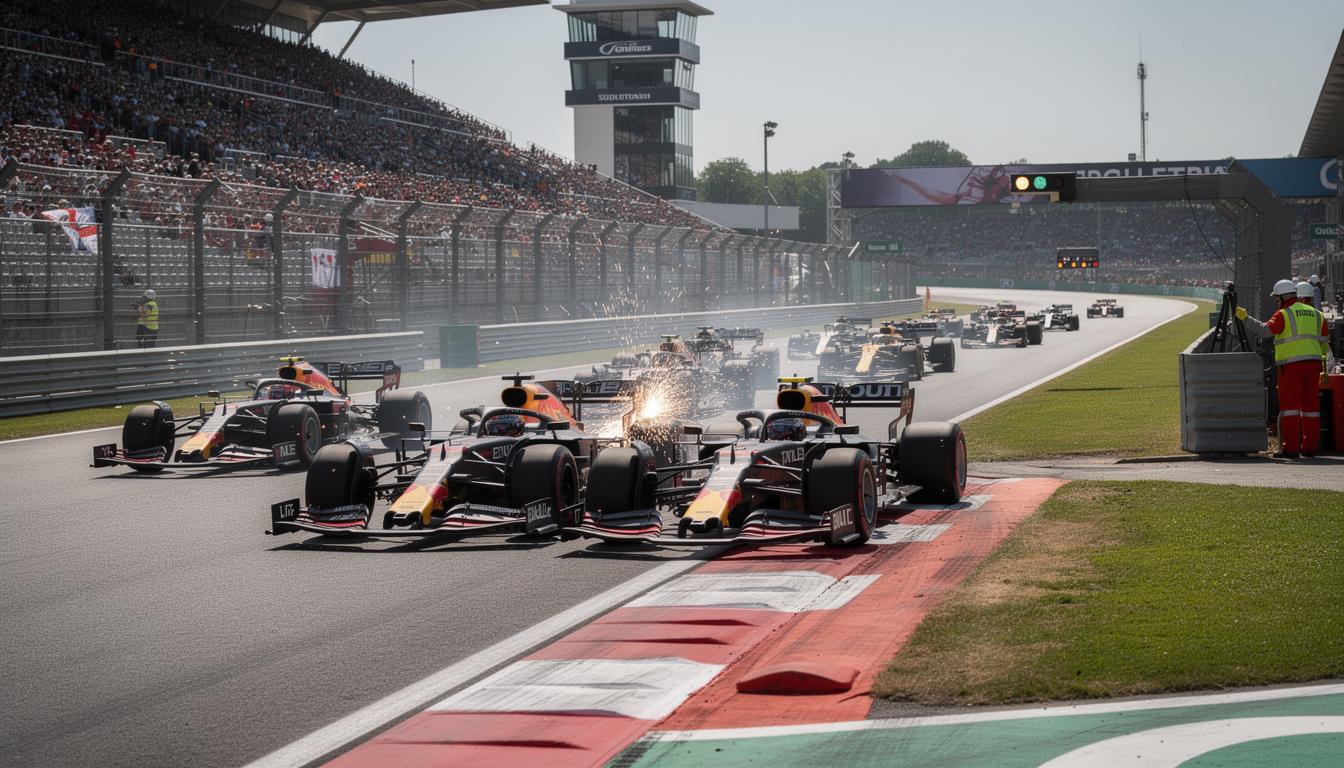
Domenicali confirmed that sprint races will become a more regular feature beyond the current six-event schedule, though never dominating every weekend. “They will be fewer than half” the race calendar, he insisted, ensuring traditional Sunday grands prix retain primacy. This move comes after initial scepticism, even from Domenicali himself, but the positive fan data and promoter feedback underline the format’s success in boosting Friday engagement. Fans, especially younger ones, now expect meaningful action earlier in the weekend, increasing attendance and media viewership around qualifying sessions and sprint events.
Alongside this, the proposal to reduce race distances by a few laps responds to emerging viewing trends. Domenicali suggested that trimming two or three laps wouldn’t harm race integrity but might keep younger audiences engaged without diluting the spectacle. The strategic scope of this move seeks to keep races intense and accessible while preserving the sport’s core challenge of endurance and strategy. This represents a subtle yet significant shift in how race weekends are packaged and consumed internationally.
Balancing manufacturer involvement and sporting independence
Domenicali underscored the urgency to reshape upcoming power unit regulations in light of shifting industrial priorities. Unlike the initial shift towards electrification, the future blueprint must align with new technological realities and sustainability goals, maintaining a balance between manufacturer needs and the sport’s independence. The CEO warned of the risks if major manufacturers withdrew, striving for less complex technical projects that meet cost and performance targets yet safeguard Formula 1’s autonomy.
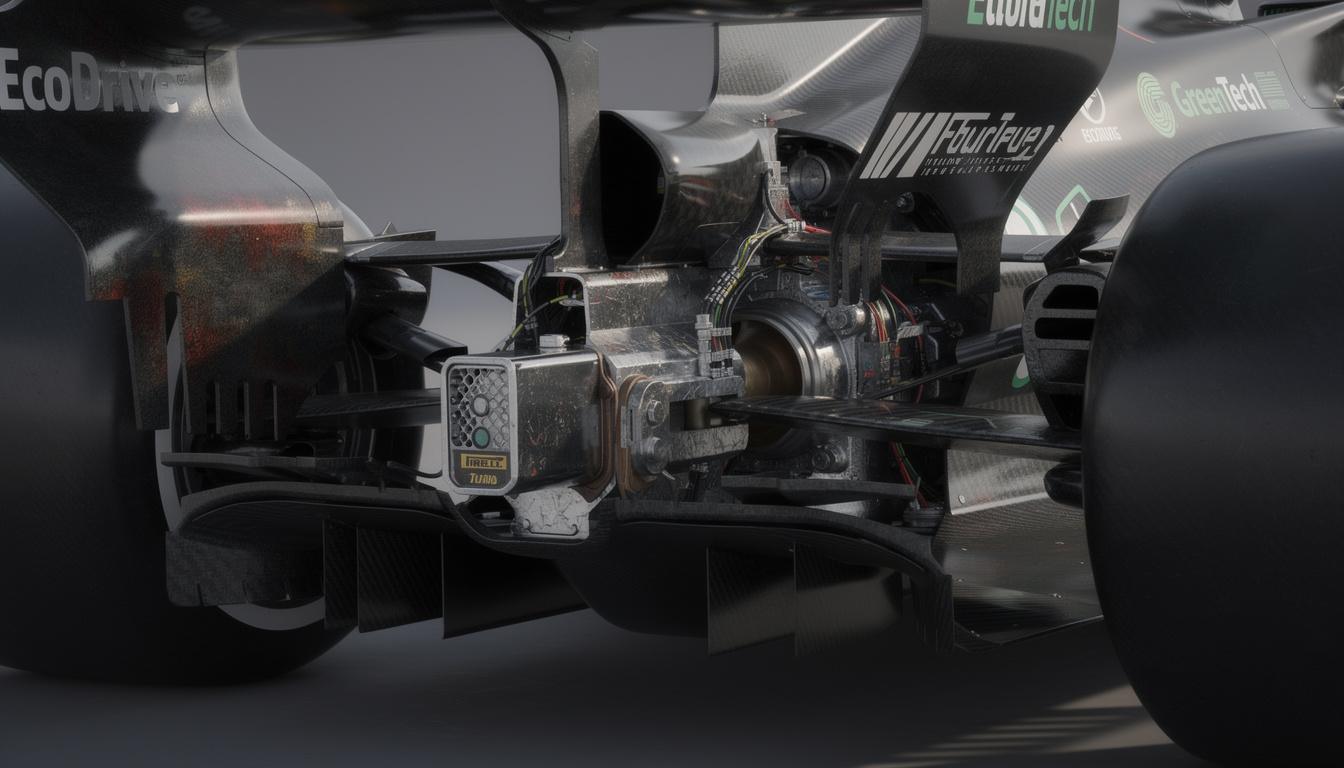
Technological innovation remains anchored in sustainable fuels and lighter car designs, enhancing driver control and on-track action. Domenicali’s vision promotes a car that challenges its pilot physically and mentally, advancing motorsport as a proving ground for relevant technologies. These changes hint at an intricate relationship between regulations, commercial interests, and racing spectacle.
Championship strategy, global expansion, and F1’s audience transformation
The impact of race format changes extends to championship dynamics and fan culture. Sprint races and shorter grands prix offer fresh strategic variables for teams, from tyre management to energy deployment. As the average fan age falls and female viewership rises, F1 is reshaping its image and engagement strategies to foster a lasting connection beyond one-off spikes in interest. Drivers like Kimi Antonelli have injected youthful energy, bringing wider demographics to the sport.
Domenicali also revealed plans for global expansion, spotlighting regions like Africa, China, and South America as key growth targets. The South African Grand Prix’s return exemplifies this vision, broadening F1’s footprint. Meanwhile, close monitoring of current venues with safety concerns such as Qatar and Abu Dhabi highlights F1’s prudent approach to calendar stability. Overall, these strategic shifts aim to solidify Formula 1’s relevance and appeal amid intensifying global motorsport competition.
Explore more insights on the technical evolution shaping Formula 1’s future at LAS Motorsport’s F1 technical dictionary and catch live updates and strategy analyses around current Grand Prix weekends through LAS Motorsport’s race coverage. For a glimpse into F1’s expansion plans, the build-up to historic returns like the South Africa GP provides crucial context at LAS Motorsport’s feature on South Africa’s F1 comeback.