
On 31 March 1998 Andy Wallace pointed a McLaren F1 down the straight at Ehra-Lessien in Germany and held it flat until the digits stopped climbing at 240.1 mph. A road car. Three seats, a manual gearbox, luggage lockers behind each rear wheel. Only 106 of all variants were ever built. Three decades later those chassis trade for tens of millions, which makes the paperwork behind each one worth as much attention as the engine note.
Provenance is where that money lives or dies. A vin owner lookup pulls the trail behind a car, checked against 294,600,609 passenger-vehicle records. It shows how many dated records sit under the VIN, plus the title history, liens, theft reports and odometer readings tied to it. The average car carries 2.3 dated records and 12.0% surface in more than one state. No owner names come back, since the Driver’s Privacy Protection Act shields those. You get the car’s side of the story, which is the side that sets the price.
Two very different kinds of speed
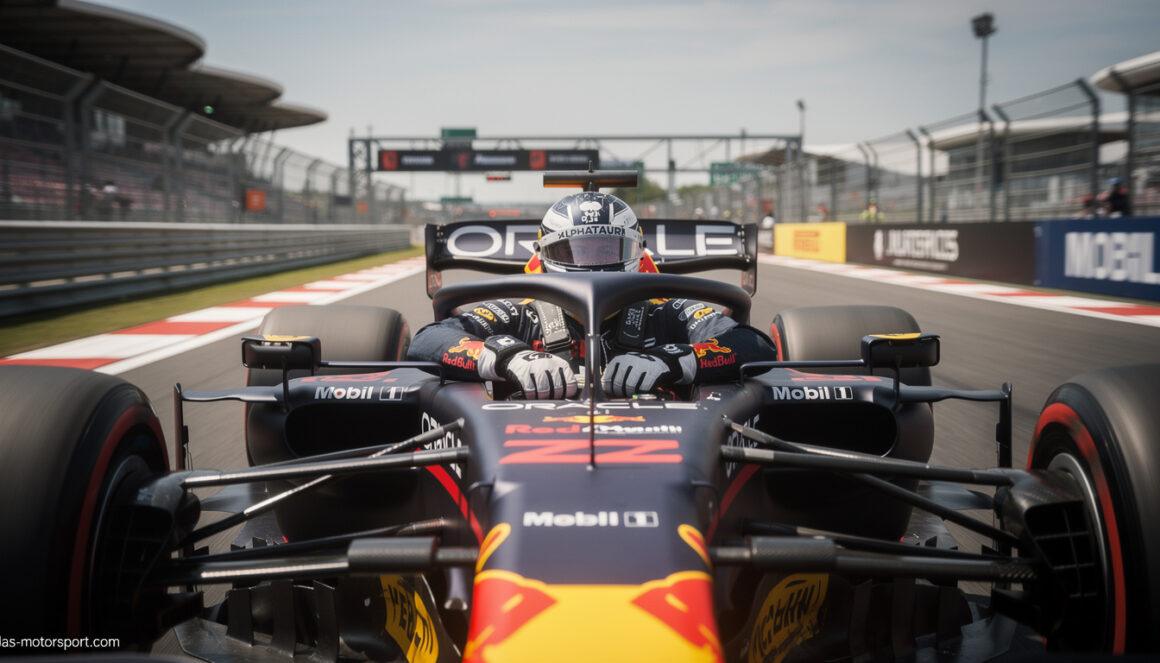
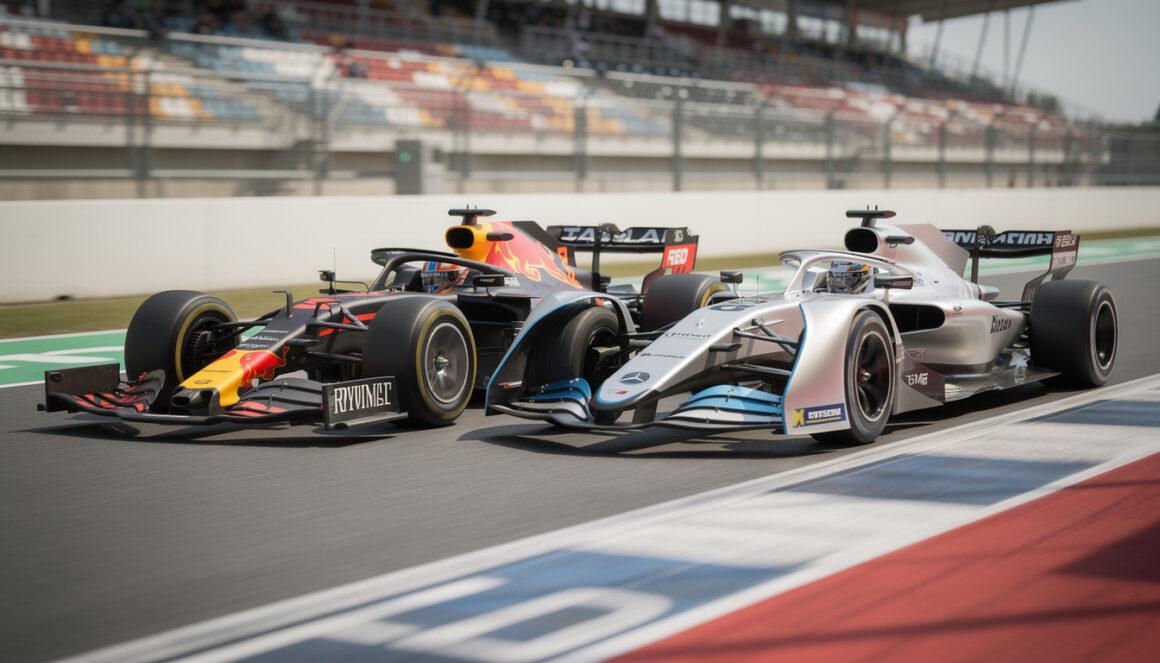
People conflate a hypercar with a grand prix machine. They are opposites. Wallace needed a nine-kilometre straight to find his highest top speed. A Formula 1 car sheds that kind of velocity in fifty metres of braking, then makes it back through a corner nobody in a road car would attempt.
There is no single answer to how fast F1 cars can go. Straight-line numbers, race pace and lap times each tell a separate story. Qualifying figures, race figures and test figures rarely match, which is why one question about how fast the cars go returns three different answers.
| Record | Car and driver | Where | Number |
| Highest speed ever officially logged at a grand prix weekend | McLaren MP4-20, Juan Pablo Montoya | Monza, 2005 | 231.5 mph |
| Fastest-ever speed in any F1 session | Williams FW38, Valtteri Bottas | 2016 European Grand Prix in Baku | 234.9 mph |
| Highest race speed logged in a grand prix | Williams FW38, Valtteri Bottas | 2016 Mexican Grand Prix | 231.4 mph |
| Fastest lap in F1 history by average speed | Red Bull, Max Verstappen | Monza, 2025 | 164.5 mph average |
| Fastest an F1 car has ever gone | BAR-Honda 007, van der Merwe | Bonneville Salt Flats, 2006 | 246.9 mph |
Juan Pablo Montoya’s Monza figure from 2005 still sits in the record books as the benchmark from an official timing beam. Kimi Räikkönen was close behind in the sister McLaren-Mercedes that season. Then came Azerbaijan. Qualifying there produced the fastest ever figure attached to an F1 car in competition. The speed trap caught Valtteri Bottas at 227 mph, yet the Williams team confirmed telemetry showing the car kept accelerating past the beam before he braked. DRS open and a slipstream from the car ahead did most of that work. The FIA never entered it as the official F1 top speed, so two numbers circulate depending on which rulebook you trust.
The strangest entry belongs to Honda. Honda brought an F1 car to the Bonneville Salt Flats in Utah in July 2006, removed the rear wing, added a stability fin, and allowed Alan van der Merwe, a previous medical car driver, to drive the vehicle on the salt. This two-way average set a record for the fastest speed achieved by an F1 car.On asphalt during testing the same chassis had already passed 256 mph.
Why monza keeps appearing
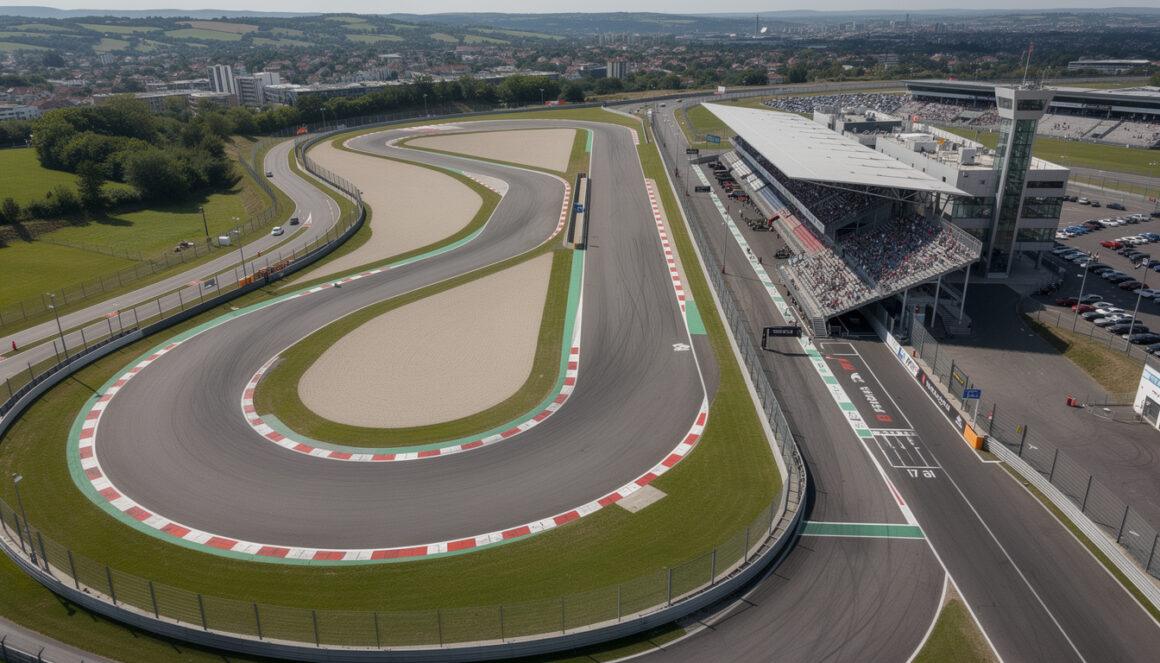
Monza earned the name temple of speed honestly. Drivers spend more than 80% of a lap at full throttle there, which is why the fastest average speed figures all live at that circuit rather than at a tighter one. The tifosi know it. A Ferrari has won there more often than any car from any other marque.
At the Italian Grand Prix of 2025, Max Verstappen did the pole lap time of 1:18.792, with average speed of 264.552 kph being registered on the 5.793-km-long circuit. The achievement shows an impressive gap from Lewis Hamilton’s record of 2020 and thus made it the current record for the fastest lap time ever registered.The Baku circuit has a long straight measuring 2.2 km, but it is the numerous ninety degree angles that spoil the record lap there. The lap record there belongs to a Ferrari, set in 2019.
Here is the counterintuitive part. Older cars from the V10 era found their top speed ever without DRS, running enormous engines and cruder aerodynamics. Modern F1 is quicker everywhere except in a straight line, because downforce buys time in corners a straight can never repay. Silverstone shows it plainly, where cornering speeds through Copse now exceed 180 mph. No world championship has ever been won on trap speed alone.
The 2026 reset
The 2026 regulations changed the shape of the argument. Lighter cars, a power unit split closer to fifty-fifty between combustion and electric, active aerodynamics with low-drag and override modes. Straight-line speed rises. Corner speed falls. The override mode lets a driver go faster on a straight when running close to the car in front, which should lift every qualifying tow.
Expect the 2026 cars to threaten the old straight-line figures at Monza and Baku while lap times stay slower than the 2025 generation of cars through fast, flowing sections. An F1 car built to the 2026 rules should still lose time over a qualifying lap to the machine it replaced. Whether any of them takes the record for the fastest lap will depend on the circuit rather than the calendar. Monza stays the fastest circuit on the schedule either way. Every race weekend there rewards low drag over grip. Top speed at a grand prix also depends on gearing, altitude and how much wing an F1 team removes, so the first 2026 races will settle little on their own.
What a VIN owner lookup tells you about a hypercar
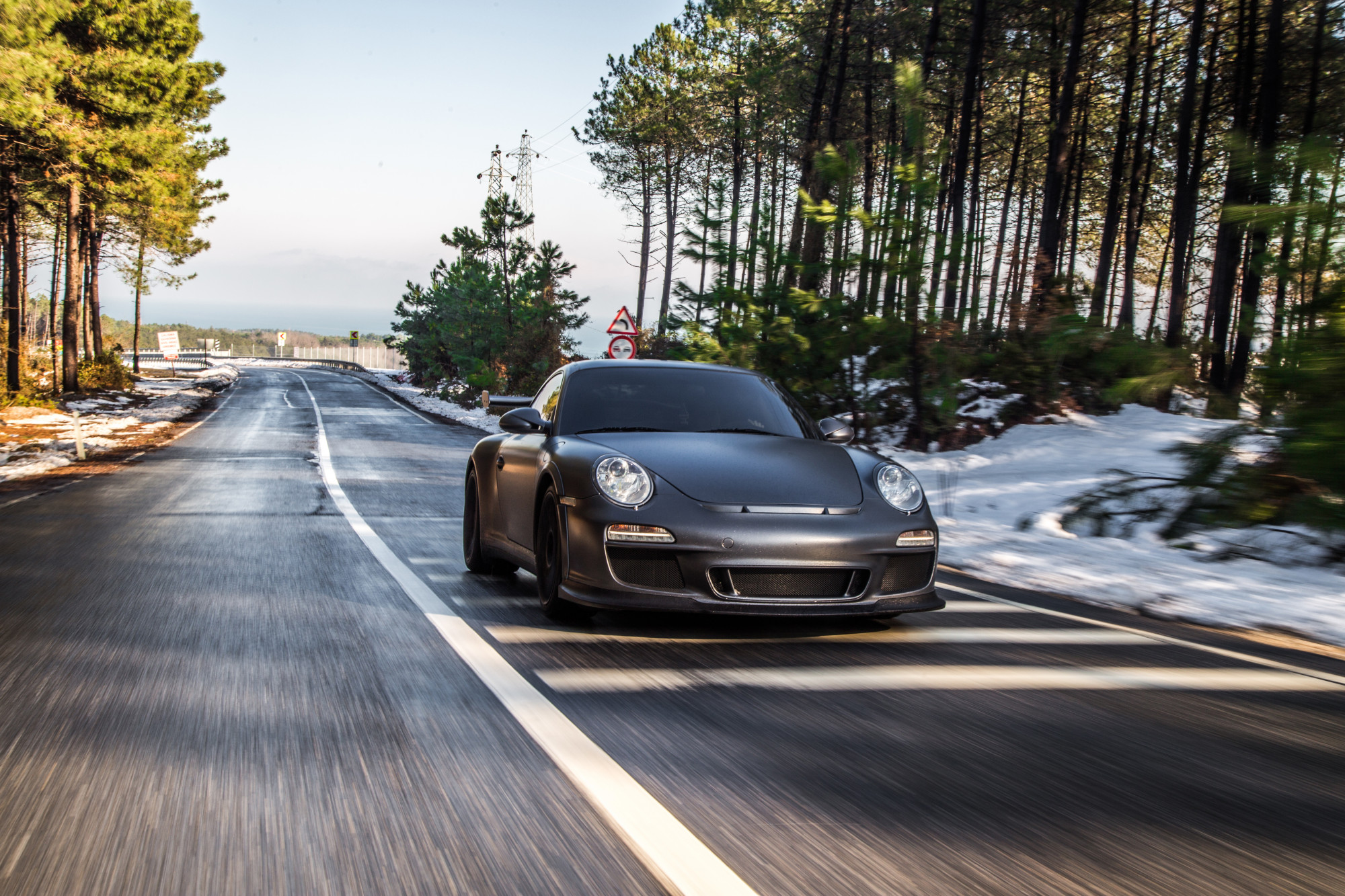
Back to the road. Every hypercar sold in the United States carries a seventeen character VIN. The chain of records attached to it answers questions that matter more than mileage.
- Dated ownership records showing how often the car changed hands
- States where it was registered or sold, which exposes title washing across borders
- Title brands including salvage, rebuilt and flood damage reported through NMVTIS
- Liens that can block a transfer at the worst possible moment
- Theft records with recovery status where available
- Odometer readings tied to dated records
- Salvage-auction appearances with photographs where they exist
Roughly 22.0% of vehicles have a salvage-auction appearance on file. For an ordinary sedan that is a bargaining chip. For a seven figure car it is the difference between an investment and a very fast liability. Ask yourself one question before wiring money. Does the seller’s story match the record chain or only the photographs?
Conclusion
Discover F1 records through numbers and two facts survive. Nobody has officially beaten Montoya in twenty years of grand prix racing. No naturally aspirated production car has matched what the McLaren managed in 1998. F1’s fastest machines keep evolving. The paperwork behind the road-going ones decides what they are worth. Run the identifier before you fall in love with the shape.
FAQ
Why is a grand prix car not the fastest car in a straight line?
Wings. It generates enormous drag to create grip, so it trades outright pace for the ability to carry speed through turns. Remove the rear wing, as Honda did at Bonneville. The same chassis goes much quicker.
Did Bottas really beat the record?
His own team verified it from car data. The FIA speed trap recorded a lower number, which is why the figure sits outside the official record books.
Does a VIN owner lookup give the previous owner’s name?
No. It returns the documented history attached to the vehicle rather than personal details, which stay protected under federal privacy law.
Can a real F1 car be registered for the road?
Not in any practical sense. No road-legal lighting, no ground clearance, plus a tyre and clutch life measured in minutes rather than years.
Will the new cars break the top speed record?
Possibly at a low-drag venue. Lower weight and the 2026 override mode help, though a clean tow matters as much as regulation.