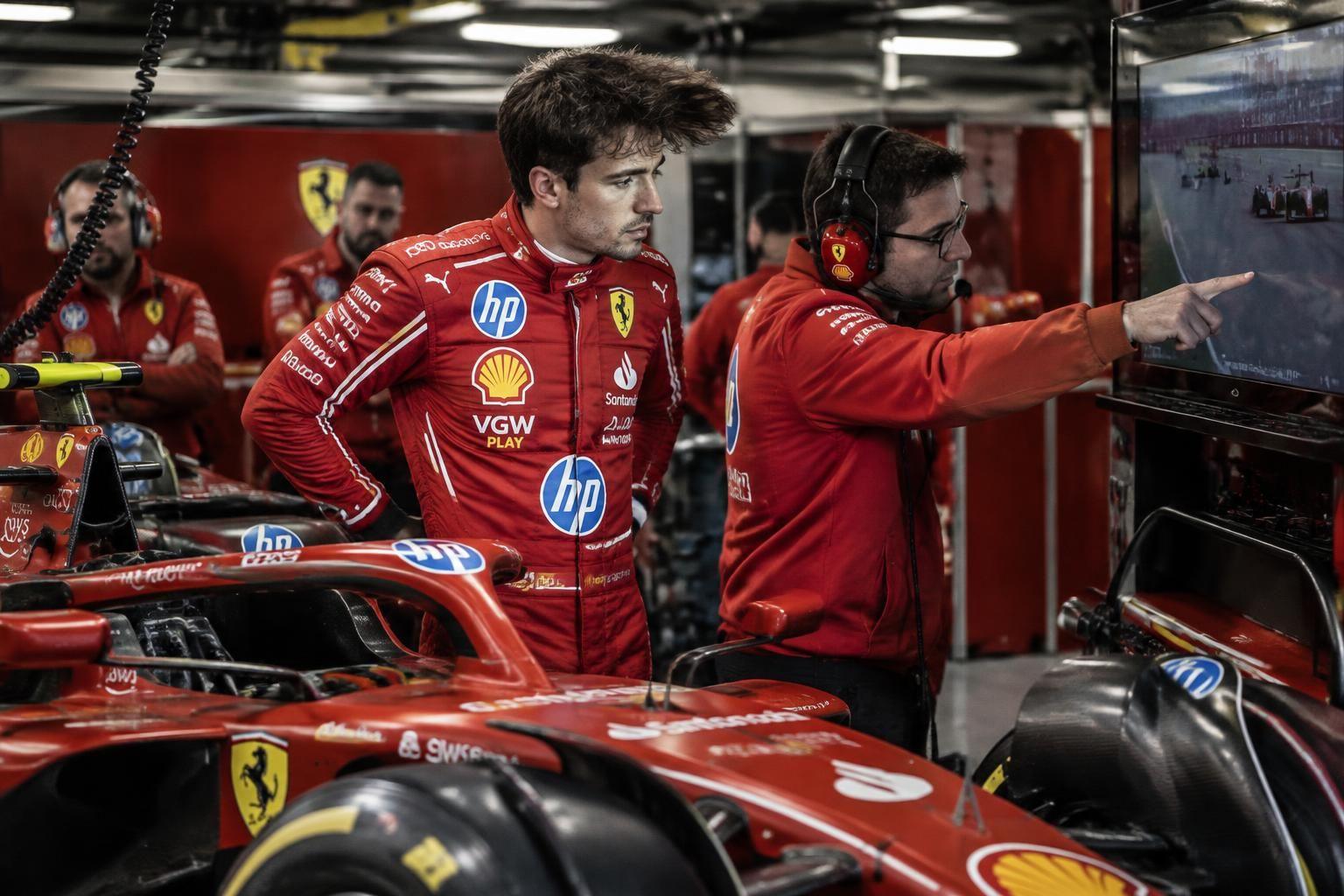

Leclerc identifies the moment Ferrari lost its shot at victory. Qualifying exposed a wider weakness. The fight now shifts to consistency.
Charles Leclerc left the United States Grand Prix with second place, a sharp late-race recovery and a blunt diagnosis: Ferrari could not sustain its pace across the whole weekend. The Monegasque had looked like a contender at the Circuit of the Americas, topping both opening practice sessions and the Q2 timesheets. But when the pressure peaked, Ferrari’s speed slipped away.
Leclerc started fourth and finished 13 seconds behind race winner Kimi Antonelli. He said the crucial moment came in Q3, where tyre warm-up trouble left him around 0.25 seconds off pole. The result was strong; the lost opportunity still stung.
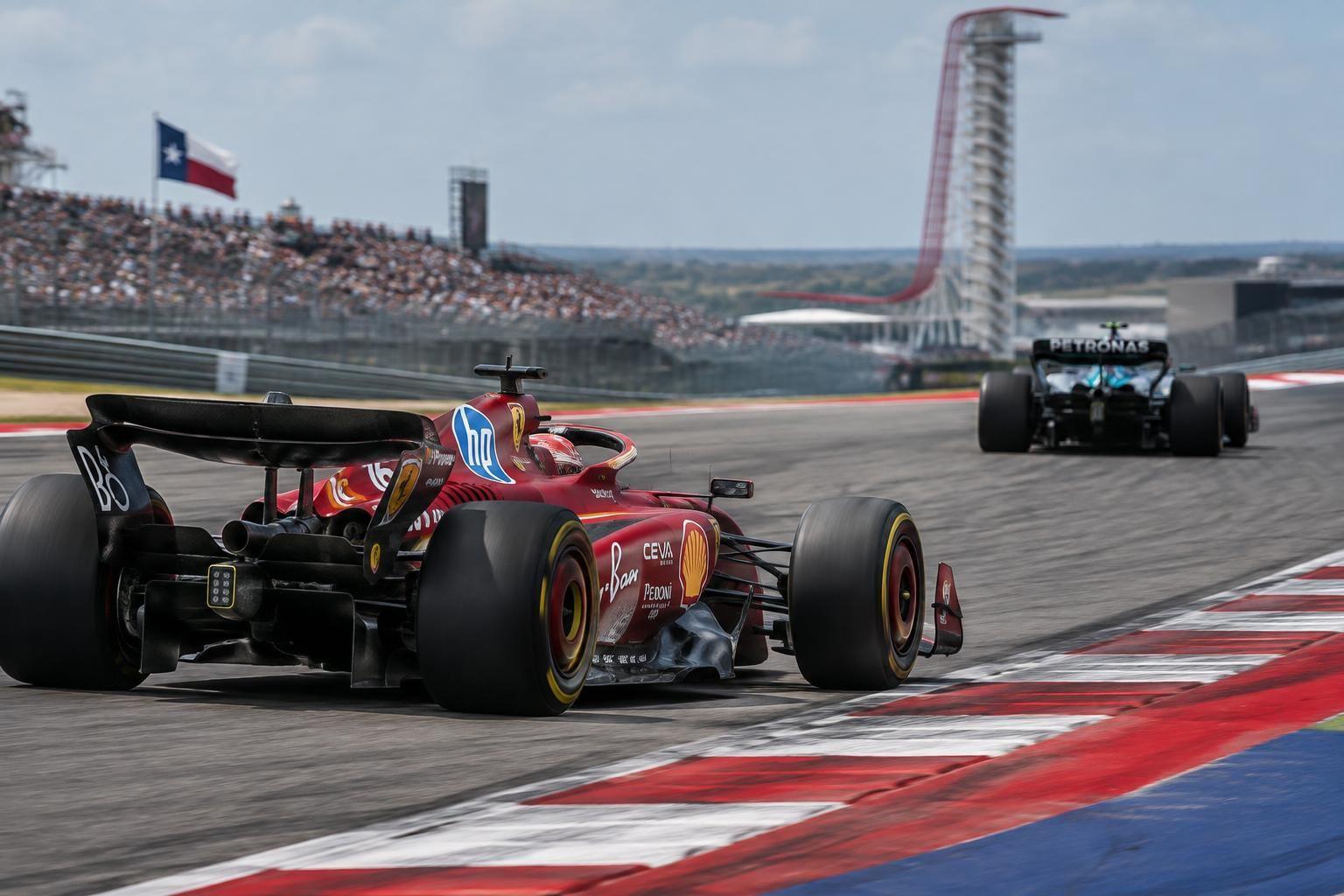
How qualifying cost Leclerc a race victory at COTA
The weekend’s pace chart made the drop-off hard to ignore. Ferrari had looked quick through practice, and Leclerc carried that form into Q2, only for the final qualifying session to expose a weakness in getting the tyres into their working window. Against Antonelli, who secured pole, that narrow deficit put Leclerc on the back foot before the lights went out.
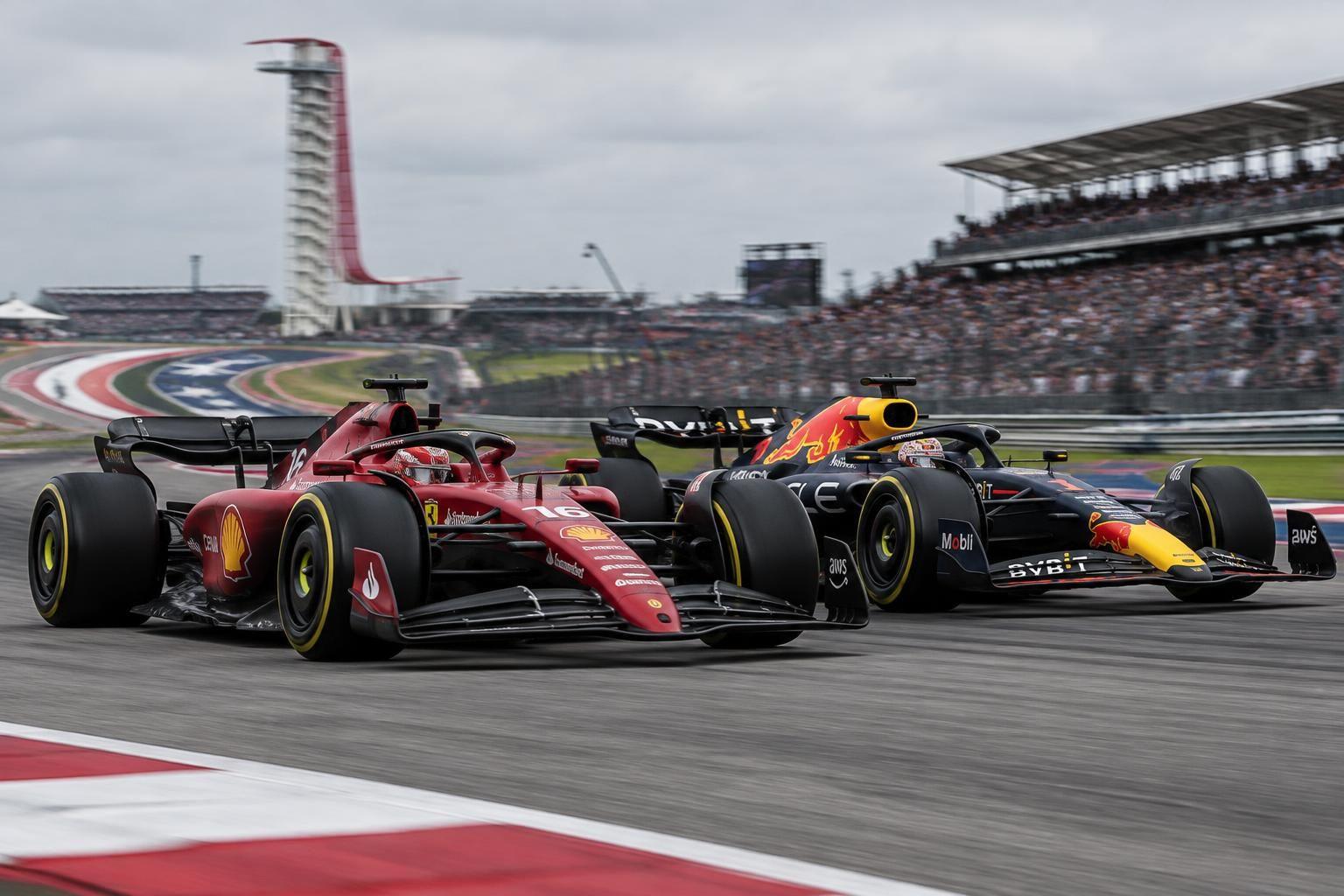
That matters because COTA rewards track position as well as pace. Starting fourth left Leclerc needing to attack, manage tyre life and find a way past cars ahead, rather than dictate the opening phase. He described the race as enjoyable, with close fights involving Lando Norris and Max Verstappen, but the grid had already narrowed his route to the top step.
Ferrari’s two-stop race strategy delivered pace, not the win
Ferrari responded with an aggressive two-stop race strategy, using strong late pace on the hard compound to bring Leclerc back into contention. He passed Verstappen in the closing stages and secured second, while Antonelli made a one-stop plan work from pole. The contrasting approaches shaped the finish: Ferrari gained speed late, but Mercedes protected the lead.
There was no clear evidence that a single pit stop or a standalone strategic error decided the result. Leclerc’s own account pointed instead to the qualifying deficit and a more persistent issue: Ferrari’s performance varied too much from session to session. That wider concern echoes scrutiny of the team’s decision-making, including this earlier look at Ferrari’s strategy calls.
Ferrari’s performance concerns raise pressure on its championship push
Leclerc called the result positive, but made clear that a podium is not the target. “As a whole weekend, we’re just not robust enough,” he said, drawing a direct line between strong practice form and the Q3 tyre issue. For a team chasing a championship, reliability of execution matters as much as outright speed; a fast car needs to deliver when qualifying sets the race’s terms.
The challenge is practical: understand why tyre preparation proved so difficult in Q3, then ensure the fix does not compromise race pace. Ferrari’s planned development work will face the same test, as discussed in this report on its pursuit of an upgrade advantage. Leclerc’s second place keeps the result column moving, but the performance concerns remain a live issue for Ferrari and its Formula One campaign.