
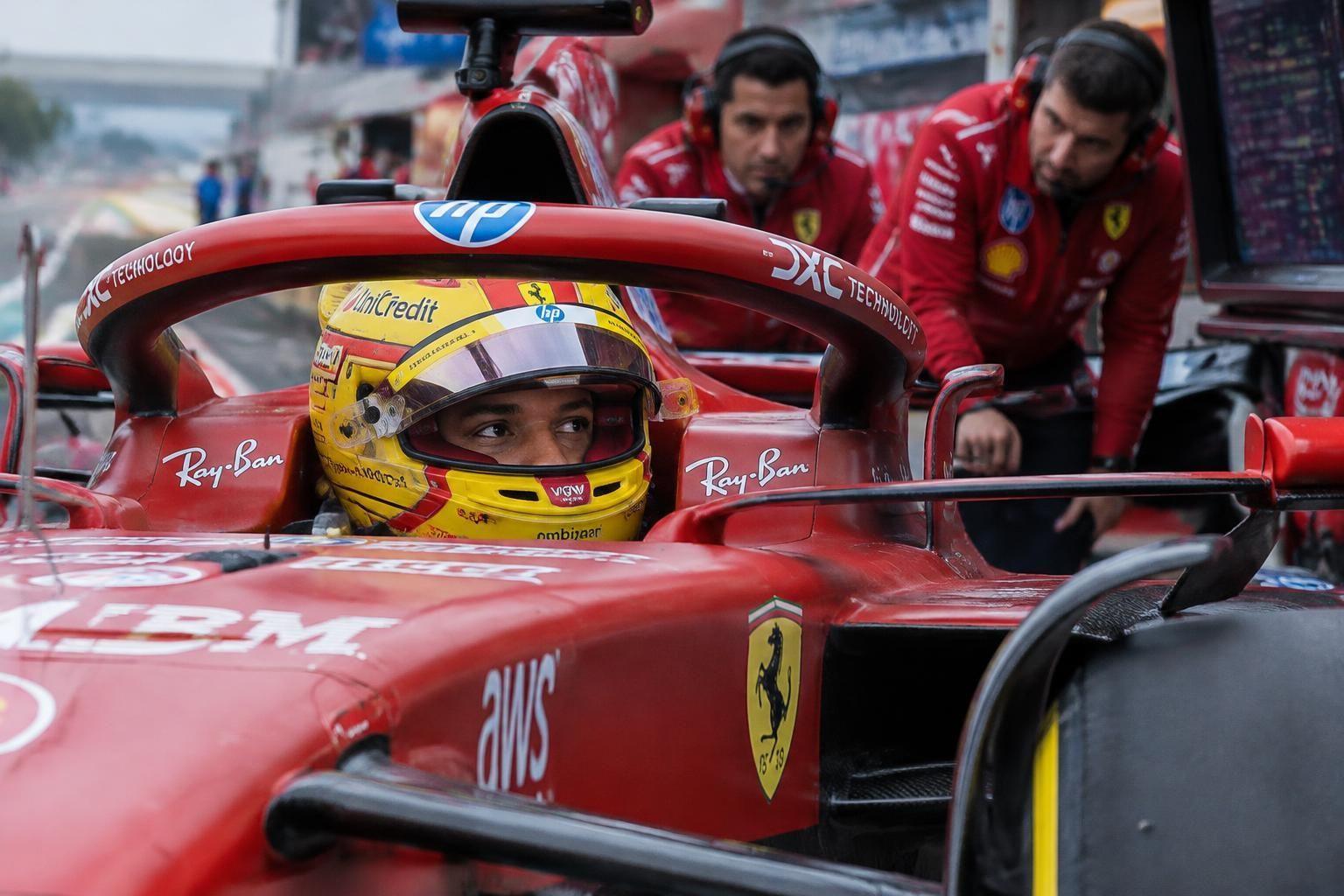

Ferrari must reset with Hamilton. Singapore exposed the cracks. Another strategy call has cost them.
Ferrari face fresh questions over their race management after Lewis Hamilton finished sixth in Singapore, having started third. Team-mate Charles Leclerc secured second behind Max Verstappen, turning a difficult night for the Briton into a sharp contrast inside the same garage.
The result followed a costly tyre call in Malaysia, where Hamilton began on slicks in wet conditions despite preferring intermediates. Former Formula One driver Karun Chandhok says the back-to-back episodes demand a performance reset, with trust between the driver and pit wall beginning to crack.
Singapore added another layer of confusion: Hamilton apologised over the radio at the finish and accepted responsibility for opting not to pit under the virtual safety car. Yet Chandhok’s concern is broader than one call. When a driver and team appear divided over who made the decision, clear communication becomes part of the racing strategy, not a sideshow.
Ferrari’s Singapore strategy left Hamilton isolated
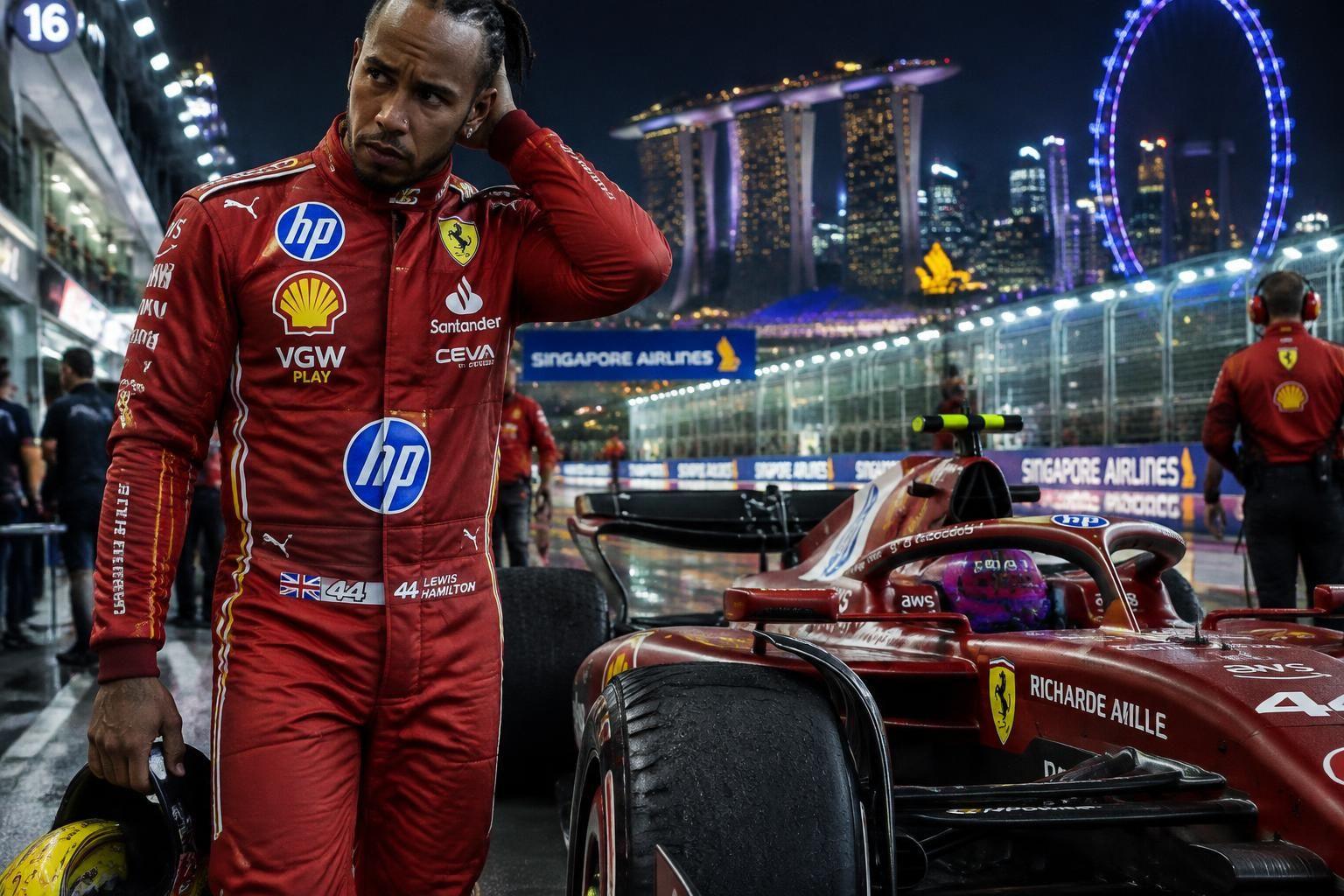
Hamilton started on medium tyres and became the first driver among the top seven finishers to make a pit stop. That sequence left him on a different path from the leading runners, and Ferrari’s call did not deliver the track position or tyre advantage the team needed.
Chandhok highlighted the contrast with Leclerc, whose second place brought 18 points while Hamilton collected eight. The split widened scrutiny of Ferrari’s team tactics, particularly after the British driver chose to stay out during the virtual safety car rather than follow the pit wall’s expected course.
The Singapore episode also sits alongside a difficult Malaysia decision. In rain-affected conditions, Ferrari sent Hamilton onto slicks while rivals on intermediates gained time; ahead of the next round, he defended the team before explaining that others had persuaded him to accept that choice. The shifting account is why Chandhok sees confidence fraying, as discussed in this look at Ferrari under pressure.
Why Ferrari needs a racing strategy reset
Chandhok’s case for a reset rests on the disconnect between the driver’s preference and the calls made on the pit wall. At Marina Bay, he noted, Hamilton had first defended the Malaysia choice, then said he had wanted intermediates but had been talked into slicks during a team meeting.
That does not prove Ferrari ignored its driver, nor does one race settle the question of responsibility. It does show why teams need a shared decision process: clear options, quick feedback and an agreed final call when weather, tyre life or a safety-car window shifts the race.
Hamilton’s Singapore apology matters, but it does not erase Ferrari’s part in the strategic picture. The team had him on mediums, pitted him first among the leading seven, and then watched him decline a stop under the virtual safety car; each choice shaped the next. A previous Ferrari call that cost him a podium offers further context in this report on Hamilton’s strategy frustration.
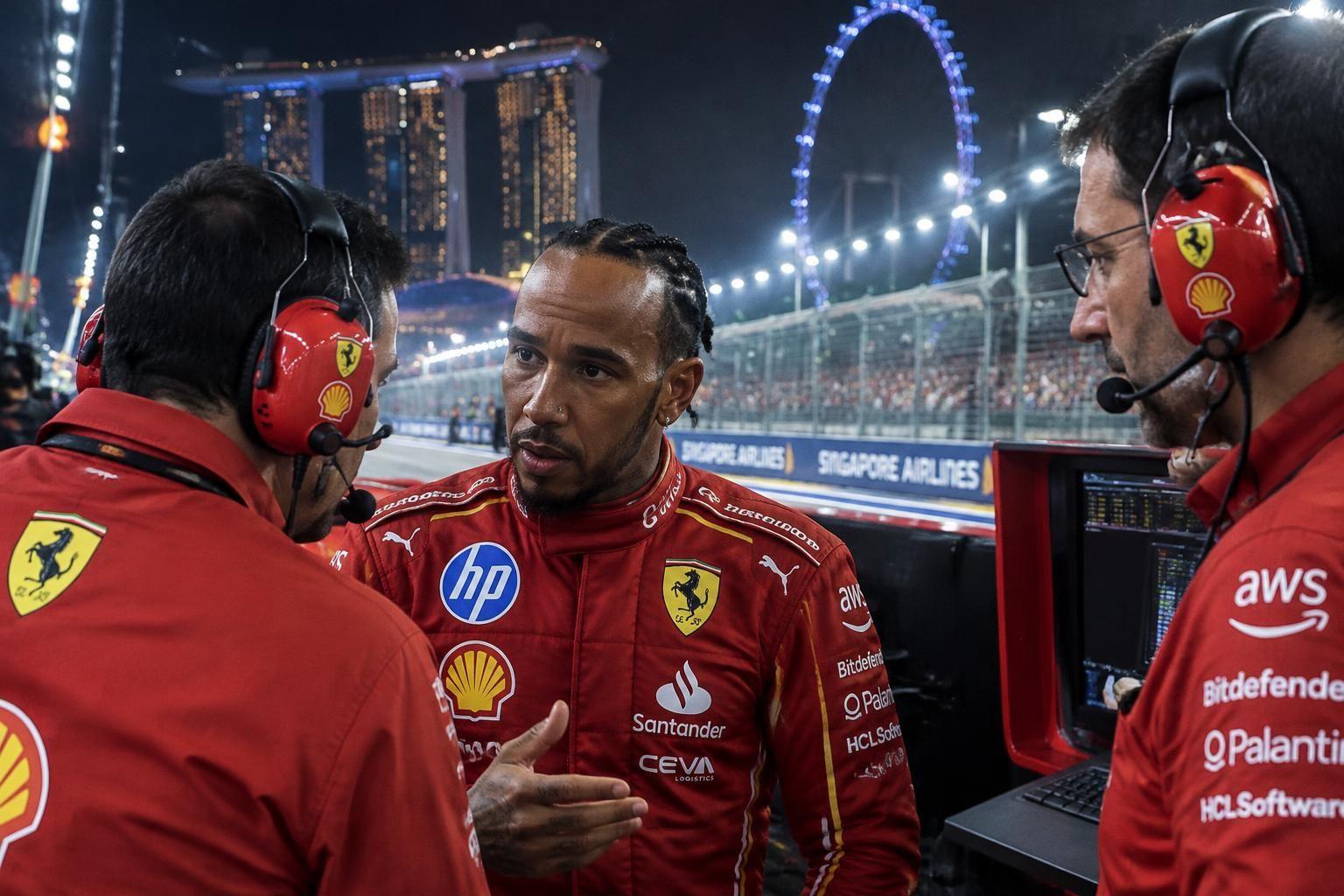
Hamilton and Ferrari face a test in the final rounds
The immediate championship cost is visible in the Singapore points: Leclerc gained 18, while Hamilton took eight. Across the closing rounds, Ferrari cannot afford to let a strategy misstep become a recurring drag on both drivers’ results.
That calls for more than faster reactions at the pit wall. Ferrari must give Hamilton confidence that his feedback reaches the people making decisions, while the driver needs to communicate clearly when he disagrees with a call in real time. The discussion of Fred Vasseur’s response to criticism shows how closely the team’s handling of the issue is being watched.
Singapore was not simply a bad result; it exposed a process that looked unclear at several points in the race. For Ferrari, the performance reset starts with making strategy decisions legible to the driver before the next costly decision arrives.