
Max Verstappen calls out abuse of GT teammate. Portimão penalty sparks online backlash. The Dutchman draws a line.
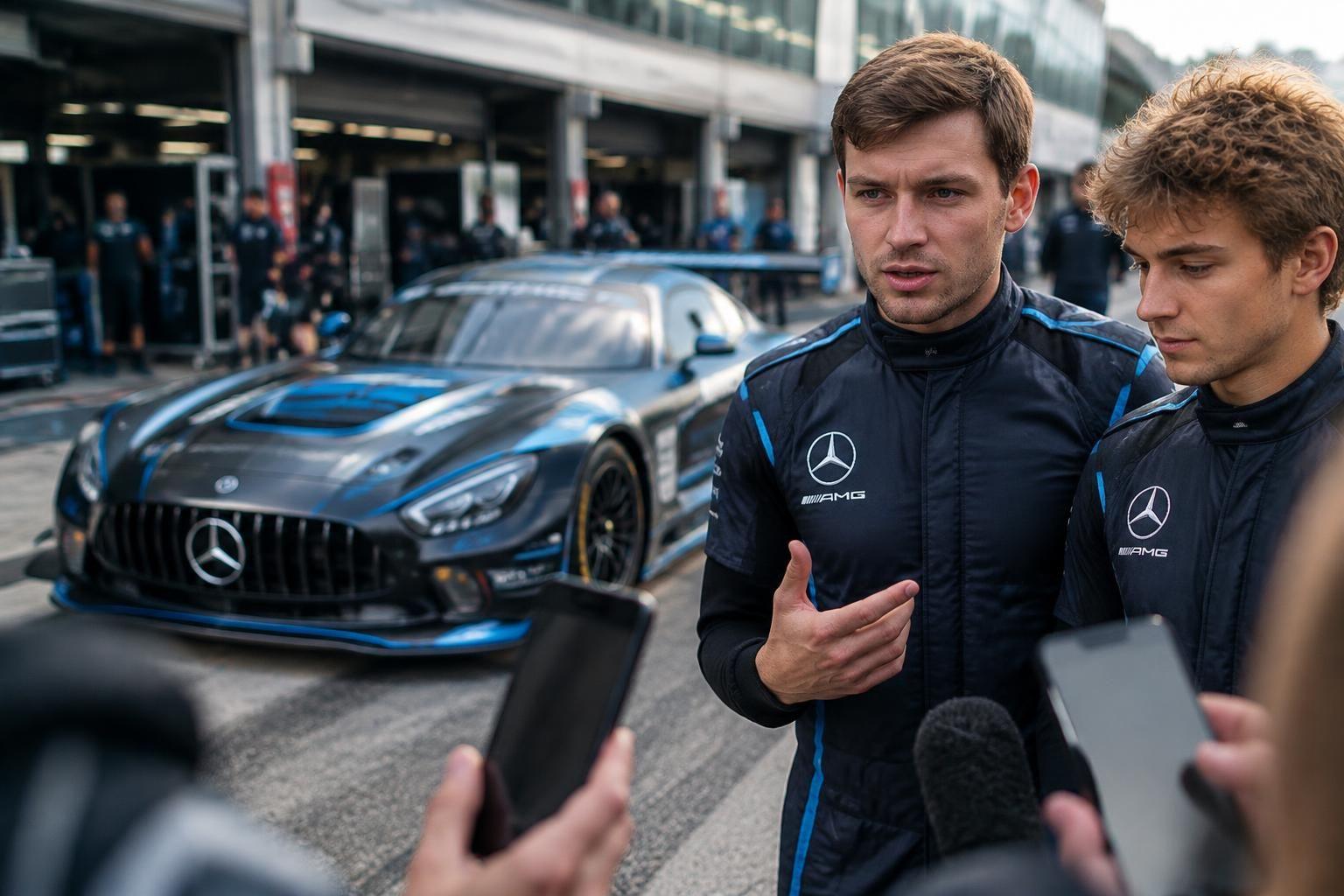
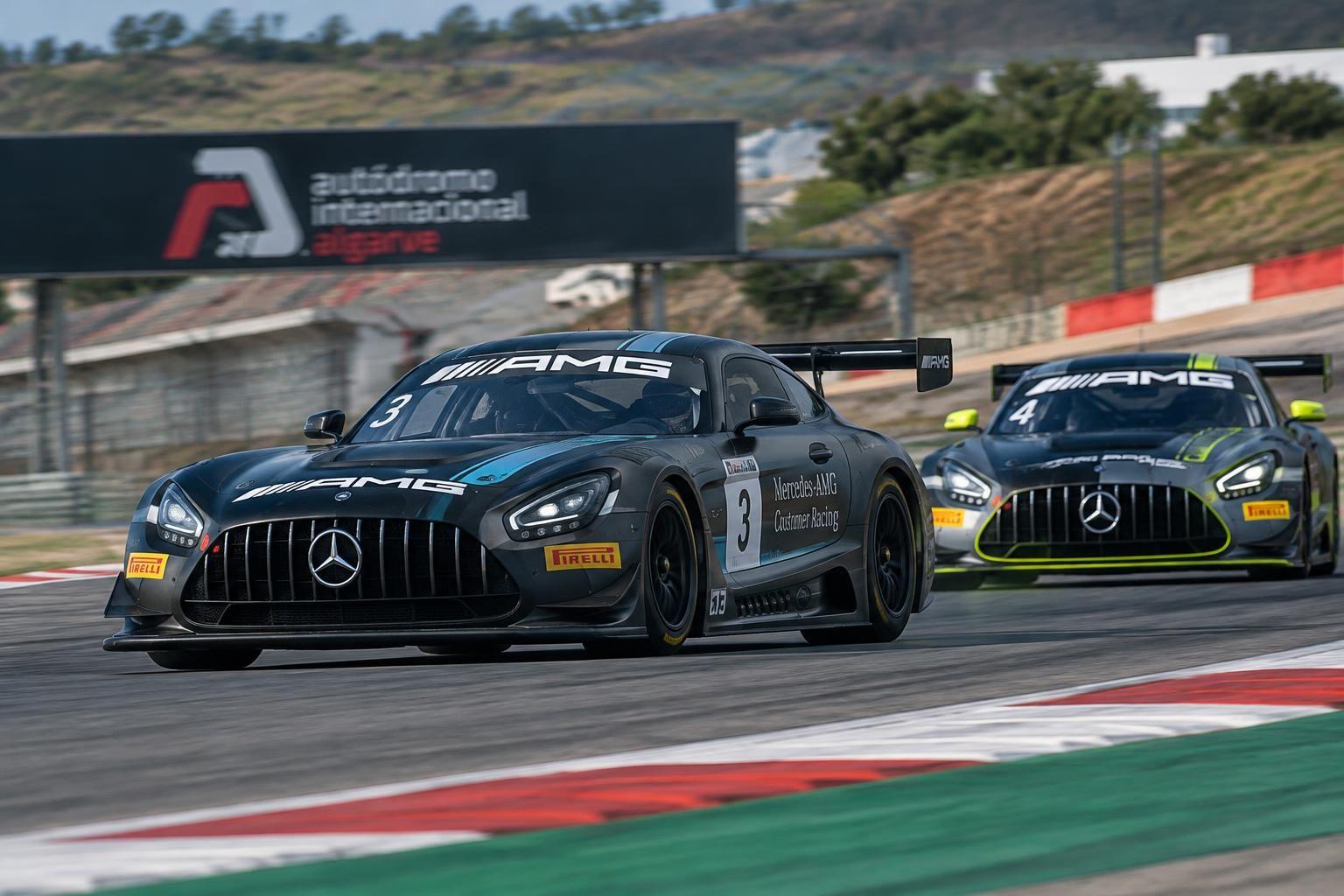
Max Verstappen has condemned the personal attacks aimed at Chris Lulham after a penalty reshaped their GT World Challenge race at Portimão. The incident happened during Lulham’s stint in the #3 Mercedes, shared with Verstappen and Ben Barnicoat. A drive-through dropped the car to 24th before Verstappen climbed back to ninth in the final stint. The result brought a late pass on Arthur Leclerc, but the race’s aftermath moved from the circuit to social media. Verstappen used his own platform to defend his teammate and reject online abuse.
The message was direct: fans can debate a racing incident, but personal attacks cross a line. His intervention puts driver support at the centre of a familiar motorsport problem—how a split-second moment can trigger a wave of online harassment long after the chequered flag. For the racing community, the distinction between criticism and cyberbullying is not hard to make; the challenge is making that boundary stick.

Portimão penalty puts Chris Lulham in the online firing line
Barnicoat handed the #3 Mercedes to Lulham for the middle stint on Saturday. During that run, Lulham made contact with the #48 Mercedes, and stewards issued the #3 a drive-through penalty. By the time Verstappen took the wheel for the closing stint, the team had fallen to 24th.
Verstappen recovered places with pace and persistence, reaching ninth and passing Arthur Leclerc late in the race. That comeback gave the team a strong finish after a costly setback, but it did not erase the penalty—or justify the personal abuse that followed. The incident can be assessed on track; targeting a driver online is a different matter.
Verstappen Racing described the weekend as a positive learning experience despite its ups and downs. In his Instagram statement, Verstappen said Lulham had delivered a strong stint, acknowledged that mistakes can happen, and insisted there was no place for abuse in sport or elsewhere.
Why Verstappen’s response matters beyond GT racing
The post did not try to settle the contact or tell fans what to think about the penalty. Instead, Verstappen drew a clear boundary between sporting opinion and personal harassment. That distinction matters when drivers, teams and officials communicate through social media, where criticism can quickly become a targeted pile-on.
The pattern has surfaced elsewhere in the paddock. Pierre Gasly’s account of abuse after an Alpine incident shows how online hostility can reach beyond the driver involved. Alpine’s condemnation of abuse following comments involving Lando Norris and Franco Colapinto offers another example of teams speaking up.
Driver support after the race: a message to fans
Verstappen’s statement also carried weight because it came from a teammate, not a distant observer. He praised Lulham publicly at a moment when the Briton was receiving personal attacks, turning a private team bond into visible driver support. In a sport where a penalty can define the headlines, that show of solidarity shifted attention to the people behind the result.
For fans following F1 news and paddock developments, the episode underlines how quickly a race dispute can travel beyond the circuit. The #3 crew still left Portimão with a ninth-place recovery and lessons from a difficult stint sequence. Verstappen’s message was simpler: debate the move, question the call, but leave personal abuse out of motorsport.