
McLaren opens the door. Cost-cap reform remains complicated. Zak Brown is ready to talk.
McLaren CEO Zak Brown has left the door open to changing Formula 1’s cost-cap rules, backing discussion without endorsing a specific reform. The debate has gathered pace after Williams team principal James Vowles argued that the current system protects teams whose major facilities pre-date the cap.
Introduced in 2021, the spending limit was designed to curb budgets and tighten competition. Vowles wants a mechanism that would let teams behind in the standings make up ground through adjusted capital or operating allowances, but the proposal has split the paddock. Alpine, Aston Martin, Audi and Cadillac offer partial support; Haas and Racing Bulls oppose expanding capital spending limits.
Brown says the sport should keep reviewing its financial, sporting and technical regulations, while warning that the matter is far from simple. After consecutive constructors’ titles, McLaren has a stake in the debate, but Brown points to people and culture—not infrastructure alone—as the difference-makers. The question is whether team discussions can produce issue resolution without reopening a spending race.
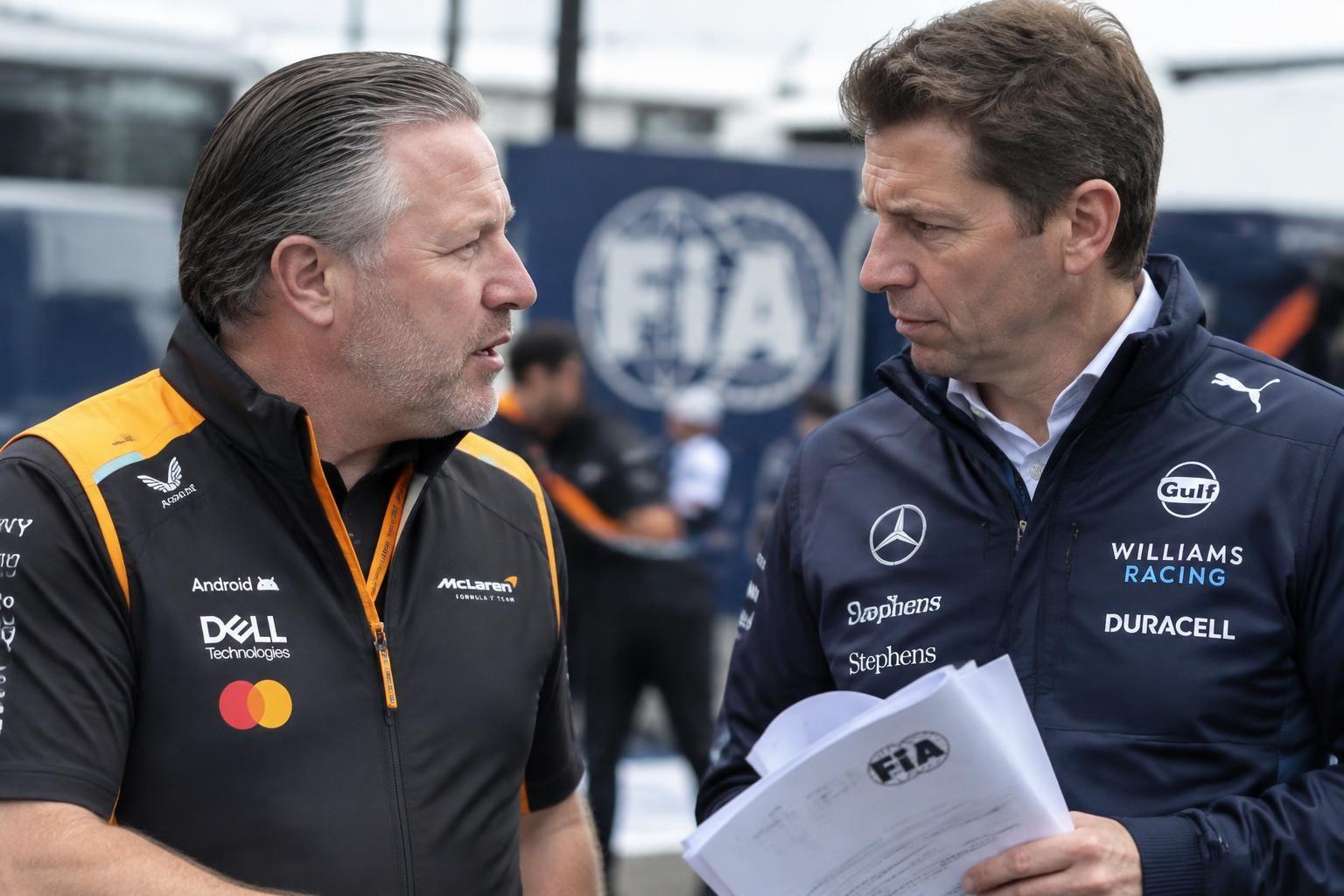
McLaren and Williams push the Formula 1 cost-cap debate
Vowles’ argument centres on an uneven starting point. A team that built extensive facilities before the cap arrived can still benefit from that investment, while a newer operation must fit upgrades into today’s limits. His proposed sliding allowances would tie extra spending capacity to championship position, directing support towards teams that need to close the gap.
That idea has triggered a familiar F1 controversy: how to improve competitive balance without rewarding poor results or weakening financial discipline. Front-running teams warn that wider allowances could restart the spending war the cap was built to contain. The split is about more than accounting; it tests how far team management should intervene in the competitive order.

Zak Brown’s cost-cap strategy: culture over infrastructure
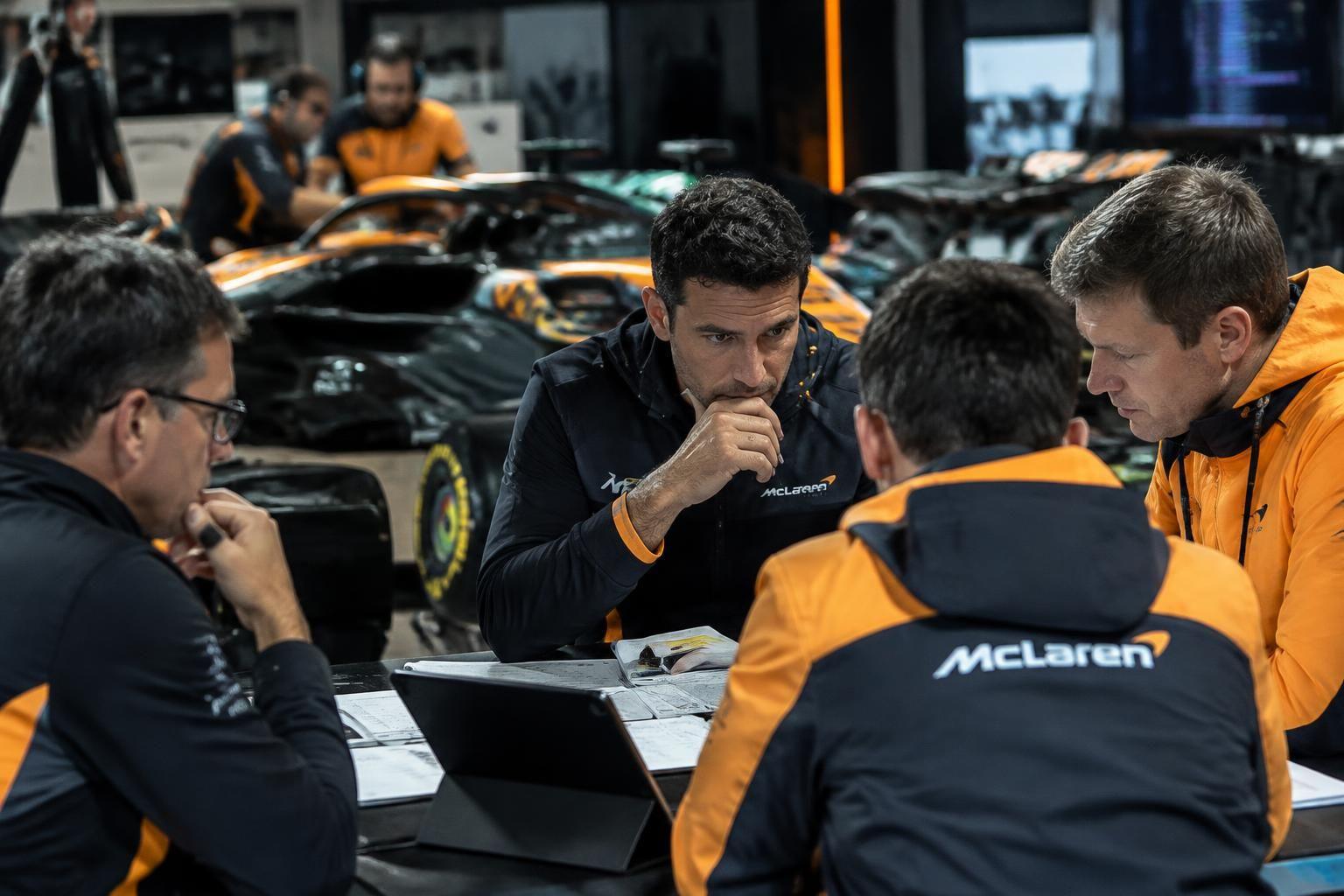
Brown says McLaren does not have the largest—or second- or third-largest—infrastructure on the grid, and competes with a customer power unit. He argues that those limits have not stopped the team winning titles because its people perform well. His point challenges the assumption that facilities alone decide who can fight at the front.
He also sees progress in combining capital expenditure with operating expenditure, which forces teams to choose where to invest. That is a strategic trade-off: factory tools, development staff and driver recruitment all draw on finite resources. For related context on the team’s engineering approach, see McLaren’s aggressive F1 car development and the latest F1 news and analysis.
What cost-cap reform could mean for the 2027 Formula 1 rules
Brown points to a grid he describes as the closest in the sport’s history last season, with four teams winning and a fifth taking pole this year. That evidence supports his view that competition is already strong, even as teams continue to argue over whether legacy advantages distort it. For McLaren, the rivalry on track does not remove the need to scrutinise the rules behind it.
Any change must pass through the FIA Cost Cap Administration and Financial Advisory Committee before reaching a formal vote at the F1 Commission. The process could take months or stretch across multiple seasons, leaving Vowles to build broader support ahead of the 2027 regulatory cycle. Brown has not committed McLaren to the proposal; he has signalled that a difficult conversation is still worth having, as the team’s recent competitive battles keep the balance question in view.