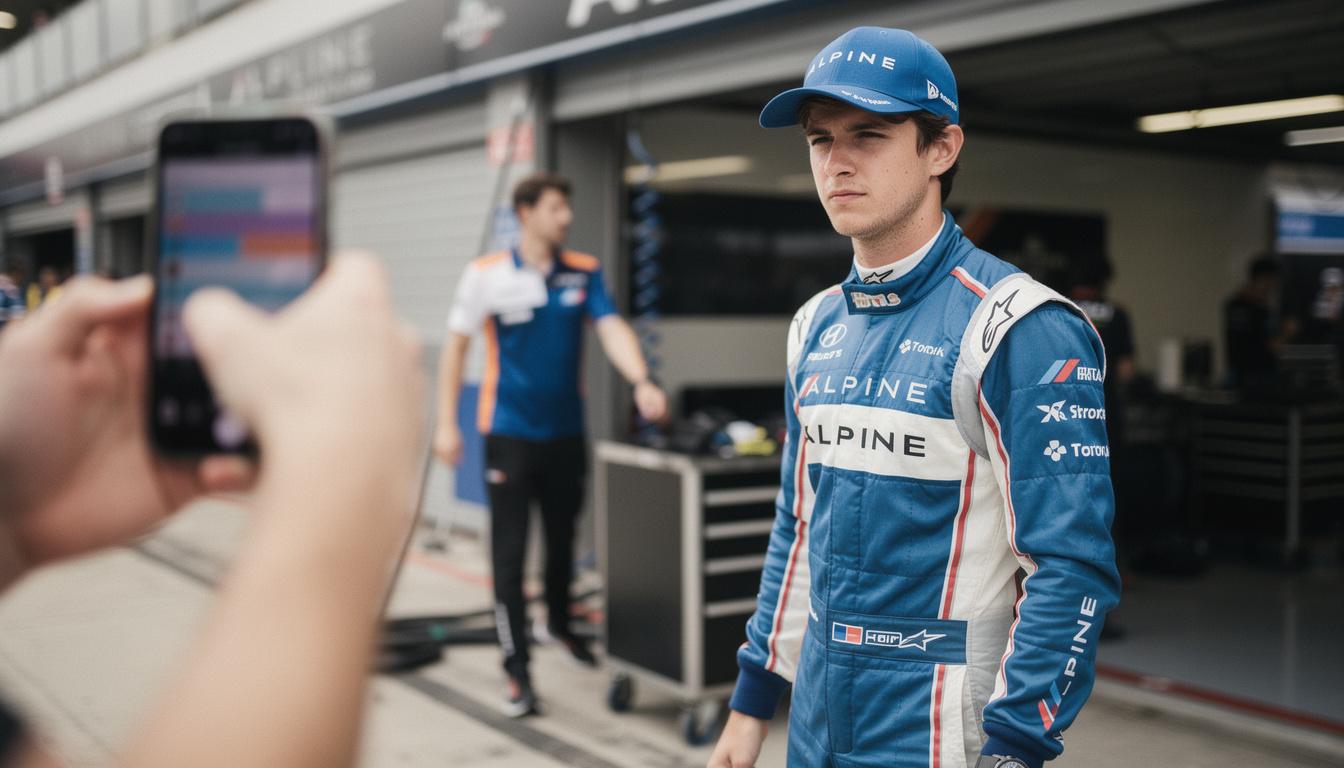

Alpine condemns online abuse again. Norris’s comments on Colapinto intensify the backlash. The Baku crash remains at the centre of the row.
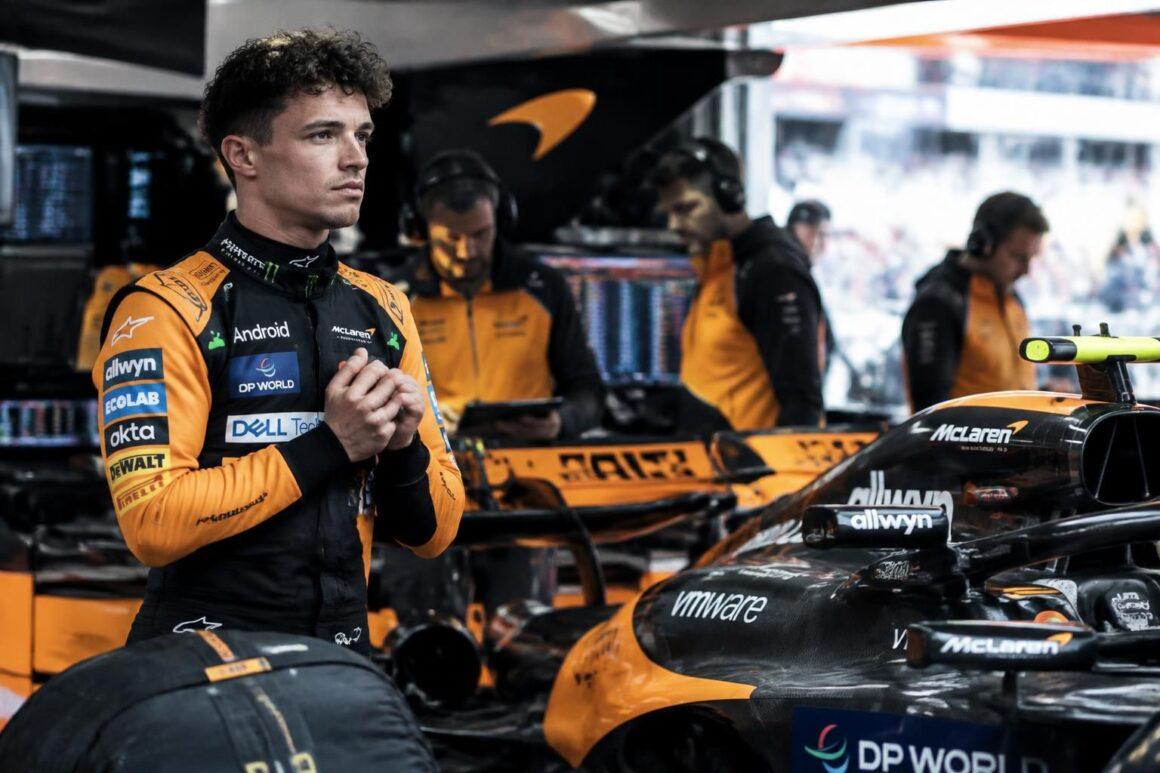
Alpine has renewed its condemnation of online abuse after Lando Norris drew fierce reactions for his comments about Franco Colapinto. The dispute follows the Azerbaijan Grand Prix collision at Baku, where Colapinto’s move at the first Safety Car restart ended the races of Norris and Alpine team-mate Pierre Gasly.
Norris argued that Colapinto should not be in Formula 1, prompting a wave of hostile responses on social media. Alpine’s latest statement puts the focus back on the line between criticism of a driver’s actions and harassment of a person. That distinction matters when one incident becomes a rallying point for rival fan groups.
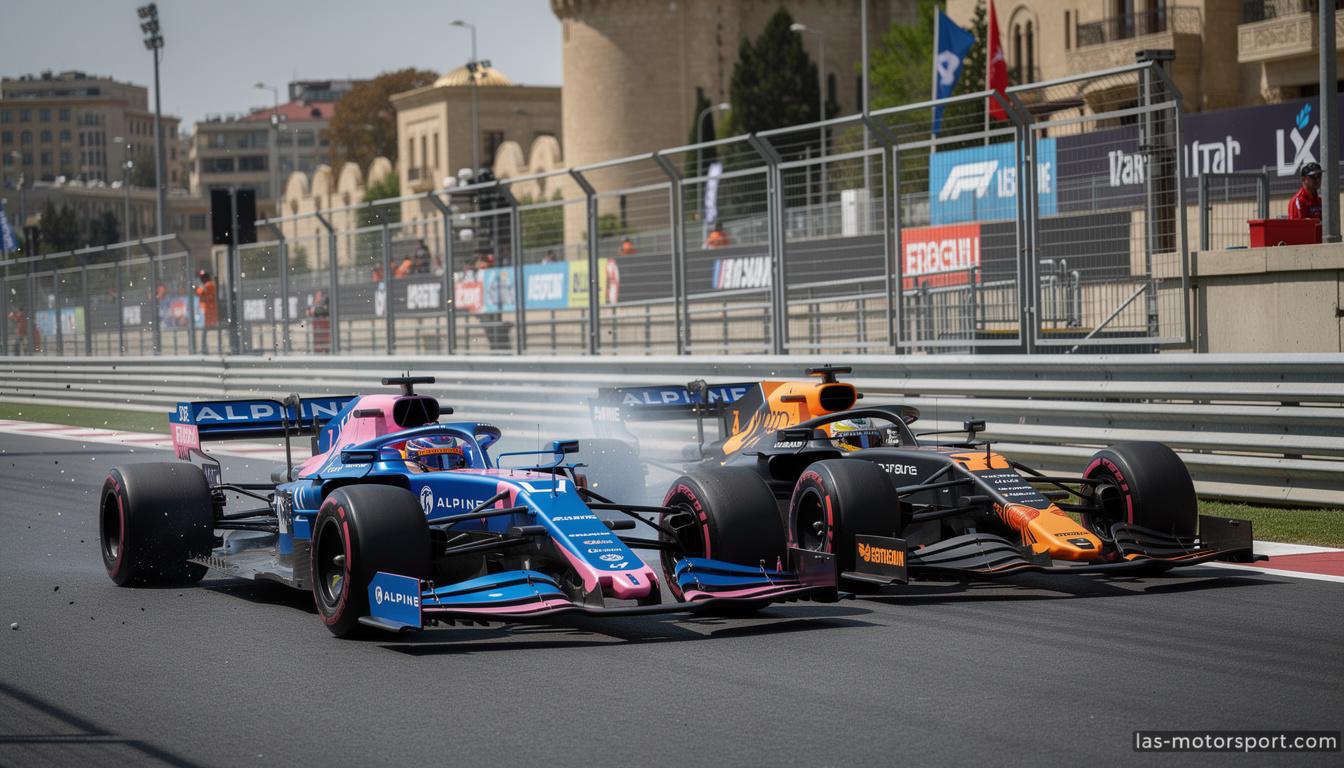
Alpine condemns online abuse after Norris’s Colapinto comments
The Baku clash supplied the immediate spark. At the first restart, Colapinto went deep at Turn 1 and hit Gasly’s Alpine; the incident also took Norris out of the race. Colapinto accepted responsibility and received a five-place grid penalty for the next round in Malaysia, according to the reporting surrounding the incident.
Norris’s subsequent remarks shifted the debate from the collision to the driver himself. His criticism of Colapinto’s place in Formula 1 provoked responses that Alpine says crossed into abuse, while Norris also became a target. The team’s message is clear: a controversial move can be examined without turning the people involved into targets.
Driver comments, racing criticism and the social media pile-on
There is no shortage of legitimate debate around the restart. Colapinto’s responsibility, the penalty and the consequences for both Alpine cars can all be discussed through the usual lenses: judgement, braking point and racecraft. But online abuse adds nothing to that analysis; it replaces scrutiny of the decision with attacks on the driver.
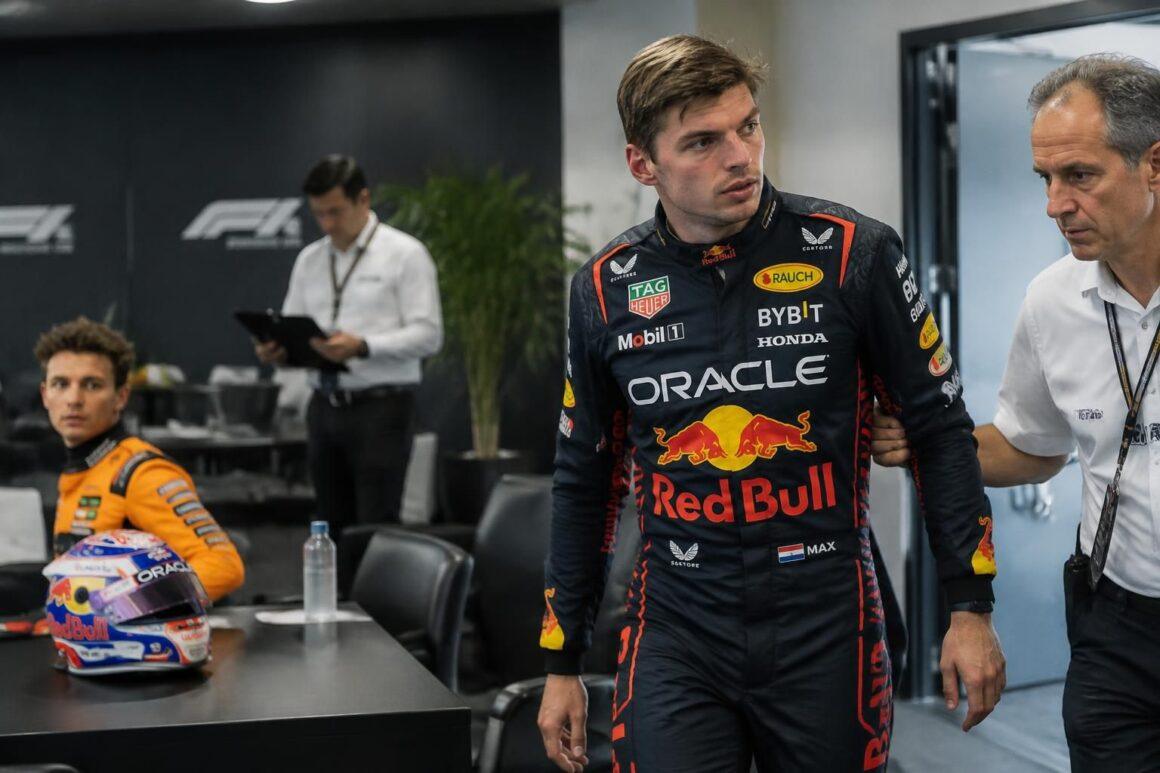
That problem reaches beyond this one flashpoint. Gasly’s account of abuse after an Alpine incident shows how quickly race-weekend hostility can follow a driver away from the circuit. A separate discussion of fan conduct has also surfaced around the hostility directed at Max Verstappen’s supporters, underlining that no team’s fanbase sits outside the conversation.
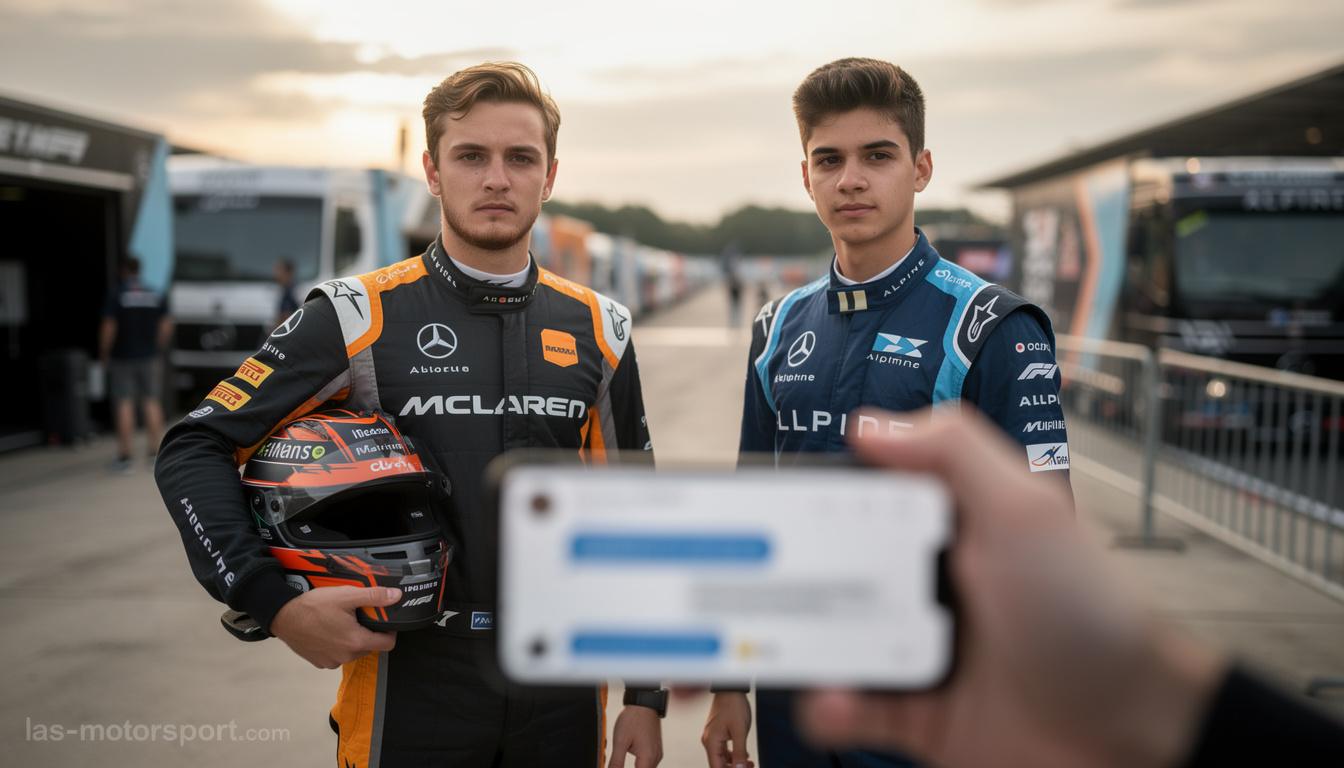
Formula 1 faces a sportsmanship test beyond the circuit
Alpine’s renewed condemnation makes the team’s position explicit, but teams cannot moderate every post made by fans. The practical response begins with clear standards, prompt reporting and a refusal to treat harassment as an inevitable cost of public life. Formula 1 and its teams have repeatedly had to address abuse directed at drivers after contentious moments.
The episode also exposes how quickly social media can flatten a complicated incident into a single verdict. A penalty does not settle every argument about a driver’s judgement, just as an angry comment does not justify threats or personal attacks. For Norris, Colapinto and Alpine, the sporting discussion remains open; harassment should not be part of it.