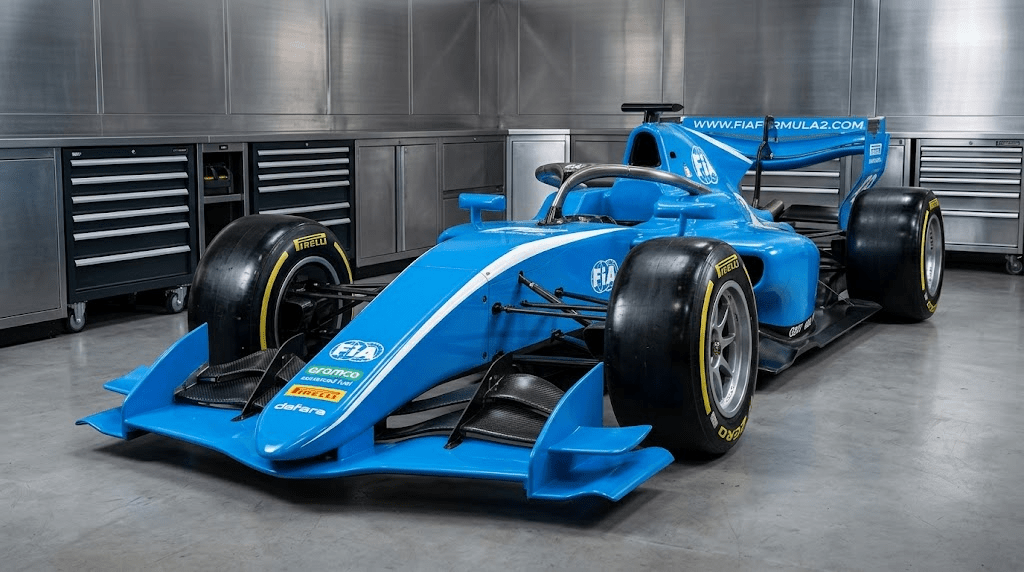

Formula 2 has unveiled a radically innovative new car set to debut in the 2027 season, promising an exciting leap forward for the feeder series. The new design, revealed at Monza ahead of the Italian Grand Prix, aligns closely with Formula 1’s latest styling while focusing heavily on safety, sustainability, and thrilling racing action.
This step cements F2’s role as the ultimate proving ground for young drivers aspiring to reach the pinnacle of motorsport. The car will compete from 2027 through 2029, marking a clear evolution rather than a complete overhaul. The current generation, in service for three years, culminates this season with Red Bull junior Nikola Tsolov atop the standings. FIA President Mohammed Ben Sulayem has highlighted the new model’s blend of innovation, driver preparation, and fan engagement as core drivers behind the development.
F2’s 2027 car: a new epoch for performance and safety
The fresh Formula 2 car is a deliberate evolution, not revolution. Retaining the trusty Dallara chassis helps keep costs in check, but the aerodynamic package has been significantly reworked. Redesigned front and rear wings borrow heavily from Formula 1’s contemporary design, aiming to reduce turbulent airflow and enable drivers to chase more closely through corners. This adjustment should boost on-track battles and tighten the racing, a key objective to elevate the spectacle for fans and stakeholders alike.
Safety remains paramount. The new car incorporates FIA’s 2024 specifications, improving braking performance and cockpit ergonomics to accommodate a wider variety of driver physiques without compromising downforce. The reinforced design underlines Formula 2’s commitment to protecting its young talent as they hone skills essential for the leap to Formula 1 or other top-level championships like WEC and IndyCar. This focus combines with the adoption of sustainable fuels supplied by Aramco, further pushing the category’s environmental agenda post-2025.
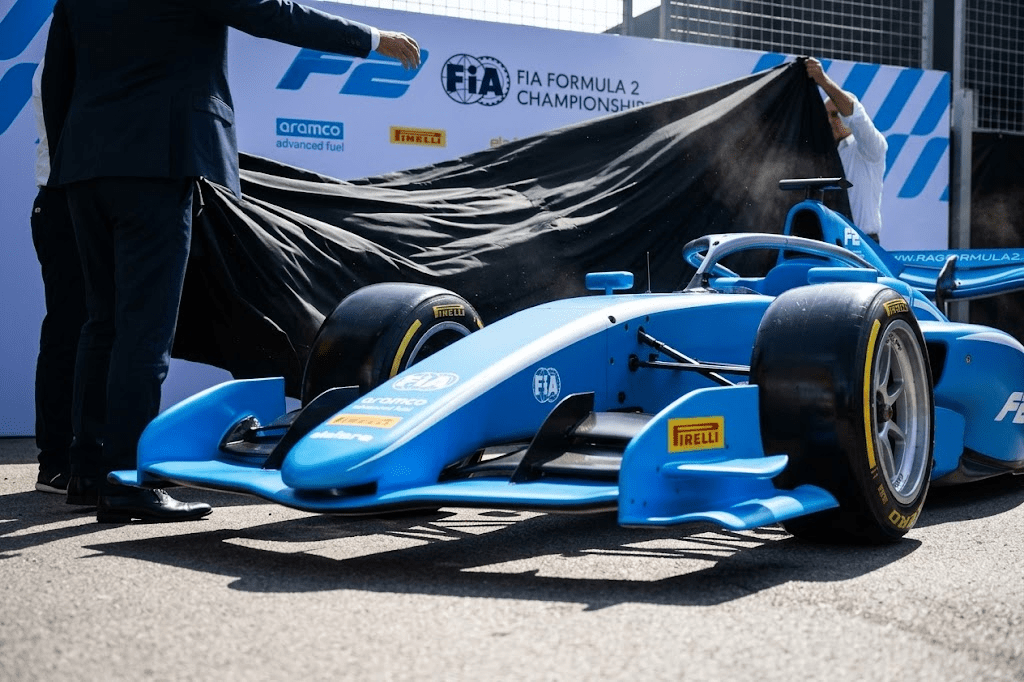
Technological highlights and strategic innovations in the 2027 F2 car
Under the skin, the 2027 F2 car keeps the proven Mecachrome 3.4-litre turbocharged engine but enhances operational efficiency with an all-new onboard starter system. Hewland developed an updated gearbox to integrate this starter, which will streamline race starts and allow drivers to restart quickly after spins or stalls. The carryover of Marelli’s electronic and hydraulic systems, including the EM Motorsport Marshalling system, ensures reliability while maintaining the advanced telemetry vital for driver coaching and race management.
The tyre partnership with Pirelli continues, with bespoke rubber tailored for F2’s evolving performance envelope. This cohesion between powertrain, chassis, and tyres supports closer wheel-to-wheel combat and strategic battles. FIA Formula 2 CEO Bruno Michel emphasised the balance between enhancing the spectacle and managing costs—a critical factor for a series that thrives as the gateway to F1. The aerodynamic tweaks aim to reduce “dirty air,” a notorious issue in single-seater racing, thus supporting overtaking and levelling the playing field.
Championship implications and future trajectory of Formula 2 racing technology
This new car arrives as the 2026 season nears its climax, ensuring that drivers currently competing can benchmark their skills against the soon-to-be-raised standard. The continuation of the 3.4-litre Mecachrome engine, without hybrid assists unlike Formula 1’s 2026 power units, keeps budgets realistic while nurturing pure racing talent. The visual and technical alignment of F2 with Formula 1 underscores the series’ pivotal role in preparing drivers for the rapid escalation of aerodynamic and mechanical complexities they’ll face at the pinnacle of motorsport.
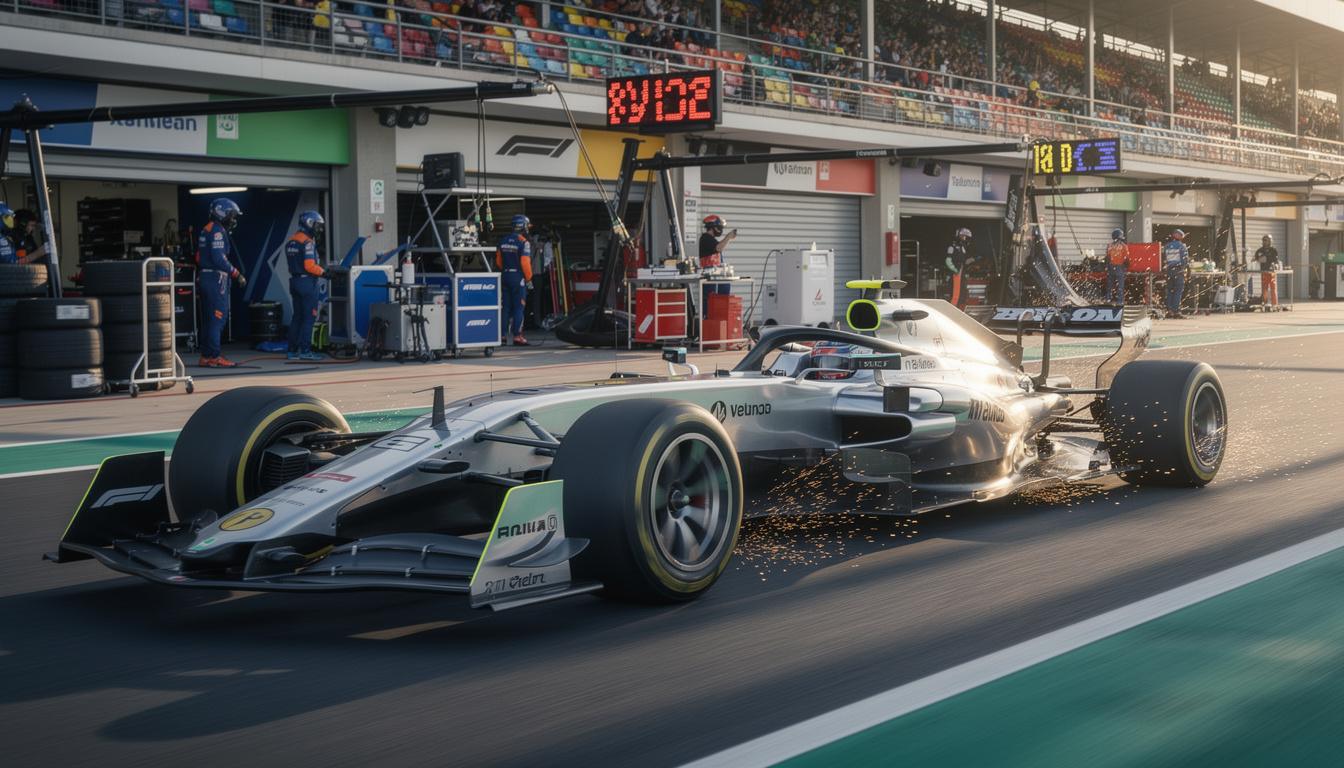
Looking ahead, the car’s sustainability features and technological updates position Formula 2 as a testbed for innovations likely to permeate junior categories and perhaps broader single-seater racing. As explained by F1 President Stefano Domenicali, this balance between innovation and closer racing is vital to maintain both the feeder series’ integrity and its entertainment value. Fans, teams, and drivers alike are set to witness a more accessible, dynamic, and competitive Formula 2 championship in the coming years.
For up-to-date motorsport news and detailed technical breakdowns about Formula 2 and beyond, visit LAS Motorsport. The series continues to push racing technology forward, reflecting the ongoing battle for supremacy from F2 up to Formula 1’s cutting edge. Explore insights on F1 News for more on how innovations in aerodynamics, engines, and race car design are shaping the future of motorsport globally.