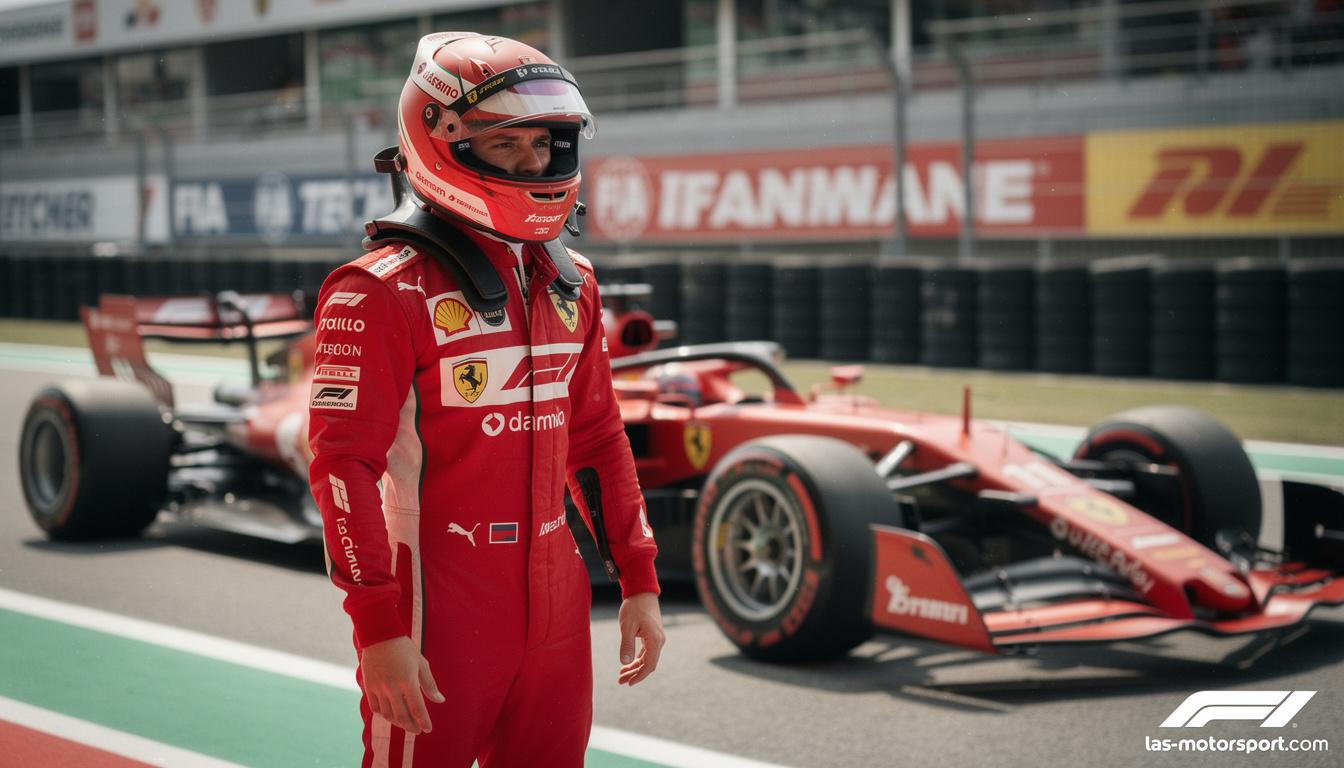

Ollie Bearman finds himself at a crossroads within the fiercely competitive motorsport pyramid. Having made waves as a F2 frontrunner more than once, the British talent faces a complicated reality: cracking into Ferrari’s F2 roster for the coming seasons is proving a tough nut. Despite flashes of brilliance and undeniable skill, Bearman’s journey underscores the intense pressure to not just perform, but to outshine within one of motorsport’s most watched driver academies.
Bearman’s trajectory up to this point has showcased his resilience more than anything. The 20-year-old’s interrupted link with Ferrari’s junior ranks signals not a lack of talent but the cutthroat nature of racing hierarchies that do not guarantee smooth progression. Having earned a historic F1 debut with Ferrari, his leap to Haas for a full-time Formula 1 seat has altered his standing within the Prancing Horse’s driver development lineup. The shift illustrates how manoeuvring through F2 and the Ferrari mould is not just about speed in the car – it’s about timing, politics, and sometimes, simply being in the right place at the right moment.
This situation is a vivid flavour of the high-wire balancing act young drivers face in modern racing. While the spotlight shines on those at Haas in 2025, questions linger on what the future holds for Bearman’s affiliation with Ferrari and how he’ll manage to reassert himself within the garlanded ranks of the Scuderia’s feeder system. His continued presence in F2 with PREMA signals he’s far from stepping off the gas, but the path forward is anything but straightforward.
Ollie Bearman’s Performance and the Challenge of Ferrari’s F2 Team Lineup
The story of Bearman in F2 is one of raw pace juxtaposed against competitive density. His 2023 season with PREMA Racing was a beacon of promise. Clinching six podiums and three wins, Bearman showed he could rank among the category’s elite. Victories in Azerbaijan, where he also took pole position, illustrated his capability to dominate under pressure. Yet, even with those achievements, securing a seat within Ferrari’s tightly contested junior framework has come with obstacles.
Ferrari’s F2 lineup isn’t merely a race seat — it’s a strategic platform. Their driver academy scouts for not just a results ledger but also how a racer integrates with the team’s technical feedback loop, media handling, and brand ethos. Bearman’s move to Haas F1 necessitated a detachment from Ferrari’s immediate feeder ranks, a shift that has left his official driver academy status in question despite him continuing his F2 campaign with PREMA.
The competition for slots at Ferrari’s junior level is ruthless. Dino Beganovic, also part of the Ferrari Driver Academy, is earmarked for ascent through F2, positioning himself as a direct competitor not just on track but within the Ferrari developmental politics. Bearman’s situation highlights how fluctuating ties with Ferrari’s setup can influence access to broader support mechanisms, a critical factor when every millisecond counts in the cockpit.
Whether it’s the challenge of integrating with the team or just fitting the intricate jigsaw of Ferrari’s long-term driver plans, Bearman’s progression remains under keen scrutiny. The likes of Beganovic alongside younger talents like Maya Weug and Aurelia Nobels mean the team holds a deep roster, making the threshold even harder to breach. His previous achievements — like that stunning seventh-place finish for Ferrari in his F1 debut — remind observers of his skill, but the race for Ferrari’s junior seats is not decided by talent alone.
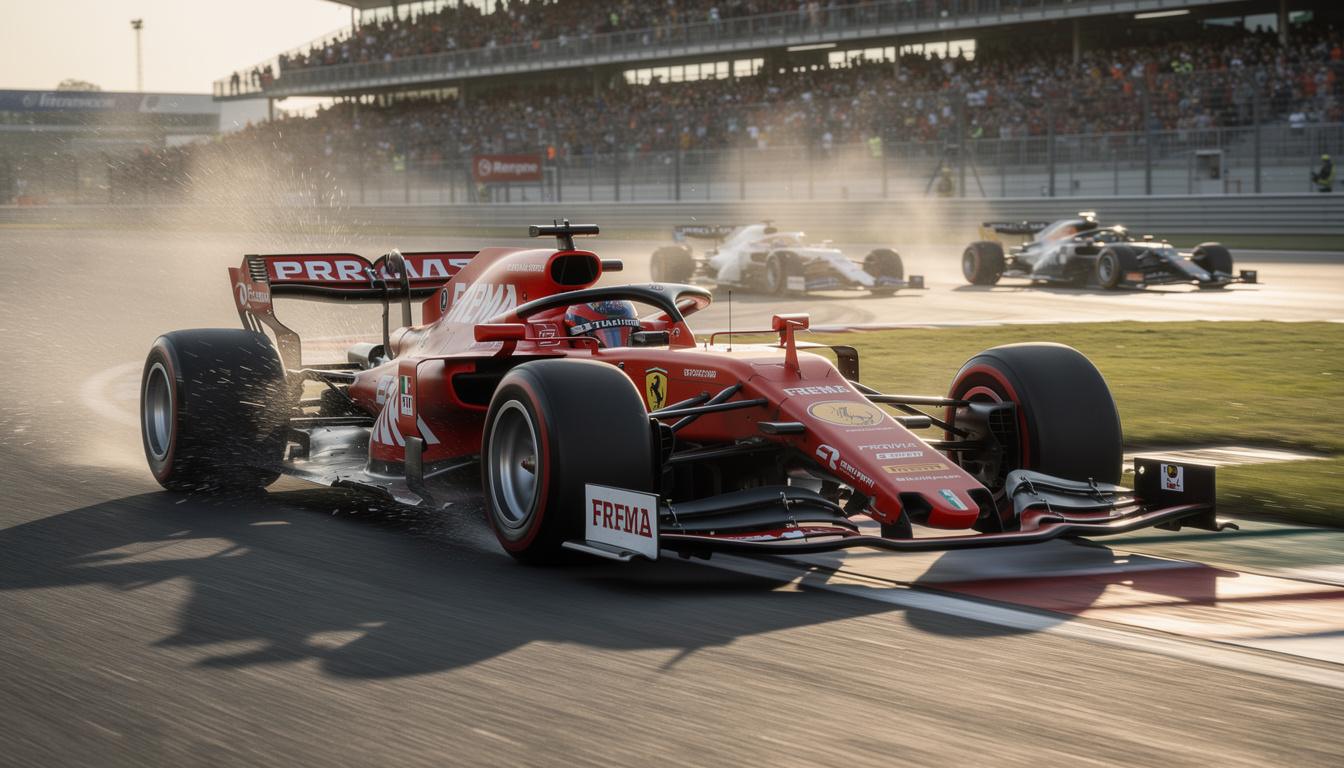
The Technical and Strategic Elements Behind Ferrari’s F2 Driver Selection
Ferrari’s approach to F2 talent cultivation combines technical consistency with strategic foresight. The academy prioritises drivers who can deliver under variable conditions and contribute quantitatively to car development. Bearman’s known feedback prowess has earned praise, but the team also measures adaptability to evolving technical regulations and synergy with engineers.
Moving into the ground-effect era of racing, 2026 regulations place a premium on drivers able to optimise tyre management and energy recovery system (ERS) deployment. Data from telemetry plays a pivotal role in assessments. While Bearman’s raw speed delivers eye-catching results, Ferrari demands consistent technical interpretation from drivers toward team objectives. This alignment is part of why some young drivers flourish while others face roadblocks.
Strategically, Ferrari’s challenge lies in balancing long-term development with near-term race results in F2. The sport’s cutthroat nature means immediate podiums don’t always translate to academy advancement if the broader picture—like potential F1 integration—is hazy. Bearman’s switch to Haas for his maiden full F1 season illustrates such complexity. Haas operates as a satellite, meaning Bearman’s ties to Ferrari’s core programme needed recalibration, complicating his re-entry into Ferrari’s F2 ecosystem.
Moreover, the politics of driver selection hinge on internal resource allocation. Support, engineering bandwidth, and sponsorship alignments factor heavily. As such, Ferrari’s ability to invest in a driver is constrained by its wider operational strategy, often leaving talented racers like Bearman navigating a maze that combines competitive peer pressure with organisational imperatives.
These technical and strategic nuances strongly influence Bearman’s current status. While his dedication to PREMA reinforces his racecraft, Ferrari’s F2 seats are much more than race-winning machinery — they serve as crucibles for preparing drivers for the multifaceted demands of Formula 1.
Implications for Bearman’s Career and Ferrari’s Future Talent Strategy
Bearman’s current predicament with Ferrari’s F2 lineup reflects broader questions about career trajectories in modern motorsport. His move to Haas F1 while stepping back from Ferrari’s academy creates a complex dynamic. Traditional feeder routes into Ferrari’s F1 team no longer guarantee success, and Bearman’s pathway demands exceptional results to regain favour.
This situation speaks to the increasing fluidity of driver markets and affiliations, where academy loyalty and race performance must intersect strategically. Ferrari’s renewed focus on young talent, including rising stars like Dino Beganovic and F1 Academy drivers such as Maya Weug, shows the team’s commitment to a pipeline diversified by both skill and timing. For Bearman, competing alongside these talents in F2 means outpacing peers on multiple fronts — from race results to off-track professionalism.
The impact on the championship landscape is palpable. Success in F2 remains a vital audition for drivers aiming at 2027 and beyond F1 seats. Bearman’s ability to maintain momentum with PREMA will be crucial. Yet the shifting allegiances also hint at a motorsport ecosystem where bold career moves, like Bearman’s Haas deal, can provide alternate routes to top-tier racing but complicate ties with traditional powerhouses like Ferrari.
Bearman’s story mirrors the complexities faced by many contemporary drivers, where talent alone isn’t enough. It demands agility, networking, and strategic choices around team alignments. The way Ferrari manages its young drivers now echoes through the broader fields of Formula 2 and Formula 1, making Bearman’s progress one to watch closely in this evolving landscape.
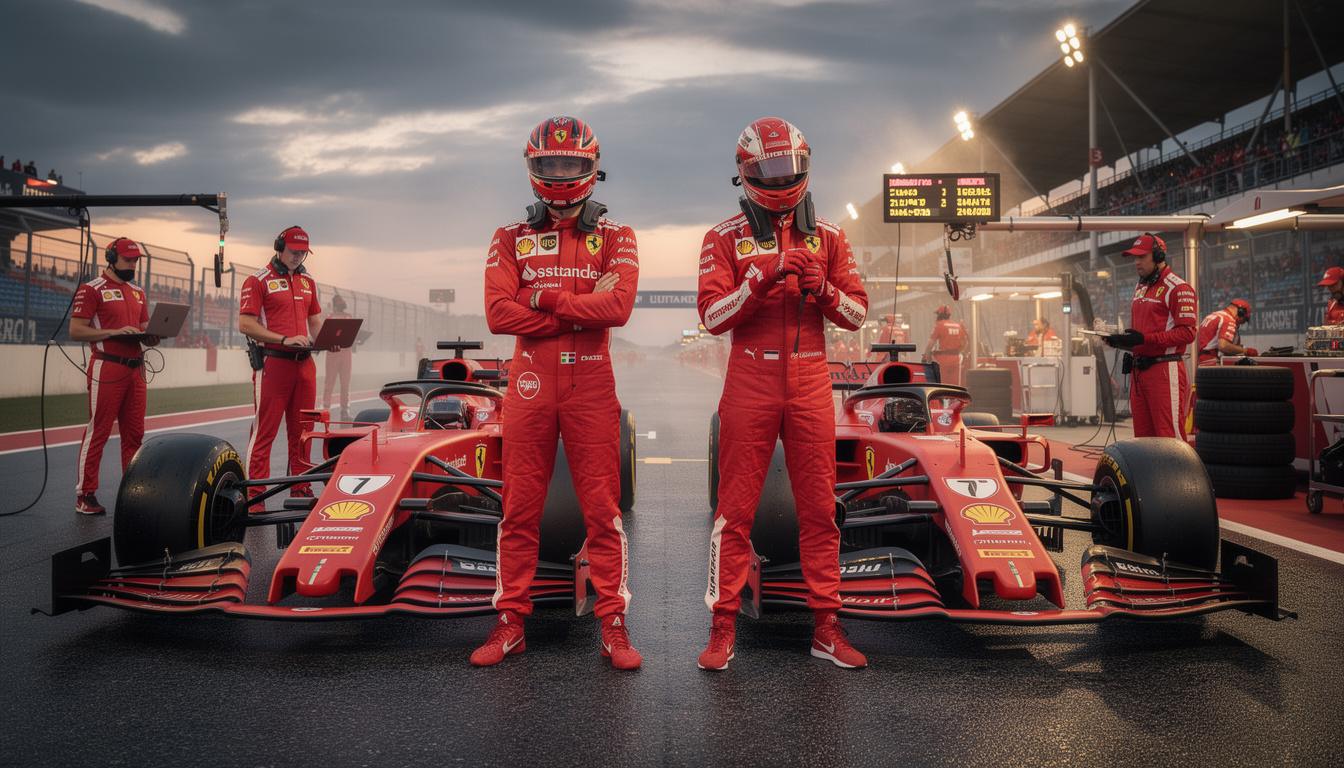
Comparative Analysis: Bearman vs Ferrari’s Emerging Talents in F2 and Beyond
Analyzing Bearman’s challenge within Ferrari’s program benefits from a wider look at his peers and rivals. Dino Beganovic’s steady ascent in F2 has earned him plaudits for consistent finishes and adaptability. Meanwhile, F1 Academy stars like Maya Weug and Aurelia Nobels bring fresh perspectives and racecraft that enrich Ferrari’s talent pool. This depth ensures Ferrari’s driver lineup remains highly competitive, raising the bar for each driver aiming to secure a coveted seat.
Bearman’s previous results indicate his capability matches or exceeds many rivals, but the nuances of timing and team preference are decisive. Where Beganovic combines stable engineering partnerships with incremental improvement, Bearman’s split focus between PREMA, Haas, and Ferrari could dilute his momentum or opportunities for close technical integration. These factors weigh heavily in a program that seeks seamless transitions to F1.
What this means concretely is that Bearman’s breakthrough at Ferrari depends not just on lap times but farmed relationships, engineering synergy, and the ability to provide feedback that shapes car development. This is where Ferrari’s selective process moves beyond mere performance to a holistic assessment of driver potential within the team’s ecosystem.
In comparison with other prominent Ferrari drivers, Bearman’s current challenge illustrates a stark reality: even stars aren’t immune to the pressures of maintaining place within the evolving and competitive motorsport scene. Those familiar with the Ferrari academy’s inner workings will see this as a reflection of sports management’s growing complexity in 2026.
Future Prospects and the Broader Motorsport Implications of Bearman’s Situation
The wider lessons from Bearman’s journey at Ferrari and in F2 echo across the motorsport world in 2026. Young racers must now navigate not only the track but complex relationships within driver programs that increasingly mirror corporate structures. Bearman’s F2 campaign with PREMA stands as a testament to resilience amid shifting allegiances and opportunities.
His options moving forward will shape not only his own trajectory but also signal shifts in how teams balance internal talent vs external recruitment. Haas’ multi-year contract with Bearman showcases an alternate path where driver development stems from F1 teams closely aligned but separate from traditional academy setups. Whether this marks a broader trend for driver careers remains to be seen, but it certainly raises questions for Ferrari’s talent retention strategies.
For bearers of motorsport insight, Bearman’s case is a standing example of progress depending on multiple vectors. It’s a reminder that breaking through Ferrari’s F2 lineup isn’t simply about raw speed—it involves navigating a landscape shaped by politics, strategy, and timing. The story continues, with the racing calendar providing the next chapters.
Stay tuned to LAS Motorsport for ongoing coverage and analysis of driver lineups and the unfolding saga of careers like Bearman’s in the world of competitive motorsport.