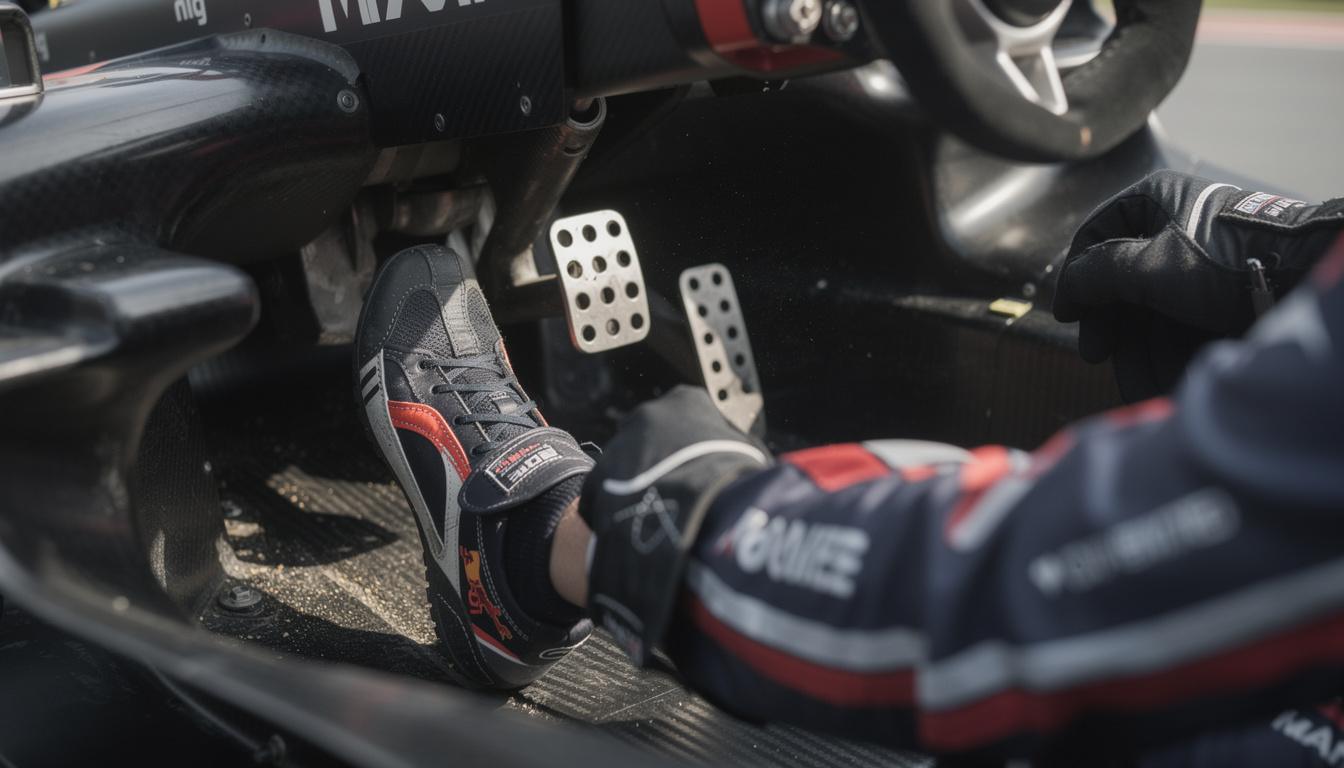

Formula 1 pedals form the critical link between a driver’s footwork and the car’s performance. Understanding pedal arrangement reveals the precision needed to control speed, braking, and gear changes. These components are vital in a sport where milliseconds decide outcomes.
The distinct setup of Formula 1 pedals differs substantially from road cars, emphasizing driver control over vehicle dynamics. Their design enables precise modulation of throttle, brake, and clutch, which directly affects lap times and overall race pace. For deeper clarity, an overview of the unique pedal system technology provides valuable context.
This video offers an essential visual guide helping fans grasp how drivers manage acceleration and braking in a modern Formula 1 cockpit.
Formula 1 pedals: understanding driver controls
At the core of F1 car operation lies the pedal assembly, comprising mainly the throttle and brake pedals. Unlike everyday cars, the pedal configuration emphasizes two main controls due to the semi-automatic gearbox using hand paddles for clutch operation. This layout facilitates minute control inputs that are crucial for managing tire wear, cornering speed, and braking precision. For more insights into pedal control importance, refer to our detailed technical breakdown of driver input systems.
Throttle pedal: linking foot pressure to power delivery
The throttle pedal in an F1 car is highly sensitive and custom-tuned for each driver. Small changes in pressure can translate to significant variations in engine output. This pedal is connected electronically, allowing instant torque adjustments aiding traction and speed control through corners. The driver’s ability to feather the throttle smoothly impacts car balance and lap performance.
The footwork involved in throttle modulation demands intense concentration and reflexes. Drivers often train to master subtle pedal movements to manage power delivery during acceleration phases. Advanced telemetry confirms how even minimal errors here cause tire slip or loss of lap time. Therefore, the throttle pedal stands as a direct communication channel between driver intent and car response.
Brake pedal and clutch coordination in Formula 1
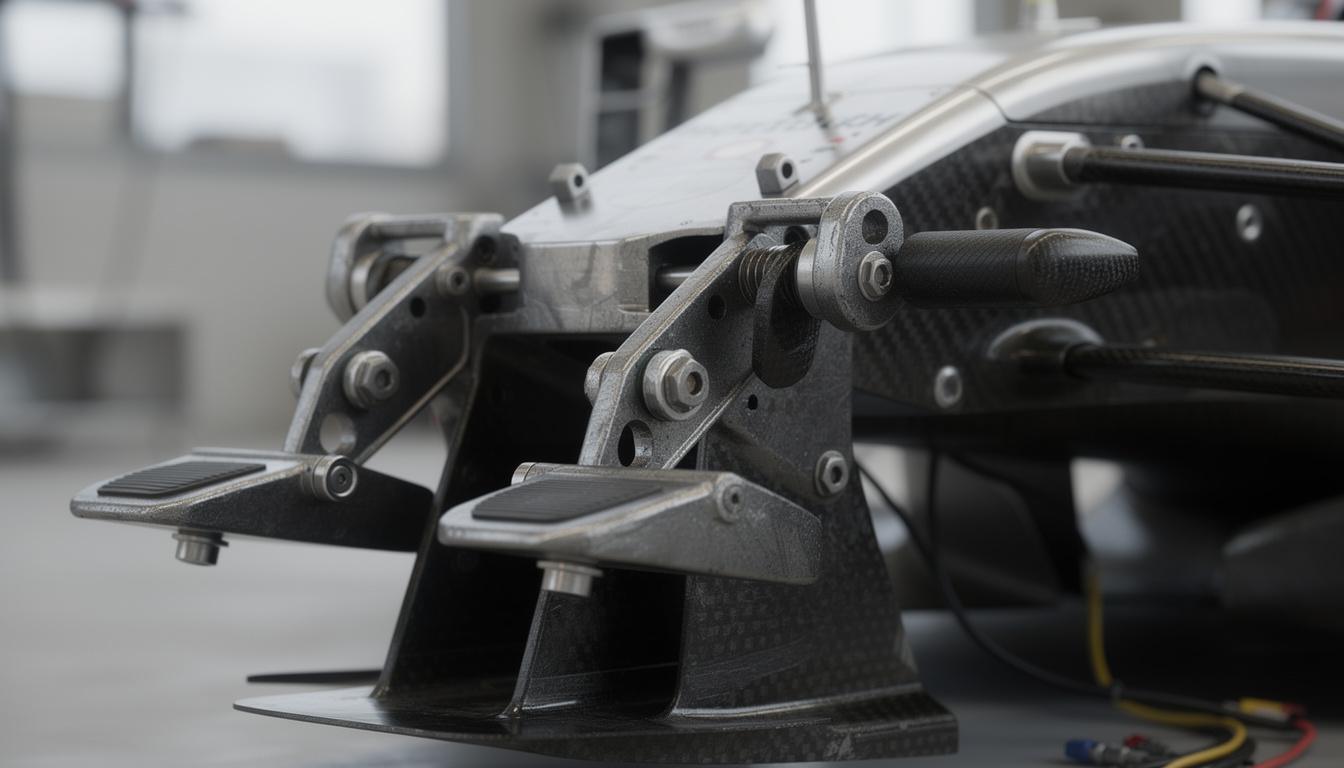
The brake pedal in F1 is a critical device engineered for maximal stopping power and feel, unlike road cars. It operates with carbon-carbon brake discs requiring high pedal pressure. The clustering of brake and throttle pedals close together allows rapid transitions essential during racing. Moreover, clutch operations remain hand-controlled, enabling smooth starts and seamless gear shifts without a traditional floor clutch pedal.
Driver control over braking involves balancing raw stopping force with finesse. The brake pedal’s sensitivity allows modulated braking to avoid tire lockup and maximize corner entry speed. This extra control helps drivers optimize vehicle dynamics, preserving tires and improving race strategy efficiency. Understanding this interplay highlights why footwork precision is paramount in Formula 1 driving.
Technical development: how Formula 1 pedals influence performance
The pedals are part of a comprehensive system designed to convert physical input into high responsiveness on track. Innovations on pedal materials, positioning, and feedback mechanisms aid in reducing driver fatigue and improving consistency during races. The integration of pedal data with vehicle telemetry also allows teams to analyze driver technique for optimal setups, affecting car handling and race outcomes. A technical exposition on this aspect is found in our article on advanced F1 cockpit controls.
Materials and ergonomics shaping pedal design
Formula 1 pedals are crafted from lightweight yet durable carbon fiber composites to withstand immense forces. Their surfaces provide maximum grip and feedback to prevent foot slips during high-speed maneuvers. The ergonomic positioning tailored to each driver ensures comfort and precise control despite enduring high g-forces over race distances. Adjustability is crucial, with pedals moved or angled to match individual preferences.
These design factors directly influence a driver’s ability to maintain consistent pace without excessive physical strain. Pedal placement affects reaction times, crucial for tight braking zones or rapid acceleration points. The optimization of pedal ergonomics contributes to lowering the overall driver workload, helping maintain focus on race strategy and dynamic car behaviour.
Brake-by-wire and throttle innovations
Recent regulations have propelled advances in brake and throttle technology integrated with the pedal system. Brake-by-wire systems provide adjustable pressure feedback modulated electronically, enhancing driver control and system reliability. Meanwhile, throttle sensors deliver precise engine response calibrated to diverse racing conditions. The technological integration of these controls enables instantaneous driver adaptation to track or tire changes without mechanical delay.
This systems-level coordination improves overall vehicle dynamics, allowing smoother cornering and acceleration profiles. Such enhancements have become staples in modern Formula 1 racing, underscoring why pedal system evolution remains a key engineering focus. Technical readers may benefit from linking this knowledge to broader vehicle dynamic principles outlined in the Formula 1 Dictionary.
How Formula 1 pedals shape car handling on track
The pedals are indispensable in managing the complex dynamics of an F1 car around circuits. Effective use of throttle and brake pedals controls weight transfer, tire grip, and acceleration patterns, directly influencing lap times. The link between pedal input and vehicle behaviour requires drivers to precisely judge force application for optimal corner exit speeds and braking distances. Detailed discussions on how pedal control affects car behaviour enhance understanding of this relationship.
Pedal impact on cornering and lap times
Footwork on pedals dictates how well a car navigates corners without losing speed. Smooth throttle application helps maintain downforce and balance, avoiding wheelspin that compromises traction. Meanwhile, brake pedal modulation allows late braking and less tire degradation. This combination significantly improves lap consistency and performance, proving that pedal control is as much a skill as an art in Formula 1 driving.
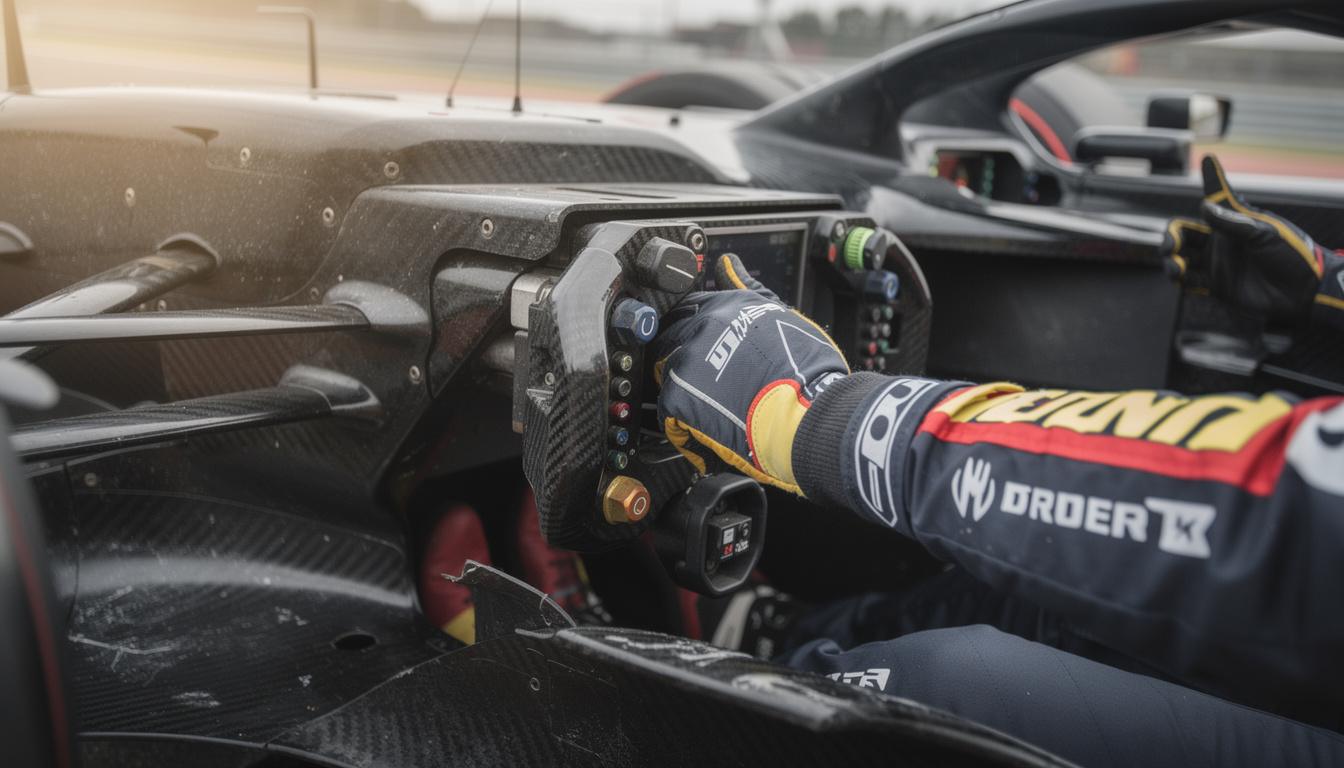
The synchronized use of pedals and steering inputs creates a fluid driving style essential for competitive racing. Drivers calibrate braking points and throttle application using feedback from tires and vehicle sensors. Such coordination delivers faster lap times and better tire management throughout the race distance. Understanding this synergy is critical to appreciating driver skill in contemporary motorsport.
Race scenarios emphasizing pedal usage strategies
Different circuits and race conditions demand varied pedal technique adaptations. For example, tracks with heavy braking zones require stronger brake pedal control to maximize stopping power without locking. Conversely, circuits favoring long straights emphasize throttle precision to optimize exit speeds. Drivers tailor their pedal inputs according to factors like fuel load, tire state, and ambient conditions, aligning with broader race strategy goals.
Pedal usage during overtaking maneuvers also highlights the importance of rapid and nuanced foot control. Quick throttle bursts and controlled braking help drivers maximize acceleration and maintain car stability under pressure. These race-critical footwork skills underline why Formula 1 pedals are more than simple mechanical interfaces—they are instrumental in racecraft.
This video showcases how drivers manage pedal inputs in race conditions, clarifying their impact on car handling and speed.
Do Formula 1 cars have a clutch pedal?
Modern F1 cars do not use a traditional clutch pedal; clutch control is managed by paddles on the steering wheel, freeing up the foot controls for throttle and brake.
How is brake pressure controlled in Formula 1?
Brake pressure is controlled through a hydraulic system connected to a sensitive brake pedal. Some models use brake-by-wire technology to optimize braking feel and response.
Why are Formula 1 pedals arranged differently from road cars?
F1 pedals exclude the traditional clutch pedal to accommodate semi-automatic gearboxes. This allows pedals to be closely spaced for rapid transitions between throttle and brake.
What role do pedals play in tire management?
Precise pedal control helps prevent wheelspin and lockups, preserving tire wear and enabling more consistent lap times throughout a race.
Can pedal setup be customized for each driver?
Yes, pedal positioning and feel are adjusted individually to suit driver preferences, improving comfort and control during race conditions.