
Williams’ last-minute call shakes up the British GP Sprint grid. Alex Albon forced to start from pit lane after suspension set-up change. Significant ripple effects for the team’s race strategy and driver line-up at Silverstone.
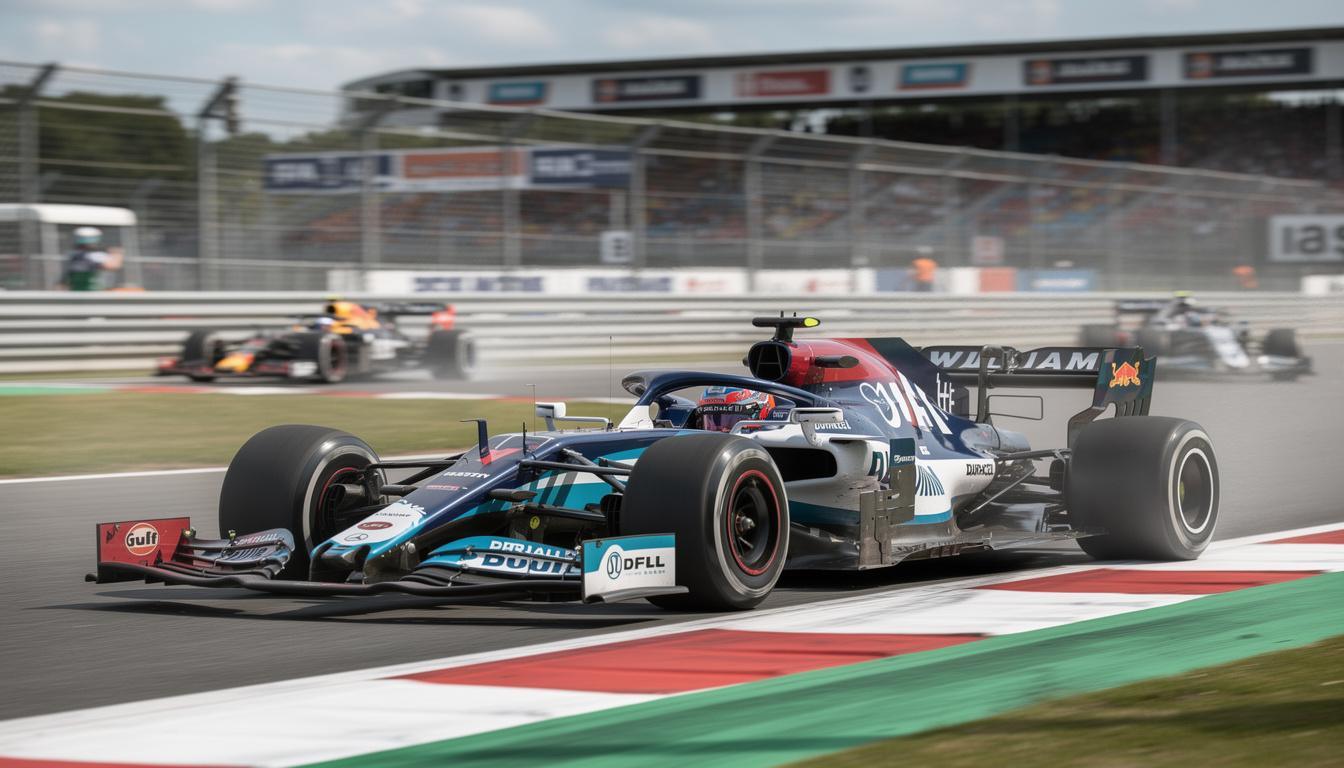
Williams stunned paddock observers by altering the suspension on Alex Albon’s car after parc fermé conditions were enforced. The change forced the Thai driver, originally set to start from 16th, to begin the British Grand Prix Sprint from the pit lane. This unexpected manoeuvre disrupted the starting order at Silverstone, leaving 21 cars on the grid for the 12:00 BST flag drop and underlining fresh strategic challenges for the team during this pivotal race weekend. The bold shift in set-up indicates a gamble to extract improved performance, but at the expense of track position. The shake-up at this British GP highlights the fine margins and pressure teams face when balancing car optimisation under strict regulations.
Williams’ suspension adjustment triggers race weekend disruption
When cars enter parc fermé, teams must maintain set-up until after the Sprint event, however, Williams chose to breach this regulation by modifying Albon’s suspension. This breach consequently relegated the driver to start from the pit lane, a severe penalty given the importance of track position during the short Sprint race. The rest of the Williams team’s driver line-up continued unaffected on the grid, but Albon’s loss of starting position presents a steep climb in a race where overtaking can be ruthless.
The decision reveals deeper technical concerns within Williams’ camp regarding the FW47’s handling characteristics or reliability under race conditions. The suspension tweak must have promised sufficient gains in cornering or tyre management to justify such a strategic sacrifice. This move throws the spotlight on how vital real-time engineering calls are in the brutal sprint format, where every second counts.
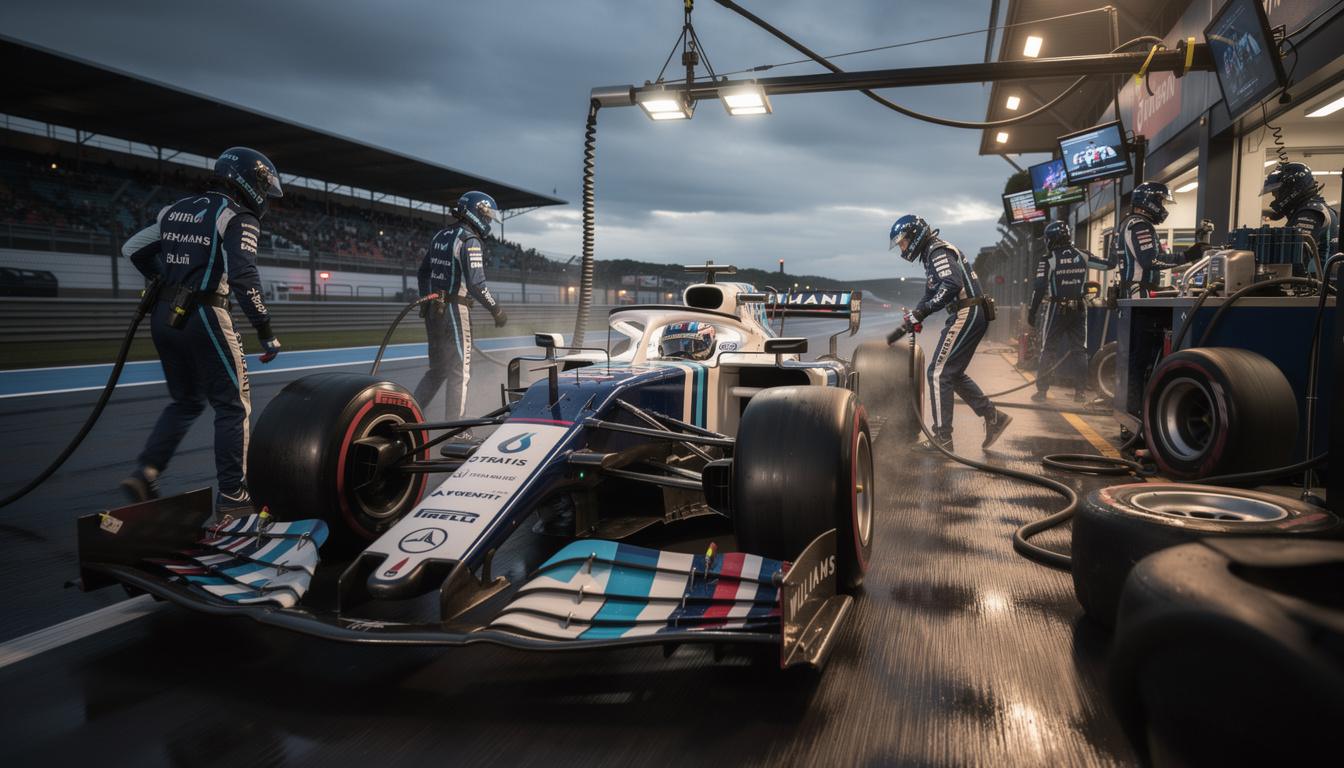
Technical impact of Williams’ suspension change under Parc Fermé rules
Williams’ violation of parc fermé conditions by altering suspension settings is a high-stake gamble. Suspension changes affect the car’s dynamics profoundly, influencing grip levels and tyre wear patterns, crucial components over a short Sprint race duration. The FW47’s rearranged suspension geometry aims to maximise mechanical grip on Silverstone’s fast flowing corners, potentially mitigating previous understeer or stability concerns seen in qualifying.
Strategically, the pit-lane start negates any benefit achieved by the set-up change if Albon cannot execute significant overtakes. The team balances the risk of losing immediate track position against the longer-term prospect of improved race pace. In a race where the midfield battle is fierce, such calculated risks could define Williams’ attempts to consolidate or improve their standings in the Constructors’ Championship.
What Williams’ late sprint grid change means for British GP strategy
Alex Albon’s pit lane start reshapes Williams’ race-day approach and impacts the broader sprint grid dynamics. Losing Albon from the grid compresses the field and intensifies action among those vying for top midfield positions. The team must now prioritise overtaking tactics and energy recovery system (ERS) management to claw back lost ground during the 2026 British Grand Prix Sprint.
This incident also raises questions about Williams’ reliability and technical stability just before the crucial home race weekend. While the gamble to change setup could provide necessary performance gains, it places immense pressure on Albon and his engineers to optimise race strategy efficiently. The reverberations ripple through the driver line-up and pit wall, potentially influencing qualifying setups and main race tactics.
For fans keen to follow Alex Albon’s challenging comeback from the pit lane and broader Sprint analysis, in-depth driver profiles are available on LAS Motorsport. Also, revisit pivotal career moments that shape racers’ approaches like Lewis Hamilton’s exceptional junior career for a perspective on development under pressure.