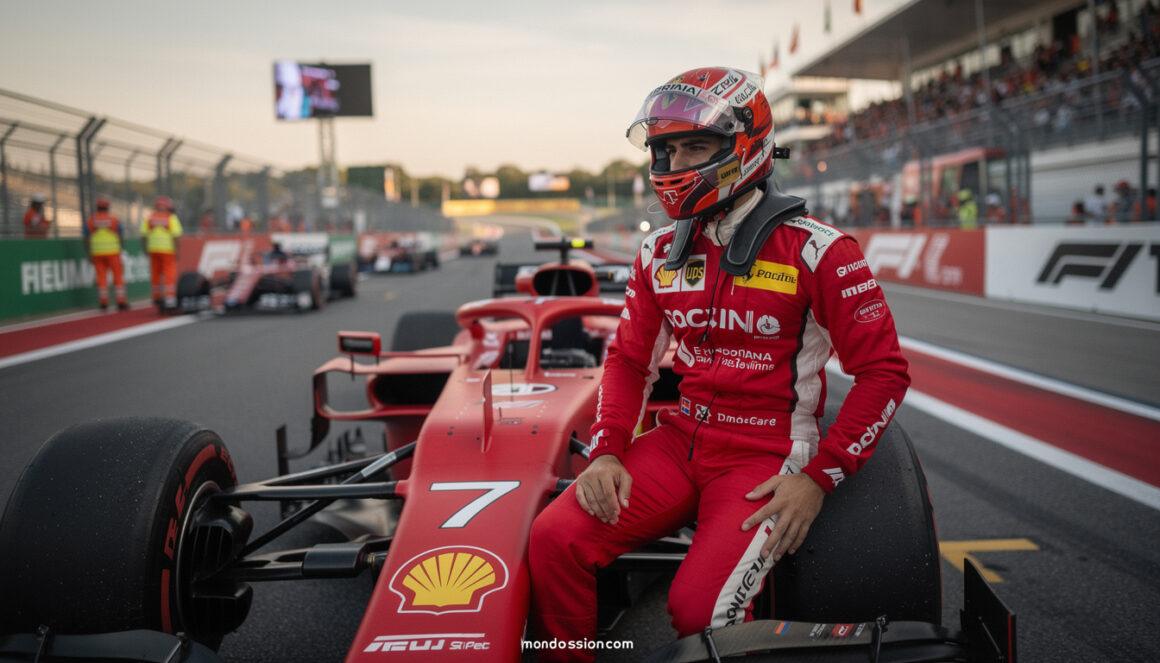
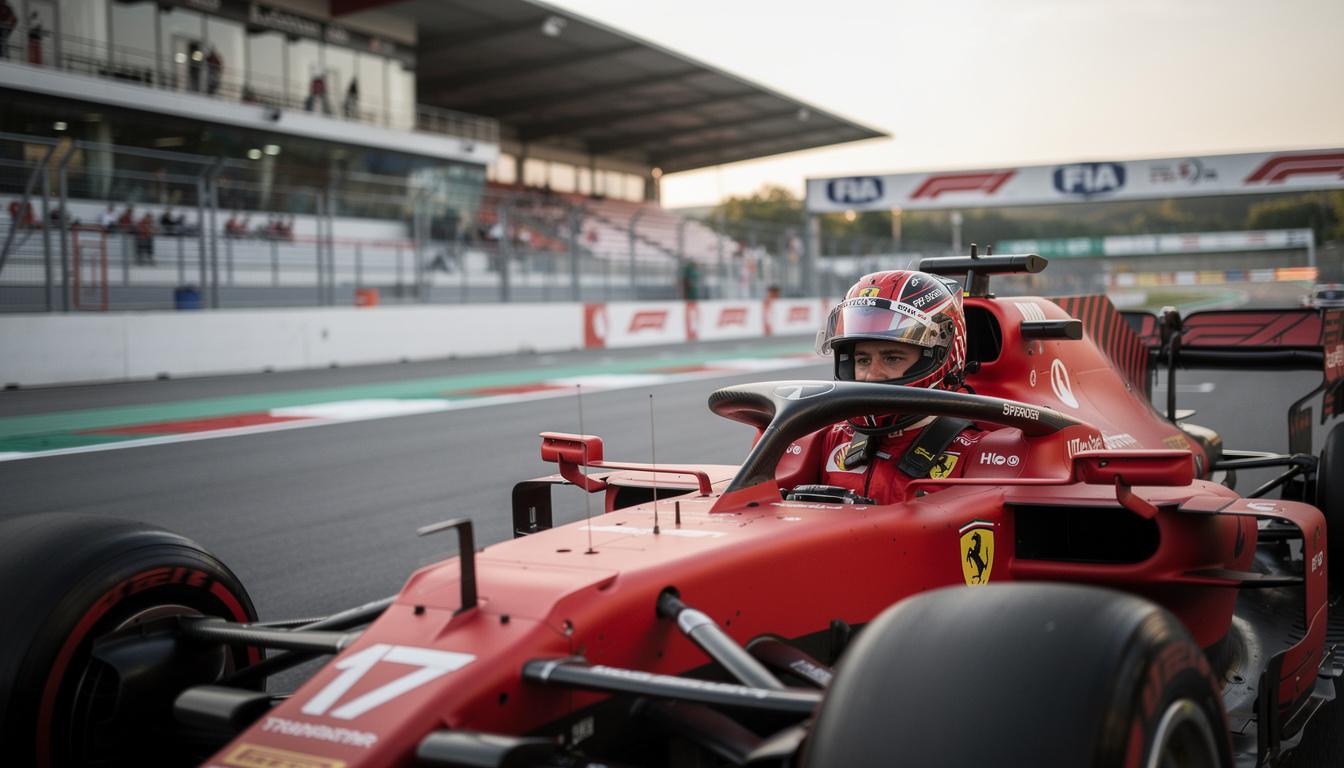

Charles Leclerc has openly revealed the puzzling issues tormenting Ferrari after a lacklustre performance at the Hungarian Grand Prix. Despite expectations that the SF-26 would excel on Hungary’s twisty, high-downforce layout, the team’s drivers finished outside the podium. This disappointment highlights a baffling trend of inconsistency, challenging one of F1’s traditionally strongest chassis to deliver when it matters most.
The Italian outfit has crafted arguably the quickest chassis this season, tailored for circuits demanding precision over raw power. Yet, the Hungaroring weekend exposed crucial failures, with both Leclerc and teammate Lewis Hamilton falling short of anticipated results. The perplexity deepened by victories at traditionally power-hungry tracks like Silverstone and Spa suggests the problem is not straightforward.
This inconsistency throws into sharp relief the strategic and technical puzzle Ferrari must solve urgently to stay relevant in the 2026 F1 battle. The frustration is palpable; as Leclerc emphasised, success on tracks where they expected to struggle, and collapse on circuits suiting their package, represents a contradiction requiring urgent understanding. Ferrari’s Hungary disappointment serves as a wake-up call, putting the spotlight squarely on the team’s enigmatic performance struggles.
Ferrari’s Performance Puzzle Unfolds at Hungary: Leclerc’s Frustration
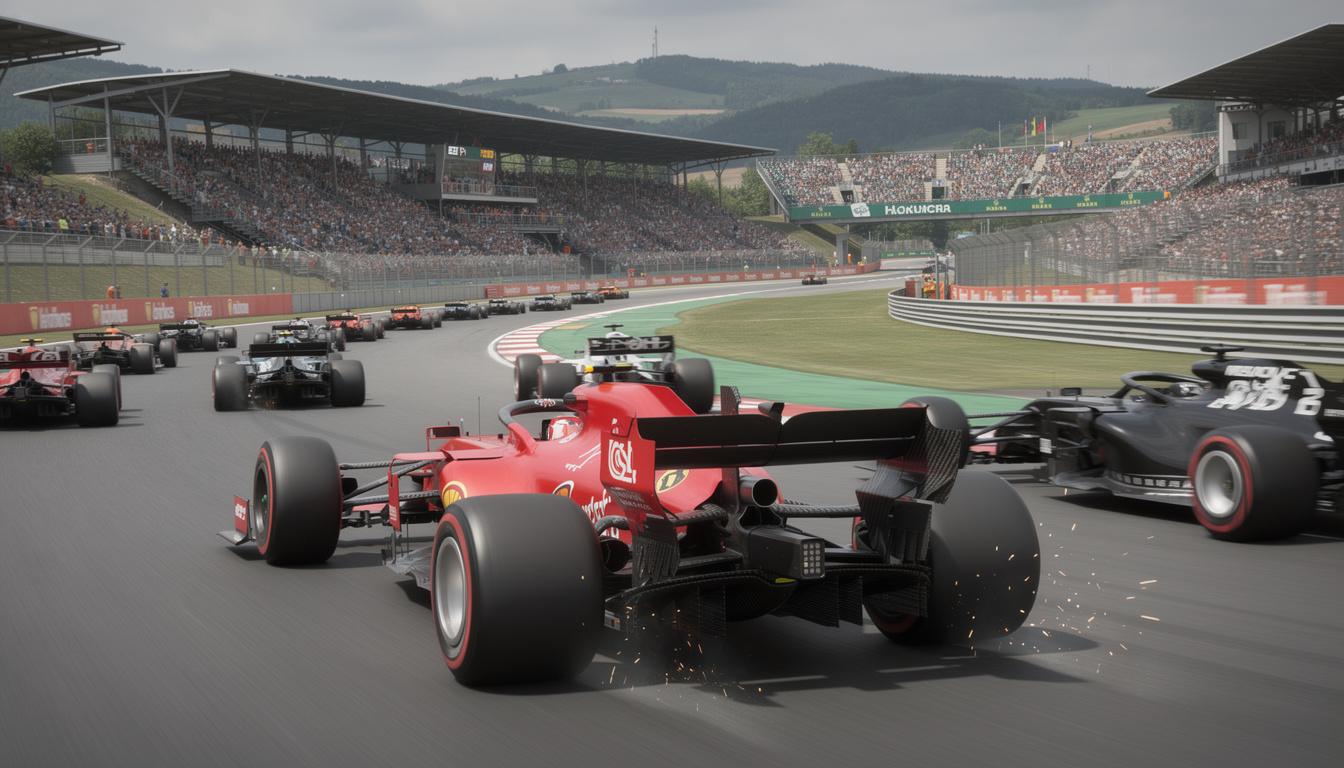
Charles Leclerc bluntly dismissed any satisfaction from Ferrari’s weekend in Hungary, where the team found themselves off the pace despite strong pre-race predictions. Both drivers started promisingly — with Leclerc on the front row and Hamilton qualifying a close second before a grid penalty dropped him to fifth. However, the start proved disastrous; lost positions and limited overtaking opportunities at the Hungaroring saw them finish fourth and fifth.
Team principal Fred Vasseur pinpointed a problematic race start among several operational missteps that relegated Ferrari to chasing the race rather than leading it. Leclerc echoed these sentiments, stressing how a clean start could have changed the weekend’s trajectory on such a circuit where overtaking is at a premium. This opening failure magnified existing questions about the SF-26’s ability to convert its potential into results on tracks designed for precision and cornering strength.
Where Ferrari’s Strengths and Weaknesses Collide
The SF-26’s chassis this season has marked it as one of the sharpest in F1, boasting exceptional agility in high-downforce sections. While the power unit still lags slightly behind leaders like Mercedes, Ferrari’s package seems designed to excel where cornering trumps speed. This design philosophy made Hungary and Monaco ideal venues for Ferrari to shine.
Contrastingly, on fast tracks such as Silverstone and Spa, where energy deployment and raw horsepower govern outcomes, Ferrari was anticipated to struggle. Yet, the counterintuitive race results from the past three events showed Leclerc and Hamilton achieving success on these power-sensitive circuits while faltering where they should have dominated. This baffling pattern signals deeper aerodynamic or setup inconsistencies, posing a technical riddle.
Technical and Strategic Breakdown: Understanding Ferrari’s Vulnerabilities
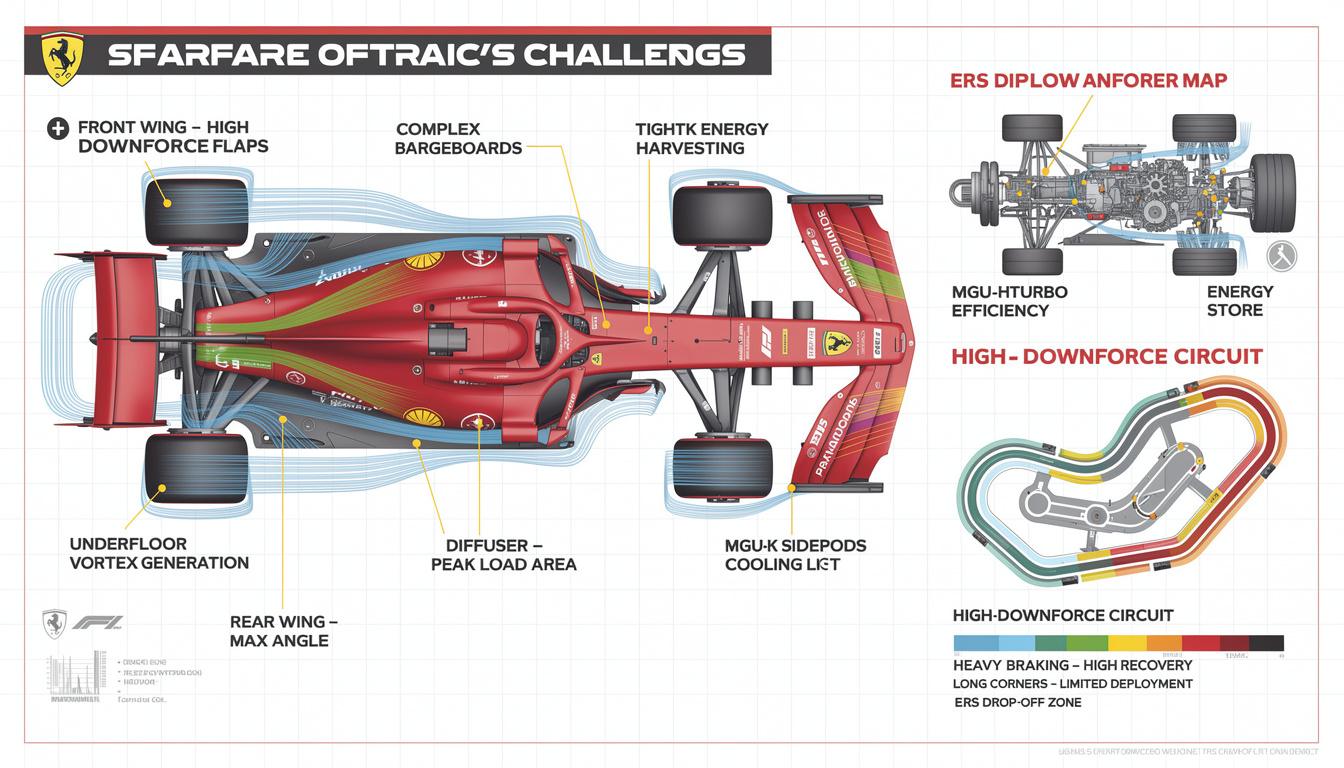
At the heart of Ferrari’s Hungarian woes lies the interplay between car setup, tyre management, and the energy recovery system (ERS). The SF-26’s high-downforce chassis should have yielded grip and traction advantages on the technical Hungaroring track. Instead, the team struggled to maintain race pace and lost crucial track position immediately after the start.
Strategic execution compounded problems. A compromised launch and subsequent inability to regain lost places in a track with challenging overtaking areas effectively boxed Ferrari in. Leclerc’s comment on “needing to understand” this pattern suggests internal struggles with fine-tuning car behaviour to track conditions, hinting at potential tyre degradation or ERS deployment issues akin to those being explored by rival Mercedes (read more here).
Championship Implications and Looking Ahead
With the Formula 1 calendar progressing, Ferrari’s inconsistency threatens to undermine their championship challenge. As competitors like McLaren gain ground with balanced packages, Ferrari faces hard decisions on development focus, balancing chassis improvements with powertrain enhancements to close the gap before crucial races.
Leclerc‘s transparency in highlighting these struggles reflects pressure on Ferrari to recalibrate strategy and engineering tactics fast. The Hungarian disappointment underscores the urgency to convert their enviable chassis into consistent race-winning pace. Their next outings, especially on circuits demanding high downforce, will reveal if Ferrari can crack their own performance code this season.
For fans tracking Charles Leclerc‘s journey and Ferrari’s evolving story this season, the strategic and technical wrangling offers a compelling subplot. Follow the ongoing developments at LAS Motorsport for expert insights and real-time updates on this and other pivotal F1 narratives.