
Aston Martin’s recent struggles under the glaring spotlight of Monaco and Barcelona have laid bare the full extent of their challenges in Formula 1. From the tight street circuit of Monaco to the high-speed demands of Barcelona, the AMR26 continues to underperform. The season’s early races have exposed a harsh reality for the British squad, highlighting issues beyond just engine power deficits.
Aston Martin’s performance at the Monaco and Barcelona Grands Prix revealed a worrying consistency: the AMR26 faltered significantly on vastly different tracks, leaving no room for excuses. At Monaco, a circuit less reliant on outright power, both Fernando Alonso and Lance Stroll qualified at the back, with Alonso salvaging a solitary point thanks to attrition and rival penalties. That slim gain was quickly overshadowed at Barcelona, where technical issues forced both cars to retire after qualifying again on the back row, far behind competitors including the Ferrari-powered Cadillacs. Team Chief Trackside Officer Mike Krack openly admitted the multifaceted nature of their woes. This season looks to be a long haul of development for Aston Martin, as the team’s chassis and power unit deficits leave them isolated at the rear.
AMR26’s Harsh Reality at Monaco and Barcelona Races
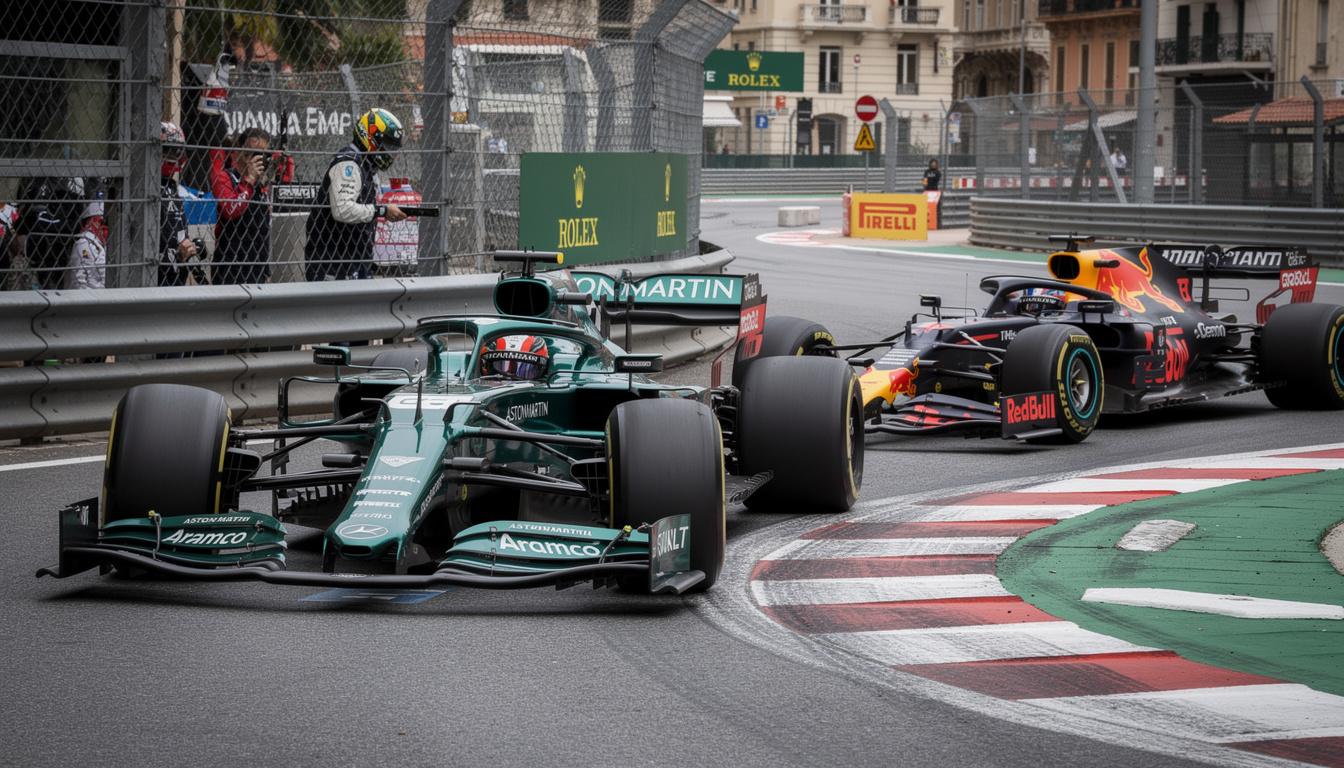
Monaco’s tricky street circuit has traditionally offered teams with powertrain weaknesses a chance to mask those deficits. Aston Martin pinned cautious hopes on this theory, expecting their car’s chassis to hold up despite a slower Honda power unit. Yet, both drivers lagged behind even the upstart Cadillacs in qualifying, underscoring just how problematic the AMR26 has become. Fernando Alonso’s P10 finish only materialised due to a combination of retirements from other teams and a post-race penalty handed to Sergio Perez, who had actually crossed the line in tenth for Cadillac.
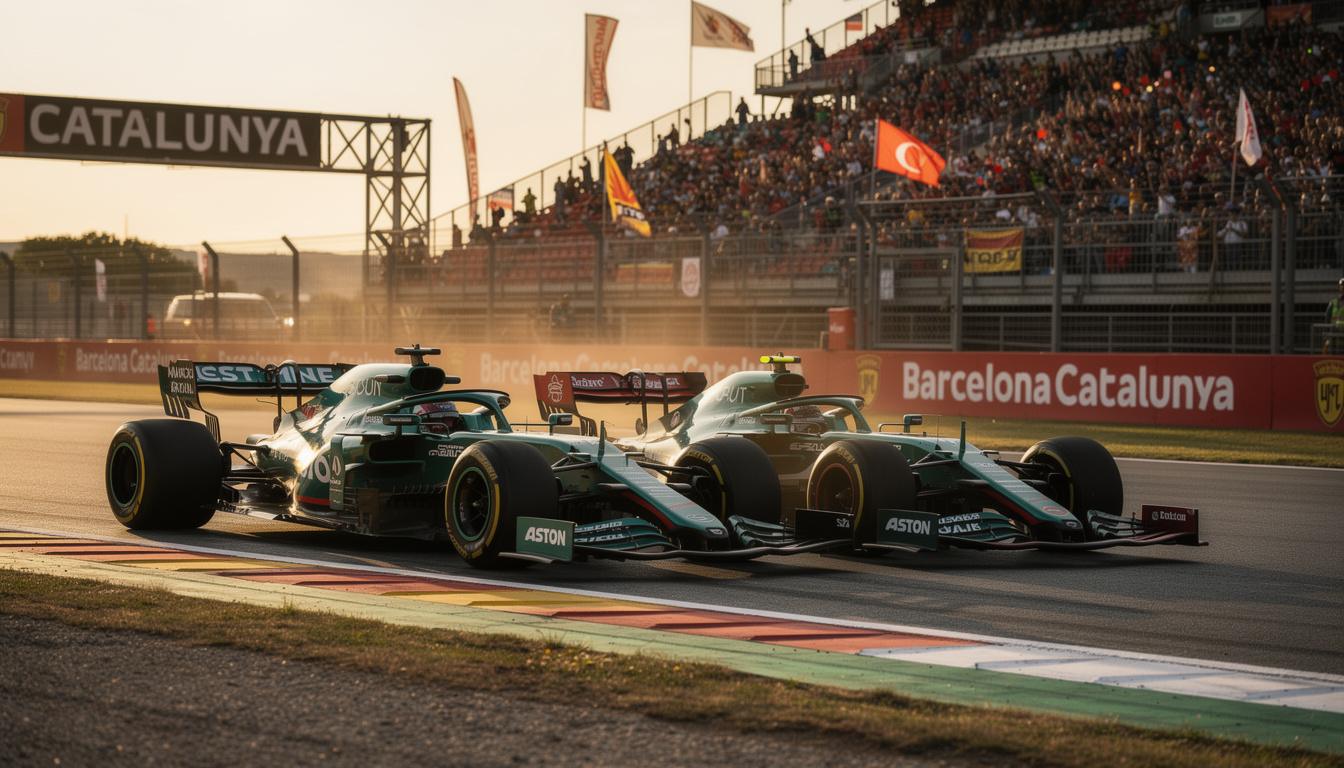
Barcelona, with its demanding high-speed corners and tyre thermal management challenges, exposed even more glaring weaknesses. The AMR26’s inability to keep pace with rivals was stark, with both cars qualifying 21st and 22nd, nearly a full second behind Cadillac’s performance. Unexpected reliability issues on race day led to two premature retirements, compounding Aston Martin’s bleak weekend. Krack highlighted the comprehensive nature of the shortcomings, emphasising it was no singular issue but a combination of factors hitting the team.
Strategic breakdown reveals deep-seated faults
The divergent demands of Monaco and Barcelona were expected to test different aspects of the AMR26’s performance. Yet, the car’s failure across these contrasting environments laid bare its fundamental lack of competitiveness. Monaco’s low-speed corners caused tyre temperature struggles, while Barcelona’s high-speed sections brought cooling and aerodynamic inefficiencies into sharp focus. Aston Martin’s struggles reflect a broad package that lacks balance and adaptability.
Mike Krack highlighted that incremental improvements will not suffice, with a major upgrade package delayed until the Spa-Francorchamps Grand Prix in July. Meanwhile, the team is trapped in a holding pattern, attempting to extract performance while coping with a car fundamentally off the pace. With the current Honda power unit severely down on rivals, the AMR26’s deficiencies extend beyond raw engine power. Energy management at circuits like Barcelona also proved a significant hurdle, with mid-race FIA interventions on energy deployment indicating deeper systemic challenges.
Championship implications and the road ahead for Aston Martin
Aston Martin’s slow start marks the team’s worst opening since re-entering Formula 1, dashing early-season hopes tied to Adrian Newey’s first-year technical leadership. The glaring performance gaps to Felipe Massa’s Cadillac rivals and others cast serious doubt on their ability to challenge midfield runners consistently this season. Both Fernando Alonso and Lance Stroll face an uphill battle to gather points, weighed down by the car’s limitations and frequent mechanical retirements.
With incremental updates deferred, Aston Martin places all hopes on the mid-season upgrade splash at Spa. Until then, the team confronts what Krack starkly described as a weight “on everyone,” from garage personnel to drivers. Persistent issues in race strategy, energy management, and chassis development mean Aston Martin’s march back up the grid will not be straightforward. Nevertheless, staying motivated and extracting learning from each weekend remains critical as they prepare for a season fighting to avoid slipping further into the midfield abyss, outlined in detail by ongoing performance reviews.