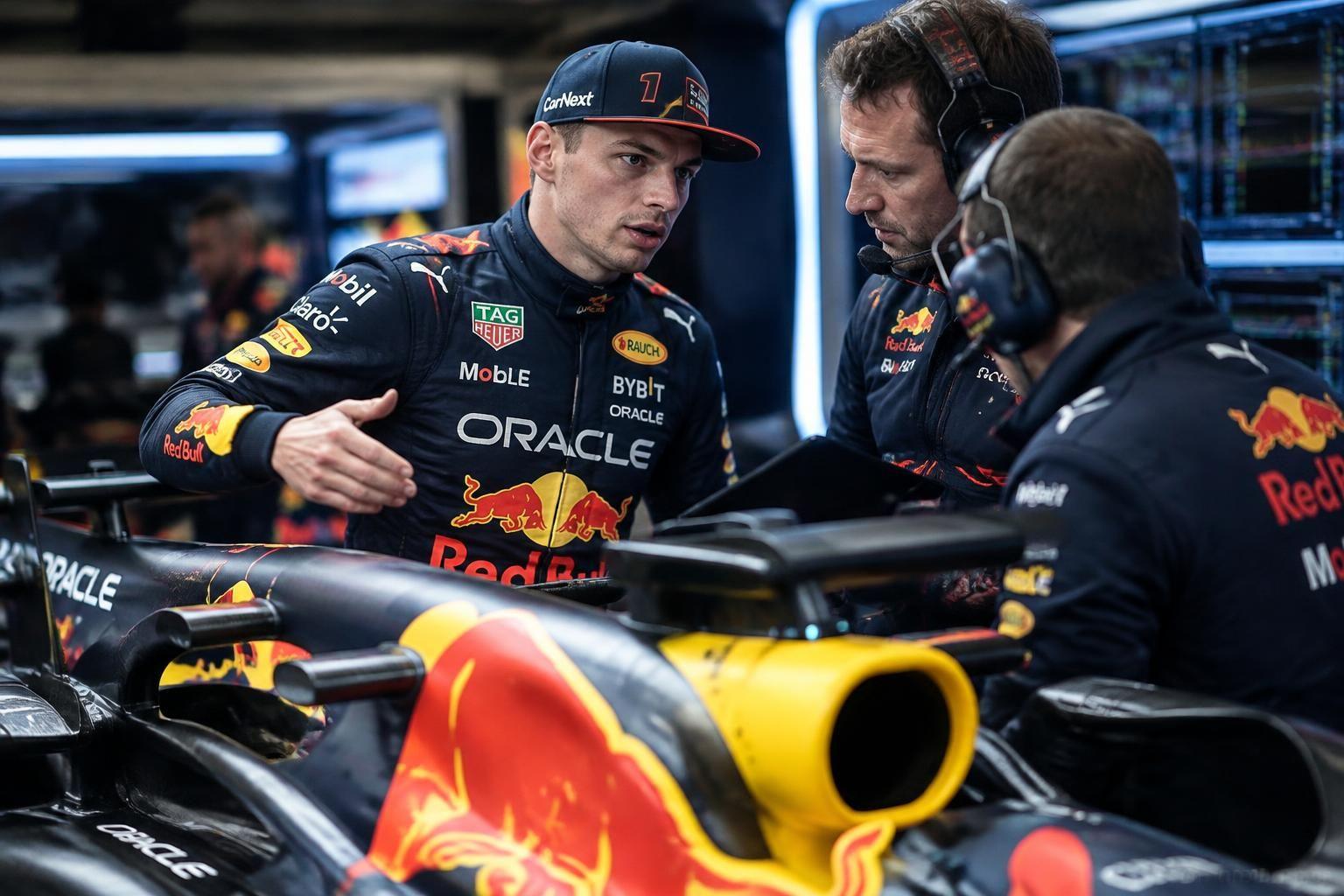

Verstappen wants answers from Red Bull. Interlagos exposed a car that changed character on slicks. His warning demands a closer look.
Max Verstappen left the São Paulo Grand Prix with second place, a charge from P21 and a problem he says Red Bull Racing cannot ignore. He carved through the field in the opening laps, using the wet conditions and intermediate tyres to climb rapidly into the top ten. But the switch to slicks transformed the balance of his RB22, bringing extreme oversteer through the high-speed corners. Verstappen suspects a technical issue, possibly aerodynamic damage or a component failure, and wants the team to establish what happened. The result was strong; the car’s race performance, he warned, was not normal.
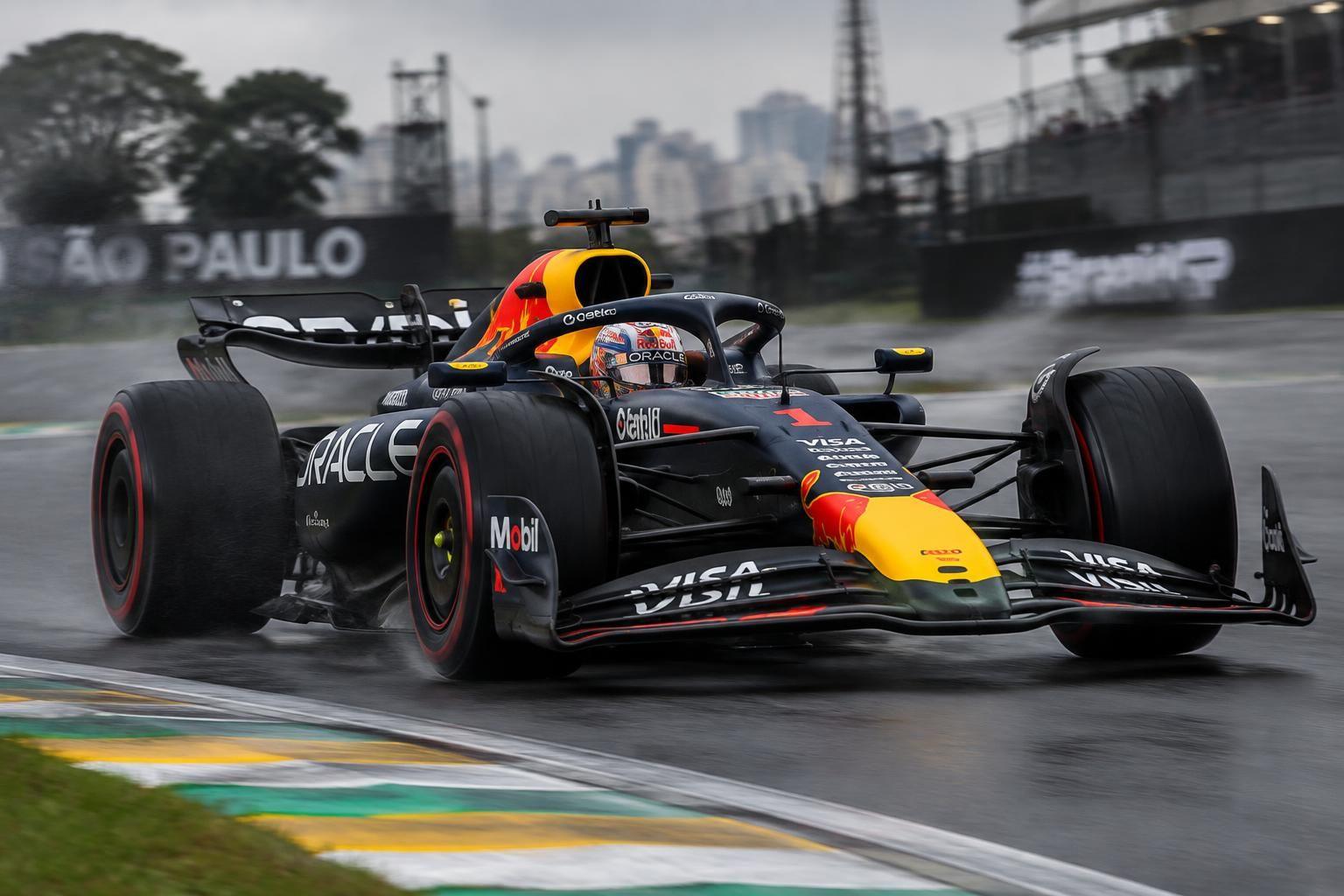
Verstappen’s Interlagos charge masked Red Bull’s handling problem
Starting from the back row, Verstappen attacked early rather than waiting for the field to settle. His intermediate-tyre stint delivered the grip and confidence needed to pass cars quickly, and he said the pace during that phase felt competitive. In changeable conditions, the wet line also offered more passing options than a dry circuit would have.
The balance shifted after Red Bull Racing fitted soft tyres for two middle-race stints. Verstappen reported severe oversteer in fast corners, making the car difficult to place and costing him confidence at the point where the race began to stabilise. He still finished second behind Lando Norris across the 71-lap event, but the podium did not settle the question of what the RB22 could have achieved in proper shape.
Red Bull investigation must separate setup from technical issues
Verstappen wants a full investigation into whether the car suffered a loss of aerodynamic load or another failure. That distinction matters: a setup limitation should respond to adjustments, while a broken or displaced part could explain why the handling deteriorated so sharply. The team will need to compare data from each tyre phase, including steering inputs, balance and aerodynamic readings.
His return to intermediates late in the race offered a useful comparison. Verstappen said the car felt markedly different from its first stint, strengthening his concern that the problem went beyond a simple preference for one compound. A previous Red Bull rear-wing probe shows why close inspection of the car’s aero components can matter when driver feedback and performance data diverge.
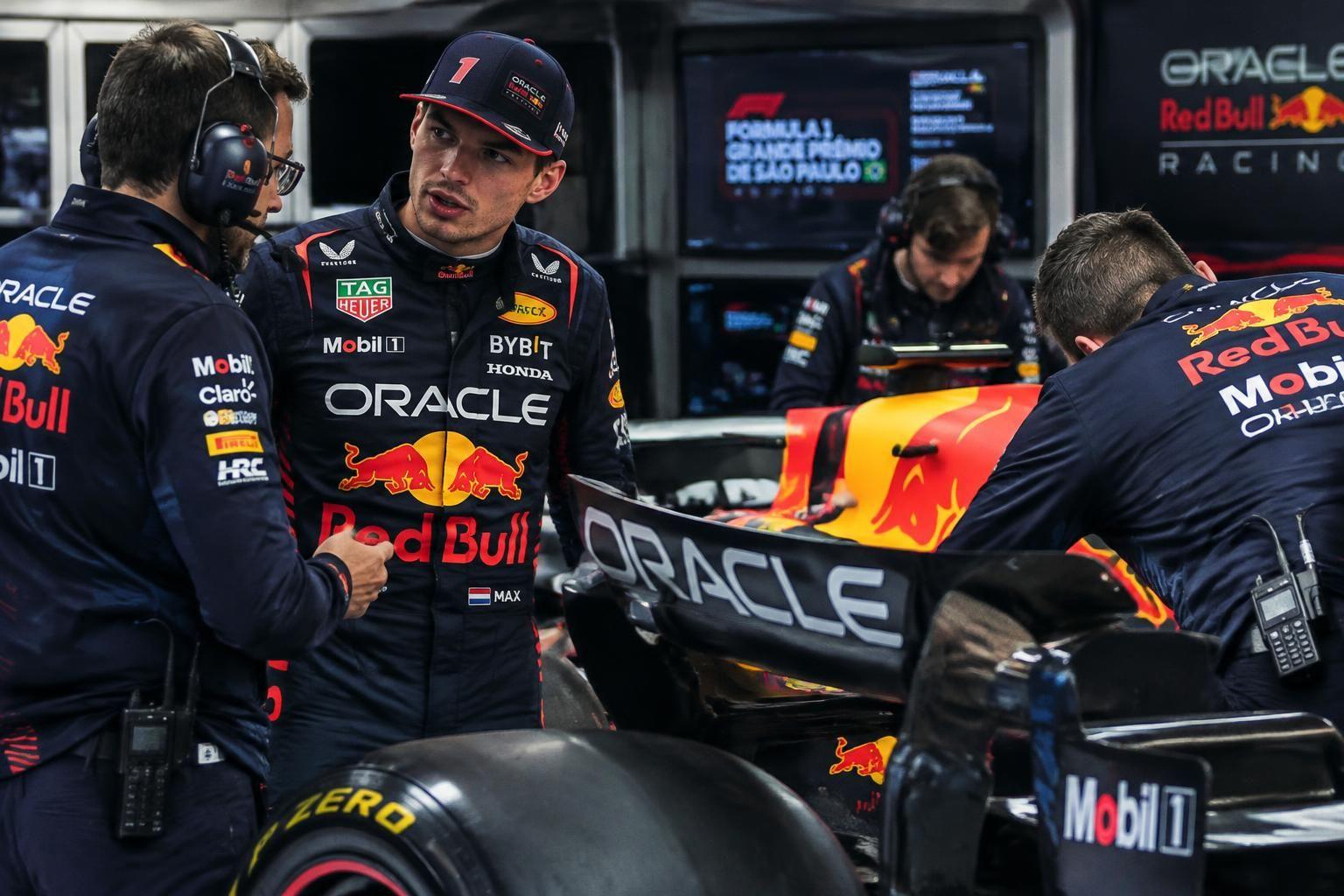
Performance concerns sharpen Red Bull’s next team analysis
The result echoes Verstappen’s recent Interlagos recoveries: he won from P17 in 2024, then climbed from the pit lane to third the following year. Those drives underline his ability to rescue points, but repeated starts deep in the order leave less room to judge the car’s underlying pace. He said he would rather begin further forward next time.
That makes the coming team analysis about more than one troublesome stint. Red Bull Racing must establish whether the oversteer came from damage, aerodynamic behaviour or car setup, then check whether the issue connects to the broader performance concerns Verstappen and team leadership have raised. For the wider Formula One picture, the warning is plain: a podium can conceal a car that is not behaving as expected. Follow the latest F1 news and LAS Motorsport coverage as the technical findings emerge.