

Newey Sets Aston Martin’s Focus on the Future. Honda’s Slow Progress Still Stings. The Partnership Faces a Long Road.
Adrian Newey says Aston Martin and Honda must keep their attention on the future, even as the manufacturer confronts a disappointing first season together. The works partnership began in 2026 with hopes of building a competitive package, but a troubled start has left both performance and reliability short of expectations. Severe vibrations and battery failures disrupted testing and early races, limiting the mileage the team needed to develop its car. Honda has made progress, yet its power unit has not closed the gap to rivals at the pace the group wanted. For Newey, the immediate results matter less than the people and processes now in place to turn the project around.
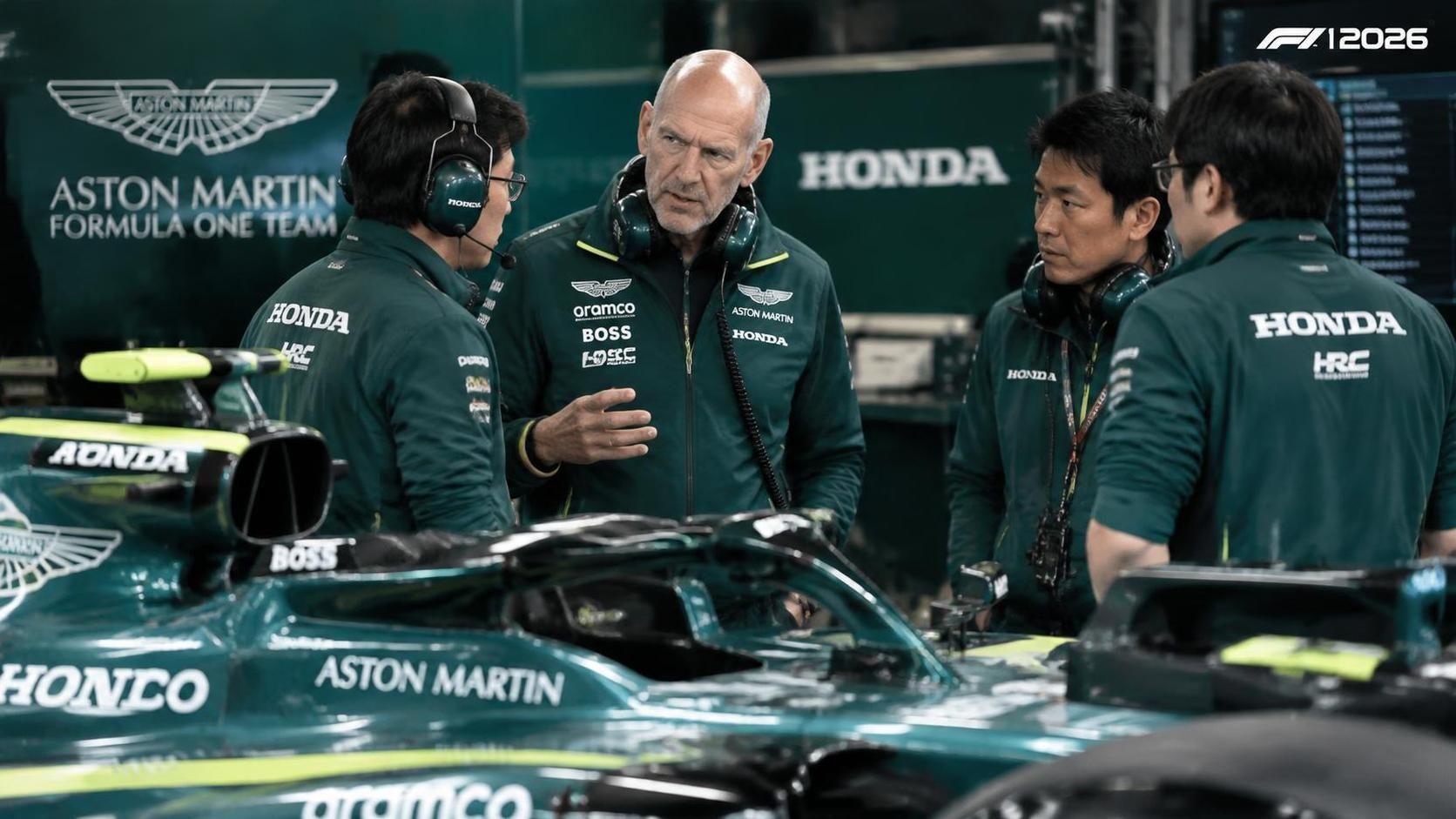
Adrian Newey on Aston Martin and Honda’s Difficult First Season
Newey acknowledged that Honda has not advanced as far as it hoped this season. The Japanese manufacturer’s disappointment reflects a practical problem, not just a pace deficit: early reliability trouble cut into the track time needed to understand the car and refine the overall package.
Vibrations and battery failures marked the opening phase of the campaign, while later engine and turbo updates brought improvement without a breakthrough. Those upgrades came through the FIA’s additional development and upgrade opportunities programme, but Aston Martin still lacks the consistent performance to fight regularly for points. Honda’s latest efforts have also drawn attention in reports on its performance upgrades.
F1 Engineering: Reliability, Mileage and the Power Unit Gap
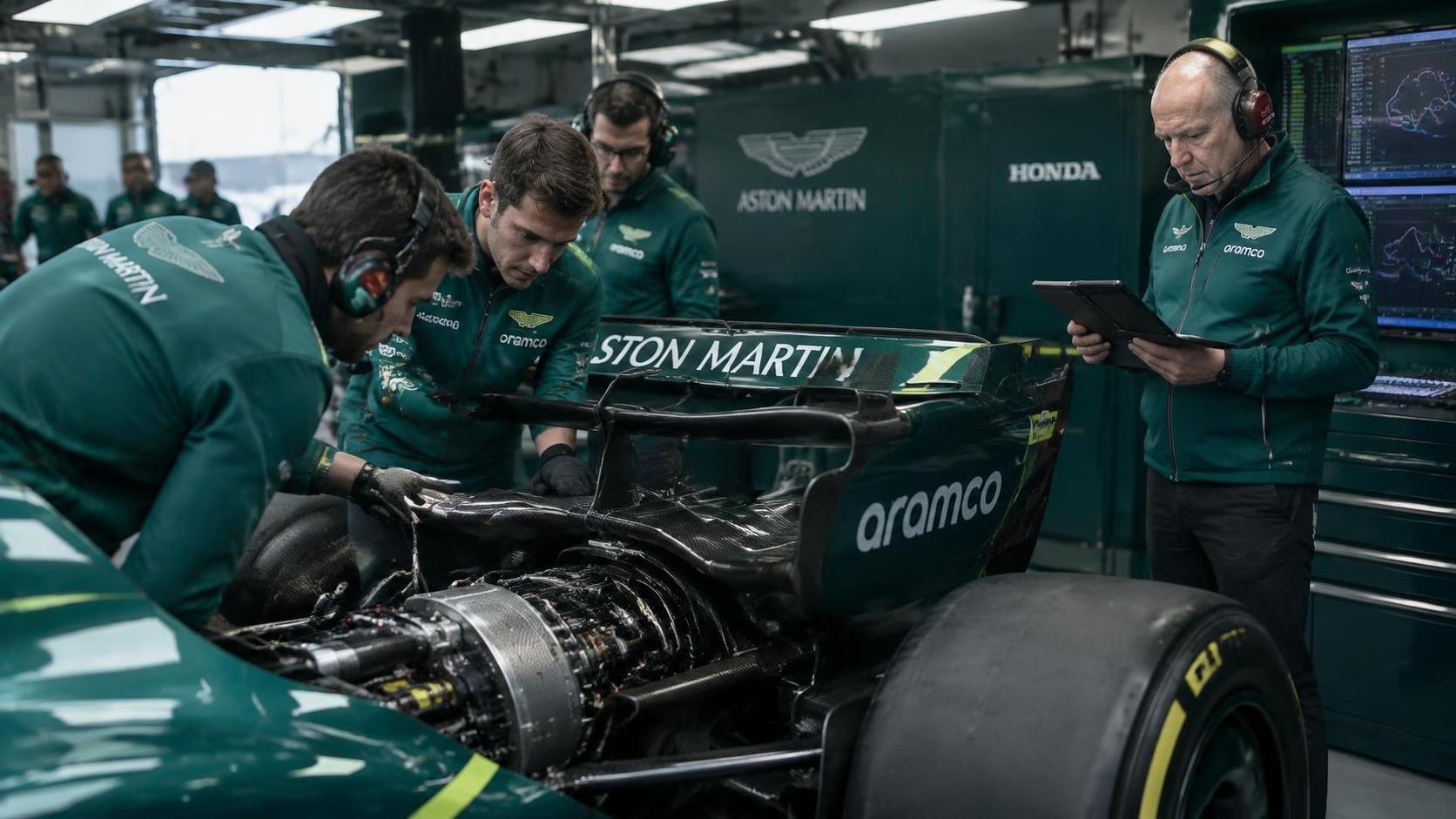
For a new works project, lost mileage compounds quickly. Each interrupted session leaves engineers with fewer clean runs to assess energy deployment, cooling, vibration behaviour and the interaction between the chassis and Honda’s power unit. That makes reliability more than a garage concern; it shapes how quickly Aston Martin can develop the whole car.
Newey’s technical insight is measured: progress takes time, but he sees capable people and processes taking shape across the team partnership. Upgrades can address specific weaknesses, yet they cannot instantly replace the data and setup knowledge missed during disrupted preparation. The team’s earlier struggles at key circuits underline how wide the task remains, as explored in this look at Aston Martin’s circuit-by-circuit challenges.
Aston Martin’s Seven Points and the Road Ahead
After 20 rounds, Aston Martin sits tenth in the constructors’ standings on seven points, ahead only of newcomer Cadillac. Fernando Alonso has scored every point, with finishes of tenth in Monaco, ninth in the Netherlands and eighth in Bahrain; Lance Stroll remains scoreless. The numbers leave little room to disguise the gap.
Newey’s message is not that the current deficit will vanish quickly. He says Honda remains determined, and that the two companies must build for the seasons ahead rather than expect an overnight fix. In Formula One, a stronger future depends on translating workshop progress into dependable laps and points; for this motorsport partnership, that work now becomes the real measure of response.