

Toto Wolff cannot explain Mercedes’ sudden qualifying slump. The pace vanished when it mattered. The data now has to expose why.
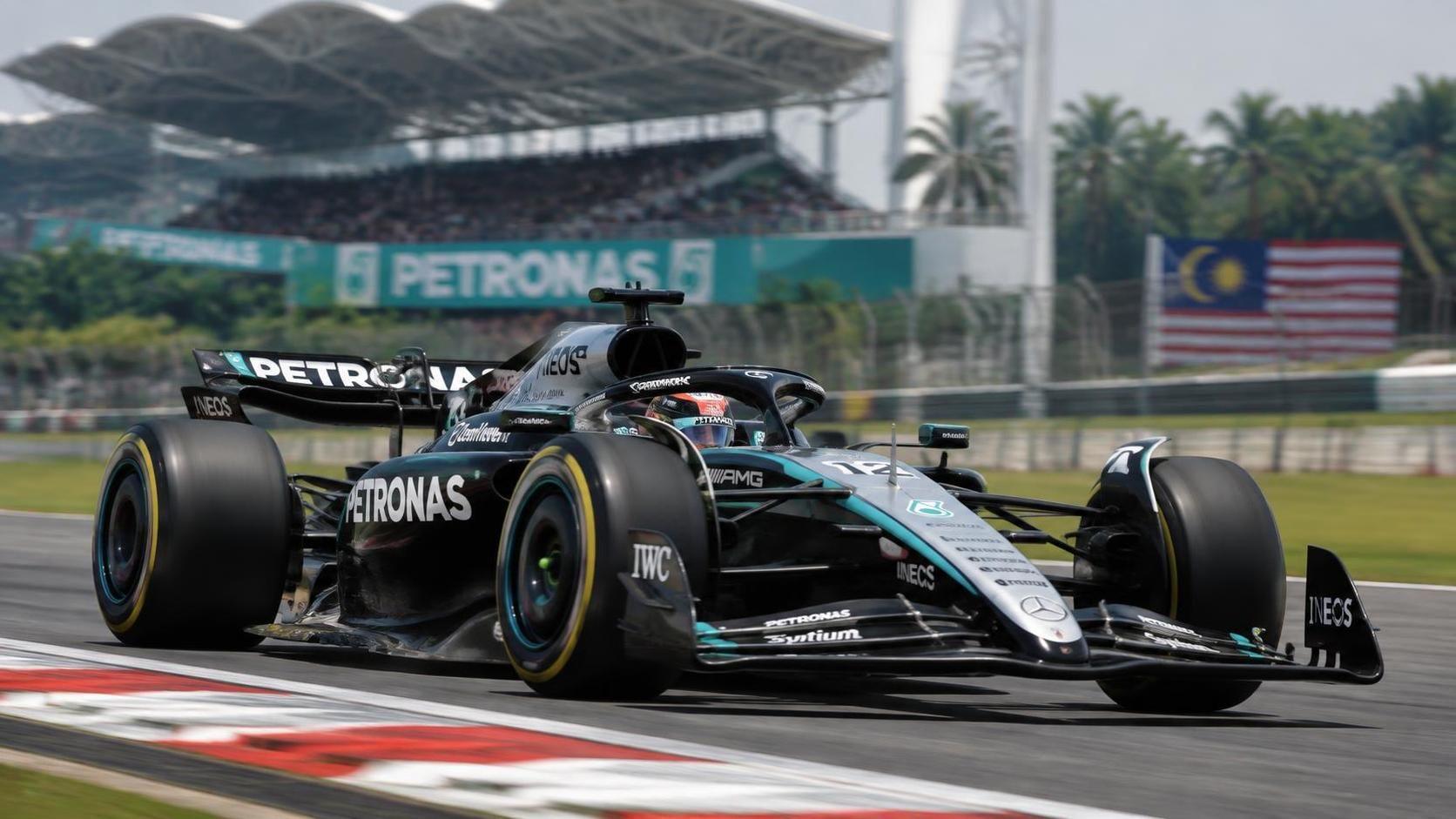
Mercedes left the Malaysian Grand Prix qualifying session with a result that did not match its earlier promise. Kimi Antonelli scraped into the top four, while George Russell qualified eighth after the Silver Arrows had looked far stronger in practice.
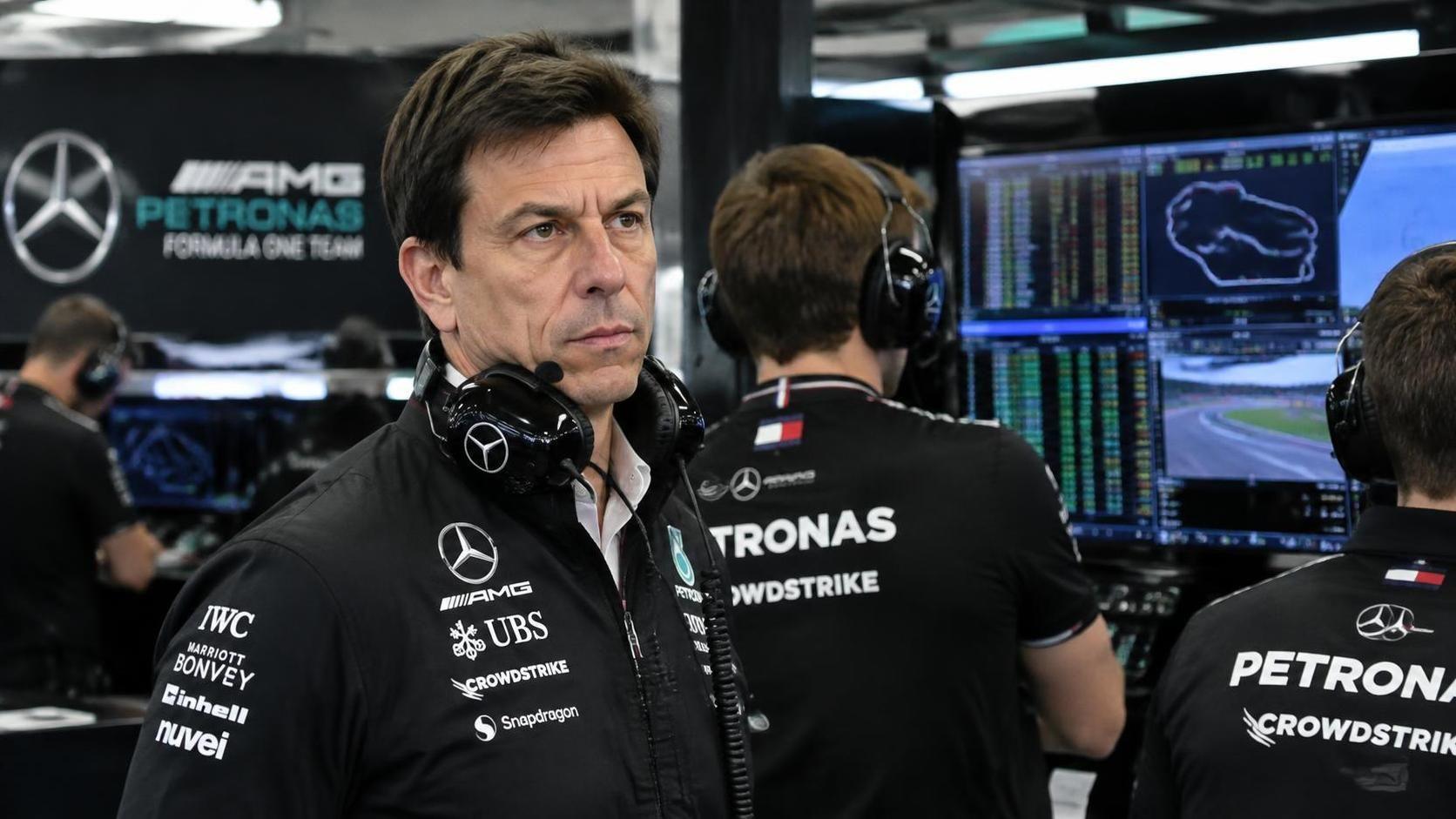
The contrast sharpened after Antonelli led the field in FP3, raising expectations that the team’s substantial upgrade package had delivered. Instead, the latest qualifying struggle marked only the second time this season that Mercedes failed to place a car in the top three. Team principal Toto Wolff called the performance difficult to understand, pointing to unfamiliar car behaviour, the heat and the circuit’s distinct surface. His concern was not simply a disappointing grid position: the team saw weaknesses it had not encountered elsewhere. Now the engineers must determine whether the upgrades work as intended or whether the Malaysian conditions exposed a deeper problem.
Mercedes’ Malaysian Grand Prix qualifying struggle catches Wolff off guard
Mercedes arrived in Malaysia with a major upgrade package and the ambition to strengthen its late-season bid for both championships. Friday brought unexpected handling behaviour, but Antonelli’s pace in FP3 suggested the team had made progress in understanding the car. That confidence did not survive qualifying, when the performance slipped back towards the pattern Wolff had hoped to leave behind.
“Very difficult to understand,” was Wolff’s assessment to Sky F1. He linked the early difficulties to the unusually hot conditions and the different tarmac, yet those factors did not explain why the car looked competitive in the morning and then lost pace. For Russell, eighth place turned that unexplained swing into a more visible setback.
Toto Wolff points to drag and understeer, not just setup issues
The first clues concern both straight-line speed and cornering. Wolff said the car appeared unusually draggy, with Mercedes losing time on the straights, particularly against Max Verstappen. Through the slow Turn 2, the front end also lacked the response needed to rotate cleanly, leaving the drivers fighting understeer.
That mix complicates the team’s technical problems: reducing drag can help on the straights, but changes to the car’s balance may compromise grip in slower corners. Wolff said the upgrade still appeared to work, so the immediate task is to isolate why Malaysia produced different results from the rest of the season. The team’s data-led team analysis will need to separate circuit conditions from setup issues and any interaction between the new parts.
The problem is a sharp contrast with earlier signs of progress, including Mercedes’ previous recovery after addressing a major flaw. That history makes this weekend’s findings more significant: the team must establish whether Sepang exposed a local weakness or a broader limitation in its latest package.
Mercedes race pace and championship ambitions depend on answers
The qualifying result does not settle what Mercedes can achieve on Sunday. Antonelli starts near the front, while Russell faces a recovery from eighth, making tyre management, clean air and race pace important measures of whether the car’s underlying speed remains intact. A strong race would not erase the issue, but it could help the team compare long-run performance with its one-lap deficit.
With the team pursuing a double-title challenge, every lost position carries weight in the championship fight. The engineers must now connect telemetry from FP3 and qualifying to pinpoint when straight-line losses and low-speed understeer emerged. Wolff’s call to “put our heads together” reflects the immediate priority: a clear diagnosis before the next setup decision.
Mercedes’ response will also be watched against the progress credited to Antonelli, whom Wolff has previously praised for managing his challenges within the team (Wolff’s comments on Antonelli). Malaysia has turned a promising upgrade debut into a test of how quickly the Silver Arrows can translate data into usable speed.