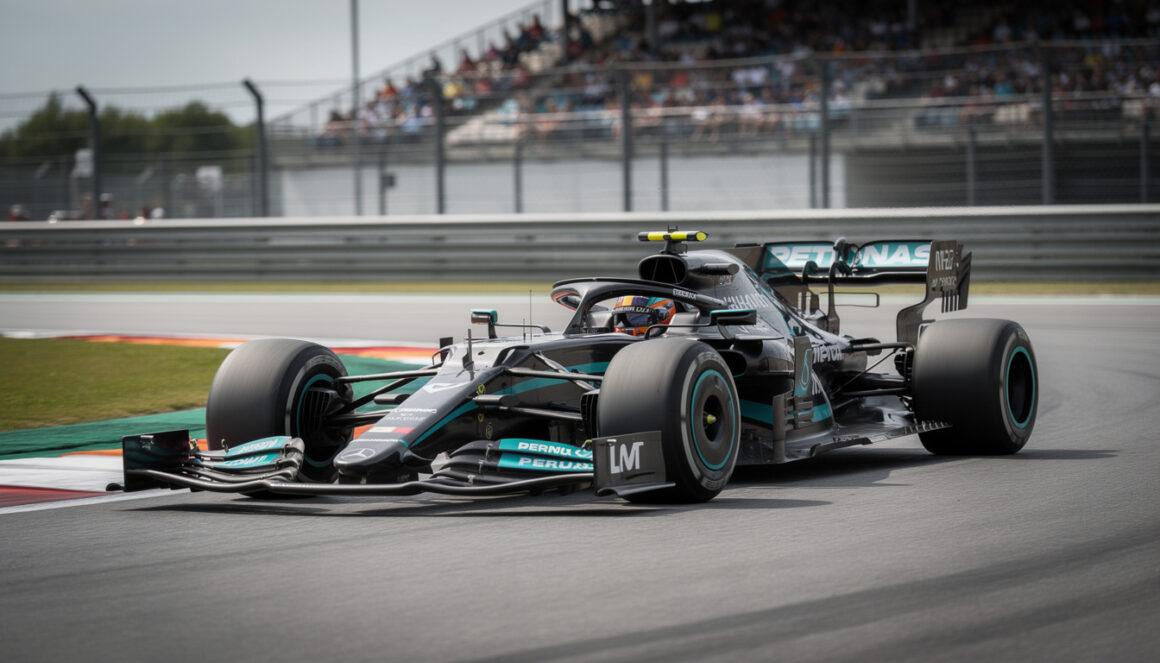


Toto Wolff, the authoritative Mercedes Team Principal, has showered rave reviews on Peter Bonnington, branding him a bona fide superstar in Formula 1 circles. The Austrian highlighted Bonnington’s expert role in masterfully managing the young talent Kimi Antonelli, whose remarkable points lead this season is a testament to their potent partnership. As the 2026 championship progresses, this dynamic duo is reshaping perceptions of driver support and race strategy mastery.
Wolff’s accolades come amid a season where Antonelli has seized five wins out of seven races, commanding a 41-point gap over his teammate Lewis Hamilton. This leadership surge owes much to the steady influence behind the scenes—Bonnington’s strategic insights and psychological coaching have tempered the Italian’s raw pace with vital composure. Their synergy has proved decisive against fierce competition, including pressure battles with rivals like George Russell. Mercedes is clearly investing as much in the pit wall as on the track, an approach underlined by Wolff’s praise.
Mercedes’ Strategic Masterstroke: Peter Bonnington’s Role in Antonelli’s Rise
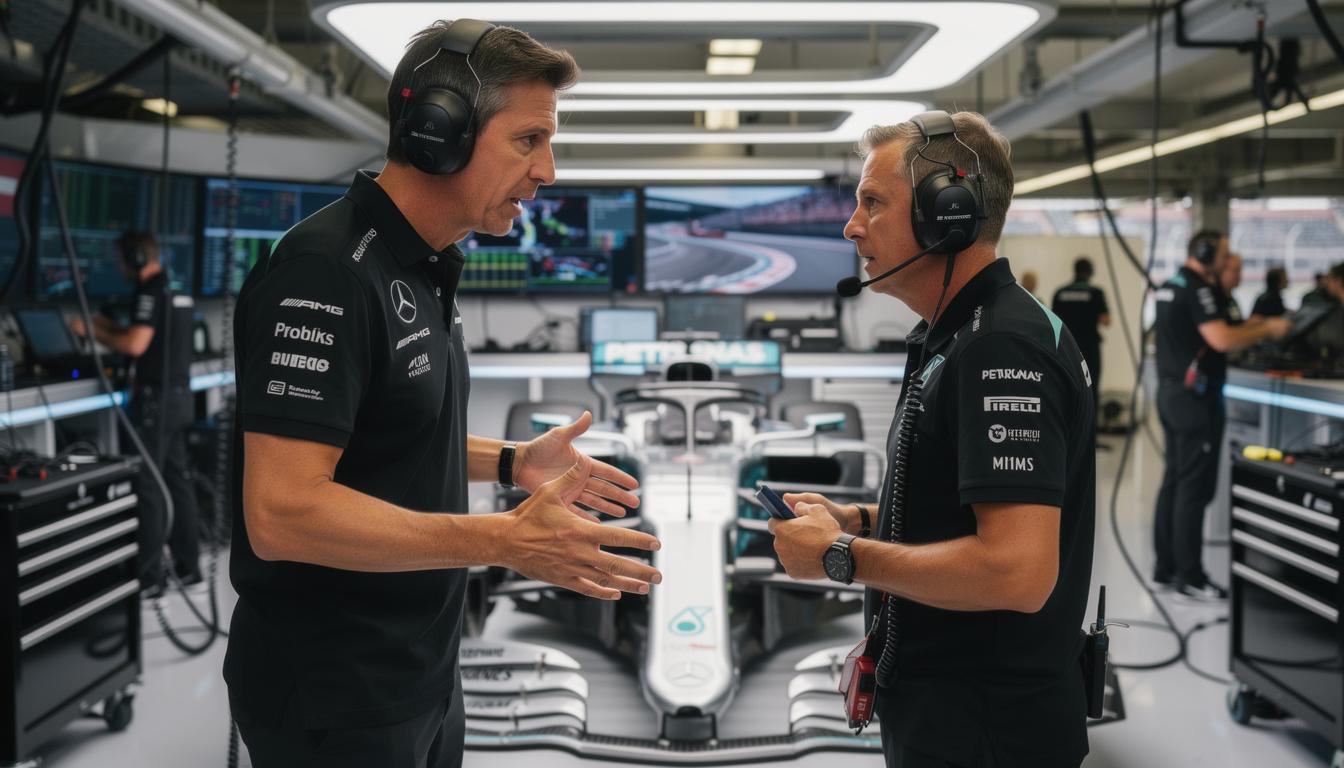
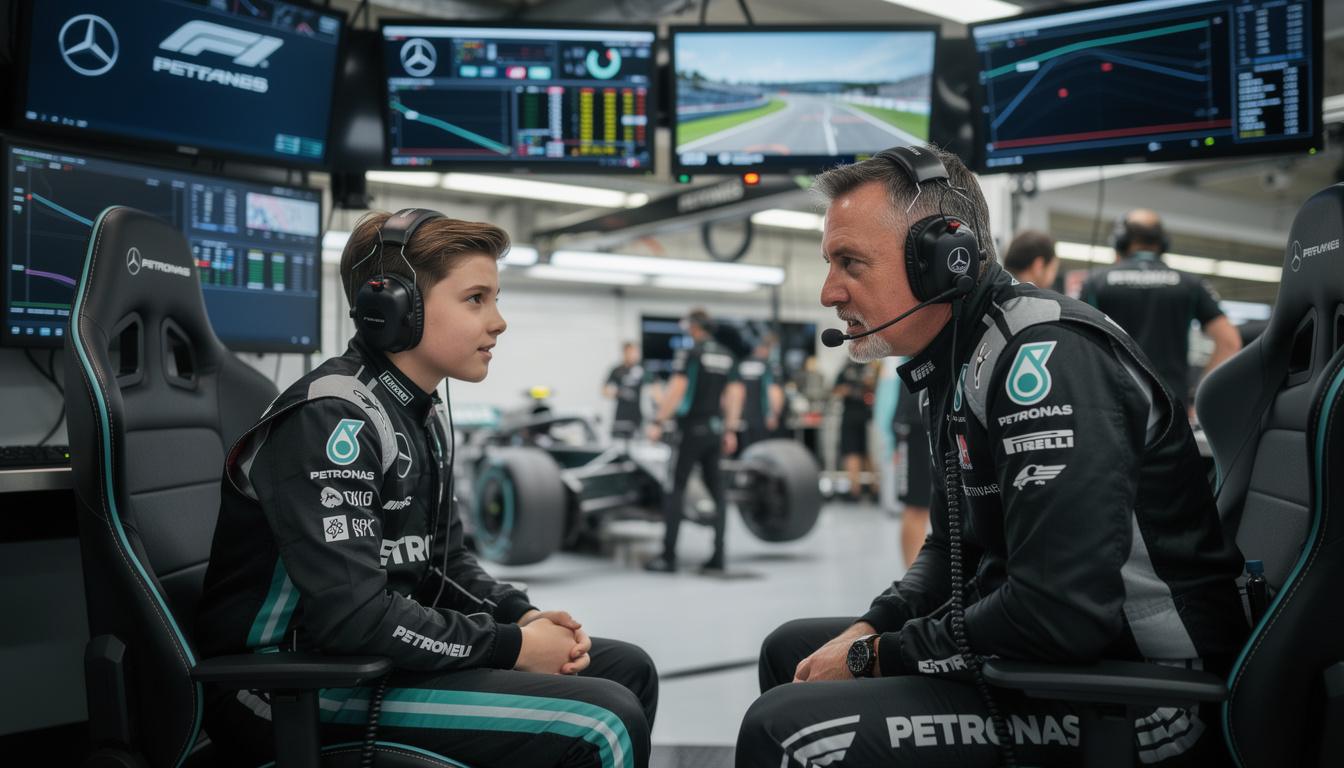
Peter Bonnington stands apart as the only race engineer in F1 history to have partnered directly with two seven-time world champions—Michael Schumacher and Lewis Hamilton. This unparalleled experience translates into an exceptional ability to guide high-pressure situations, particularly in nurturing a young gun such as Kimi Antonelli. Wolff describes Bonnington as both rigorously data-driven and compassionately patient—the ideal mix to manage the taxing mental and technical demands of Formula 1.
The 2026 season reveals Bonnington’s knack for emotional regulation as much as race strategy. During the Canadian Grand Prix, Antonelli wrestled with frustration while duelling with George Russell, yet Bonnington’s calm intervention kept him focused and competitive. Wolff highlighted this balance: Bonnington is not only an engineer, but a mentor who sets clear boundaries, showing toughness to ensure drivers respect their roles. This firmness, combined with acute data analysis, cements his status as the best in the business.
Technical Precision Meets Emotional Intelligence in Race Strategy
Bonnington’s role transcends traditional engineering. His ability to decode complex telemetry and tailor race strategies on the fly gives Kimi Antonelli the competitive edge needed for consistency at the front. Whether it’s optimising pit stop windows, managing tyre degradation, or deploying energy recovery systems, his in-race calls have been pivotal to Mercedes’ gathered successes. The 41-point margin leading the standings reflects more than speed—it is the product of refined race strategy and split-second decision-making.
Equally telling is Bonnington’s blend of analytical prowess and empathy, which fosters trust and resilience in Antonelli’s camp. Wolff emphasises how this dual skill set is crucial when a driver confronts both the technical complexity of the cars and the psychological minefield of a championship fight. This comprehensive management style showcases modern F1’s evolution—where driver management off the track influences results just as heavily as performance on it.
Looking Ahead: Championship Implications and Mercedes’ Challenge
Kimi Antonelli’s current championship lead, underpinned by Bonnington’s guidance, intensifies the championship narrative. However, the remainder of the season promises strenuous challenges, particularly from competitors like McLaren and their drivers, who have closed gaps in recent rounds. Mercedes must sustain this delicate balance of technical innovation and psychological management to maintain their throne in Formula 1’s ultra-competitive environment.
For Wolff, ensuring Bonnington continues to wield influence over strategic and emotional aspects of Antonelli’s performance is a priority. Their partnership serves as a blueprint for how top teams must adapt, blending race-craft with human factors to secure championships. This winning formula contrasts sharply with incidents of team friction seen elsewhere in the paddock recently, reminding us at LAS Motorsport that the devil often lies in the nuances of driver management.
As the 2026 campaign intensifies, attention will closely follow how this carefully nurtured chemical reaction between engineer and driver withstands pressure. With a commanding lead and a race engineer of Bonnington’s calibre, Mercedes’ hopes rest not just on speed but on the mastery of race strategy and emotional control. This episode in the sport’s history underlines how critical the unsung roles in the pit lane can be to championship outcomes.
The Dynamic Legacy of Leadership and Mentorship at Mercedes in F1
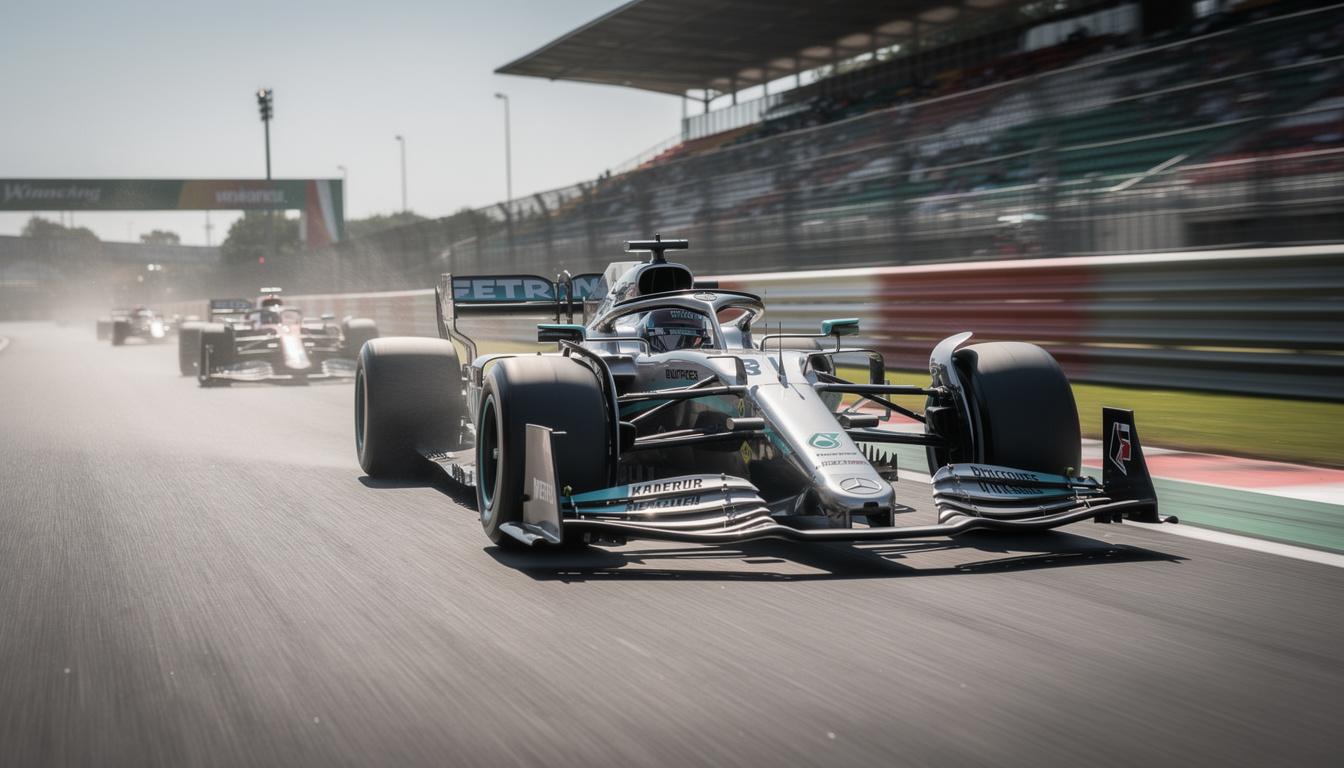
Toto Wolff‘s commendation of Bonnington underscores the importance of legacy and continuity within the Mercedes team. Bonnington’s ability to adapt lessons learned from legends like Michael Schumacher and Lewis Hamilton to today’s young star reflects a deep cultural ethos. His methods contribute prominently to shaping Antonelli into not just a speedster, but a future F1 superstar.
The season’s unfolding narrative reveals that the interplay between experienced mentorship and youthful talent is integral to sustained success in Formula 1. It’s a potent reminder to teams across the grid—win the battle of the hardware but lose the war of people management, and you risk falling behind. Monitoring these dynamics remains vital for any follower of Formula 1 in 2026.