
Piastri rejects red-flag excuse. Tyres, not timing, decided his fate. McLaren now has a Q2 puzzle to solve.
Oscar Piastri says a late red flag did not cause his unexpected qualifying exit at Interlagos. The McLaren driver finished 12th in a rain-hit session, missing the top ten by just over two tenths.
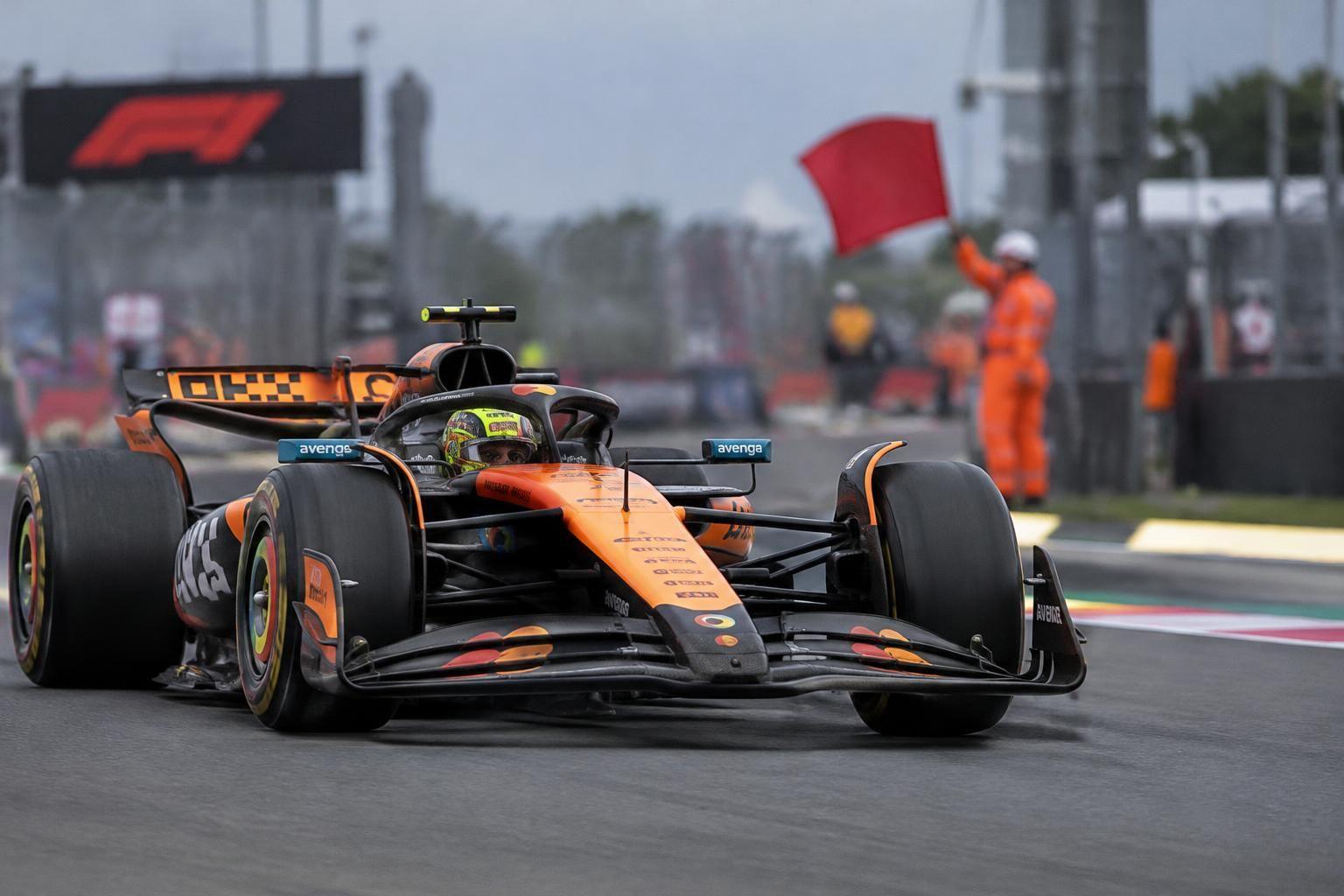
His team-mate Lando Norris claimed pole with a 1m 27.470s lap, while Piastri’s best effort was 1m 30.369s. A switch from wet tyres to intermediates reshaped the battle, and Piastri believes the timing of that call mattered more than the session interruption.
How the red flag affected Piastri’s qualifying exit
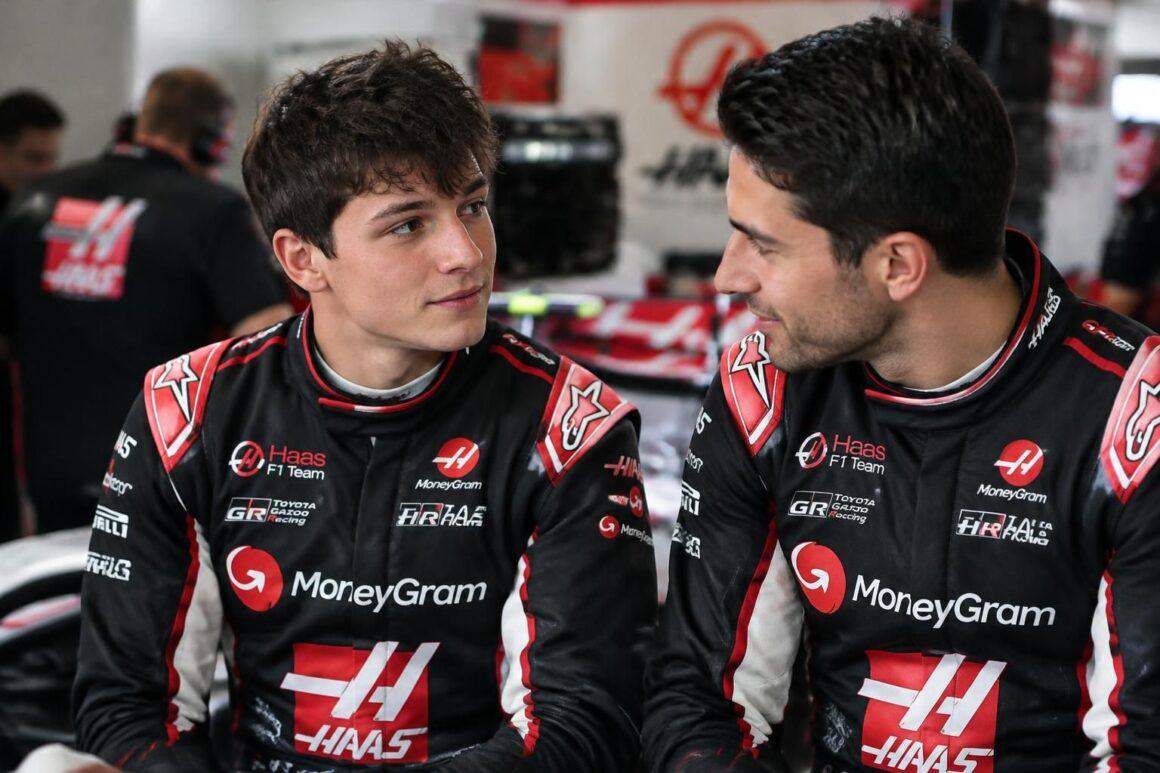
With around 45 seconds left in Q2, Rafael Camara crashed his Haas at the final major braking zone. Race control stopped the session, denying several drivers—including Piastri—a final chance to improve. The interruption was real, but it affected the whole field rather than singling out the Australian.
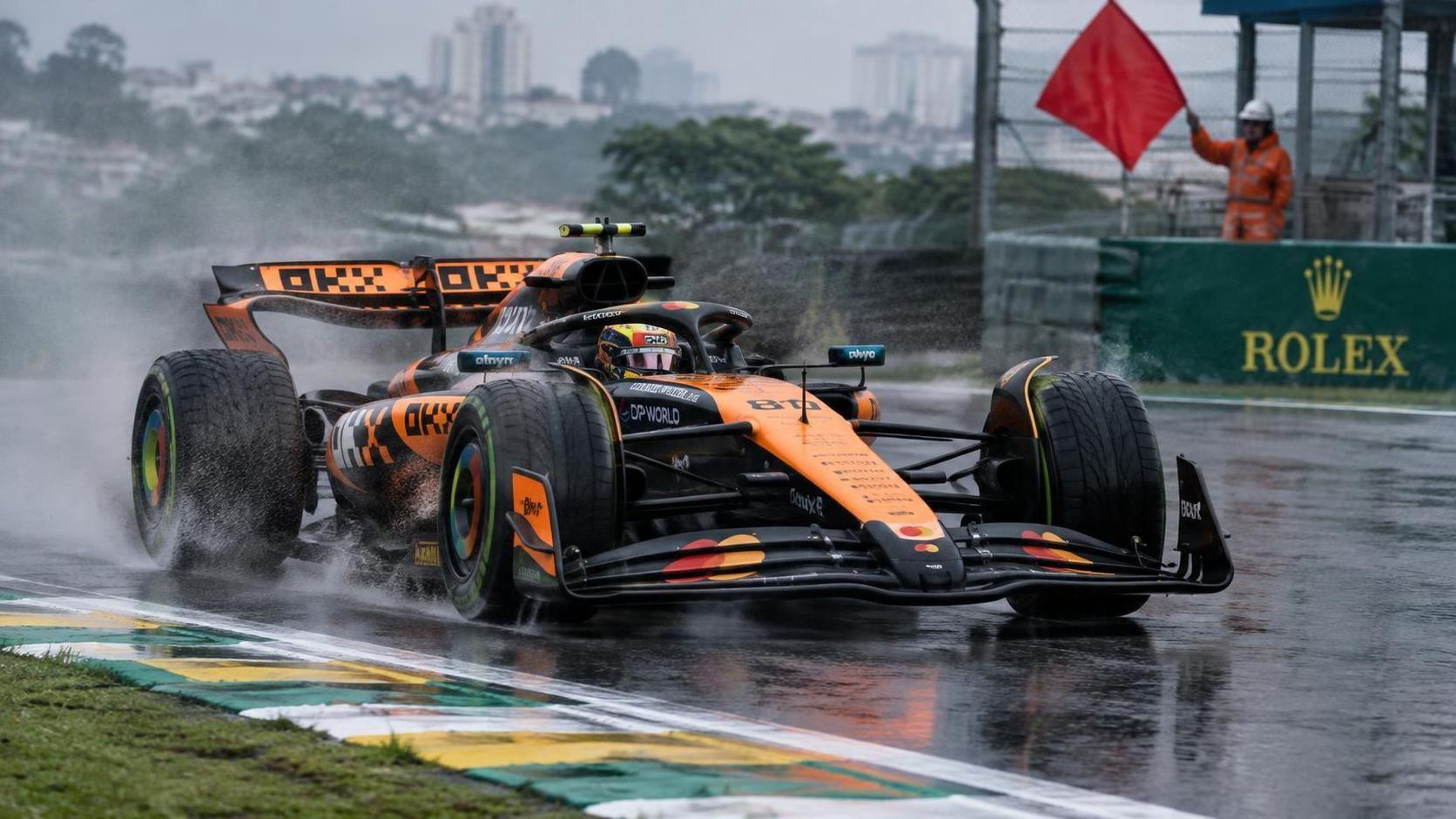
“Everyone would have got another lap,” Piastri said, rejecting the idea that the red flag alone explained his early exit. He acknowledged that the extra run might have helped, but pointed instead to the need to have the right tyre ready at the right moment. That distinction matters: the session interruption cut short his opportunity, but did not create the underlying grip problem.
The result leaves a sharp contrast inside McLaren: Norris converted the changing conditions into pole, while Piastri could not find enough time on the intermediate tyres. The Australian’s wider season story has centred on his place in the team, including this report on his commitment to McLaren. At Interlagos, though, the immediate question was execution over a handful of laps.
Tyre timing and track conditions explain the gap
Piastri admitted that the team may have waited too long before moving to intermediates. He had just completed a lap, but the tyres needed another run or two to build temperature; lines that worked on the full wets no longer suited the changing surface. In mixed conditions, grip can shift faster than a driver can adapt, and the clock offers little room to recover.
That left the 1m 30.369s lap short of what Q3 demanded. Piastri said there was “a lot more time” available, and suggested that another lap and better decisions could have put him through. For Formula 1 teams, the decision is not simply wet versus intermediate; it is when the tyre can deliver temperature without sacrificing a final timed attempt.
There is useful context in the team-mate comparison. Norris’s 1m 27.470s pole showed how much pace the McLaren could produce, but it does not erase the changing track conditions across the session. For more on the pair’s competition, see Norris under pressure as Piastri impresses; this qualifying split was decided by timing and tyre preparation, not a simple lack of car speed.
What Piastri’s early exit means for the São Paulo race
Despite the disappointing grid position, Piastri said he felt comfortable with the car in the dry and that the team had a solid baseline. A dry race would give him a more predictable platform, while further rain could reopen the same tyre-temperature challenge that shaped qualifying. Either way, the race weekend is not defined by one interrupted session.
The focus now shifts to converting that dry-weather confidence into forward progress from 12th. Piastri has not blamed luck, and his account points to a specific review for McLaren: whether the move to intermediates came late and whether the out-lap plan gave them enough time to work. The red flag closed the door on one more attempt; tyre choice had already narrowed the route to Q3.