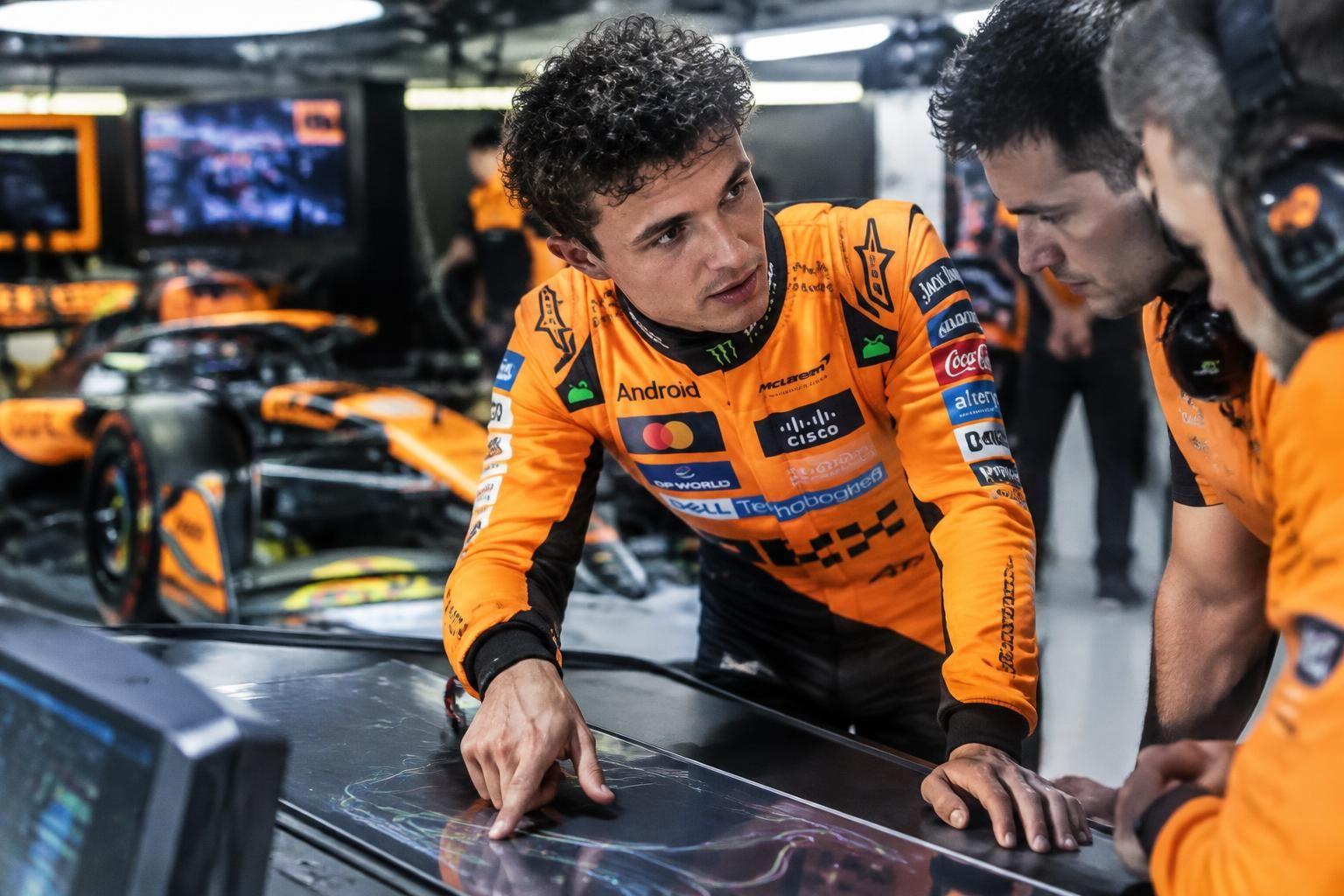

Norris finds a route to the front. McLaren has pace in Mexico City. Qualifying execution will decide the opening battle.
Lando Norris left Friday practice with a clear message for McLaren: the speed is there, but the MCL40 still demands careful handling. After missing FP1, he returned in the second session to set the second-fastest time, behind Charles Leclerc, giving the team a promising platform at the Autódromo Hermanos Rodríguez.
The result does not disguise the work ahead. Norris says the car remains difficult to drive, while the narrow gaps between the leading teams mean a clean qualifying lap could matter more than a headline-grabbing practice time. His immediate plan is practical: sharpen execution, refine the set-up overnight and turn available pace into a performance advantage.
That approach fits a weekend where every detail can shift the order. McLaren also needs to manage power-unit and brake temperatures, particularly when cars run close together in Sunday’s race. For the latest LAS Motorsport coverage, the key question is whether Norris can convert a strong FP2 into a genuine edge over his F1 rivals.
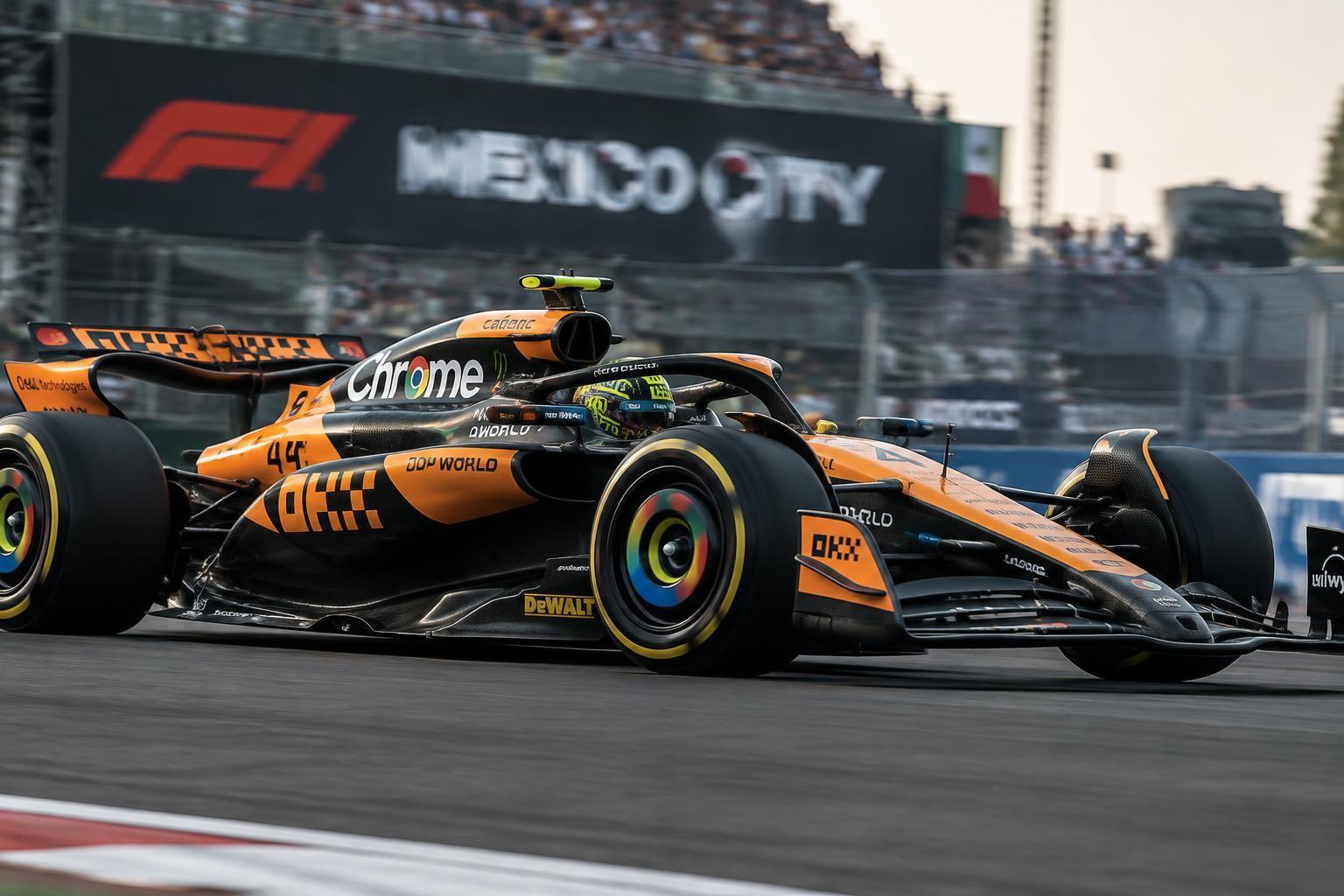
Lando Norris and McLaren find pace in Mexico City practice
Norris sat out FP1 while Leonardo Fornaroli took over the McLaren, then made the most of his return in FP2. He finished behind Leclerc, a useful marker after losing track time, but the reigning champion stressed that the lap time did not mean the car had become easy to handle.
That distinction matters at a circuit where confidence and precision shape a driver’s rhythm. Norris reported that the MCL40 still posed a challenge, even as he felt further speed remained available; the task now is to find it without upsetting the balance. His approach to adapting to F1’s regulations gives useful context: development only counts when a driver can exploit it consistently.
McLaren’s race strategy hinges on execution and temperature control
McLaren racing director Randy Singh described a tightly packed field, with the top four teams separated by small margins and the rest closer than usual. That leaves little room for errors in qualifying, where traffic, tyre preparation and a single compromised corner can erase the gains Norris saw in practice.
Temperature management adds another layer to the race strategy. Singh pointed to power-unit and brake temperatures as concerns, especially when cars run in traffic, while widespread front-wheel lock-ups showed how easily drivers can overwork the braking phase. The team believes it knows where to find lap time, but it must balance that search against keeping the car stable over a full race stint.
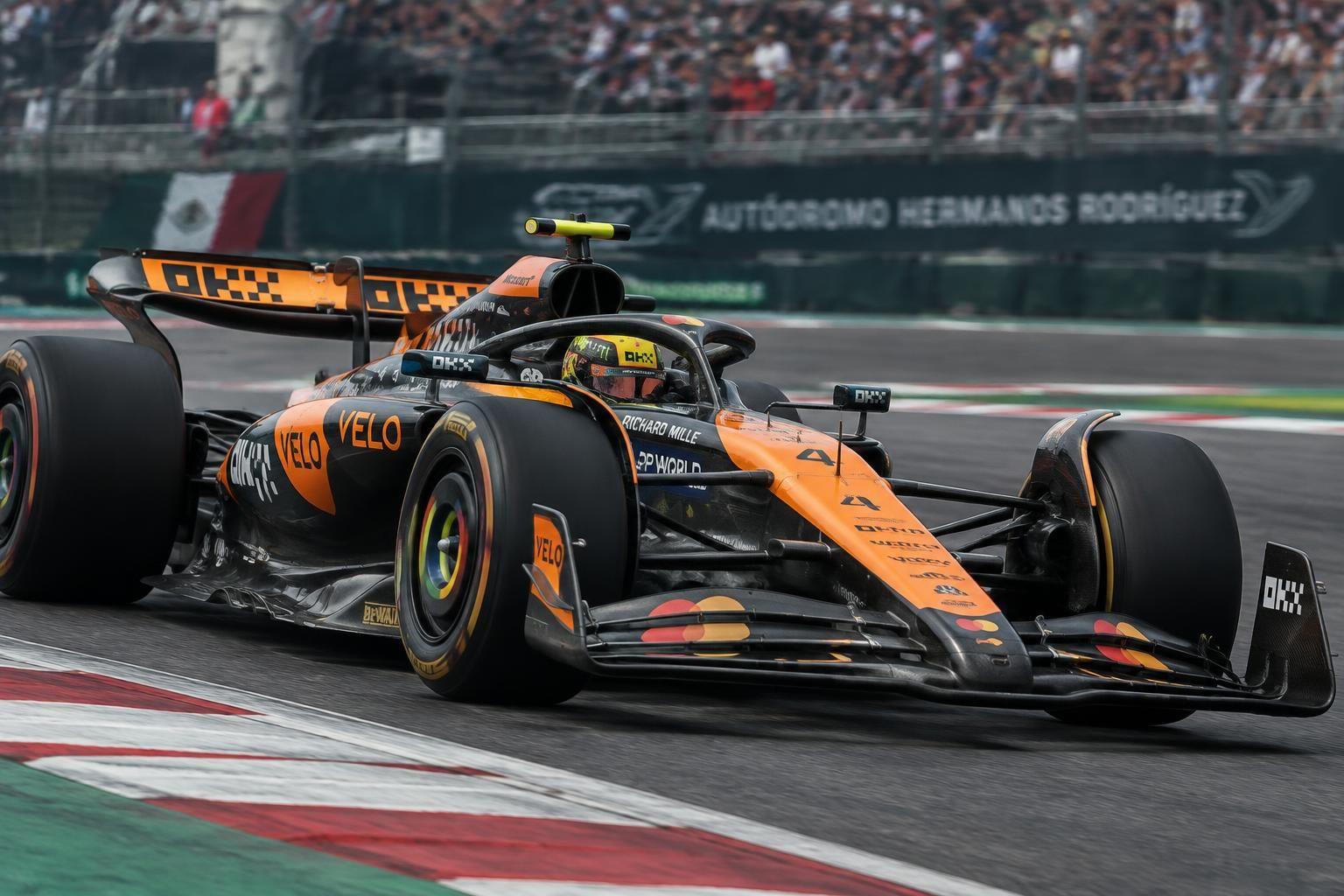
Norris targets a competitive edge as McLaren builds for Sunday
For Norris, Friday’s evidence is encouraging but not decisive. He thanked Fornaroli for his FP1 support and said the team had work to complete overnight, framing the session as a foundation rather than a finished package. That measured reading suits a weekend where team development must show up in the stopwatch, not merely in the garage.
The title-holder’s championship ambitions make every point relevant, yet the immediate opportunity is simpler: execute a clean qualifying run and start Sunday in position to fight. More of Norris’s thinking on the wider contest appears in this report on his refusal to abandon the title defence: Norris keeps his championship target in view. Mexico City may reward the driver who extracts the most from a difficult car, and that is where his latest driver insights could give McLaren a competitive edge.