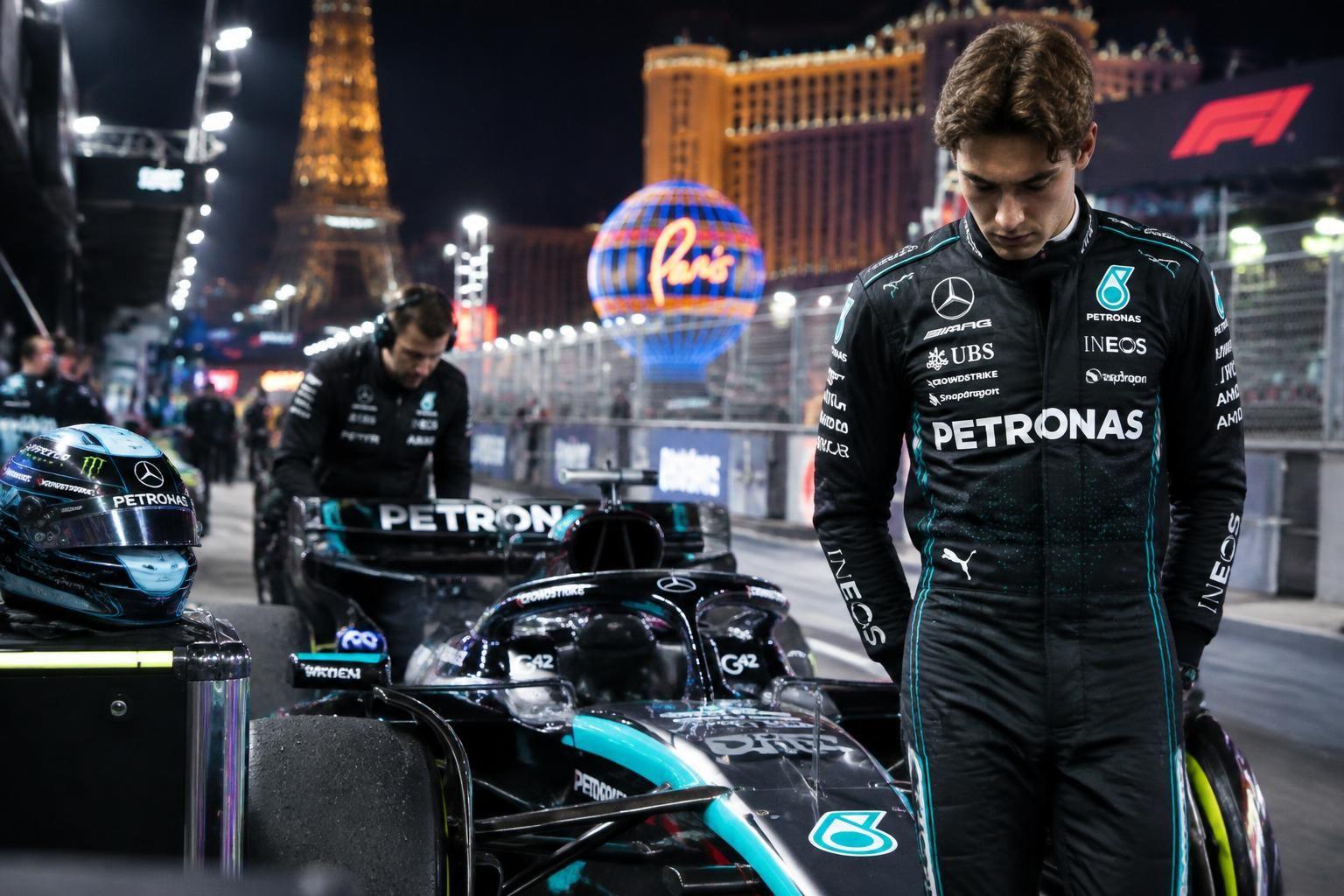

George Russell gambled for victory in Las Vegas. The move ended in the barriers. He owned the costly error.
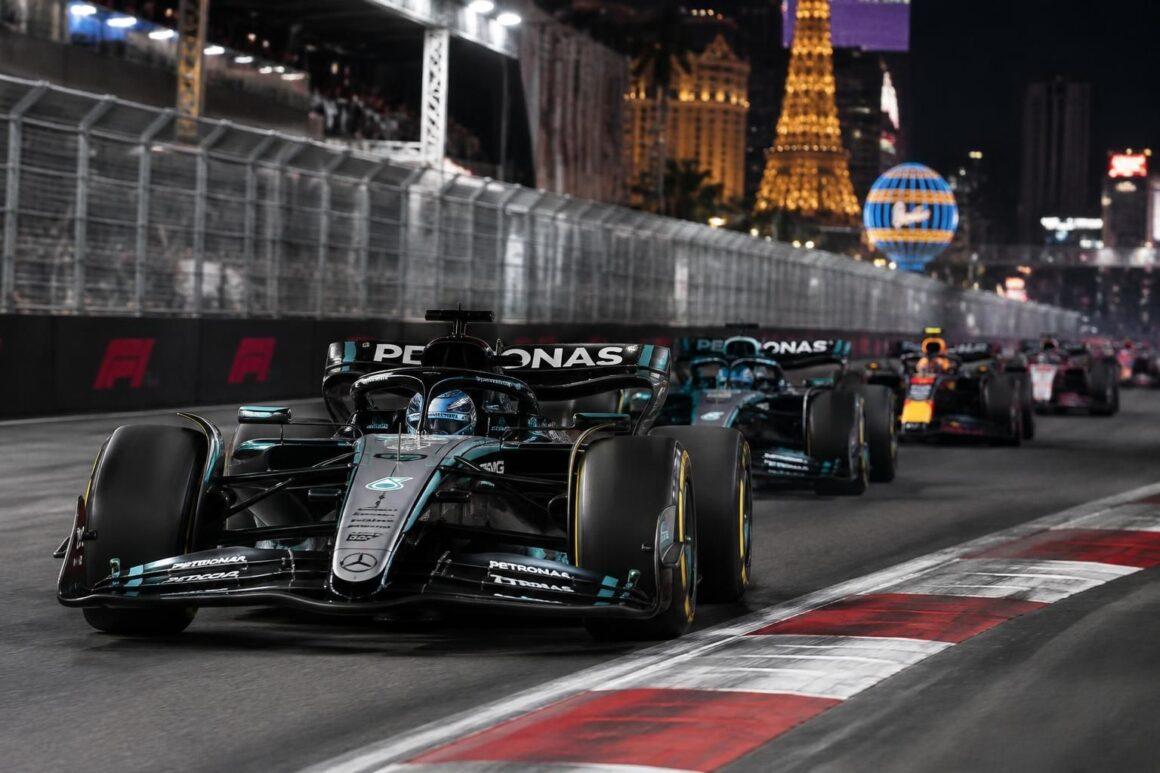
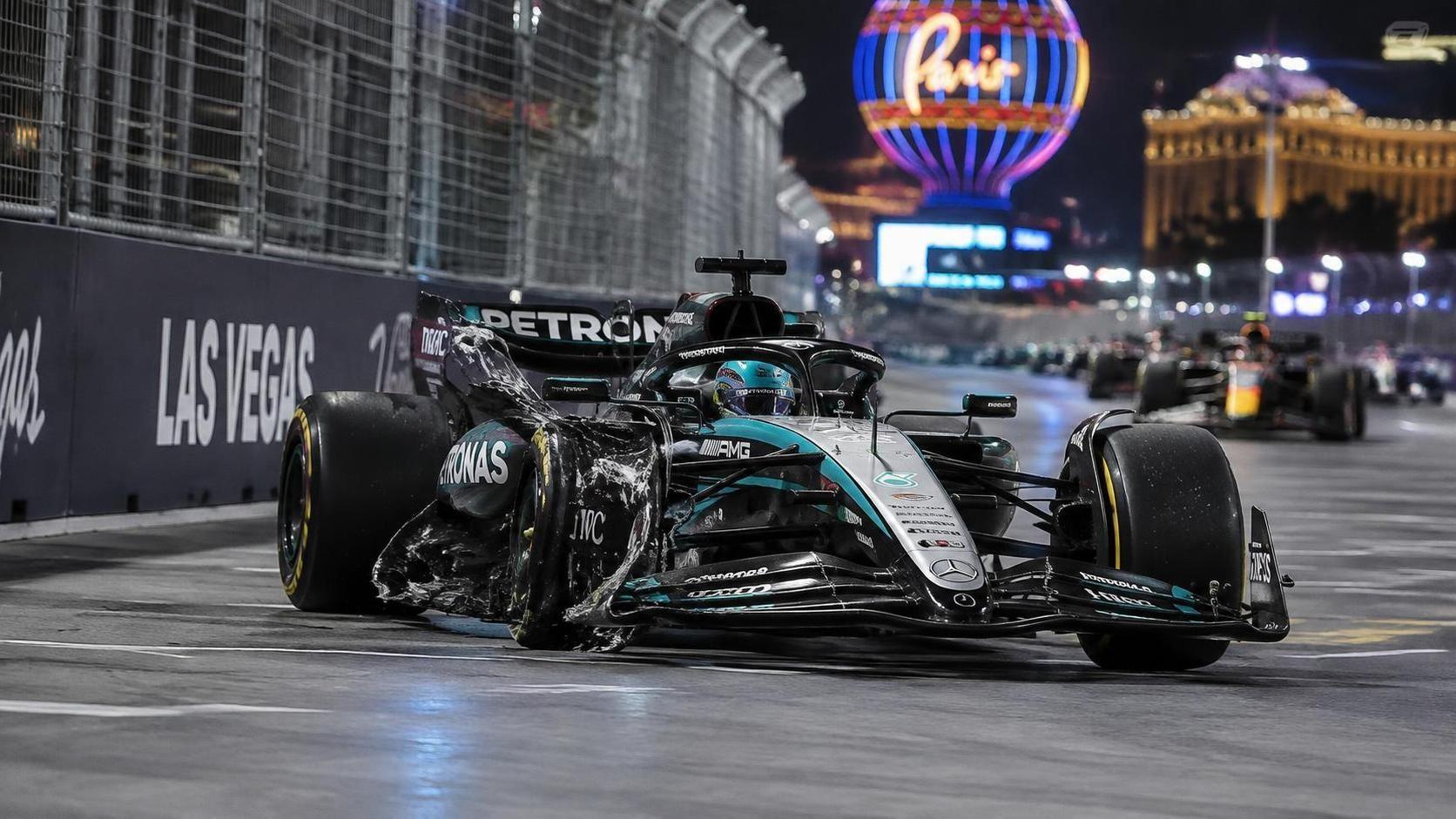
George Russell accepted full responsibility after a late attack on Kimi Antonelli turned a podium fight into a ninth-place finish at the Las Vegas Grand Prix. With two laps remaining, he tried to seize second and put himself in range of leader Max Verstappen. Instead, the Formula 1 driver misjudged the inside move at Turn 5, hit the barriers and restarted with a damaged car and a ruined race.
Russell recovered to battle Lewis Hamilton on the final lap, but Carlos Sainz edged past in his Williams at the line, leaving Russell ninth. The result stretched his run without a podium to six races and reshaped the championship picture: he dropped to fourth, three points behind Hamilton and level with Lando Norris on 264 points. The decision was his, and so was the bill.
George Russell’s Las Vegas race mistake: the Turn 5 gamble
Russell said he needed second place to have a genuine shot at winning, and Antonelli’s lack of overtake mode helped convince him to attack. He described the move as high-risk and made clear he did not regret trying it, even while admitting that a safer approach could have delivered third. That distinction matters: this was not a misjudged strategy call from the pit wall, but a split-second choice made by the driver.
The contact ended Russell’s immediate challenge and sent him tumbling down the order. His recovery drive brought him back into the fight, but there was little time to repair the damage to his result. For more on the pair’s past clashes, see this report on Verstappen’s verdict after a Russell collision.
Las Vegas Grand Prix slipstream battle and Mercedes strategy
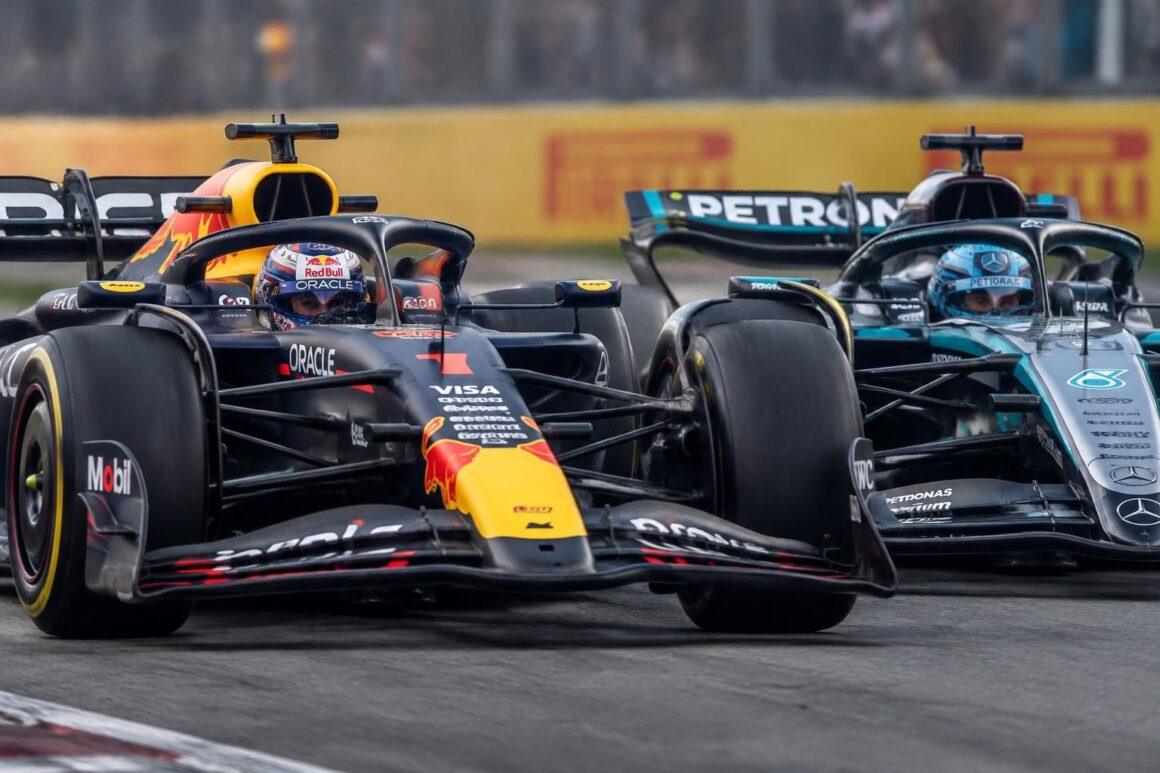
The wider race had already put Russell under pressure. Drivers repeatedly passed and re-passed in the slipstream, with position changes on the straights exposing cars to attack through the middle sector. Russell said he gained 1.3 seconds on Verstappen along the straight, a dramatic speed swing that made it difficult to build a gap or control the fight.
After falling to fifth, Russell changed his strategy mode and worked his way back towards the front. He believed his energy deployment could help him reach the start line ahead of Verstappen, but Antonelli’s pass and Verstappen’s counterattack left Russell vulnerable through the next sector. He called the racing tiring after half the distance; the pace was not the only strain, as every pass demanded an immediate tactical response.
That learning-on-the-fly quality is what made the closing laps so volatile. Russell said the speed differences on the straights felt extraordinary, while the repeated changes of position prevented any driver from settling into a clean rhythm. The incident was a personal error, but the race’s unusual slipstream pattern narrowed the margin for a measured approach.
Russell takes responsibility as championship pressure grows
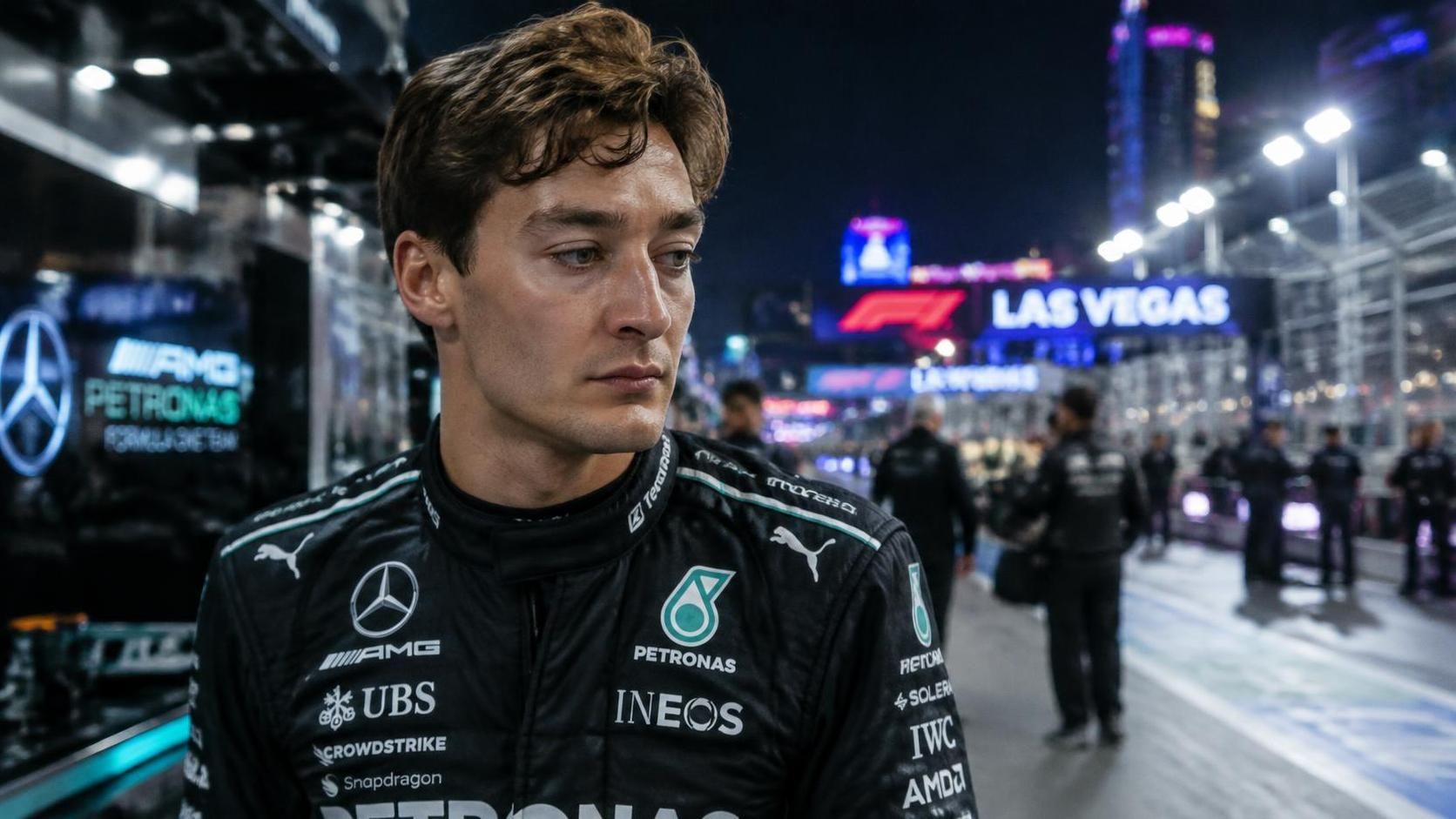
Russell did not blame the car, his team-mate or the conditions. He said he could have settled for third, but chose to chase the win and paid for the risk. That admission gives the race incident a clear shape: ambition created the opening, judgement failed at the moment of commitment, and the barrier turned a potential victory bid into a points loss.
The standings make the cost tangible. Russell now sits level with Norris on 264 points, three behind Hamilton, while Verstappen holds a 40-point advantage in the fight for second. The setback also extends Russell’s podium drought to six rounds, adding pressure as the season’s remaining opportunities shrink. His response to this result will matter as much as the lost places.
For background on the broader pressure surrounding Russell’s campaign, read this championship assessment after his latest setback. Las Vegas offered him a chance to attack for the win; the final result instead leaves the F1 driver chasing ground, with no one else to carry the blame.