

Blink and you missed it. That’s the world of F1 pit stops, where teams shave milliseconds like barbers with a grudge.
We’re counting down the 10 fastest ever recorded stops, the ones that turned mechanics into magicians and rivals into spectators.
The Anatomy of the Absolute Best
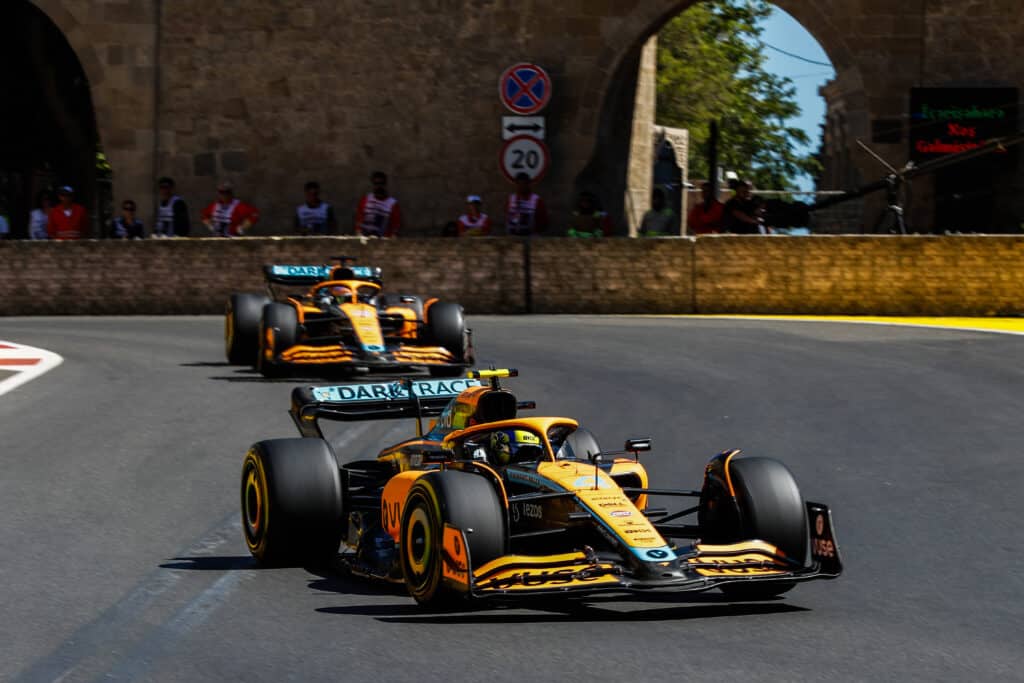
- McLaren’s 1.80s Masterclass (2023): On Lap 27 of a grueling, sweltering night race in Qatar, the Woking crew executed the perfect stop for Lando Norris. This broke the previous record by two-hundredths of a second and remains the ultimate benchmark of human coordination.
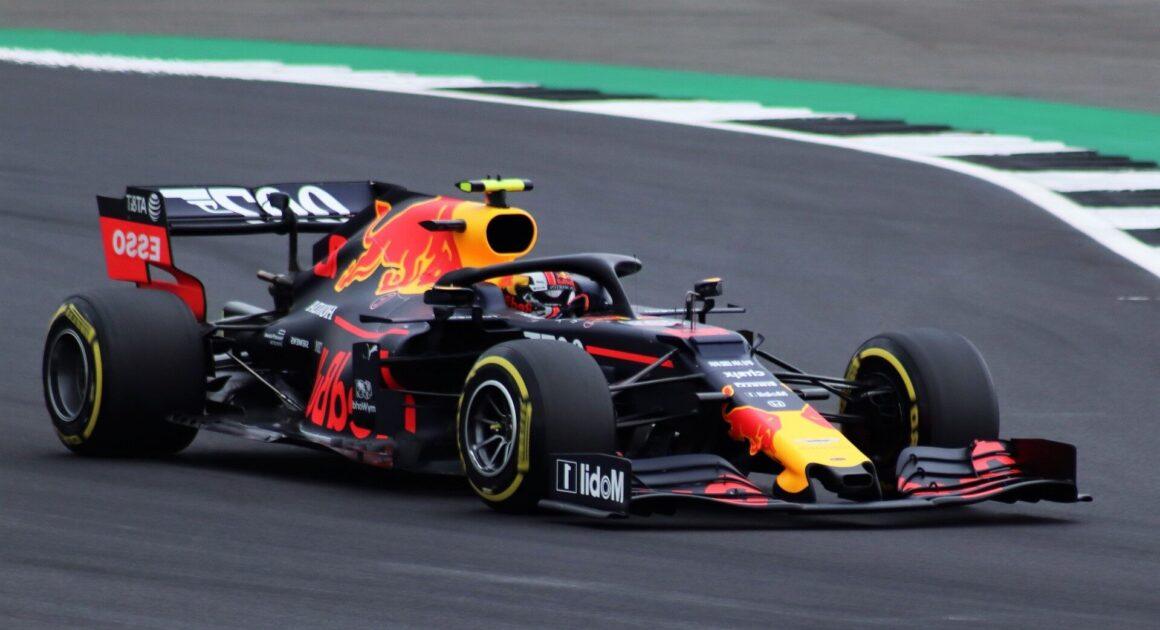
- The Red Bull 2019 Blitz: Red Bull Racing famously dominated the sub-2-second category during the 2019 season. Max Verstappen’s 1.82s stop in Interlagos held the undisputed crown for nearly four years and remains the second-fastest tier stop in history.
- Williams’ Historic Flex (2016): Long before McLaren and Red Bull traded tenths, the Williams crew matched the then-world record of 1.92s in Baku for Felipe Massa, serving as a reminder of their historically elite pitlane pedigree.
Why Pit Stops Got Ridiculously Fast
In the 1990s, 10 seconds was solid. Crews changed tyres and refueled like it was a NASCAR barbecue. But as F1 evolved, refueling died, wheel guns got meaner, and human margins shrank. Since official monitoring began in 2013, the outright record has improved by just 0.12 seconds. Translation: we’re deep in the limits of physics and nerve.
Teams train like Olympians. The drivers hit their marks with surgeon-level precision. And sometimes, you get a stop so clean it looks fake. The competition? Reduced to expensive spectators.
The Definitive Top 10 Fastest Pit Stops
These times refer to the stationary time—car stopped to car launched. Yes, it’s that brutal. And yes, McLaren currently owns everyone and still does, with no team having beaten their record as of today.
- 1.80s — McLaren, Lando Norris, Qatar GP 2023: The current world record. Lap 27, night race, pressure cooker. McLaren’s crew snapped on mediums like they were changing socks. Lights out and away we… oh wait, Norris already left.
- 1.82s — Red Bull, Max Verstappen, Brazil GP 2019: The record that looked untouchable—until it wasn’t. Classic Red Bull pit crew carnage. Somewhere, a stopwatch cried.
- 1.88s — Red Bull, Max Verstappen, Germany GP 2019: The one that announced the era. Precision like a Swiss watch, just angrier.
- 1.9s — Red Bull (Chinese GP) and McLaren (Mexican GP), 2024 season: Two teams, two different tracks, same blistering pace. Red Bull still walked away with the season’s overall award on sheer consistency, but McLaren proved 2023 wasn’t a fluke.
- 1.91s — Red Bull, Pierre Gasly, British GP 2019: Broke the old mark by a whisker. Then the team broke it again. And again. Grab your popcorn, Red Bull was on a heater.
- 1.92s — Red Bull, Mark Webber, Malaysia GP 2013: The original benchmark when Guinness started timing. Stone-cold execution. That was the blueprint.
- 1.92s — Williams, Felipe Massa, Azerbaijan GP 2016: Matched the bar with a stop so slick even Red Bull tipped the cap. Williams’ glory days, bottled.
- Sub-2.00s cluster — Red Bull 2019 season: They hammered out multiple stops under two seconds that year. Call it the RB pit lane dynasty.
- Low-2.0s — Elite tier stops across 2020–2023: Mercedes, Ferrari, and McLaren flirted with the twos. Fast enough to win positions. Not fast enough for the throne.
- 2.23s — Fastest in Bahrain 2024 (season opener): Not record pace, but the fastest of the race. Early-season rust? The plot thickens like a team’s excuse list.
- Consistent sub-2.5s crews: The quiet assassins. They don’t top the charts, they just never mess it up. Championship material.
How They Actually Do It
This isn’t changing tyres. It’s a synchronized ambush. Four corners, 20 hands, one shot. The driver spears the pit box, the jacks snap up, the wheel guns scream, and fresh rubber goes on like it’s magnetized. No hesitation. No second chances.
Miss by a hair and it’s game over. A sticky wheel nut? Another masterclass in how NOT to pit. That pit stop was longer than a Marvel movie. Somewhere, a PR manager just had a minor stroke.
McLaren’s 1.80s in Qatar: The Anatomy of Insanity
Lando Norris rolled in from P10 up to P2 form, boxed on lap 27, and McLaren’s pit crew hit the cleanest rep of 2023. Mediums off, mediums on, 1.80 seconds flat. The car dropped like a guillotine and fired out. Textbook? No. Better.
He rejoined P7, fought back to P3. That stop didn’t just save time. It sent everyone else back to karting school.
Red Bull’s 2019: The Pit Lane Dynasty
Red Bull didn’t just win races. They owned the pit wall. Gasly’s 1.91 at Silverstone set it off. Verstappen’s 1.88 and 1.82 slammed the door. Repeat after me: relentless, ruthless, ridiculous.
It echoed their run of DHL Fastest Pit Stop Awards, a streak that became a lifestyle. Channeling 2016 Mercedes, except nobody asked for that sequel.
Williams’ Shout: The 2016 Throwback
Felipe Massa’s crew matching 1.92s in Baku? That was Williams flexing hard. Peak efficiency from a team that knows how to train mechanics like Navy SEALs. Respect where it’s due, and it is.
Historical callback? That stop was so sharp, somewhere Benetton’s 1994 crew is nodding. Old-school grit, new-school speed.
Trends, Limits, and What’s Next
We’re scraping the ceiling. Since 2013, the record moved from 1.92 to 1.80. That’s just 0.12 seconds in over a decade. Margins don’t get thinner unless we’re swapping tyres with telepathy.
Could 1.79 happen? Maybe. If every human and pneumatic system hits God mode. But the risk-reward is brutal. One fumble and you’re collecting disappointments like they’re Pokemon cards.
Fast Facts: Pit Stop Evolution
Fast Facts : L’Évolution des Pit Stops en F1
| Époque / Année | Temps / Record | Ce qui a changé & Contexte historique |
|---|---|---|
| 🗓️ Années 1990 | ~ 10 secondes Temps moyen standard | Changement des pneus + ravitaillement en carburant, avec beaucoup moins d’aides à l’automatisation qu’aujourd’hui. |
| 🗓️ 2013 | 1,92 s (Record) Barrière des 2s brisée | Interdiction du ravitaillement en carburant et apparition d’équipages de mécaniciens hyper-entraînés (*hyper-drilled crews*). |
| 🗓️ 2019 | 1,82 s RED BULL Nouveau record mondial | Période culminante pour l’écurie Red Bull, portée par une régularité maximale et un outillage de pointe sur mesure. |
| 🗓️ 2023 | 1,80 s MCLAREN Record absolu actuel | Une exécution parfaite et sans faille de la part des mécaniciens de l’écurie McLaren. |
| 🗓️ 2024 | 1,90 s Meilleur temps (Égalité) | Red Bull et McLaren atteignent tous deux exactement la même marque au chrono, mais sur des circuits différents. |
| 🗓️ 2025 | Fin du règne Sacre de la Scuderia | Ferrari remporte le prix DHL Fastest Pit Stop Award, brisant définitivement la domination de longue date de Red Bull sur ce titre annuel. |
DHL Award: The Trophy for the Unsung Heroes
Since 2015, the DHL Fastest Pit Stop Award has tracked the assassins in overalls. Points per race: 25 for fastest, 18 for second, 15 for third. It rewards consistency, not one-hit wonders.
Red Bull racked up a five-year streak through 2022. That’s not luck. That’s a factory of precision with an attitude.
Weather, Drama, and the Fine Line
Rain shows up like that friend who always causes drama at parties. Wet rims, cold tyres, easy to fumble. The wind? It played favorites more than once—apparently it’s a Red Bull fan.
Heat? The track temp hits levels that would make Hell consider air conditioning. Guns overheat, grips slip, and suddenly that sub-two looks like a fairy tale. File this under: Yikes.
Will We See 1.7s? The Brutal Truth
It’s possible the next record gets shaved by a blink. But the gains are microscopic now. Teams push just enough without inviting chaos. Because a sticky nut or unsafe release will nuke your race faster than you can say “five-second penalty.”
Still, never bet against F1 engineers. They find speed in places you didn’t know existed. And when it happens, the rest get sent back to karting school.