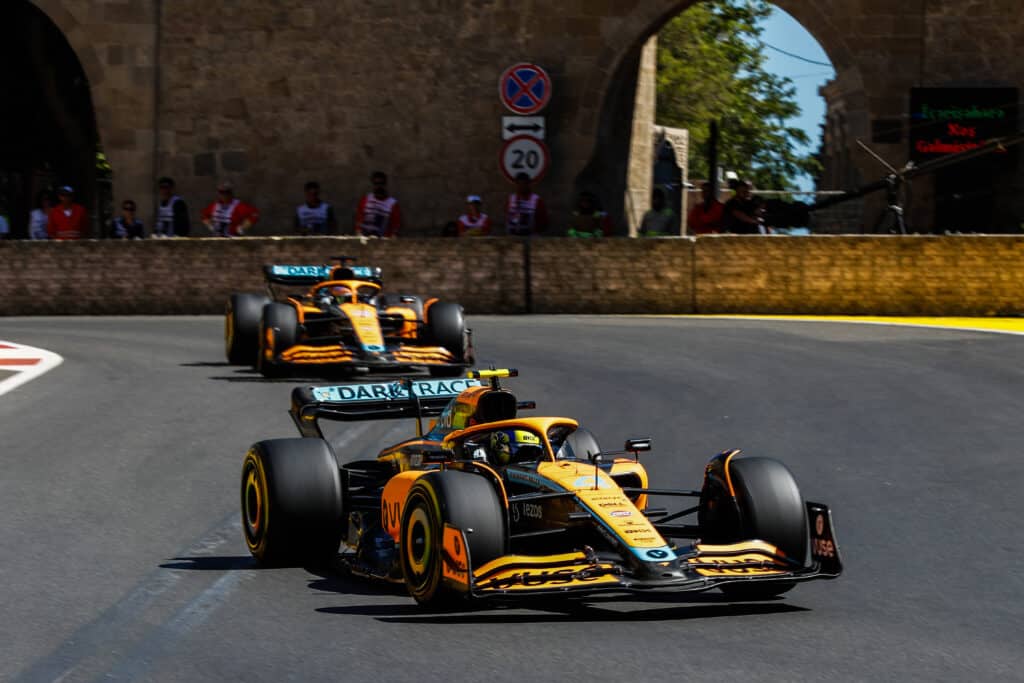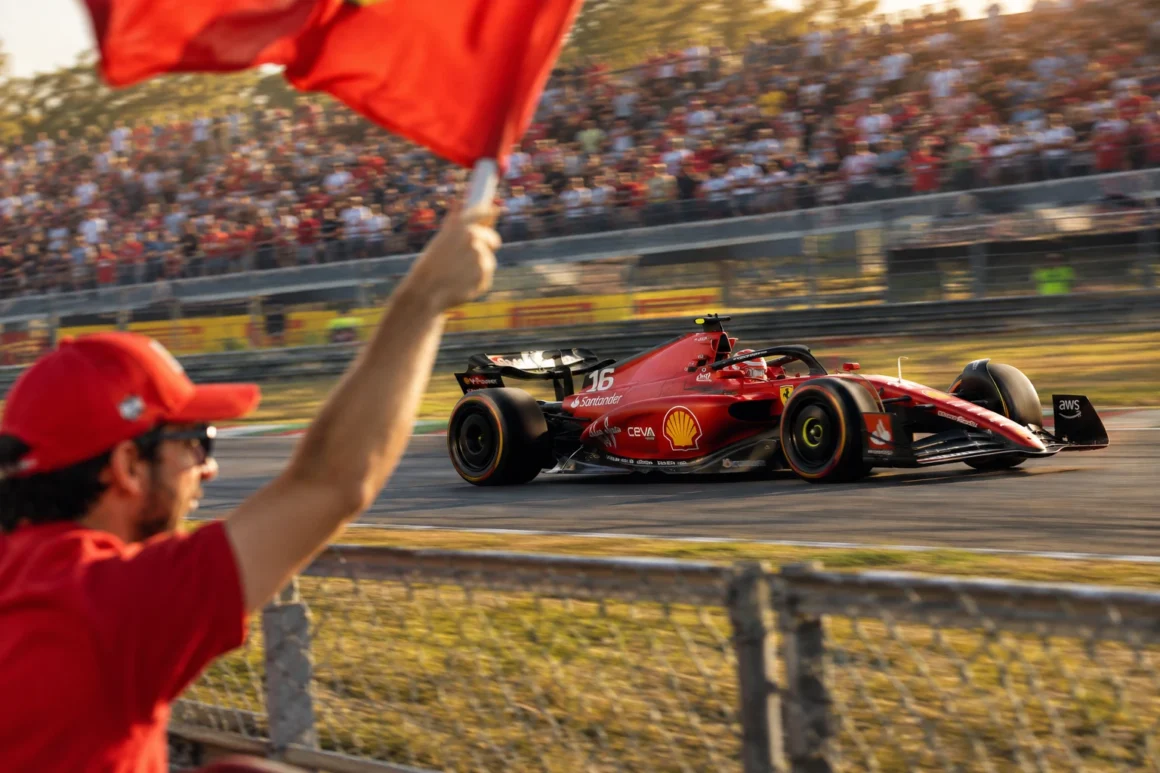

Formula 1 is often described as the fastest sport on earth, but the race against time begins long before the lights go out. Every Grand Prix requires cars, spare parts, garage structures, broadcast systems, hospitality equipment, tools, tyres, fuel-related equipment, IT hardware, and team uniforms to arrive in the right city at the right moment. The cars may be the stars, yet they are only one piece of a much larger moving operation.
For fans watching from the grandstands or on television, it can look as if the paddock simply appears from one race weekend to the next. In reality, F1 logistics is a year-round global relay. The championship has to move from permanent circuits to temporary street tracks, from Europe to Asia, the Middle East, Australia, and the Americas, while giving teams enough time to build garages, prepare cars, pass scrutineering, and run practice sessions on schedule.
The Calendar Is a Logistics Puzzle
The first step is not packing a car; it is designing a calendar that can physically work. Modern F1 seasons cover multiple continents and include double-headers and triple-headers, where the paddock has only days to dismantle one event and build the next. According to DHL’s look inside the world of F1 logistics, the 2025 championship involves 24 races across 21 countries and five continents, with up to 1,200 metric tons of equipment transported per race.
That scale means there is no single transport method. F1 uses a blend of sea freight, air freight, and road transport. The mode depends on urgency, distance, cost, and how critical the equipment is to running the next race. A front wing update needed immediately in Singapore cannot travel like a spare hospitality wall panel headed to a race two months away.
What Actually Gets Moved?
The race cars are the headline cargo, but a team shipment includes far more than two chassis. Teams move spare bodywork, suspension parts, power unit components, gearbox assemblies, wheels, tools, pit gantry equipment, timing stands, garage flooring, engineering computers, radio systems, uniforms, catering items, and marketing materials. Formula 1 Management and its partners also move broadcast infrastructure, paddock equipment, signage, and systems needed to produce the global television feed.
The cars themselves are prepared carefully before transport. Wings, mirrors, floors, and other vulnerable aerodynamic pieces may be removed or protected. The chassis is secured so that it cannot shift, and sensitive components are protected from vibration, moisture, and impact. A modern F1 car is not just a vehicle; it is a lightweight carbon-fibre laboratory full of electronics, hydraulic systems, cooling passages, and precision-machined parts. Handling it incorrectly can create problems long before the car reaches the track.
Sea Freight: The Slow Backbone
Sea freight is the cost-efficient backbone of the championship. It is too slow for urgent car parts, but it is ideal for bulky equipment that can be duplicated and sent ahead. Teams often rely on multiple sets of garage and hospitality infrastructure, allowing containers to leapfrog around the world while the race crew focuses on the current event.
This is why a garage can look almost identical in Bahrain, Miami, Singapore, and Abu Dhabi even though the same physical panels are not necessarily traveling race-to-race with the cars. The equipment has been staged months in advance, routed through ports, cleared through customs, and trucked to the circuit before most team personnel arrive. Sea freight reduces cost and helps limit reliance on last-minute air cargo, but it requires long-range planning and disciplined inventory control.
Air Freight: The Fast Lane for Critical Cargo
Air freight handles the high-priority items. For flyaway races, the cars, time-sensitive spares, and essential technical equipment are usually moved by air because the turnaround between events is too tight for ocean shipping. After a Grand Prix, crews start packing almost immediately. Items no longer needed during the final laps may already be boxed before the race has ended, while the cars and live equipment are broken down after parc fermé procedures allow them to be released.
Every crate has a purpose and a priority. Some items must be unloaded first at the next destination so garage build teams can begin work. Others can wait until later in the setup schedule. Customs paperwork, hazardous goods rules, security checks, and airport slot timing all matter. If one critical pallet is delayed, a team might have the car but not the tools or components needed to prepare it.
This is the same basic principle behind any specialist vehicle movement: the vehicle is only safe if the process around it is planned properly. For private owners, collectors, dealers, or smaller racing operations, A1 Auto Transport applies that same emphasis on vehicle protection, route planning, timing, and documentation on a more practical scale. F1 does it with cargo aircraft, containers, and global partners; everyday vehicle shipping still depends on the same fundamentals of preparation and controlled handling.
Road Transport Keeps the European Season Moving
When the championship is in Europe, road transport becomes especially important. Trucks can move cars, garage equipment, and support materials between circuits faster and more flexibly than sea freight, without the cost and airport complexity of air cargo. This is where the famous F1 convoys come in: long lines of trucks and transporters moving from one Grand Prix to the next, often overnight, with strict schedules and carefully assigned loads.
Road freight is also crucial for the final mile at flyaway events. Even when containers arrive by ship or aircraft, they still need to be taken from port or airport to circuit. Temporary street races can make that more complicated because access roads, setup windows, local traffic restrictions, and urban security plans all affect when trucks can unload.
Customs, Carnets, and Condition Control
International motorsport logistics is also a paperwork exercise. F1 equipment crosses borders constantly, and every crate needs to be accounted for. Teams and logistics partners must manage temporary import documents, customs declarations, serial numbers, values, security requirements, and return movements. The goal is to prove that specialist equipment is entering a country for a temporary sporting event rather than being imported for sale.
Condition control matters just as much. Race teams know exactly which part is in which case, when it was used, and whether it needs inspection before the next session. A damaged floor, missing sensor, or delayed brake component can change a weekend. The transport operation therefore has to protect the parts physically while also preserving the data trail around them.
Sustainability Is Changing the Way F1 Moves
The logistics challenge is becoming more complex because Formula 1 is also trying to reduce its environmental impact. The sport has committed to reaching Net Zero by 2030, and freight is a major part of that conversation. Smarter calendar regionalisation, more sea freight, biofuel-powered trucks, efficient aircraft, and Sustainable Aviation Fuel are all part of the strategy.
Formula 1 has explained that Sustainable Aviation Fuel can reduce lifecycle flight emissions by an estimated 80% compared with conventional aviation fuel. That does not eliminate the logistical footprint of a global championship, but it shows the direction of travel: keep the global reach of the sport while making each movement more efficient and less carbon-intensive.
The Race Behind the Race
F1 transport is a hidden championship of its own. The winning team on Sunday may have the fastest car, but every team depends on a supply chain that must perform flawlessly under pressure. Cars need to be packed without damage, parts need to be prioritised, containers need to be routed months in advance, trucks need to hit narrow delivery windows, and customs paperwork has to match the contents of every case.
That is why F1 logistics is so fascinating. It combines the precision of engineering with the unpredictability of global transport. The paddock may look polished when television cameras switch on, but behind that image is a worldwide operation moving vehicles, technology, and people at racing speed. Without that race behind the race, the cars would never reach the grid.