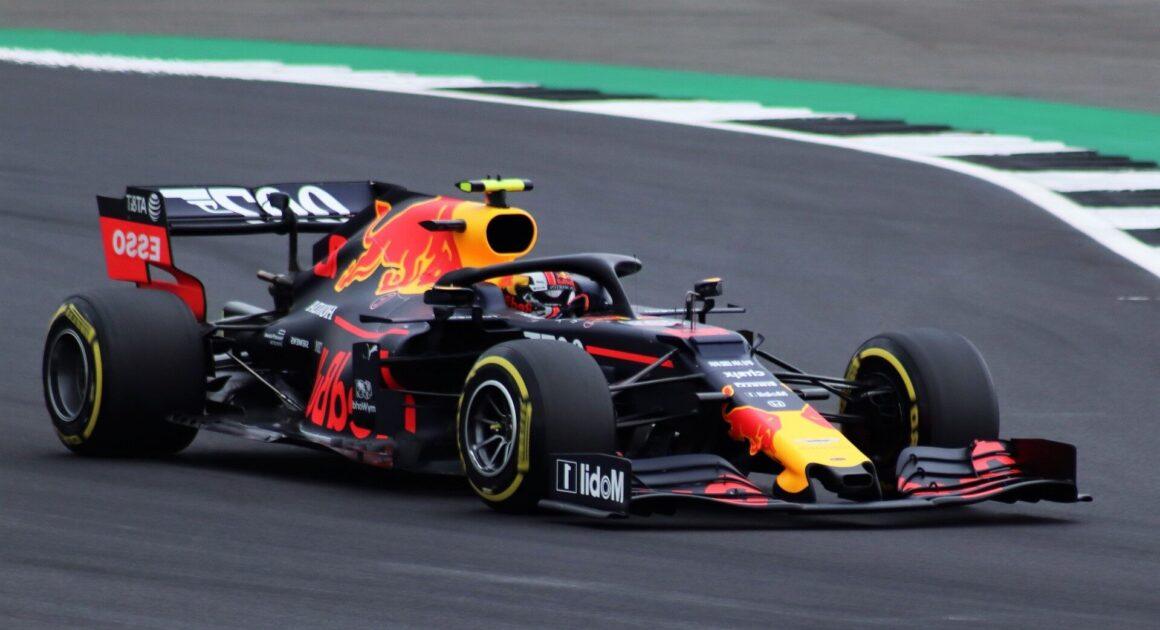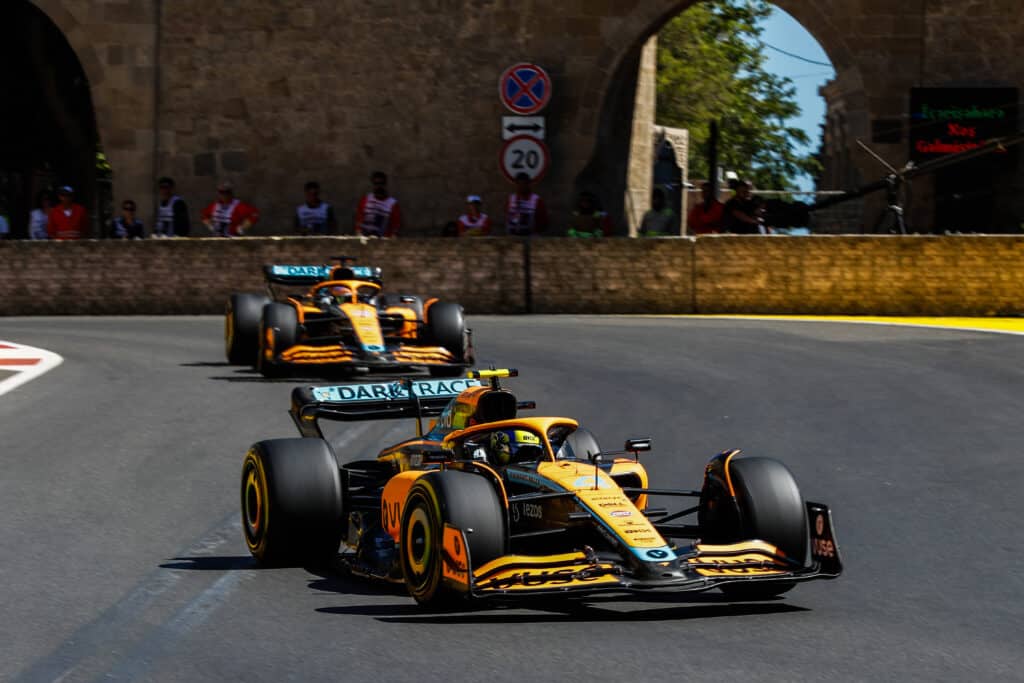
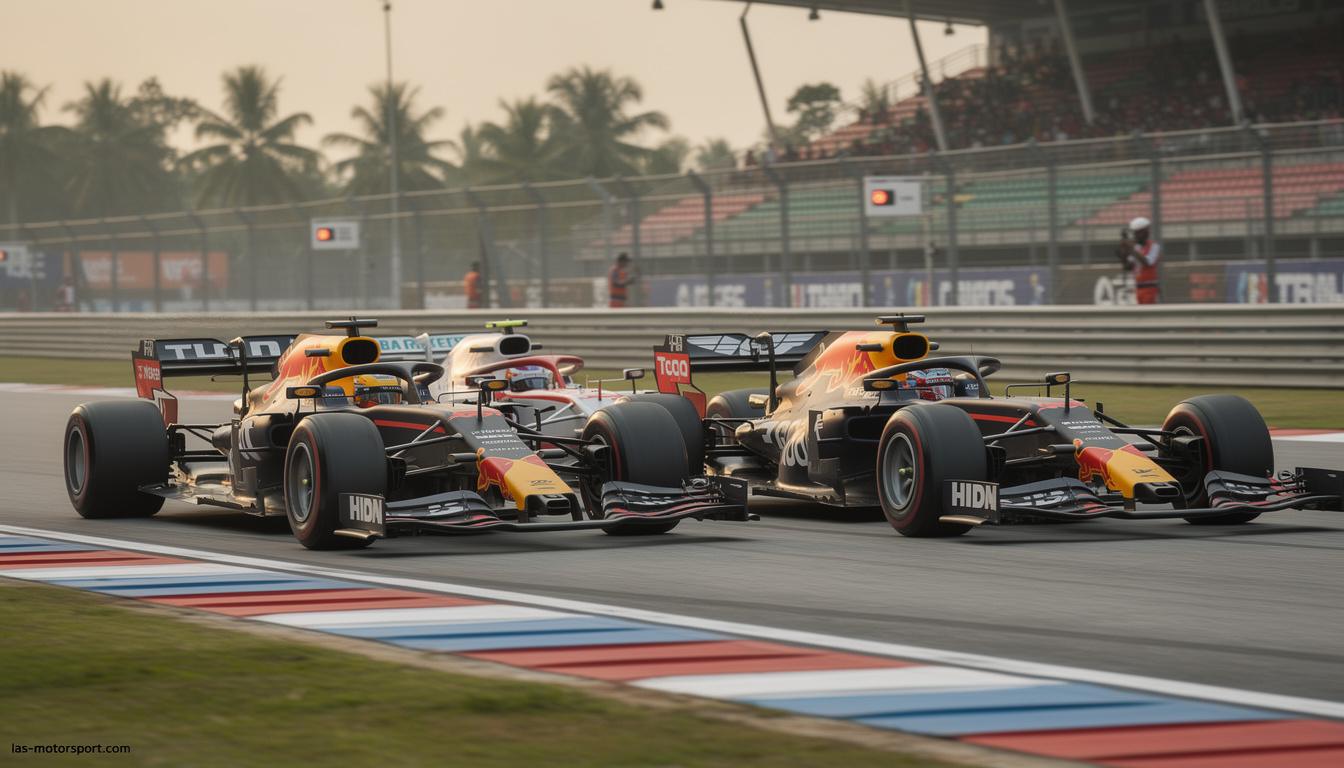

The return of Formula 1 to the Sepang International Circuit reignites memories of the final Malaysia Grand Prix held in 2017. The event remains etched in motorsport history as Max Verstappen claimed a commanding victory while legends like Lewis Hamilton and Sebastian Vettel delivered memorable performances amid intense racing drama.
Nearly a decade later, ten current F1 drivers who once raced in that final Malaysian showdown are back under the global spotlight, bridging the past and present of this iconic circuit. The reintroduction of the Malaysian Grand Prix to the F1 calendar as a mid-season round today adds fresh excitement to the 2026 season, intensifying the battle for championship points among the sport’s biggest names.
Formula 1’s return to Malaysia, scheduled from 2 to 4 October, slots into a challenging triple header alongside Azerbaijan and Singapore, promising an electrifying sequence of races late in the calendar. The Sepang International Circuit, last raced upon during the 2017 finale, now witnesses a transformed grid featuring new machinery, intricate regulations, and evolving team strategies. Despite such evolution, a significant link persists, as ten drivers currently competing in F1 also appeared at that final Malaysian Grand Prix, underscoring a striking continuity amid an otherwise shifting motorsport landscape. These returning drivers, including rising talents and established stars, bring stories forged on this track back to the forefront of modern racing discourse.
F1 stars who defined the 2017 Malaysian Grand Prix now driving the 2026 season
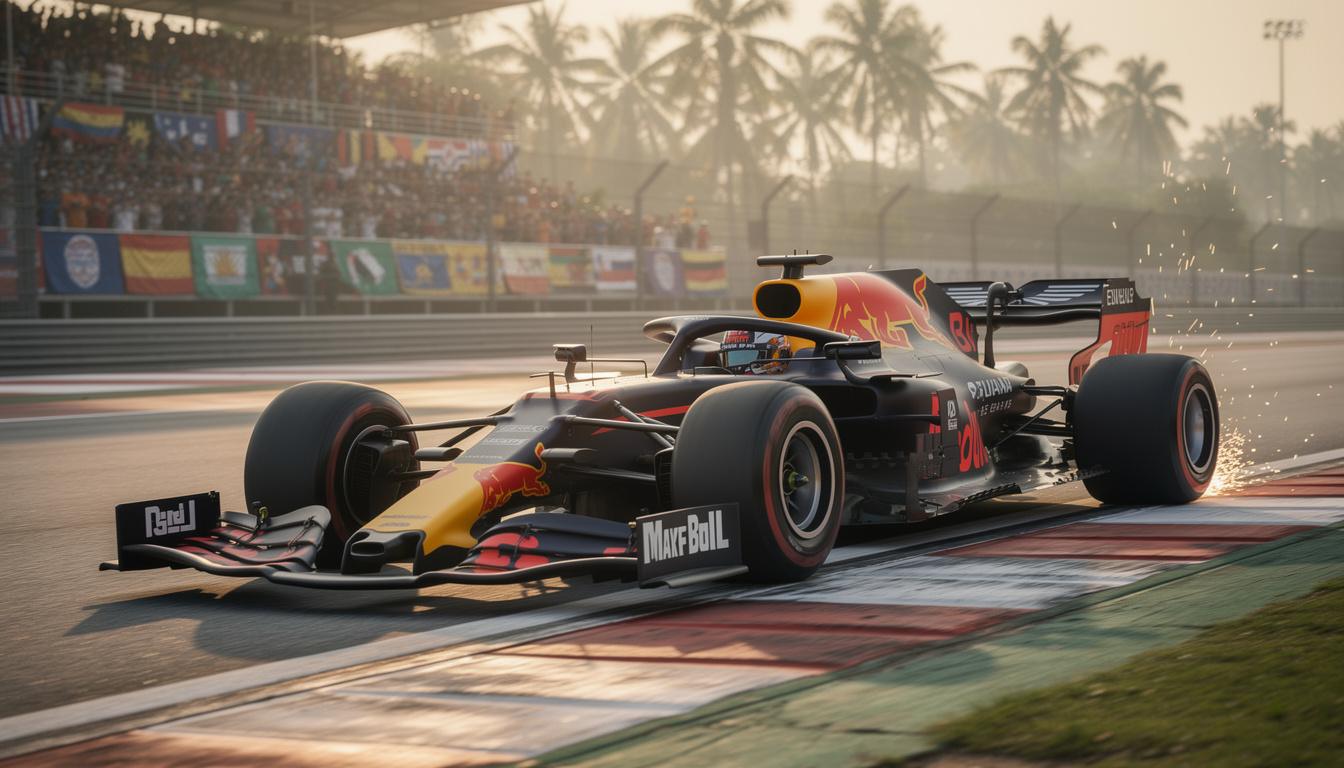
The final Malaysian Grand Prix of 2017 remains a landmark event in recent F1 history, highlighted by Max Verstappen’s dominant win for Red Bull and Hamilton’s strategic second place, which extended his championship lead. The race featured notable performances like Sebastian Vettel’s remarkable climb from last place to a points-paying fourth position, despite an unusual cooldown lap collision with Lance Stroll. That weekend marked a pivotal chapter, closing a near two-decade chapter for the circuit, first integrated into the F1 calendar in 1999. Fast forward to 2026, and the very same track returns to host one of the season’s most anticipated Grands Prix, igniting renewed passions.
Among the drivers who once clashed at Sepang in 2017, ten remain on the current grid. This includes Charles Leclerc, who made an early impression that weekend as he drove a Sauber in free practice sessions, outperforming some regular drivers before his Formula 1 debut the following year. Another notable star who first appeared at Sepang’s 2017 race was Pierre Gasly, marking his Formula 1 debut with Toro Rosso, demonstrating the circuit’s historical role as a launching pad for emerging talent. These drivers have since forged respected careers and now compete in a transformed F1 environment dominated by next-gen power units and cutting-edge designs.
Technical and strategic evolution from 2017’s Sepang to Today’s F1 Malaysia race
The reappearance of Sepang on this year’s calendar reflects significant technical evolution within Formula 1. Since 2017, the sport has shifted to the ground-effect aero regulations, introducing new challenges in vehicle dynamics and tyre management, factors that will heavily influence race pace and overtaking opportunities on the Malaysian circuit. Teams now wield sophisticated hybrid power units, refined ERS systems, and aerodynamic improvements, demanding a fresh strategic approach to races that once favoured raw engine power and mechanical grip.
Strategically, the 2017 race was remarkable for its varied tyre strategies and pace fluctuations amid tropical heat and sporadic rain. In 2026, managing tyre degradation remains crucial but incorporates advanced data analytics and real-time telemetry that allow teams like Mercedes and Red Bull to finely tune their race execution. The triple header sequence, including Malaysia, tightens the championship fight, making strategic calls even more consequential for final race outcomes. This season, optimising pit stops and ERS deployment could sway race results decisively, demonstrating how the sport’s technological leaps interlock with race strategy intricacies.
The Malaysian Grand Prix’s return and its impact on the F1 2026 season
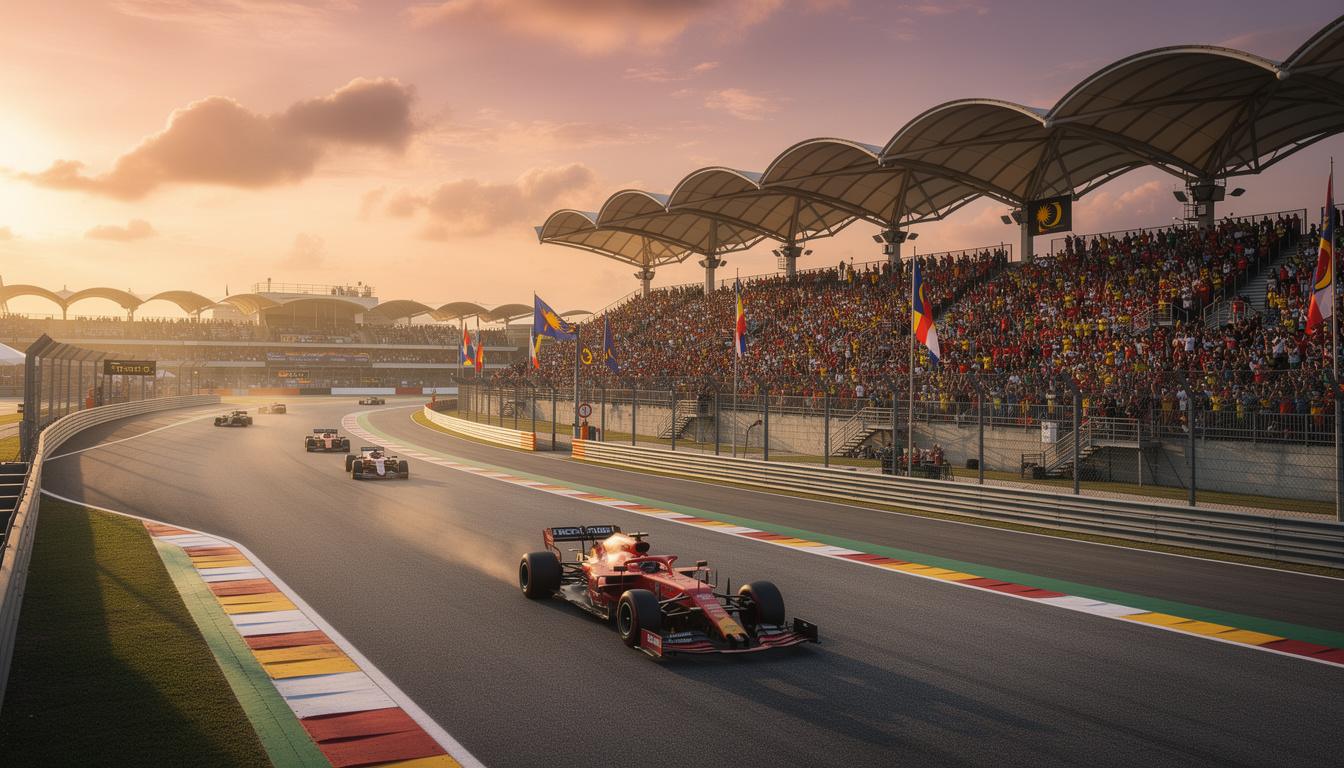
The comeback of the Malaysian Grand Prix adds a significant juncture to the 2026 Formula 1 calendar, challenging teams and drivers with a demanding circuit blending high-speed straights and technical corners. This race will not only test physical endurance due to Malaysia’s climate but also strategic stamina amid the intensity of a triple header. The return to Sepang revitalises the Southeast Asian fanbase and enriches the global diversity of the sport’s calendar, spotlighting F1’s expansion ambitions.
With several championship contenders having raced there in 2017, the renewed Malaysian Grand Prix introduces intriguing storylines for fans and analysts alike. How will drivers like Charles Leclerc and Pierre Gasly perform on a circuit tied to their formative years? Will veterans leverage their past experiences against emerging stars adapting to the new technical era? As teams address the nuances of Malaysian weather and tyre management, the season’s trajectory may pivot sharply, enhancing the drama of the title chase. For further insights on how this season shapes up, including logistics and race preparations, check detailed reports on F1 logistics and emerging race strategies at LAS Motorsport.