
McLaren’s Vegas podium hid a hard truth. Norris saw no route to victory. Battery management shaped the race.
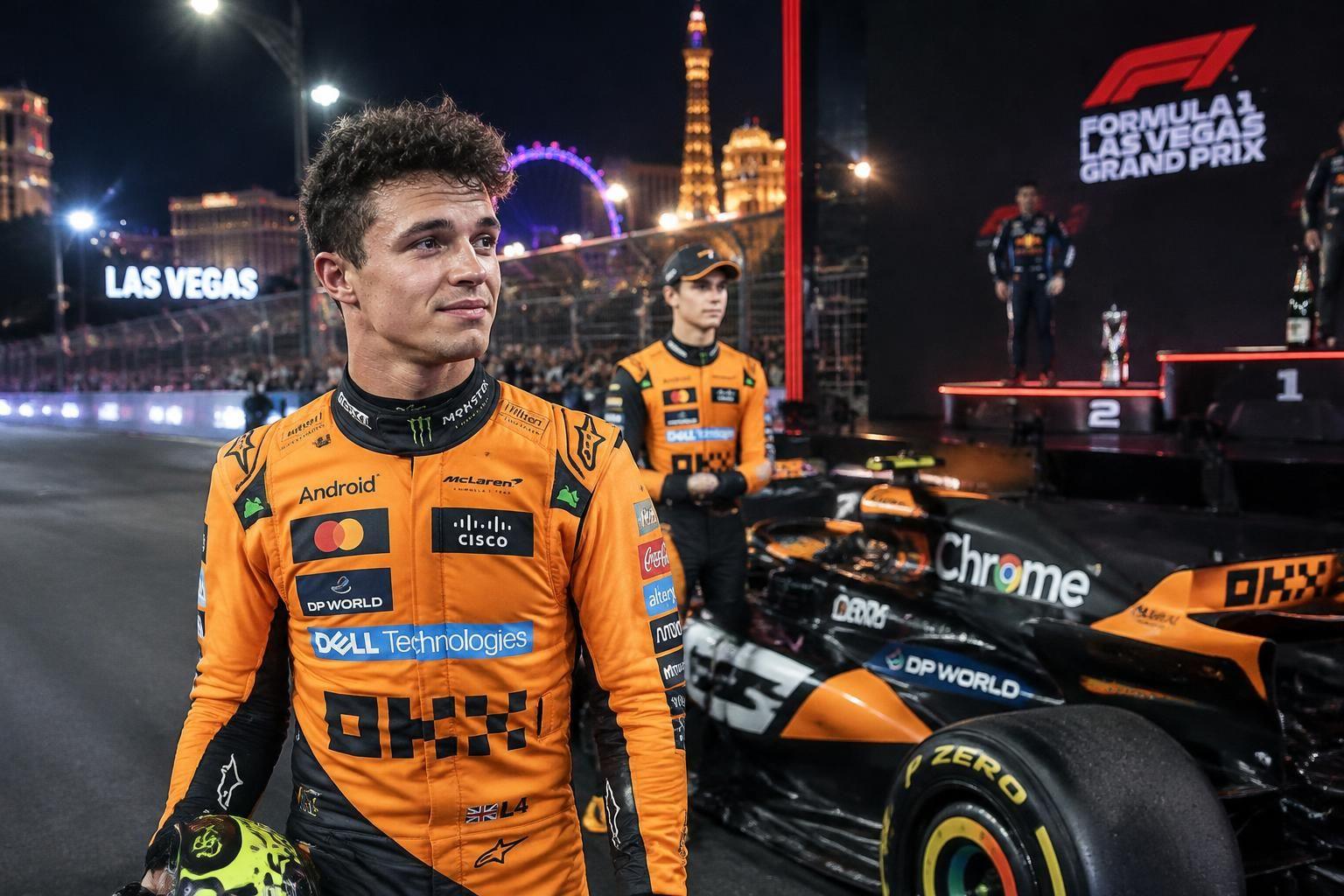
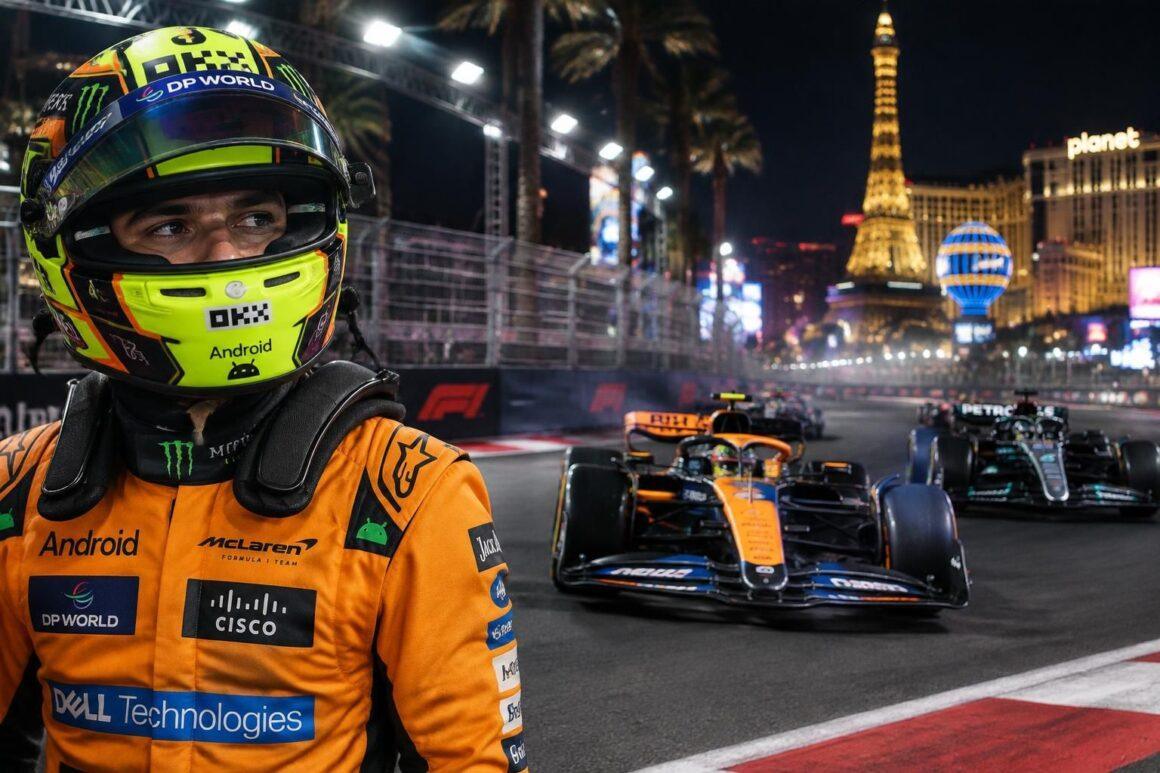
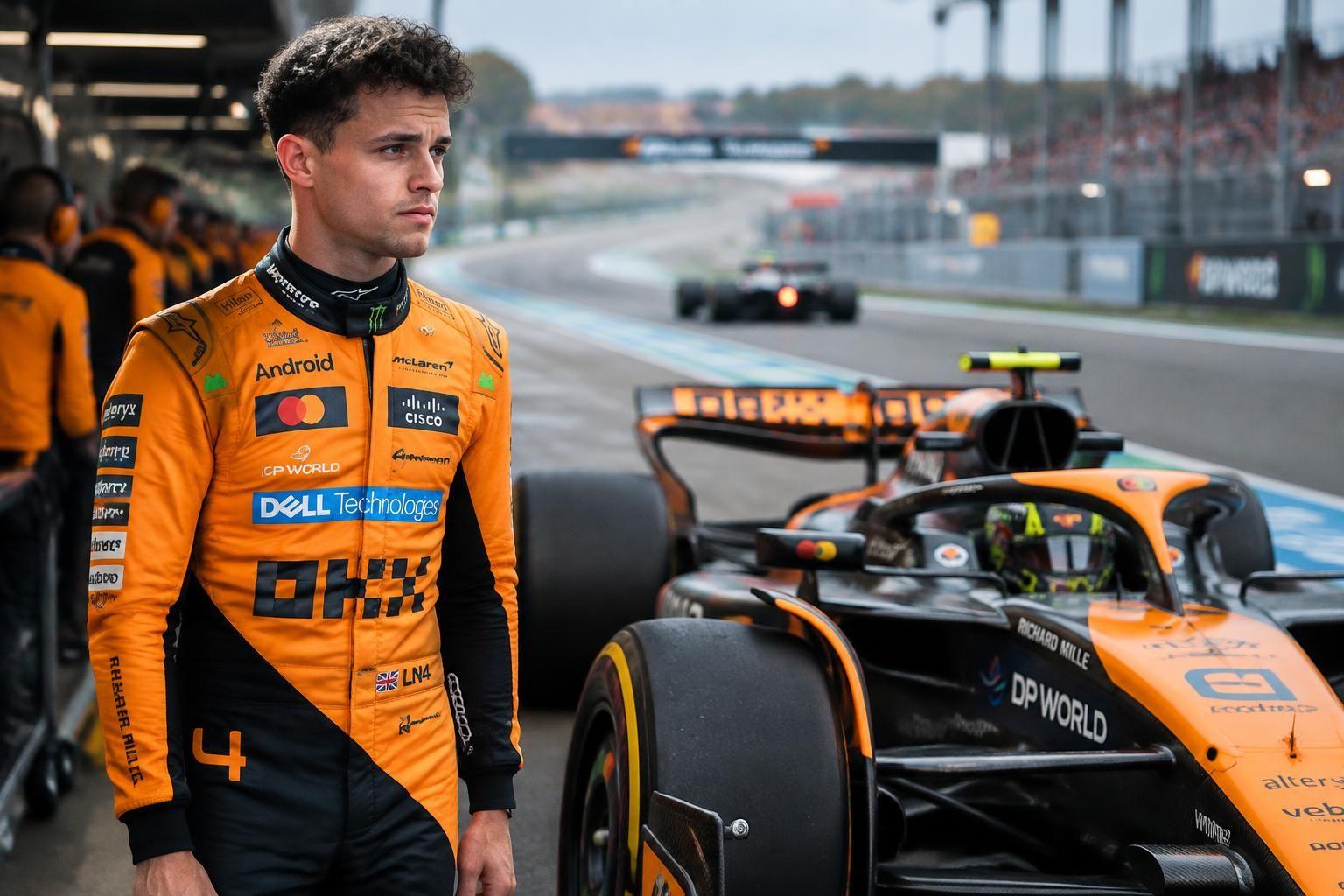
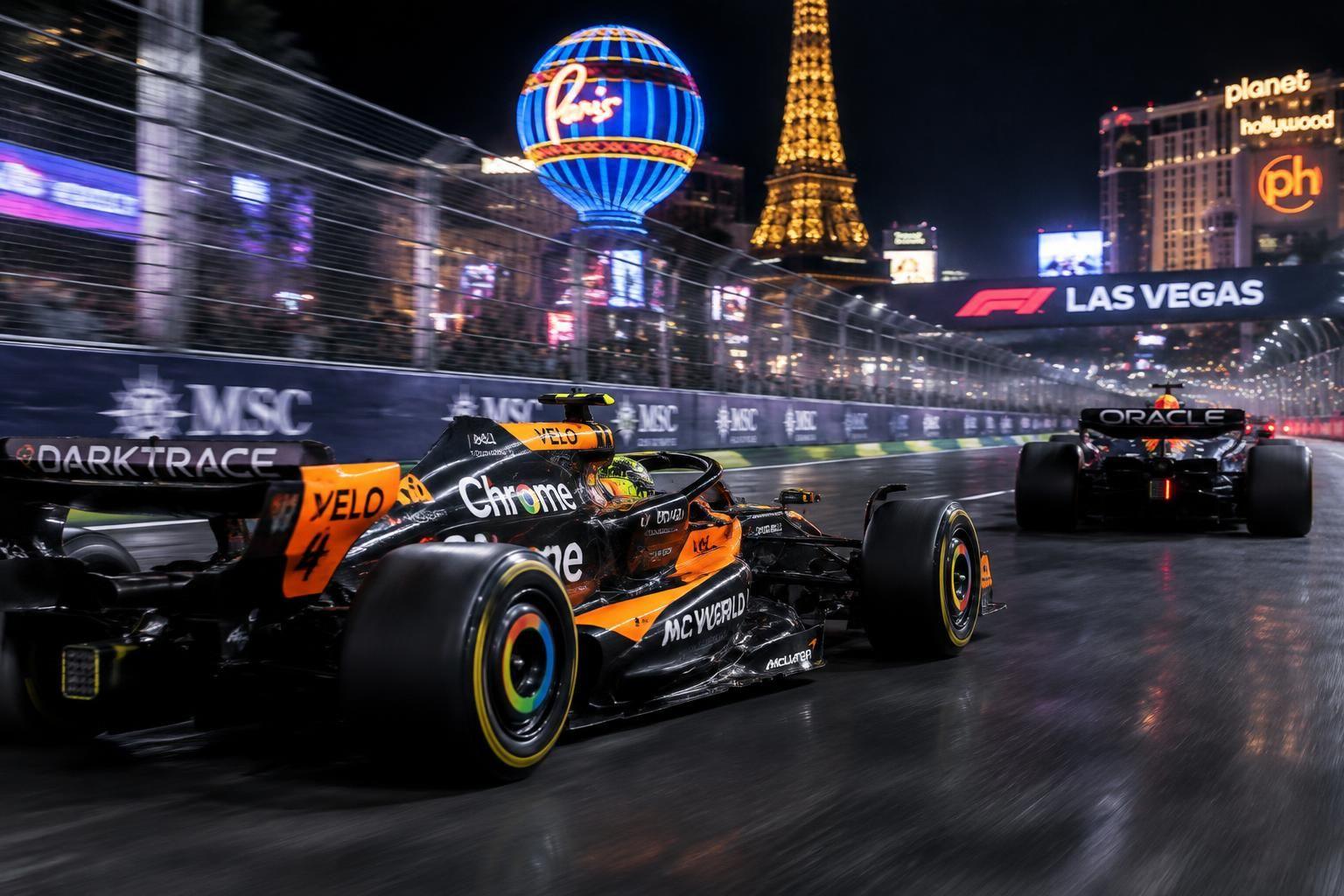
Lando Norris called a win out of reach in Las Vegas, even as McLaren left with both cars on the podium. He finished second, while Oscar Piastri recovered from 17th on the grid to take third. That result followed a race weekend in which McLaren repeatedly worried its straight-line speed would leave its drivers exposed. The pair lost places when rivals had more electrical energy to deploy, then gained ground as others faltered. In a race packed with overtakes, Norris said he spent more time monitoring battery levels than watching the circuit, making energy use the defining feature of the team’s race strategy.
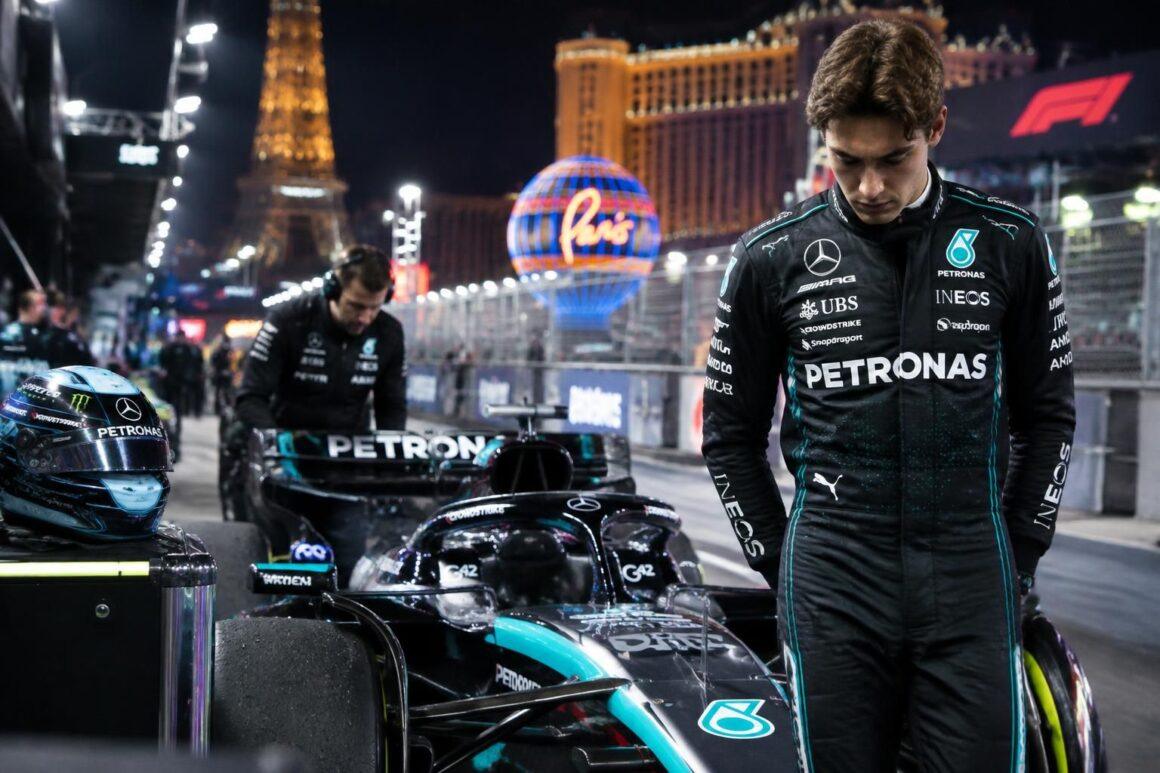
The final order also owed something to late-race fortune: Kimi Antonelli dropped to fourth after an error on the last lap, opening the door for Piastri’s podium. Norris, meanwhile, said a Safety Car helped him recover from around 10th to sixth before his strong second half. The major surprise was not that McLaren reached the rostrum, but that its drivers did so while feeling they lacked the speed to fight for first. For more on the Briton’s form and career, see the Lando Norris profile and the latest Formula 1 coverage.
Why Norris’s Las Vegas race turned on battery deployment
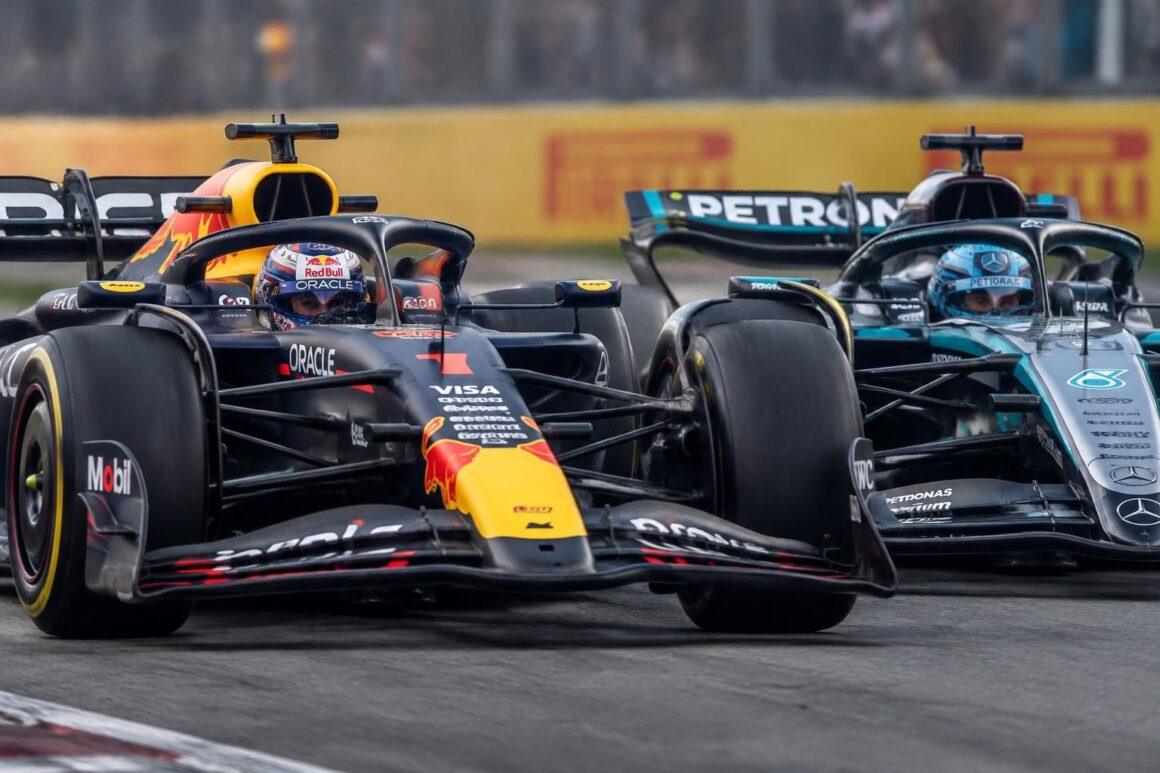
McLaren’s speed concern played out in plain sight. Norris described repeatedly being caught without enough battery when a rival attacked, while the car behind arrived with energy to spend; position could change in a single straight. In that kind of race, raw pace only tells part of the story. A driver must decide when to harvest, when to deploy and whether to defend now or preserve power for the next passing zone.
That constant calculation shaped Norris’s recovery. He said the pace had been there throughout, but the opening phase left him on the wrong side of several energy exchanges; the Safety Car then gave him a chance to reset and fight back. The episode underlined how race strategy now reaches beyond tyre calls and pit windows: electrical energy can dictate whether a car attacks or becomes a target. Norris’s account of the workload sits alongside his previous comments on the demands of modern racing, including his proposals for tackling regulation changes.
McLaren took the result, not the victory fight
Norris credited McLaren with avoiding the mistakes that disrupted other cars, then making the right calls in the closing laps. Positioning and slipstream timing mattered as much as outright pace, with battery deployment still central to giving him the best chance of holding second. That composure turned a difficult race into a double podium, even if the team never had a convincing route to the win.
For McLaren, the finish offers a mixed verdict on team performance: strong execution and resilience, but a clear weakness on the straights that qualifying alone could not disguise. Piastri’s climb from 17th shows how much the team gained from staying clean and exploiting openings, while Norris’s blunt “no chance” assessment sets a tougher benchmark for the next race weekend. The podium is a substantial result; the gap to victory remains the sharper story.