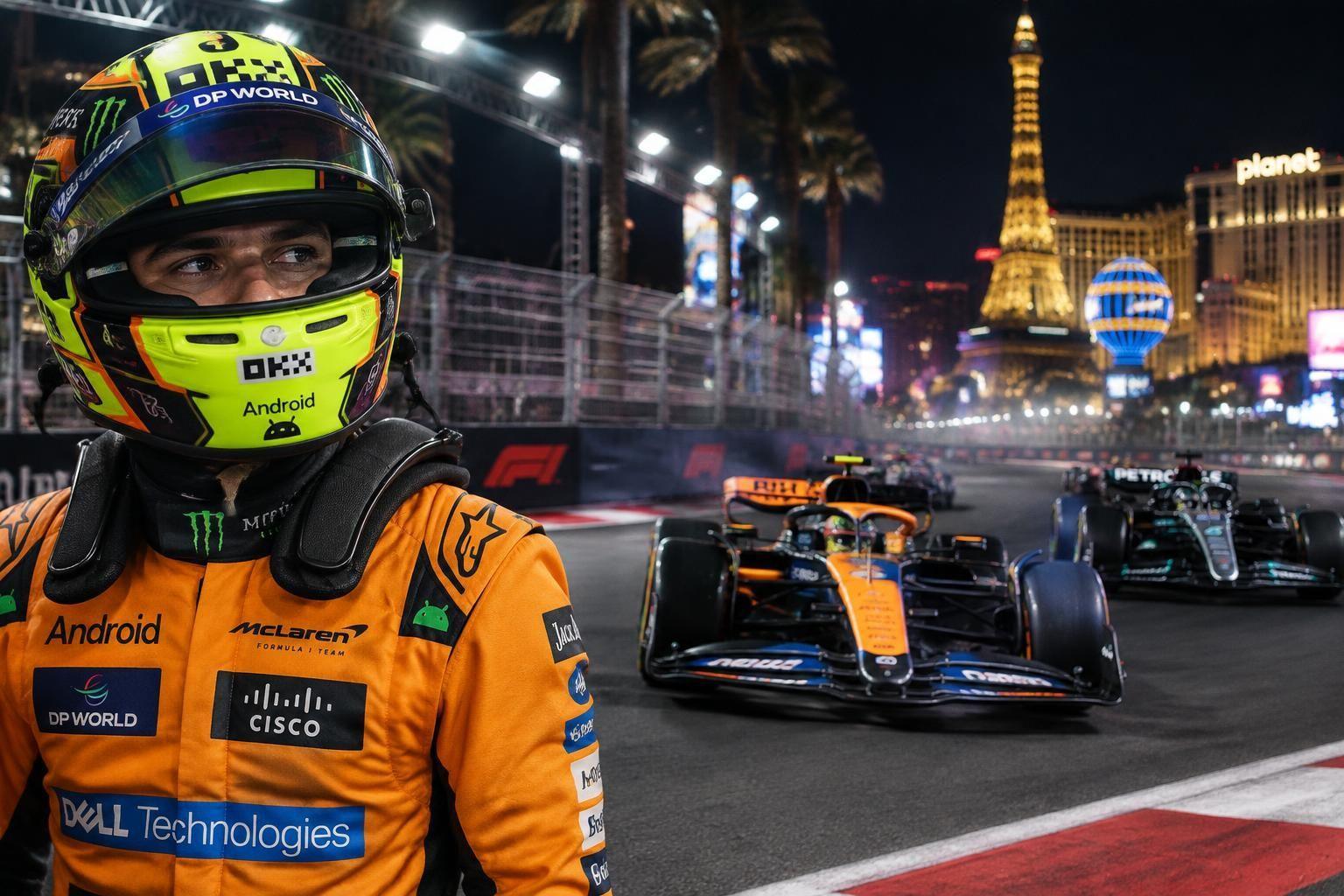

Las Vegas claimed 352 overtakes. Lando Norris disputes the count. The speed difference tells another story.
Lando Norris has challenged Formula 1’s headline figure of 352 overtakes at the Las Vegas Grand Prix, arguing that some passes came from a sudden power advantage rather than a genuine fight. The number made the race look like an all-time spectacle, but the drivers at the front saw a more complicated picture.
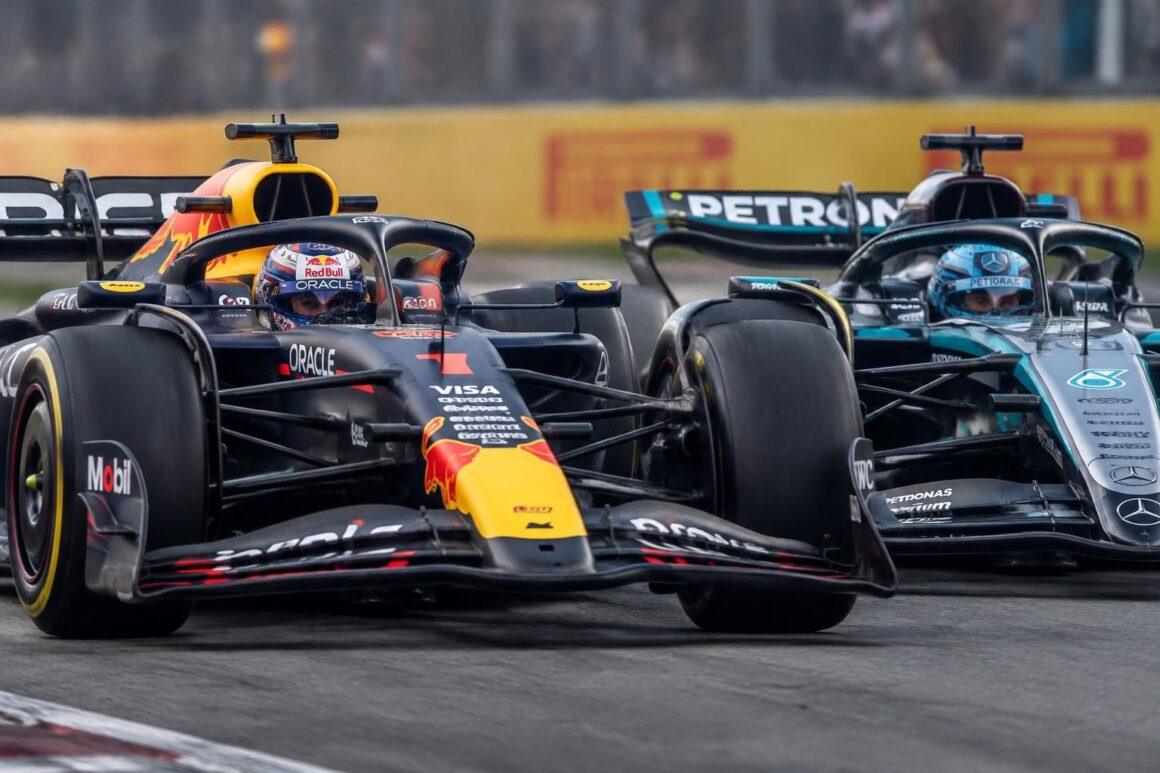
Max Verstappen, who won for Red Bull, compared the shifting positions to Mario Kart, where a driver can drop back and then surge forward with a catch-up effect. Norris, second at the finish, agreed that the Las Vegas race delivered plenty of action, yet said some cars approached rivals with a closing speed of 20 to 30 kilometres per hour.
That gap matters when judging the official overtaking statistics. On the long straights, energy deployment, slipstreaming and the 2026 Overtake Mode could turn a brief power difference into a pass before the defending driver had much chance to respond. The debate is not whether the race looked busy; it is whether every move counted as meaningful racing.
For more Formula 1 news, the Las Vegas Grand Prix offers a timely test of how new power-unit rules shape on-track battles. The figures may sell the spectacle, but Norris’s race analysis asks what those passing maneuvers actually represent.
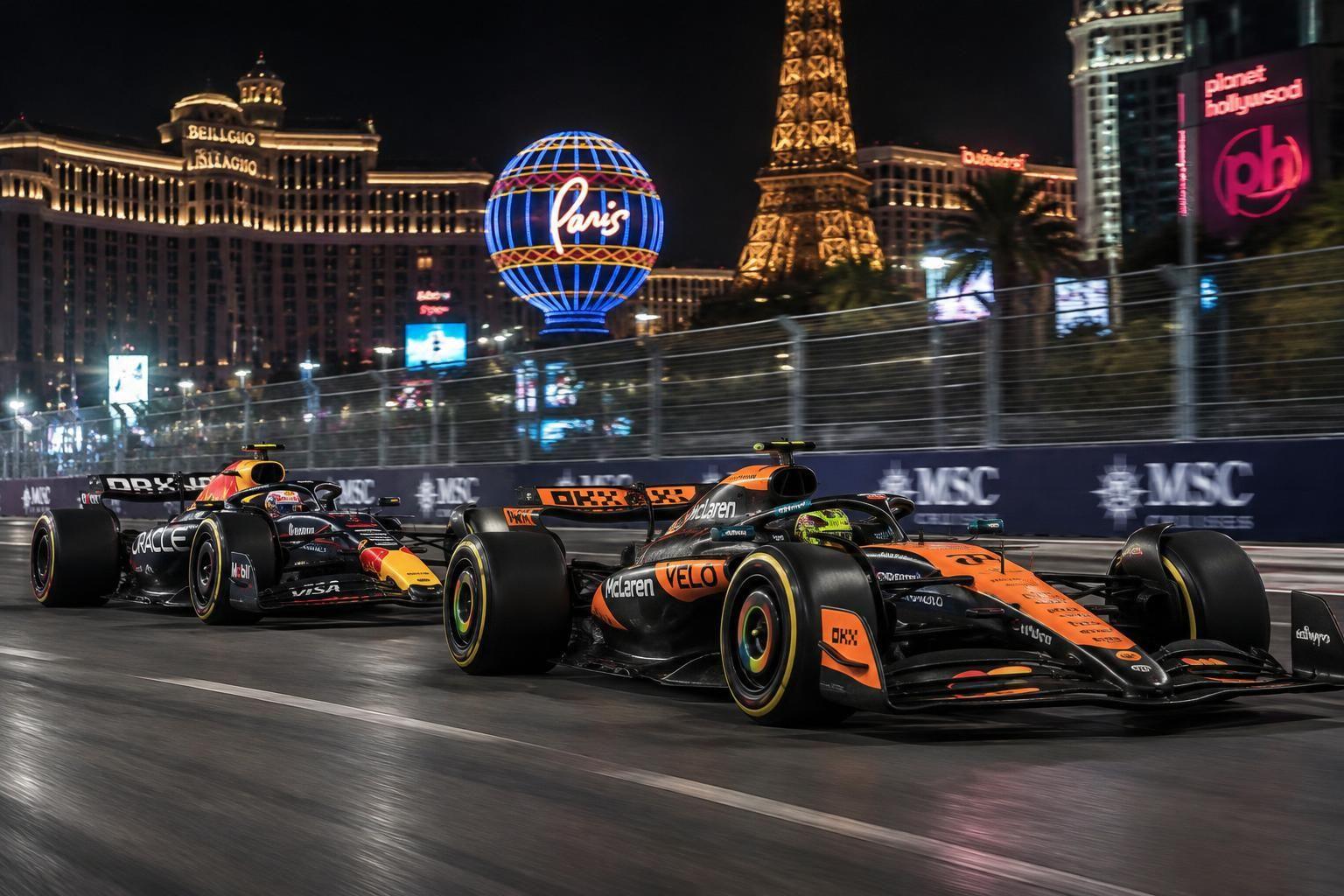
Las Vegas Grand Prix: why the 352 overtakes drew scepticism
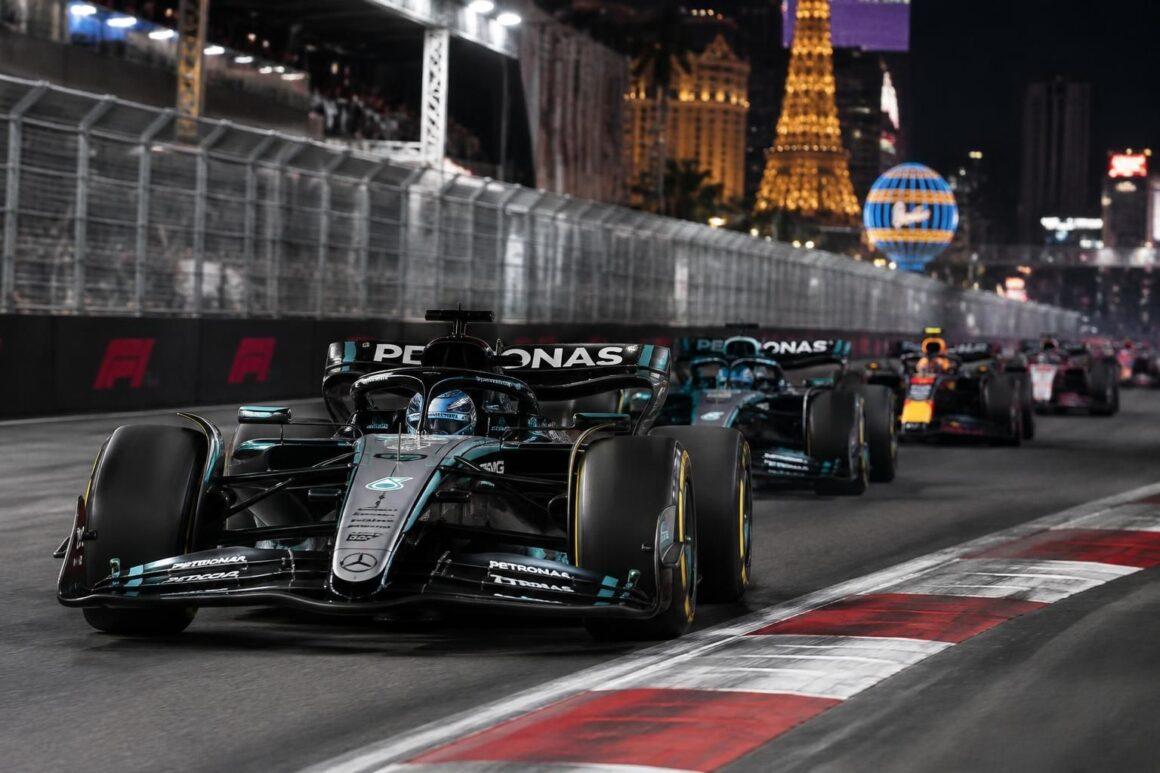
Verstappen said the race reminded him of a video game, pointing to the way drivers could lose ground and then recover through the draft and energy deployment. He acknowledged that Overtake Mode felt powerful on the Strip Circuit, where long straights gave drivers room to use the extra energy when they ran within a second of a rival.
Norris did not dismiss the contest itself. He said the race kept positions in flux and offered strong battles, but argued that a car pressing boost and sailing past another should not automatically count as a conventional overtake. For a wider look at how circuit layout shapes passing opportunities, see this guide to reading an F1 track map.
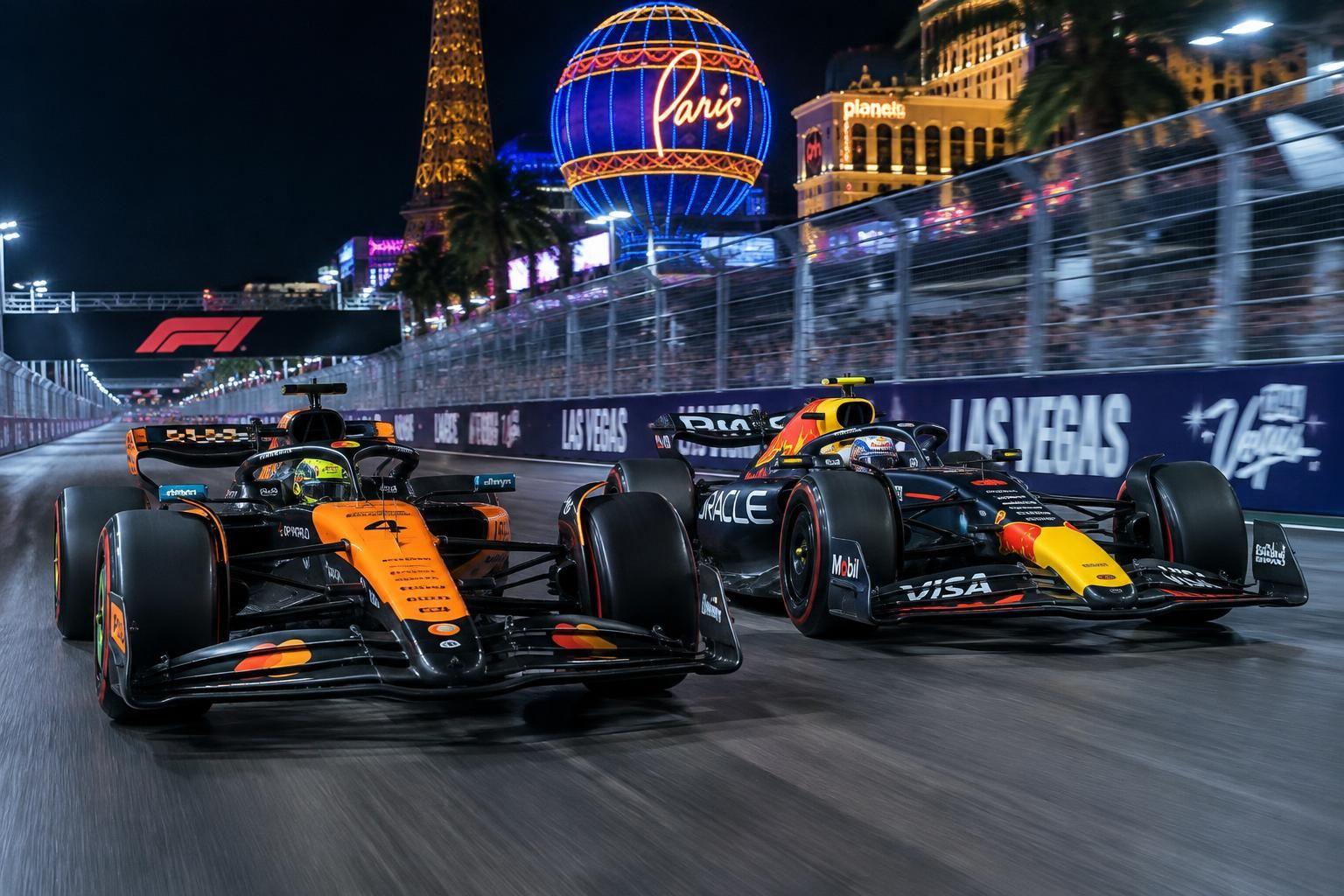
Energy rules, Antonelli’s slowdown and the road to 2030
The power-unit rules also shaped the closing lap. Andrea Kimi Antonelli slowed as the final lap began after a brief lift on the throttle sharply reduced the energy he could deploy; Norris took second place as a result. The episode showed how a small driving input could carry a large cost, even when a driver had earned a strong exit from the previous corner.
Norris said drivers can now accelerate early and still lose speed by the end of a straight, because energy recovery and deployment dictate how the car delivers its performance. He believes the race could have been better if drivers could push more freely, without constantly managing the battery. The FIA has confirmed that the current power units could be replaced as early as 2030, and Norris sees room for the racing to improve.
Verstappen enjoyed the repassing but said the race did not satisfy his instincts as a racer; from a spectator’s perspective, he understood its appeal. That split captures the F1 controversy: the Las Vegas Grand Prix produced a striking tally, yet the drivers want passing to come from pressure and positioning, not just a temporary energy mismatch. More on Antonelli’s recent form adds context to a result shaped as much by the rules as by the fight on track.