
F1 drivers call out online abuse. The FIA tightens its rules. “They wouldn’t dare say it to our faces.”
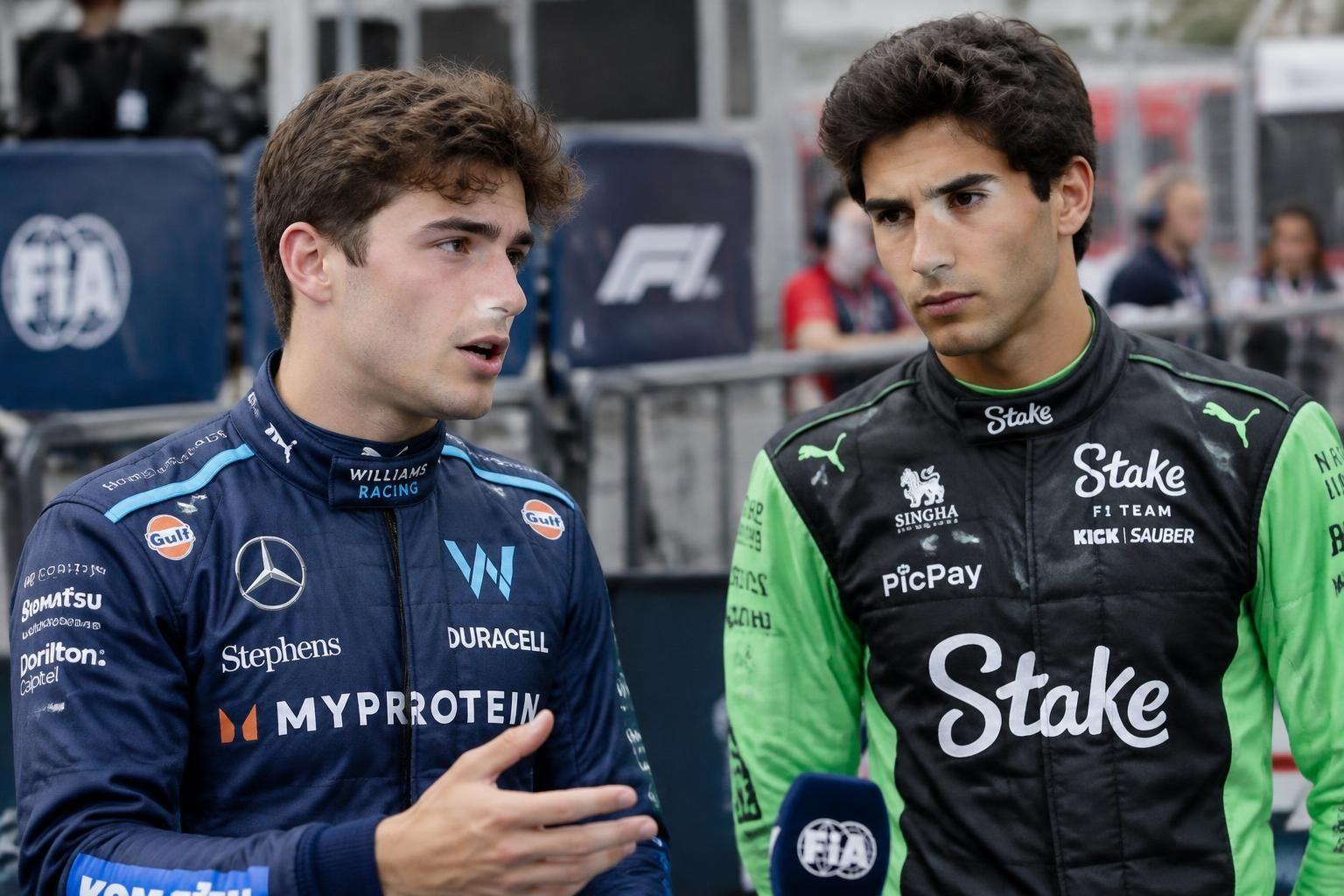
Franco Colapinto and Gabriel Bortoleto have backed the FIA’s revised online guidelines, arguing that the sport must keep pace with abuse spreading across social media. The governing body introduced the measures alongside its United Against Online Abuse initiative during the São Paulo Grand Prix weekend on November 7.
The updated framework divides digital harm into seven categories, including toxic content, impersonation, surveillance and account lockout. The announcement follows a season in which abuse aimed at Formula One drivers has spilled beyond criticism of their performance, raising direct concerns about driver safety and the people close to them.
Colapinto and Bortoleto back the FIA’s online abuse guidelines
Colapinto said he had spent much of the season speaking out against online harassment and did not want to keep revisiting the same arguments. His position was clear: the paddock and its wider community must stay alert, act proactively and keep improving their response rather than treating abuse prevention as a one-off campaign.
The issue has carried a personal cost. After Alpine instructed Colapinto to let team-mate Pierre Gasly pass at the Spanish Grand Prix, Gasly, his family and his girlfriend were reportedly targeted with around 13,000 death threats. The scale of that attack shows how fan behavior can turn a team decision into a threat against people far beyond the cockpit; Gasly’s account of the abuse underlined its reach.
Online harassment: where criticism crosses the line
Bortoleto drew a distinction between criticism and intimidation. He said drivers can accept constructive opinions in a free society, but threats and deliberately degrading attacks cross a line that people often would not cross in a face-to-face confrontation. That gap between a screen and a person, he argued, gives online abuse its cowardly edge.
The Audi driver also credited the FIA with being proactive and said drivers had discussed the issue among themselves. That shared pressure matters: Colapinto has often faced fierce reactions from sections of his supporters, while other paddock disputes have also triggered pile-ons. LAS Motorsport has tracked the wider debate, including Alpine’s renewed condemnation of abuse after comments about the Argentine.
How the FIA plans to tackle digital toxicity
New guidance gives the FIA a broader vocabulary for identifying harm, but enforcement depends on what happens after a post appears. The governing body has used automated moderation software, including Arwen.ai, to filter abusive comments directed at officials and participants on its own channels in real time.
For the most serious threats and hate speech, the FIA’s United Against Online Abuse coalition has also built referral routes to law enforcement, with prosecution among the possible outcomes. Technology can help flag patterns at speed; the test is whether moderation and escalation can protect people without confusing pointed sporting debate with targeted intimidation.
F1 drivers call for lasting action on social media
The revised rules arrive as teams and drivers face a familiar cycle: a controversial call, a viral clip and a rush of hostile messages before the full context reaches fans. The response to Colapinto and Gasly’s Spanish Grand Prix moment showed how quickly that cycle can turn a sporting disagreement into threats against a driver’s family.
For Formula One, the next measure of progress will be whether clearer categories lead to faster action and better support for those targeted. Bortoleto wants room for honest criticism; Colapinto wants the sport to keep pushing back. Both positions point to the same boundary: disagreement belongs in racing, but threats do not.