
Verstappen faces a back-row launch. Red Bull turns to a fresh power unit. Interlagos still offers a route back.
Max Verstappen is expected to start the São Paulo Grand Prix from the back of the grid after Red Bull Racing opted to fit a fresh power unit, according to reports. The decision follows problems with the engine on Friday at Interlagos, turning a planned component change into an immediate strategic call.
The swap triggers a grid penalty and leaves the four-time champion with ground to make up before the first corner. Yet a wet forecast could shuffle the order and give Verstappen room to attack. His previous Interlagos drives show why rivals will not treat his starting position as the final word. The choice now is whether Red Bull can turn a compromised launch into a race strategy that gives him clean air and a path through the field.
Why Verstappen faces a São Paulo Grand Prix grid penalty
Red Bull Racing had intended to delay the power-unit change for as long as possible this season. Friday’s problems altered that calculation: continuing with the existing engine carried too much risk, so the team chose a full replacement and accepted the resulting penalty.
The reported consequence is a start from the rear, though the exact grid classification depends on the formal penalty applied. Either way, Verstappen loses the benefit of his qualifying result and must build his race from traffic. The timing matters: a fresh unit may offer performance and reliability, but it cannot erase the cost of a poor starting position.
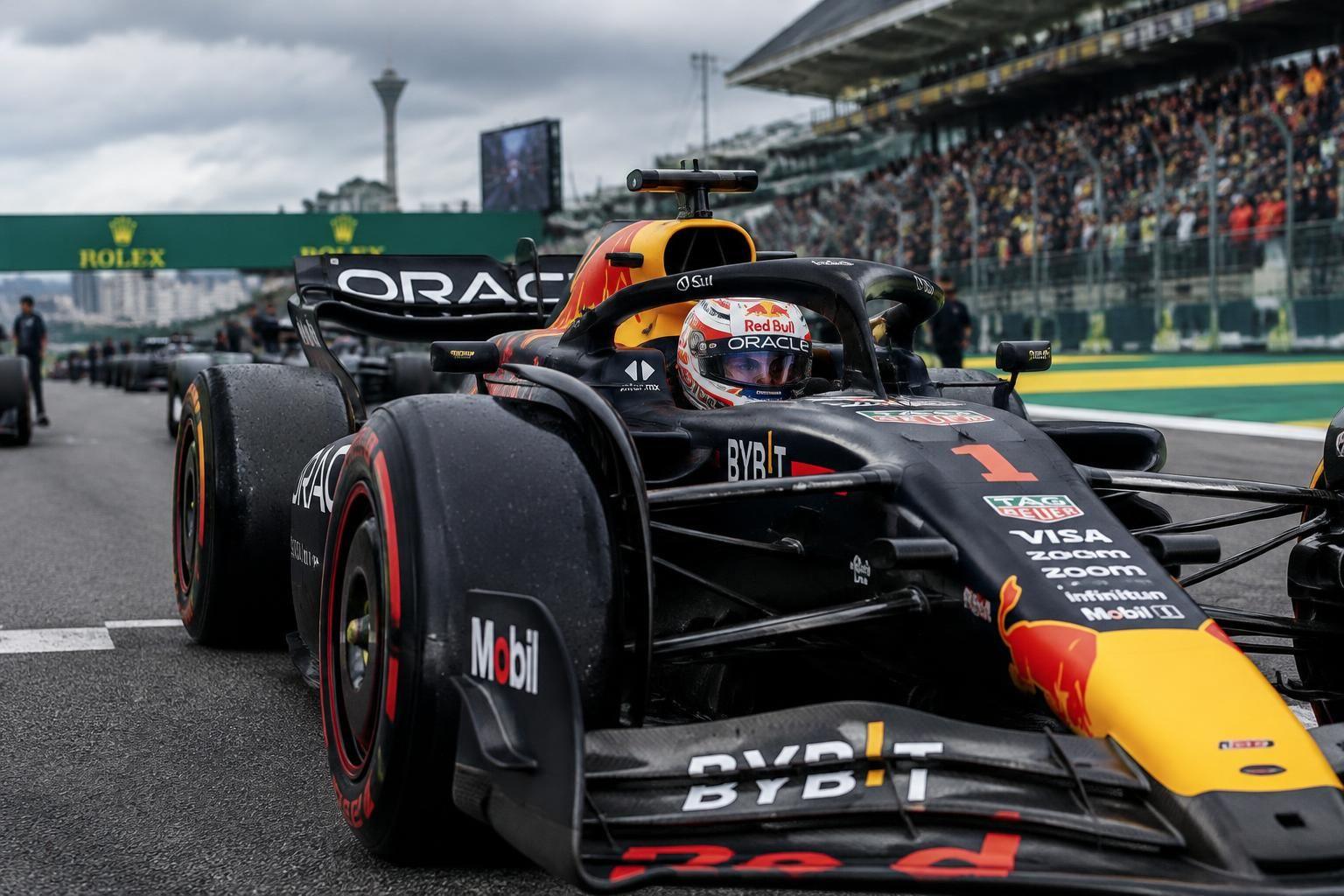
Interlagos history keeps the recovery threat alive
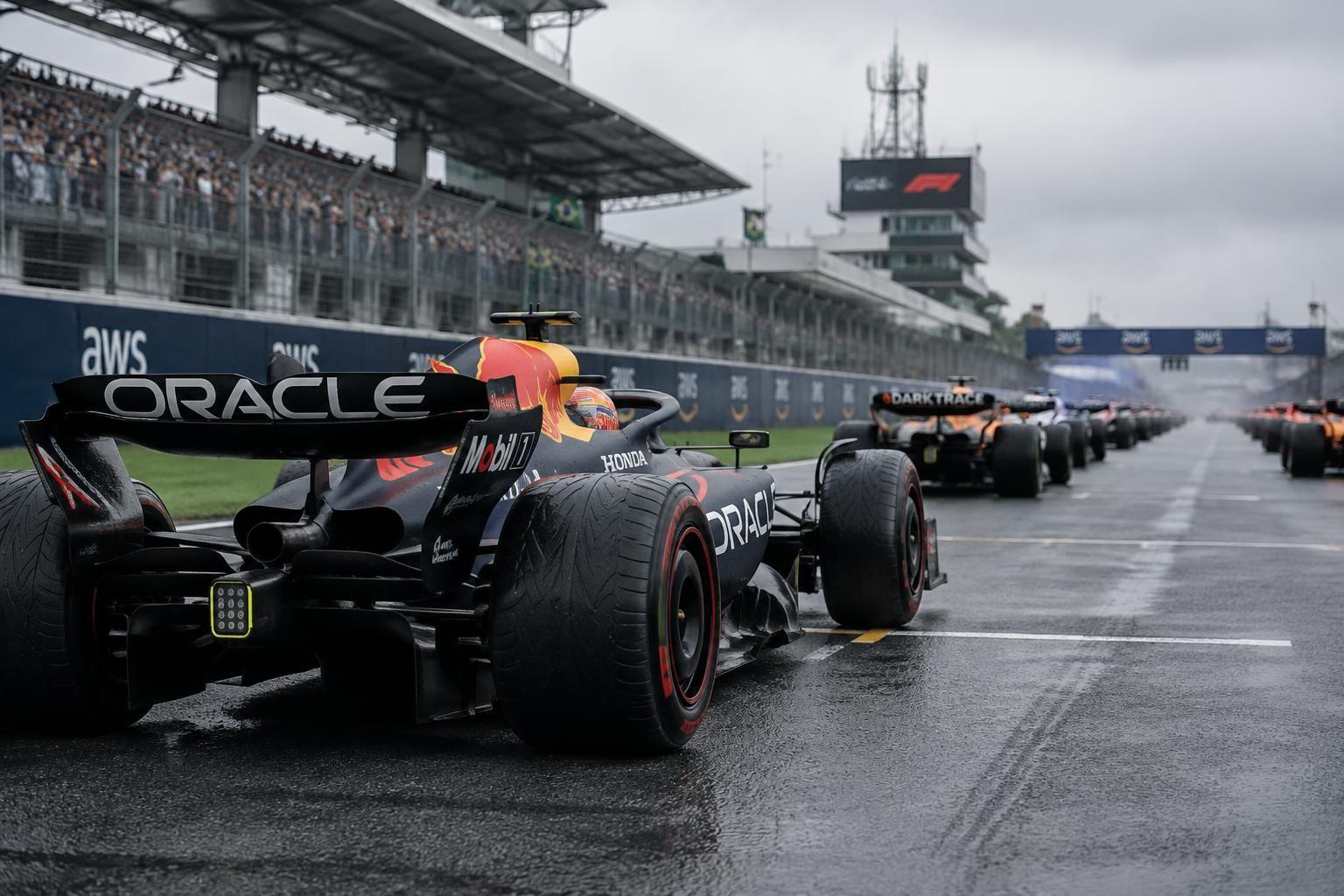
Starting near the back has not stopped Verstappen at this circuit before. In 2024, he started 17th in wet conditions and controlled the race to take victory, turning a deep-grid start into one of the season’s defining drives.
He has also climbed from the pit lane to finish third at Interlagos after extensive changes to his car. Those performances do not guarantee another charge, but they give Red Bull Racing a practical reference point: keep the car out of trouble early, then use pace and tyre choices to gain positions. A related look at the team’s recovery form is available in this report on Red Bull’s comeback.
Wet-weather race strategy could reshape the grid
The expected rain changes the calculation for Formula 1 teams. Spray can reduce visibility and make overtaking harder, but changing conditions also create chances for a driver starting out of position to gain ground through timely tyre calls. Verstappen will need to manage grip, traffic and tyre temperature without forcing a risky move too early.
George Russell and Lewis Hamilton are also facing demotions, adding more front-running names to the recovery fight. That could open gaps in the order, though it also raises the chance of close battles through the midfield. For Red Bull Racing, a clean opening stint may matter as much as outright speed; the team’s calls from the pit wall will shape how far its driver can climb.
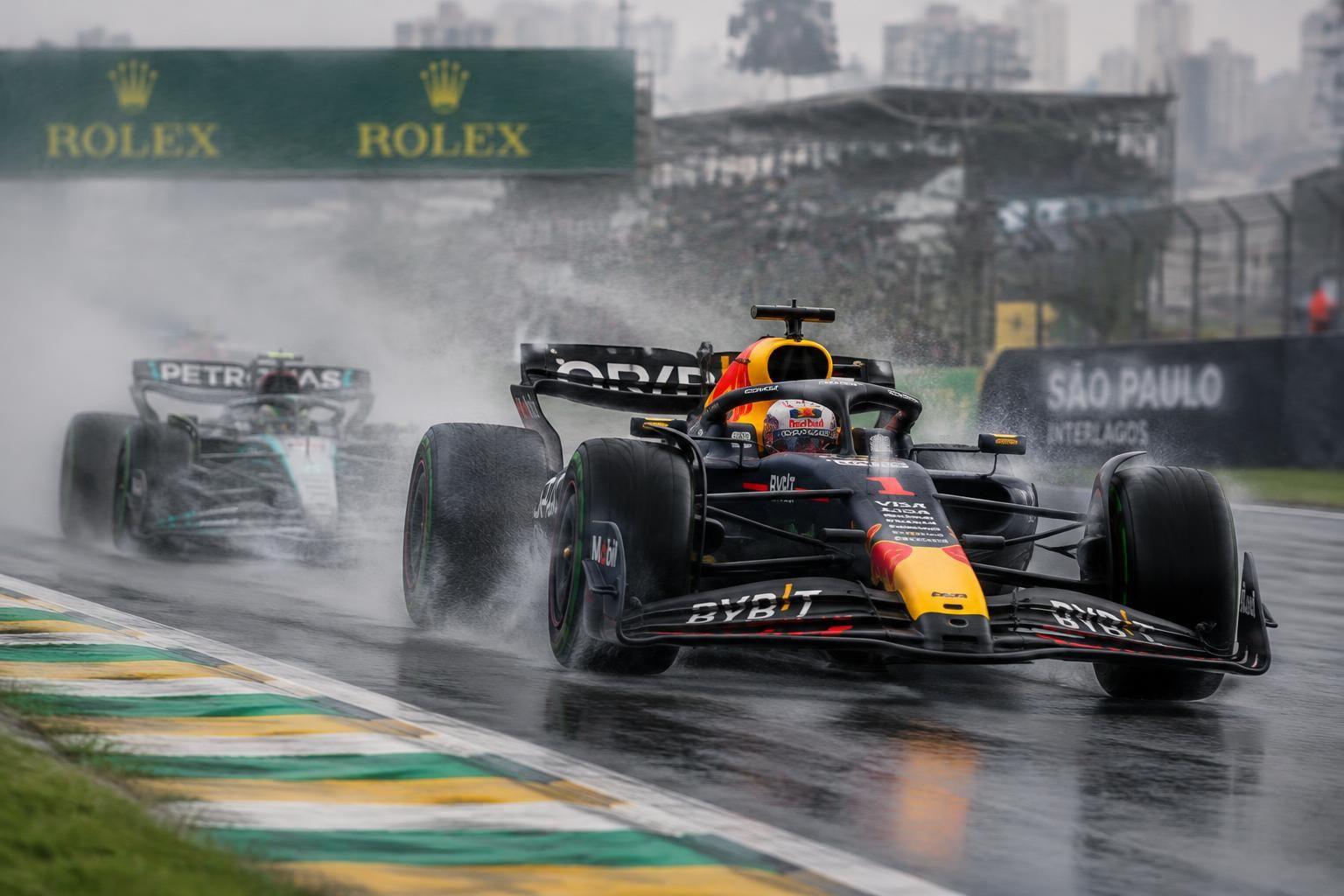
Verstappen has made Interlagos a venue where starting position can quickly lose its meaning, but this recovery will depend on execution rather than reputation. The fresh power unit addresses the risk that prompted the change; the race strategy must now limit the damage from the grid penalty. More São Paulo weekend coverage tracks the competitive picture around him.