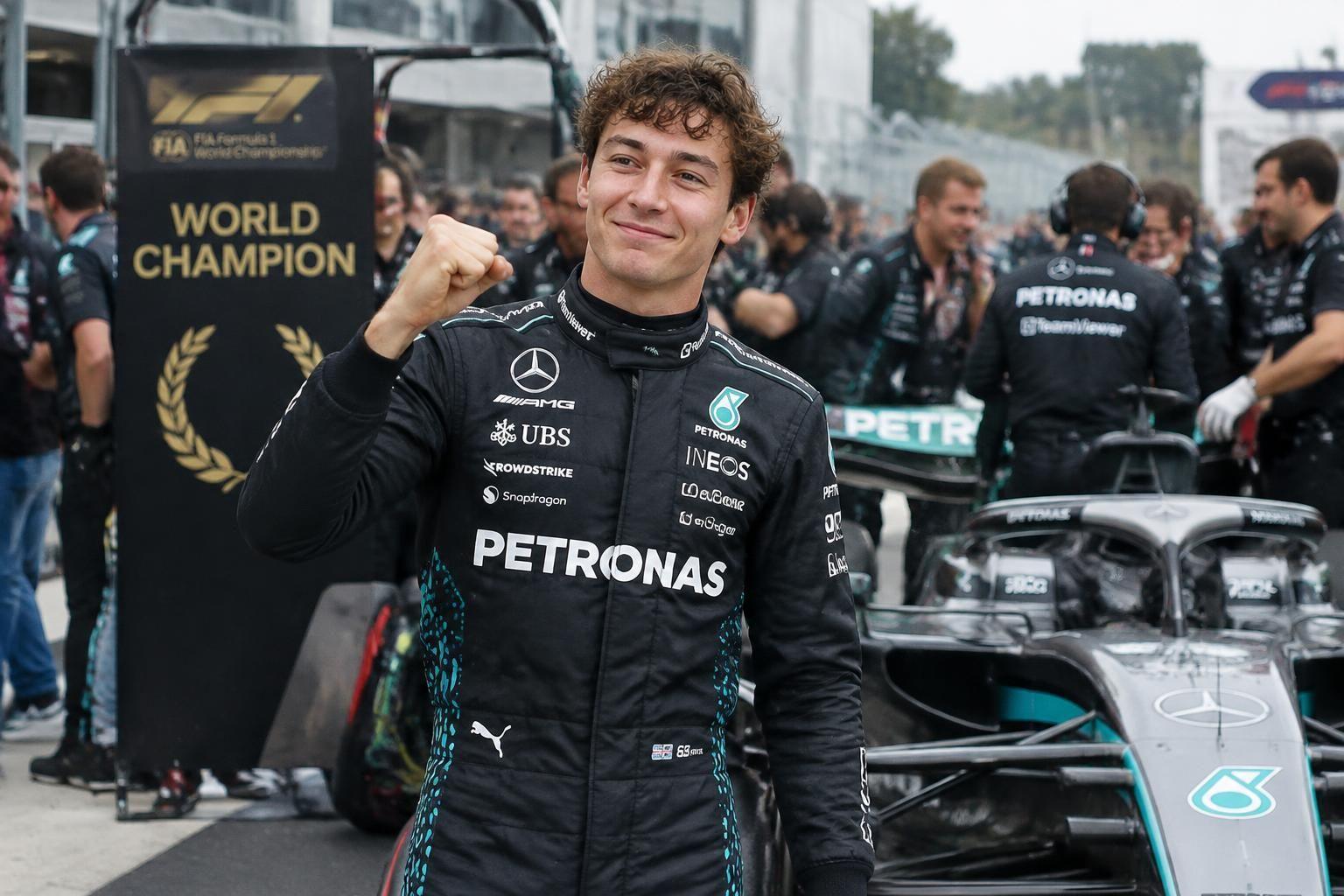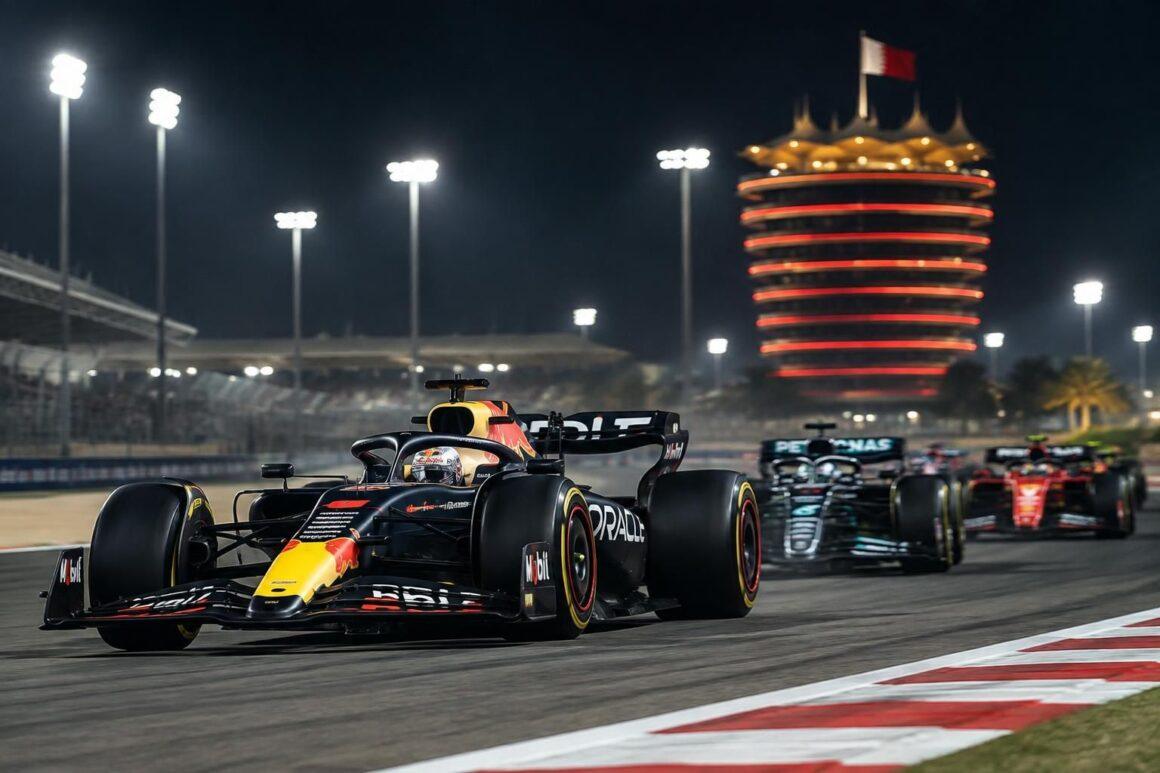
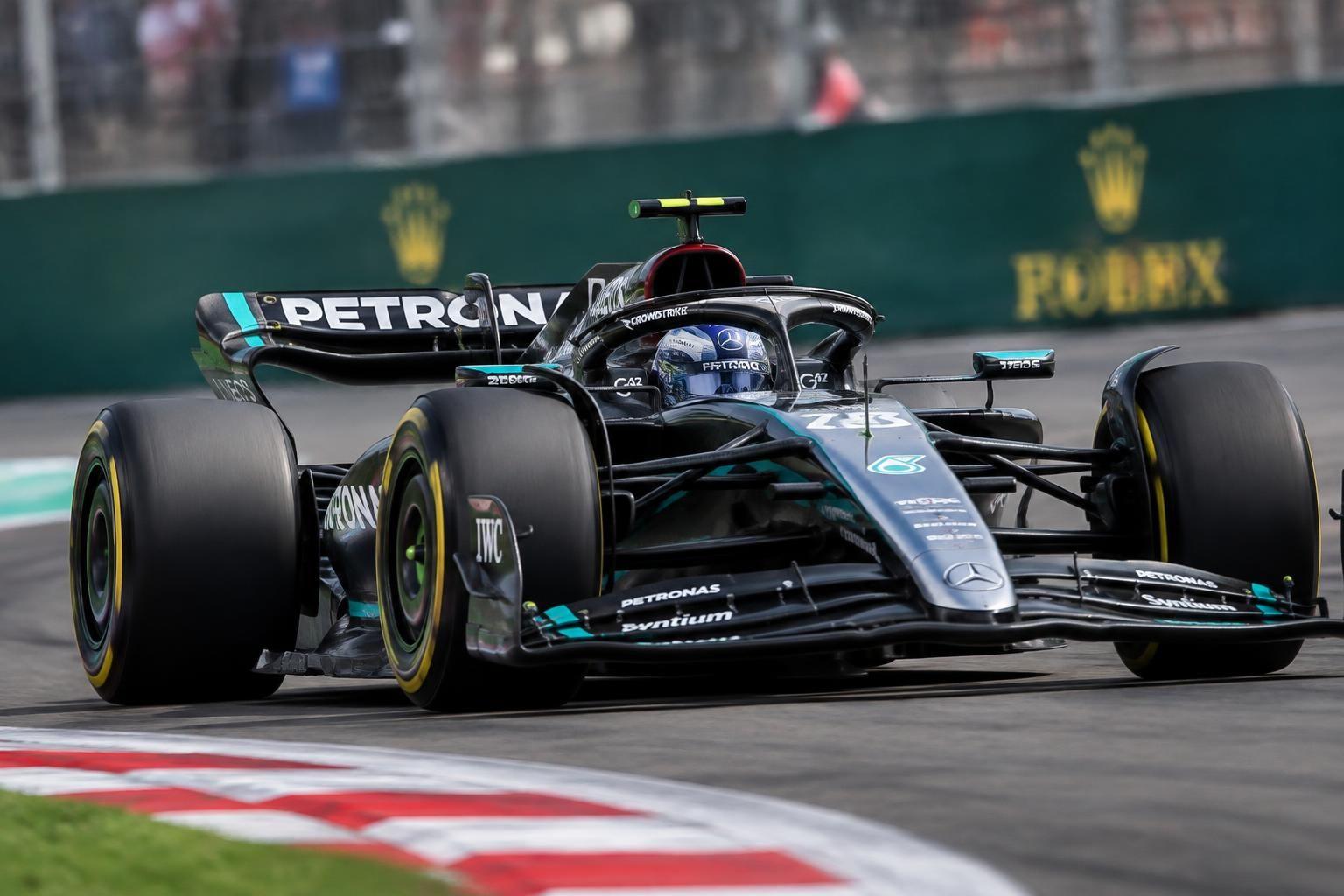

Kimi Antonelli cracked Formula 1’s radical new cars. His tactic was simple: listen first, adapt fast. The result was a title at 20.
Kimi Antonelli turned Formula 1’s biggest power-unit reset in more than a decade into a championship advantage. The Mercedes driver says he began by driving as naturally as possible, then changed his approach when the car’s response demanded it. That meant resisting the urge to deploy full power immediately out of every corner, where a burst of electrical energy could leave the battery short later on the straight. With the 2026 rules splitting output roughly equally between the combustion engine and electrical systems, energy management became part of the driving technique. Antonelli’s breakthrough was not a magic setup change; it was learning when not to ask the car for everything.
The scale of the shift was stark. The previous generation drew about 80 per cent of its power from the internal combustion engine, while the new battery system can deliver up to 350 kW; Formula 1 also removed the MGU-H. That balance has prompted complaints about “superclipping”, when cars shed speed on straights to recover energy. Antonelli, however, turned the constraint into a repeatable method—and, according to the supplied season figures, claimed his first title in Mexico City after recording nine wins to George Russell’s three by São Paulo. For more technical reporting from the paddock, see how Red Bull recovered speed through setup work.
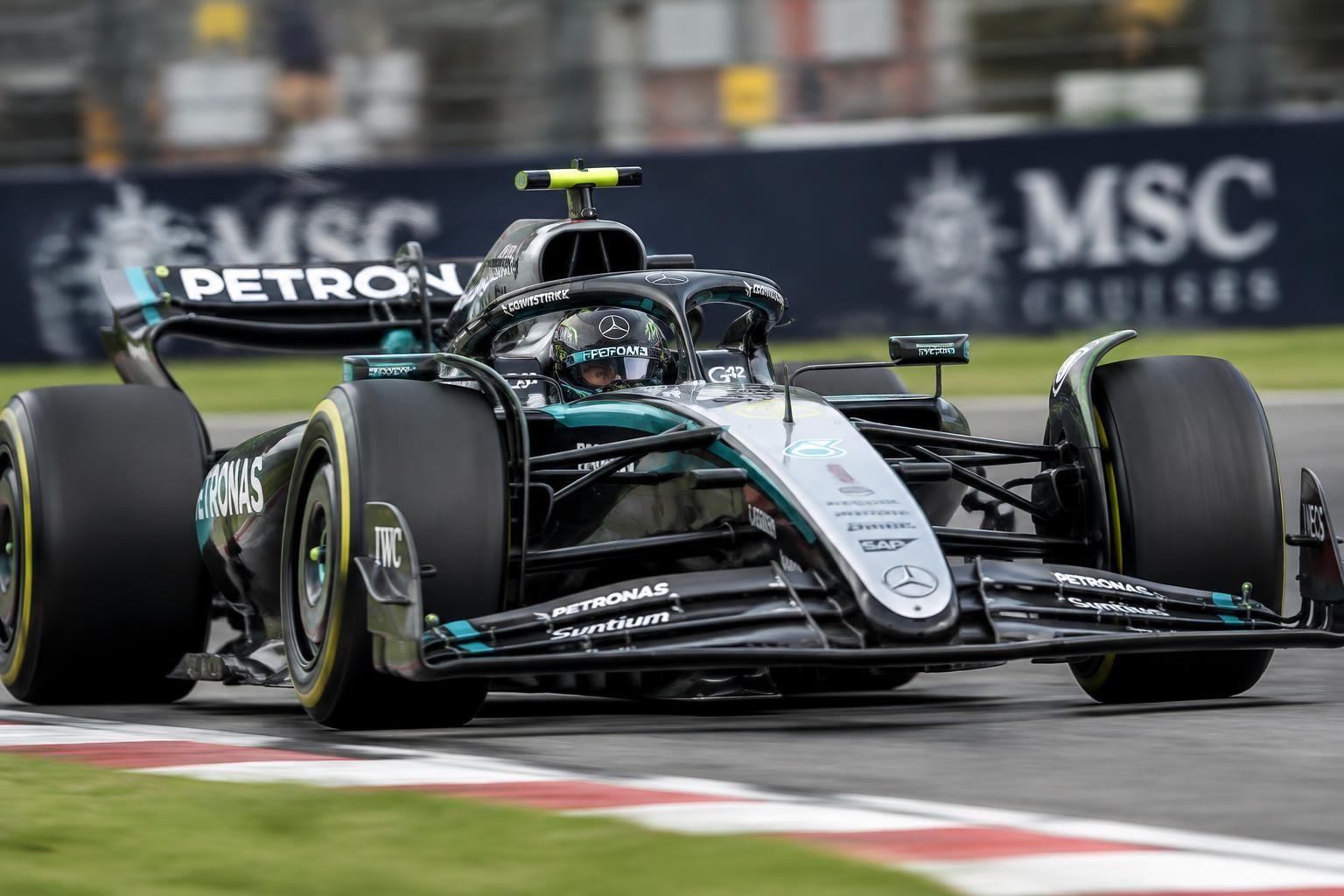
How Antonelli adapted his driving technique to the 2026 power unit
Antonelli’s method started in pre-season, with observation rather than a rigid driving formula. He tested how the power unit reacted to his natural inputs, then adjusted corner approaches according to the circuit. Some venues allowed a familiar rhythm; others punished early acceleration because spending electrical energy too soon left less available for the following straight. The lesson was track-specific: the same throttle application could help at one circuit and compromise performance at another.
That judgement affects more than acceleration. Engineers must align car setup, aerodynamics and energy deployment with each track’s demands, while drivers balance tyre management against the temptation to chase immediate exit speed. A driver who preserves battery output for a longer straight may also protect the tyres from needless wheelspin. Antonelli’s advantage came from connecting those decisions rather than treating them as separate tasks. It is a sharper form of performance optimization, built around what the car communicates on each lap.
Mercedes’ internal battle and the road ahead for Formula 1
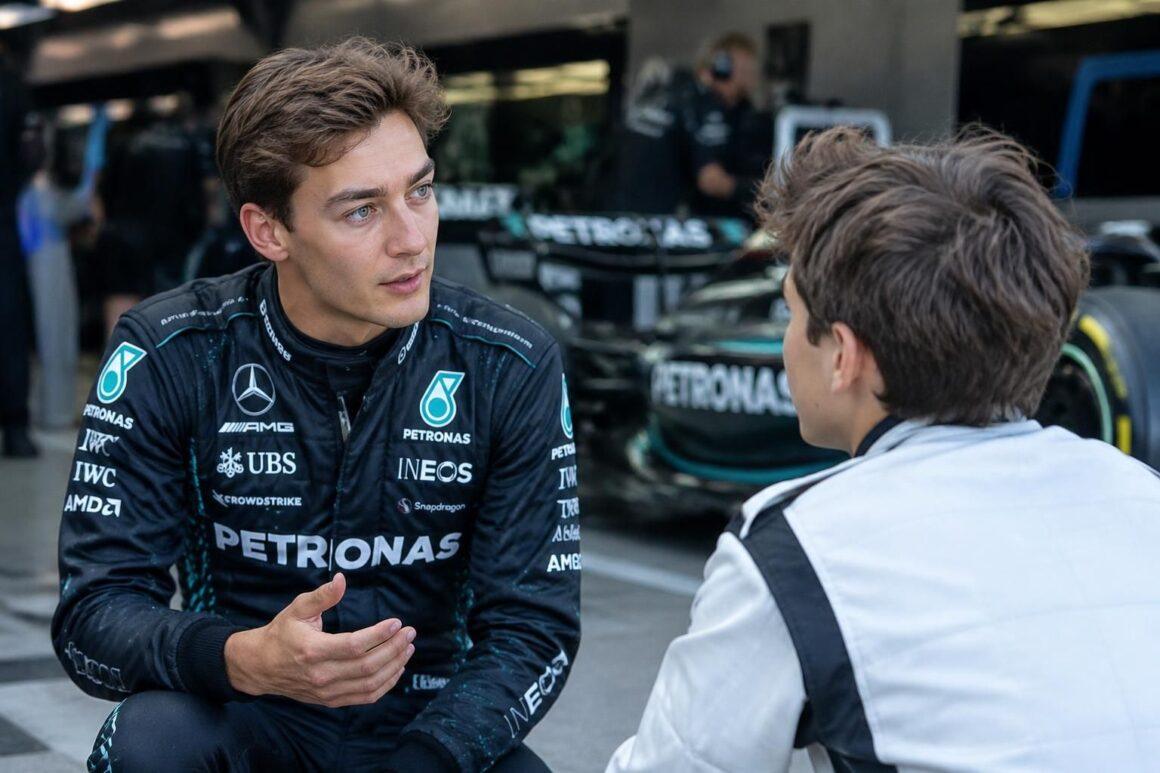
The contrast with teammate George Russell made the adaptation gap visible. Russell had struggled with the new demands, particularly the need to avoid spending too much electrical energy at corner exit. By the figures provided through São Paulo, Antonelli’s nine victories against Russell’s three showed how strongly that detail could shape a season. The difference was not simply raw pace; it was how consistently each driver converted available energy into lap time.
Criticism from Max Verstappen and Fernando Alonso exposed the wider tension. Verstappen called the regulations “anti-racing”, while Alonso likened fast corners to charging stations; changes arrived before Miami, with further moves planned for 2027 to increase combustion-engine reliance. Antonelli expects that shift to make the cars easier to drive as electrical power falls and fuel flow rises, with more changes scheduled for 2028. The technical debate will continue, but his title established one immediate benchmark: adapt the driving before demanding a different car. Read more on the power-unit discussion in the debate over Formula 1’s engine direction.
For Antonelli, the coming seasons will test whether that instinctive approach can stay ahead as teams refine strategy and setup around the evolving rules. His first championship was won by responding to the machine, not fighting its limits—and that may remain the defining skill of the new era.