

Formula One is eyeing a V8 return. The sound could come back, but so could old weight and fuel headaches. A simpler engine will not automatically make a simpler car.
Formula One’s V8 comeback campaign has gathered pace, with FIA president Mohammed Ben Sulayem backing a proposed three-litre turbocharged hybrid engine that could arrive as early as 2030. The outline pairs the V8 with a maximum electric output of 100 kW, a sharp retreat from the 350 kW electrical power used by the current generation.
That shift answers a growing complaint from the paddock: energy management now shapes overtaking, with many passing moves concentrated on the straights and dependent on a clear power advantage or overtake mode. Yet RacingNews365 technical analyst Paolo Filisetti warns that the pitch for lighter cars and purer racing could collide with familiar engineering limits. Smaller batteries do not guarantee a major weight saving, while increased fuel consumption could demand larger tanks and heavier race-start loads. The V8 may change the sound of F1 before it changes the arithmetic.
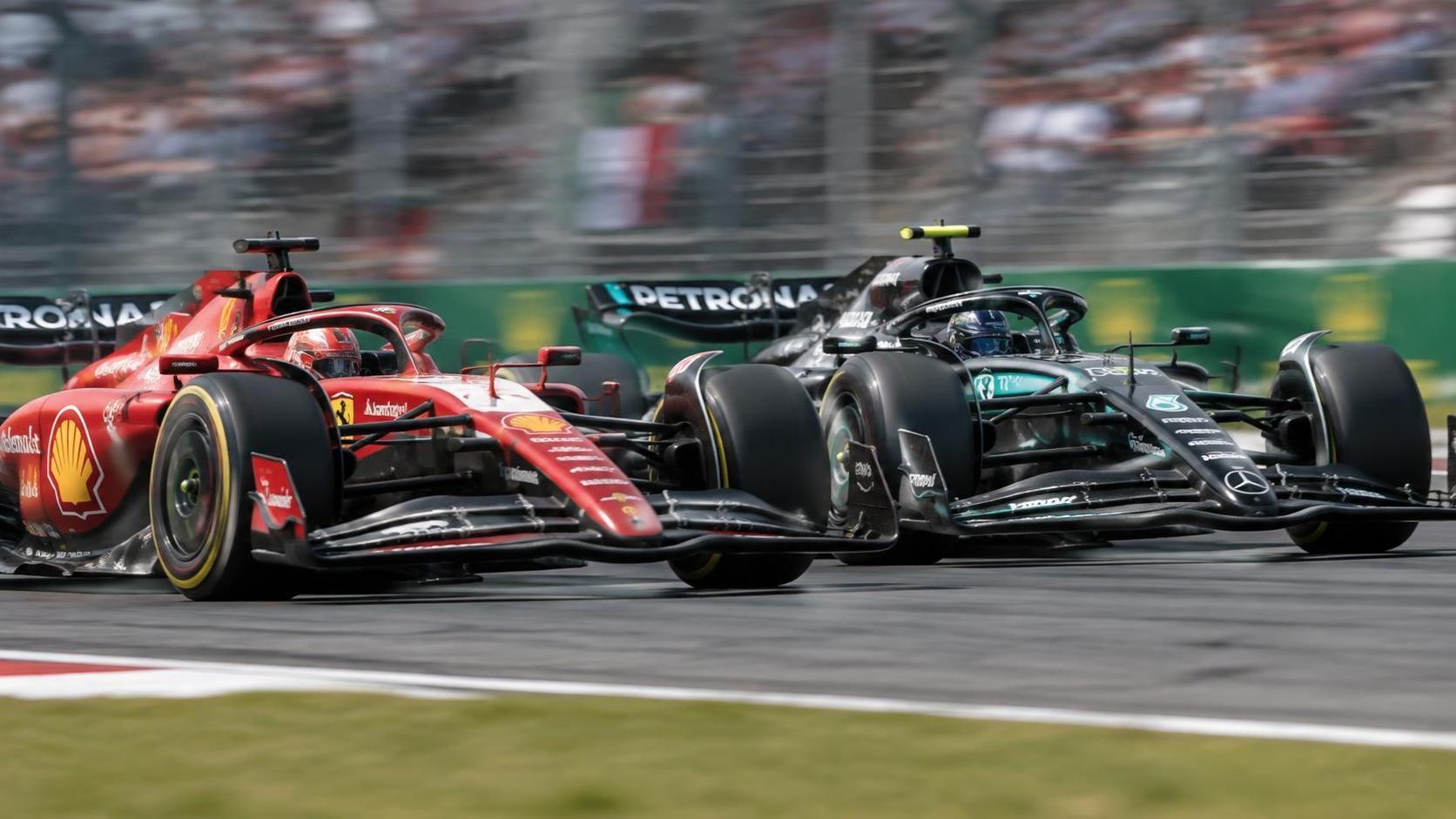
F1’s proposed V8 engines could bring back weight and fuel challenges
The headline promise is a less complex power unit, with reduced electrical output and smaller ERS cooling demands. But a three-litre V8 needs a larger crankcase and wider pistons than today’s units; meanwhile, the battery may take up less space without weighing much less than the batteries used through 2025. Smaller heat exchangers could trim cooling hardware, though Filisetti’s assessment suggests the saving would fall short of a dramatic drop in car mass.
There is another trade-off: if the combustion engine supplies a larger share of total output, it may burn more fuel. That could mean a larger tank and more fuel aboard at the start, pushing weight back into the car just as the series tries to shed it. For background on the balance between output and efficiency, see this guide to F1 car horsepower and LAS Motorsport’s explanation of real-world F1 fuel efficiency.
Engine regulations may matter more than the power unit’s size
F1 and the FIA also want more nimble cars, but the engine alone may not deliver that result. Filisetti points to regulation as a stronger lever: a maximum wheelbase of 330 cm, down from the current 360 cm, could cut overall dimensions and mass while producing cars that change direction more readily.
That distinction matters because new engine regulations would have to balance performance, packaging and cooling, not just headline power. The proposed 100 kW electrical ceiling sits below the 126 kW maximum used through 2025, yet the battery and fuel system still bring their own engineering demands. A smaller engine package on paper does not guarantee a smaller, lighter racing car.
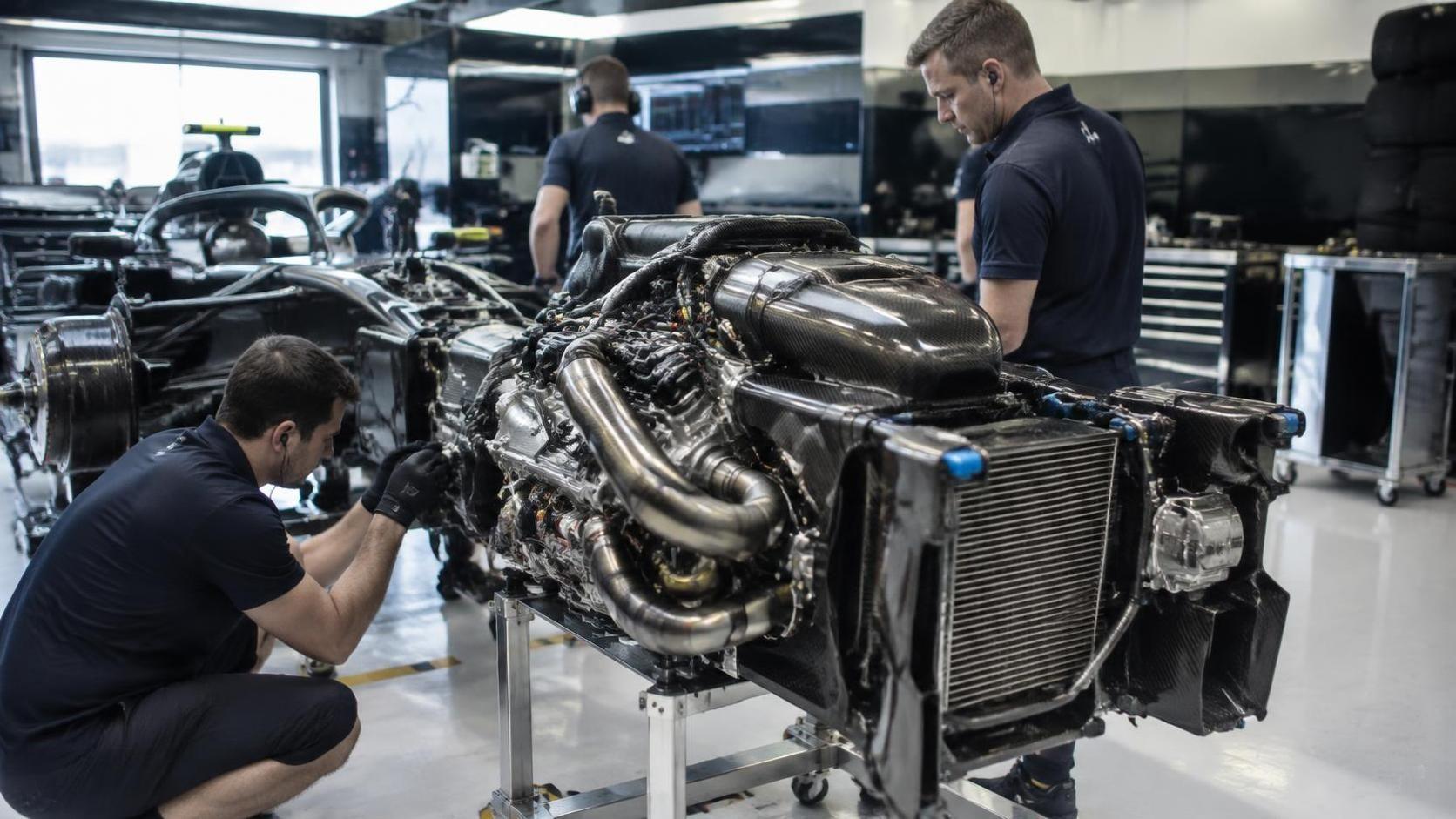
V8 return: sustainability, noise levels and manufacturer support
The appeal is not only nostalgia. A lower-complexity engine could make F1 more attractive to independent suppliers, reviving a role once filled by Cosworth, while higher noise levels would restore some of the raw trackside character many fans miss. But any proposal must protect sustainability goals through fully sustainable fuel and credible controls on emissions; otherwise, the louder soundtrack risks masking a weaker environmental case.
Manufacturers will also weigh development budgets against the rules’ technical demands. A simpler architecture could reduce engine costs, but a major change before the next long-term cycle risks sunk investment and fresh disputes over performance balance. The V8 idea still needs negotiation, and its final form may shift to keep existing suppliers on board while attracting new ones.
The sport’s real test is whether the new formula changes the racing, not merely the soundtrack. If Formula One wants more natural wheel-to-wheel fights, it must address energy deployment, car dimensions and fuel load together; the V8 badge alone cannot erase the technical challenges that its return could revive.