
Formula 1 plans to keep its final Middle East races on the calendar. One UAE reader welcomes the decision. For a region worn down by conflict, race day could offer a rare pause.
Formula One Management is pressing ahead with plans to stage the season’s final two races in the Middle East, despite the security concerns linked to the US war with Iran. The decision has drawn a personal response from a reader living in the United Arab Emirates, who says attending the finale would provide a welcome moment after a difficult year. Their comment frames the debate in human terms: not only risk assessments and logistics, but also what a major sporting event can mean to people who live nearby.
The reader says the UAE has managed the situation well and reports that the country has had no alerts or strikes for several months. That is their assessment, not a guarantee about future conditions, and the distinction matters when authorities weigh security against the demands of race hosting. The Formula 1 calendar remains subject to official decisions, but the reader’s support shows why regional events are not merely dots on a global itinerary: for local fans, they can bring connection, routine and a shared occasion when ordinary life has felt unsettled.
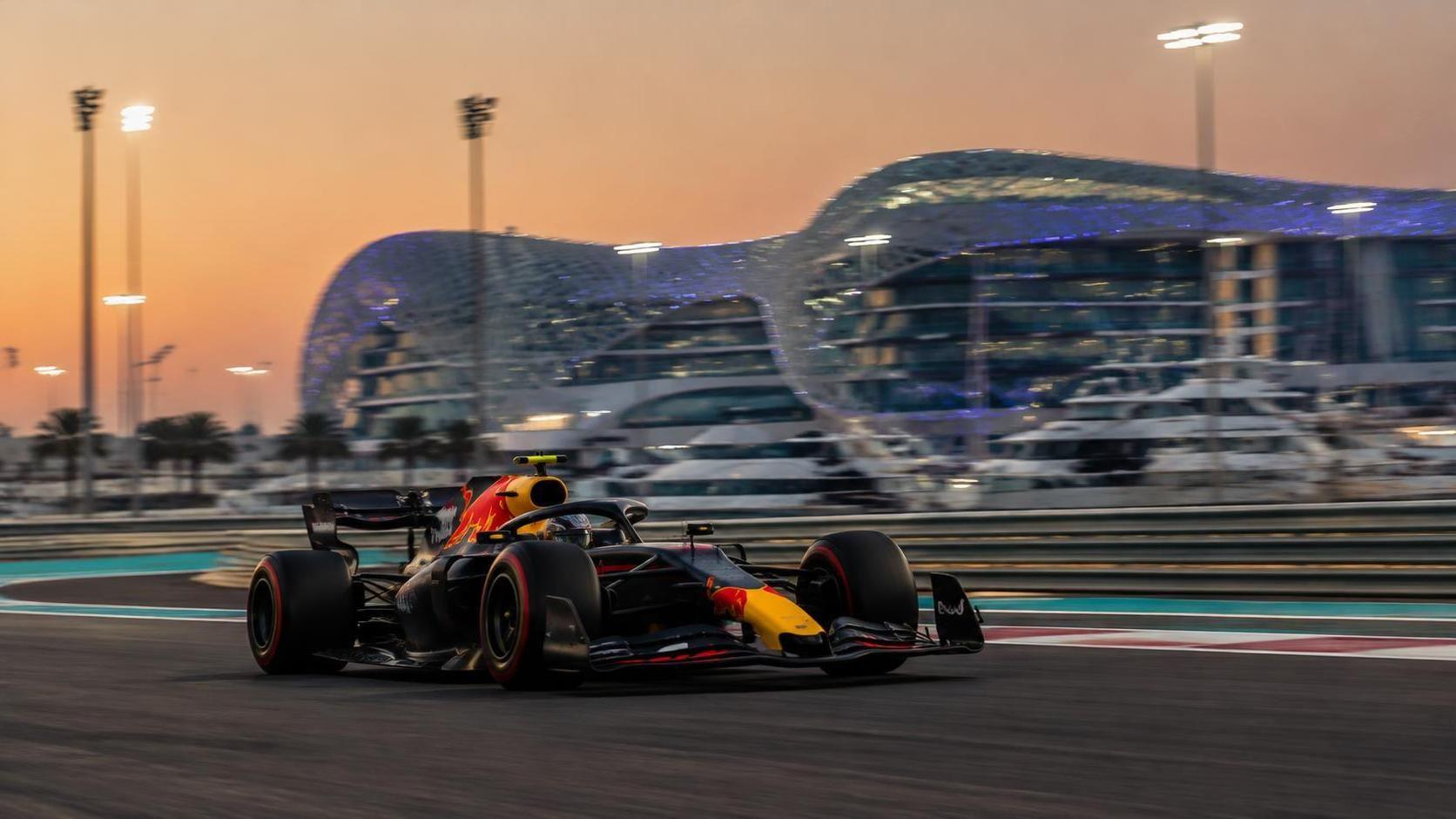
Why one UAE reader supports Formula 1’s Middle East race calendar
The reader, posting as @GeeMac, welcomed the plan to proceed and described the conflict as a strain on people across the region. They said that being able to attend the final race would be a positive way to close a year that had been exceptionally hard. That is the heart of this reader comment: a race is not a solution to political tension, but it can give residents a moment of anticipation and a familiar event to share.
The comment also reflects the difference between a distant schedule announcement and its local meaning. To travelling teams, the Middle East Grand Prix events involve freight, staff movement and tightly controlled operations; to a fan in the UAE, they are within reach. Formula 1’s own race-freight logistics show the scale of the travelling operation, but the reader’s perspective brings the focus back to the people who live around the circuit.
Security concerns, MotoGP and the race-hosting decision
The wider context remains unsettled. MotoGP raced in Qatar last weekend, according to the supplied report, although one manufacturer stayed away over travel concerns; that contrast underlines how different organisations can judge exposure differently. Formula 1 has its own safety procedures and consultation channels, and its choices will be scrutinised by fans, teams and officials alike.
Earlier cancellations of races in Bahrain and Saudi Arabia demonstrate that a race calendar can change when conditions demand it. The sport has already faced questions over safety and the future of its regional commitments, as explored in this report on FIA safety concerns and F1’s next move. Pressing ahead with plans is not the same as guaranteeing that every event will go ahead; organisers still need to assess circumstances as the dates approach.
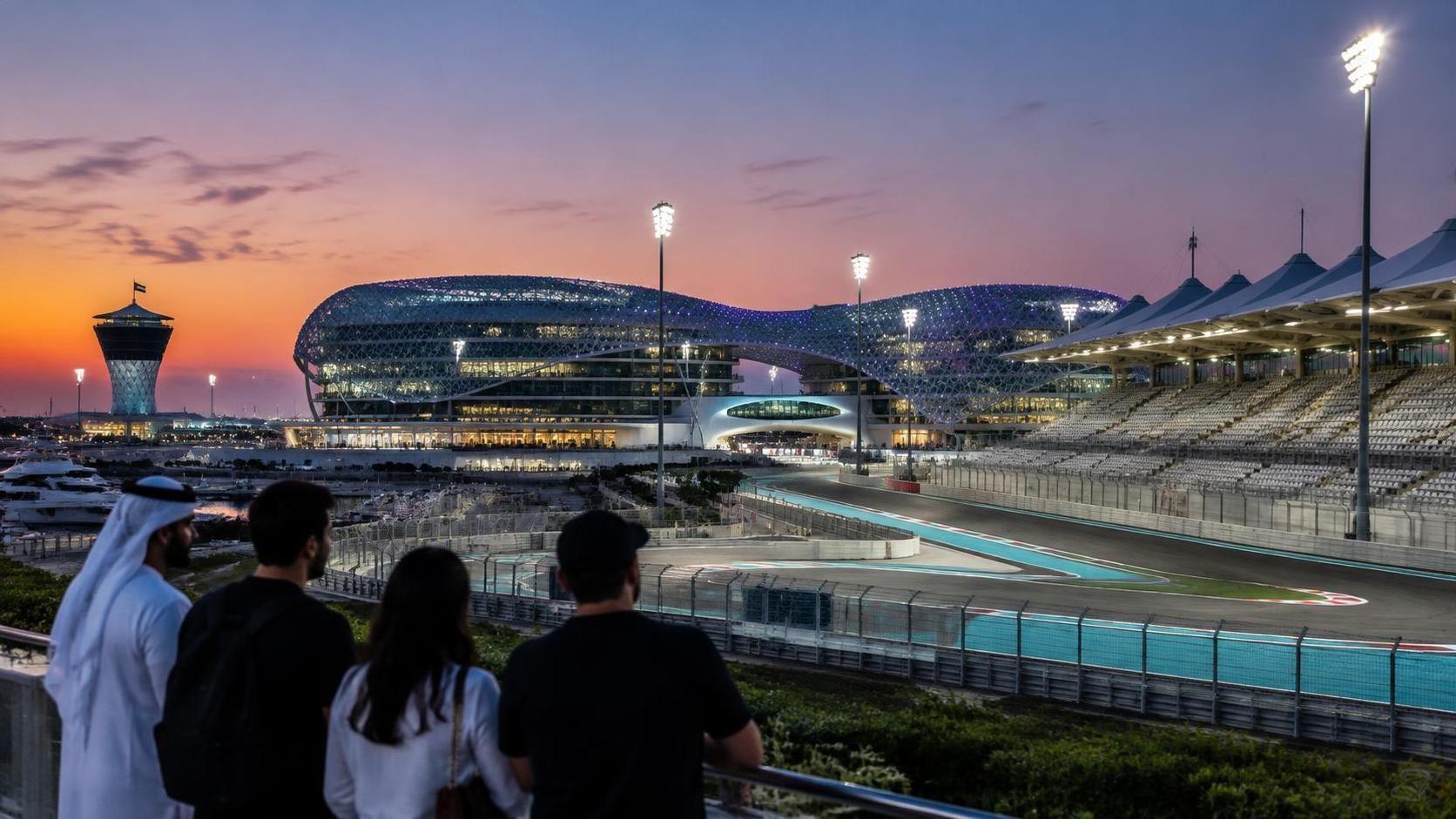
What calendar continuity means for Formula 1 and local fans
For the championship, the final rounds shape the season’s sporting narrative and the practical rhythm of the F1 schedule. Replacing a race can demand rapid work across freight, staffing, circuit preparation and broadcasting, while teams must adapt plans built around the published calendar. The question is therefore both logistical and human: can Formula 1 maintain calendar continuity while responding credibly to changing security conditions?
The UAE reader’s optimism rests on their experience of recent months, while the final decision belongs to the authorities and organisers responsible for safety. That tension deserves clear communication rather than confident assumptions. For the moment, Formula 1 intends to keep its Middle East dates in place, and the reader sees that prospect not as a political statement, but as the chance to attend a race close to home.