
Racing’s American boom moves into the boardroom. Autosport Business Exchange New York puts growth, investment and fan culture in focus. The next lap is about turning attention into lasting value.
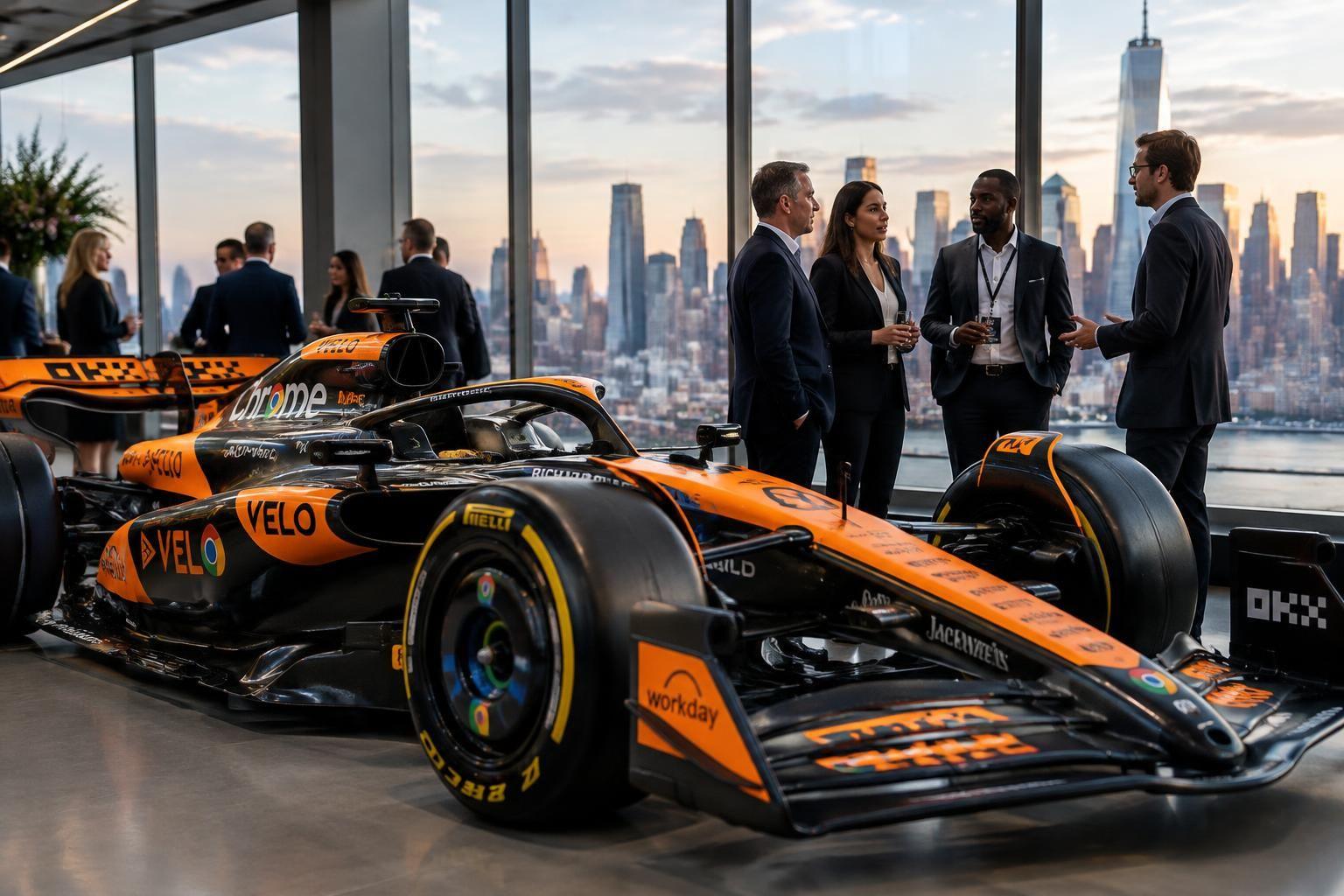
Autosport Business Exchange returned to New York on October 21, bringing motorsport executives, media leaders and global brands to Manhattan Motorcars. The second edition examined the forces behind racing’s expanding American audience, from Formula 1’s commercial reach to NASCAR’s efforts to sharpen its storytelling. Former Red Bull team chief Christian Horner headlined the event, reflecting on leadership, the demands of winning and the sport’s pull for investors. With the United States Grand Prix in Austin approaching and NASCAR nearing the end of its season, the timing put the discussion close to the action. The message from the room was direct: growth now depends on giving fans more ways to connect, while making the business case clear to partners and capital.
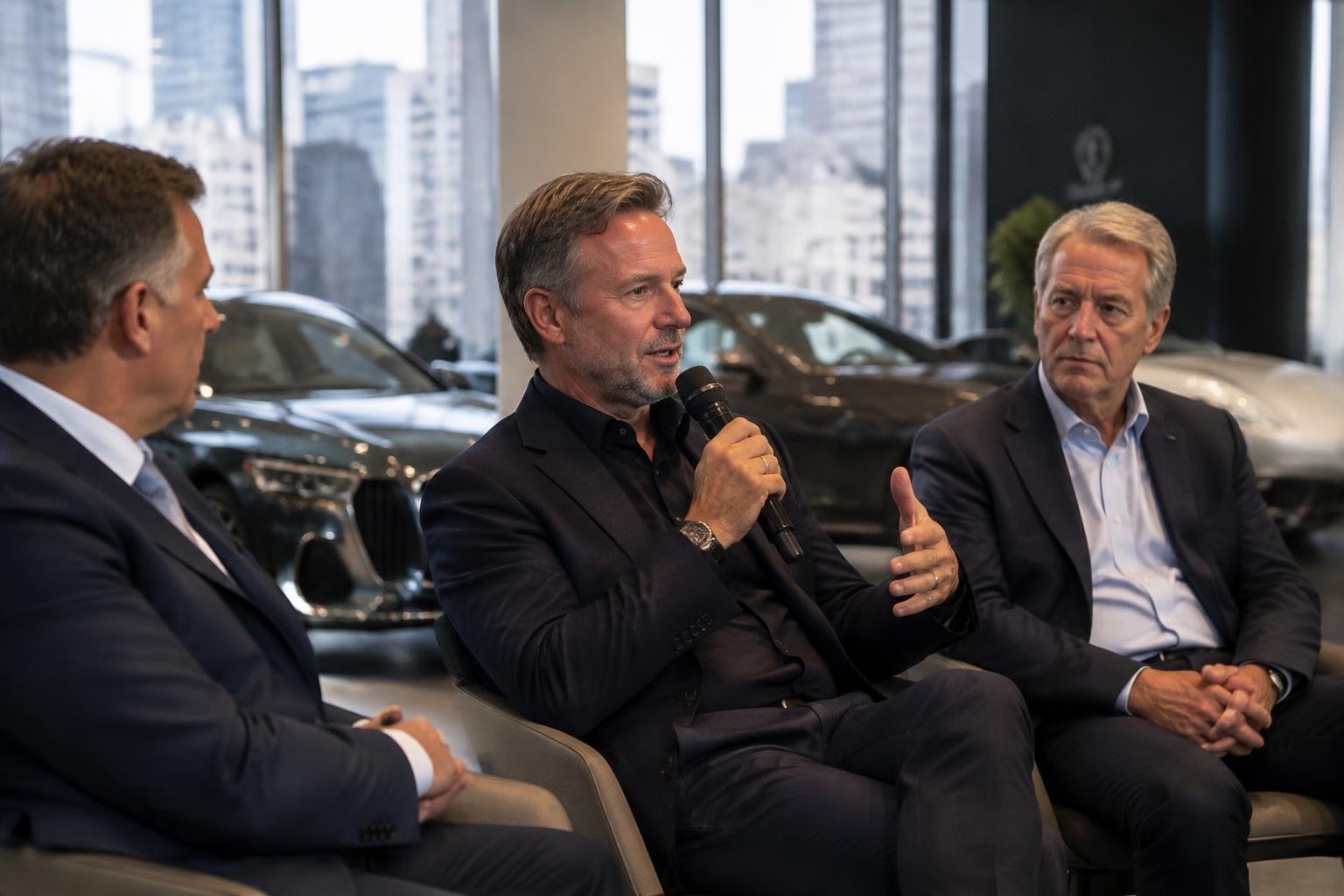
Autosport Business Exchange New York puts racing leaders in the spotlight
Horner described a career that took him from racing driver to the head of a championship-winning Formula 1 operation. He said he attended 404 consecutive Grands Prix across a 21-year spell at Red Bull, then found fresh perspective after leaving the team 15 months before the event.
That change of vantage point shaped his view of F1’s broadcast product. Having watched MotoGP, Formula E and the America’s Cup as a spectator, he argued that richer analysis of strategy and race development could help viewers understand what unfolds beyond the timing tower. He remains open to a return, but said the right opportunity would need to offer a genuine route to winning.
F1 growth, media innovation and investment drive the business debate
Former F1 chief Chase Carey traced the sport’s commercial shift under Liberty Media, which acquired Formula 1 in 2017. Rather than treating sponsorship as trackside signage, Carey described partnerships built around shared platforms, fan engagement and creative activations, pointing to Netflix, Apple and the LEGO car races as examples of how the sport can travel beyond race day.
That approach reflects wider Market Trends: rights holders now compete for attention across streaming, social media and live events, not just television slots. F1’s evolving formats and audience strategy are part of that discussion, as explored in this report on the future of Formula 1’s race formats. The commercial opportunity is growing, but so is the pressure to make each partnership feel relevant to fans.
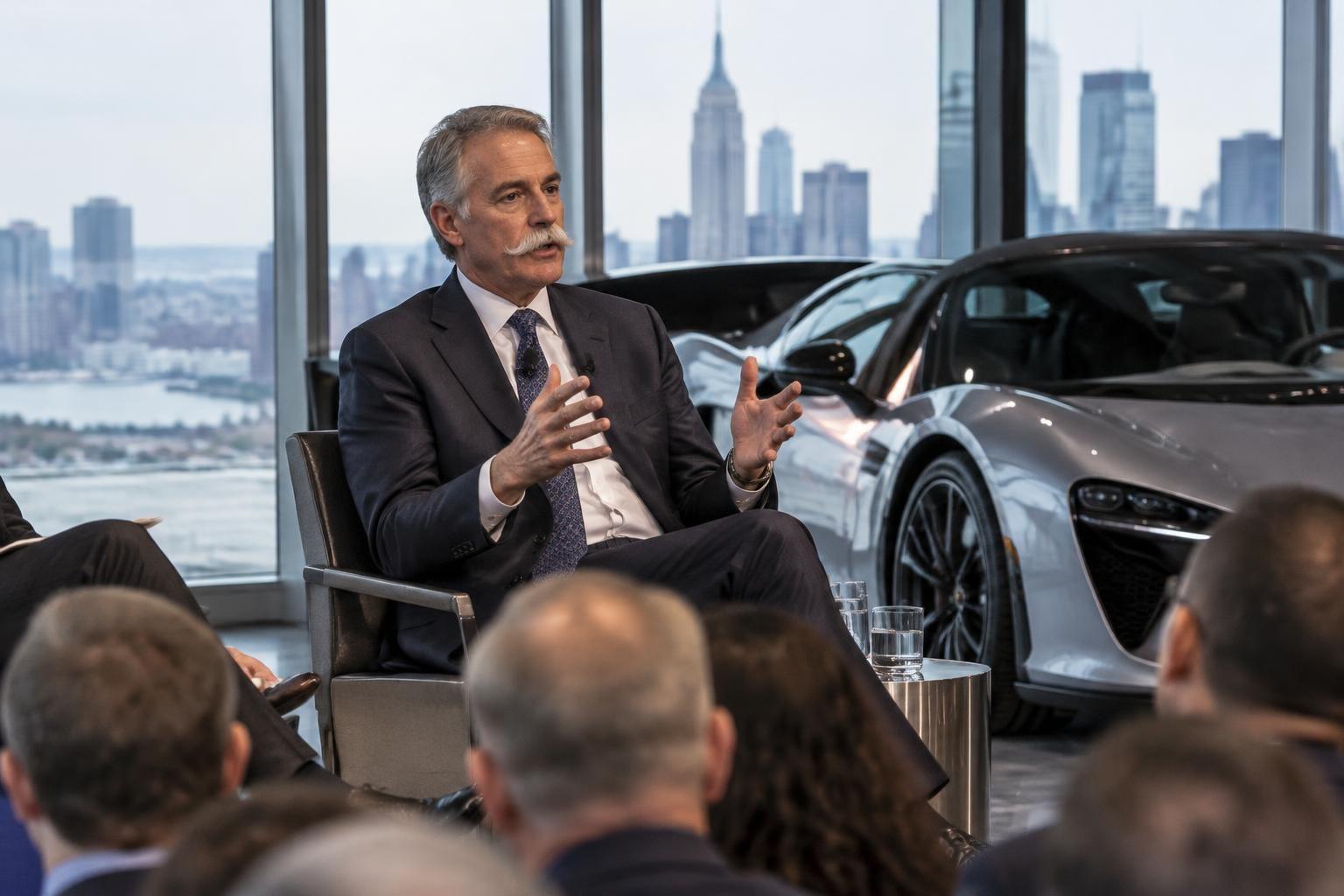
NASCAR, IndyCar and Cadillac shape America’s racing growth story
Jimmie Johnson, the seven-time NASCAR Cup champion and Legacy Motor Club co-owner, joined Penske’s Jonathan Gibson and NASCAR executive Tim Clark to discuss the business of domestic racing. Clark said NASCAR must improve how it tells stories away from Sunday, while Johnson described the wider economic perspective that comes with moving from the cockpit into team ownership.
Gibson pointed to IndyCar’s international drivers and broadcast reach, while Clark said NASCAR intends to build a stronger presence beyond the United States, including the possibility of Cup races overseas. General Motors president Mark Reuss also discussed Cadillac’s first F1 season, adding fresh weight to America’s place on the grid; the team’s arrival is covered in this report on Cadillac’s impact on Formula 1. From fan storytelling to global expansion, the event made clear that racing’s next American growth phase will be measured by how well it converts visibility into durable investment.