

F1 drivers stunned as an unusual problem causes a major delay. Cars lose power on the formation lap at Sepang. The FIA scrambles to get the race moving.
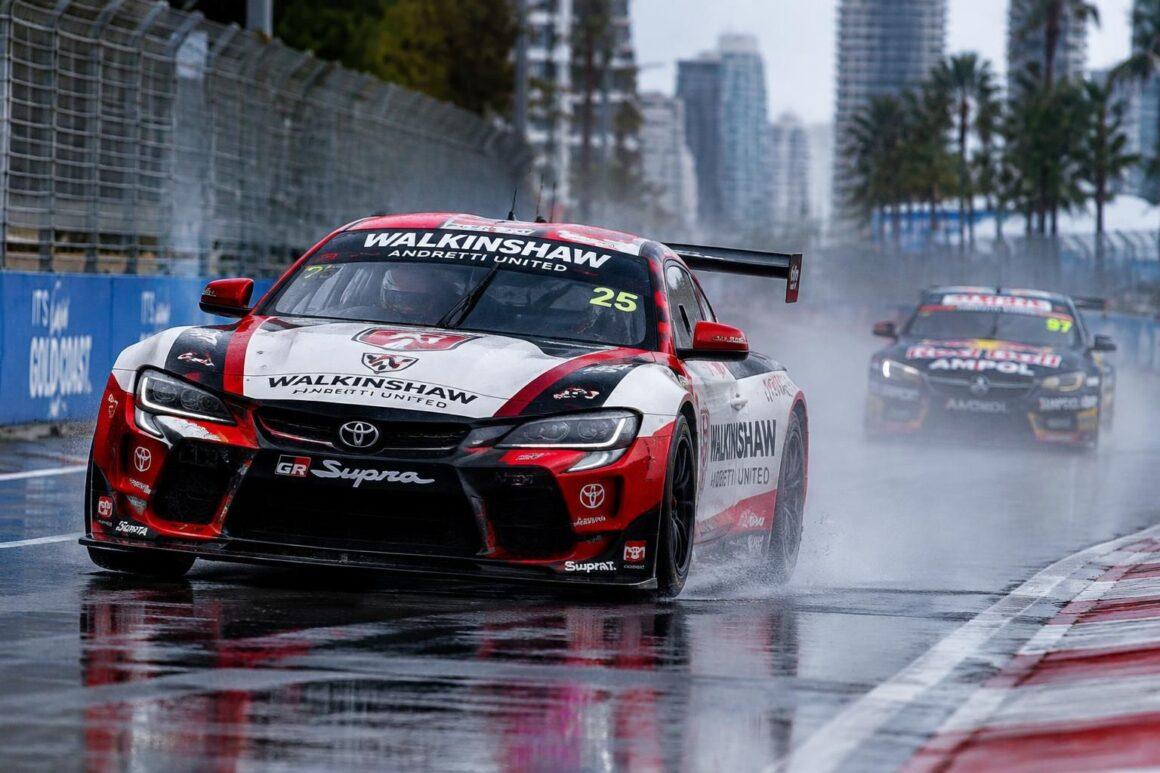
Formula One’s wet-weather disruption at Sepang turned a formation lap into a technical failure in full view of the grandstands. Several cars slowed dramatically after a thunderstorm left the circuit drenched, with drivers reporting lost power and confusing throttle responses. The FIA traced the fault to a rare combination of engine speed, low grip, wet-weather settings and the circuit’s sector configuration.
The stoppage forced officials to issue an updated software release before the race could begin, while drivers waited for clarity over procedures and the start. The episode exposed how tightly software and energy management now shape the behaviour of modern F1 cars. For the drivers caught in the queue, it felt less like a controlled formation lap than a breakdown in the sport’s operating system.
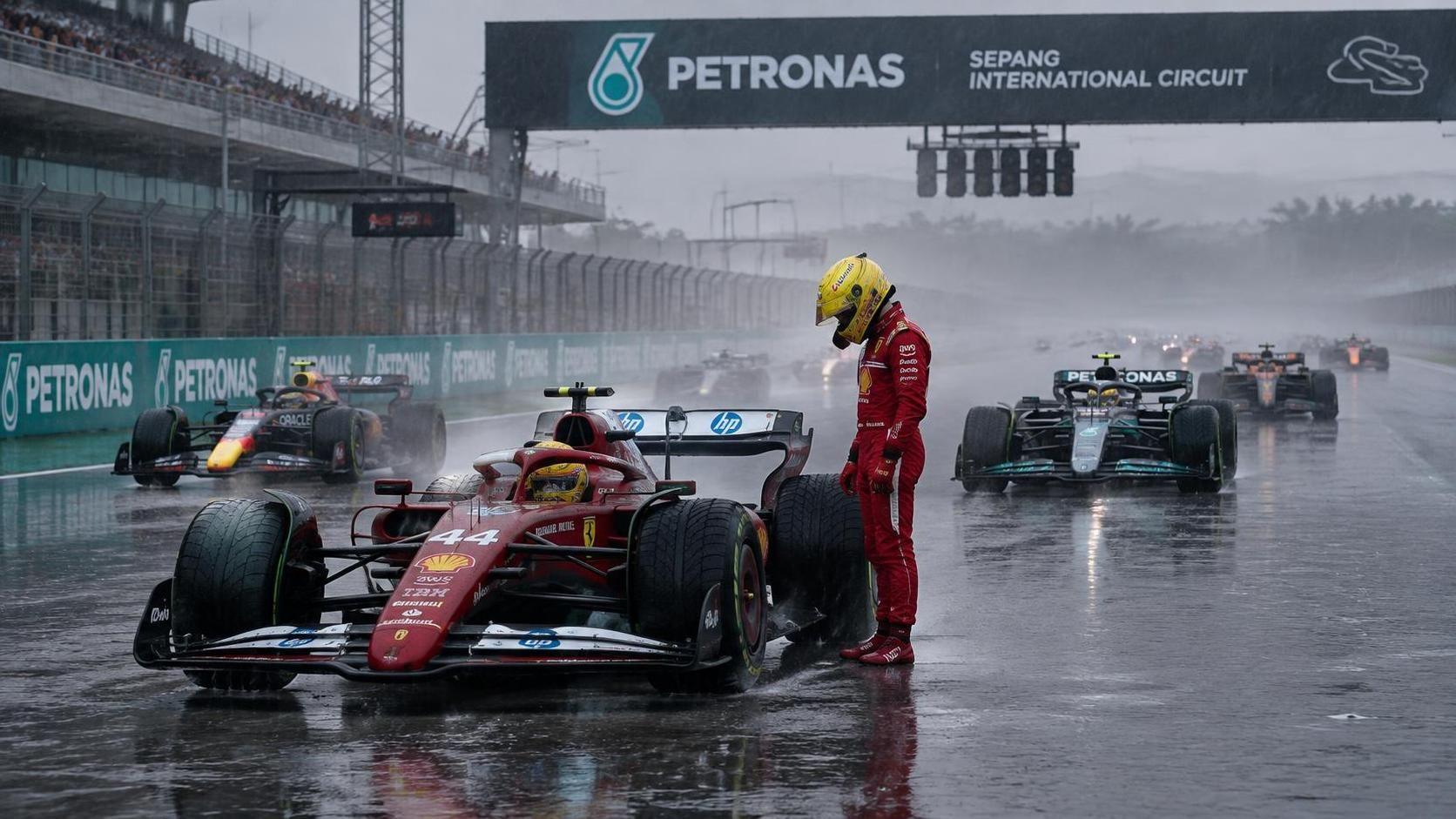
F1 formation-lap failure leaves drivers without power
The trouble surfaced behind the safety car, which had gone out to assess the flooded track and help officials judge whether a standing start remained safe. Max Verstappen, on pole, led the slow-moving group; Lewis Hamilton later stopped on the start-finish straight as his car needed what amounted to a reboot before it would move again.
Hamilton later compared the scene to F1’s novelty Lego-car lap in Miami. The joke landed because the sight of race cars crawling, bunching up and stopping looked absurd against the precision expected of the championship. Kimi Antonelli recalled cars running five abreast as drivers tried to understand what was happening, while Pierre Gasly described the lap as the most chaotic of his career.
FIA software fix exposes F1 technical complexity
The FIA said an unprecedented mix of low engine speed, limited grip, wet-weather management settings and Sepang’s sector layout triggered unintended power loss in several cars. Its technical department issued revised software during the delay, then announced a full review. The fault was not simply a driver error: it showed how one unusual problem can emerge when several systems interact outside their expected conditions.
George Russell pointed to the risk built into increasingly complex power units, while Max Verstappen said the incident should prompt a lesson for the sport. The throttle system is central to a driver’s control of the car, as this guide to F1 pedals and driver inputs explains. Complexity can deliver fine control, but it also creates more potential failure points.
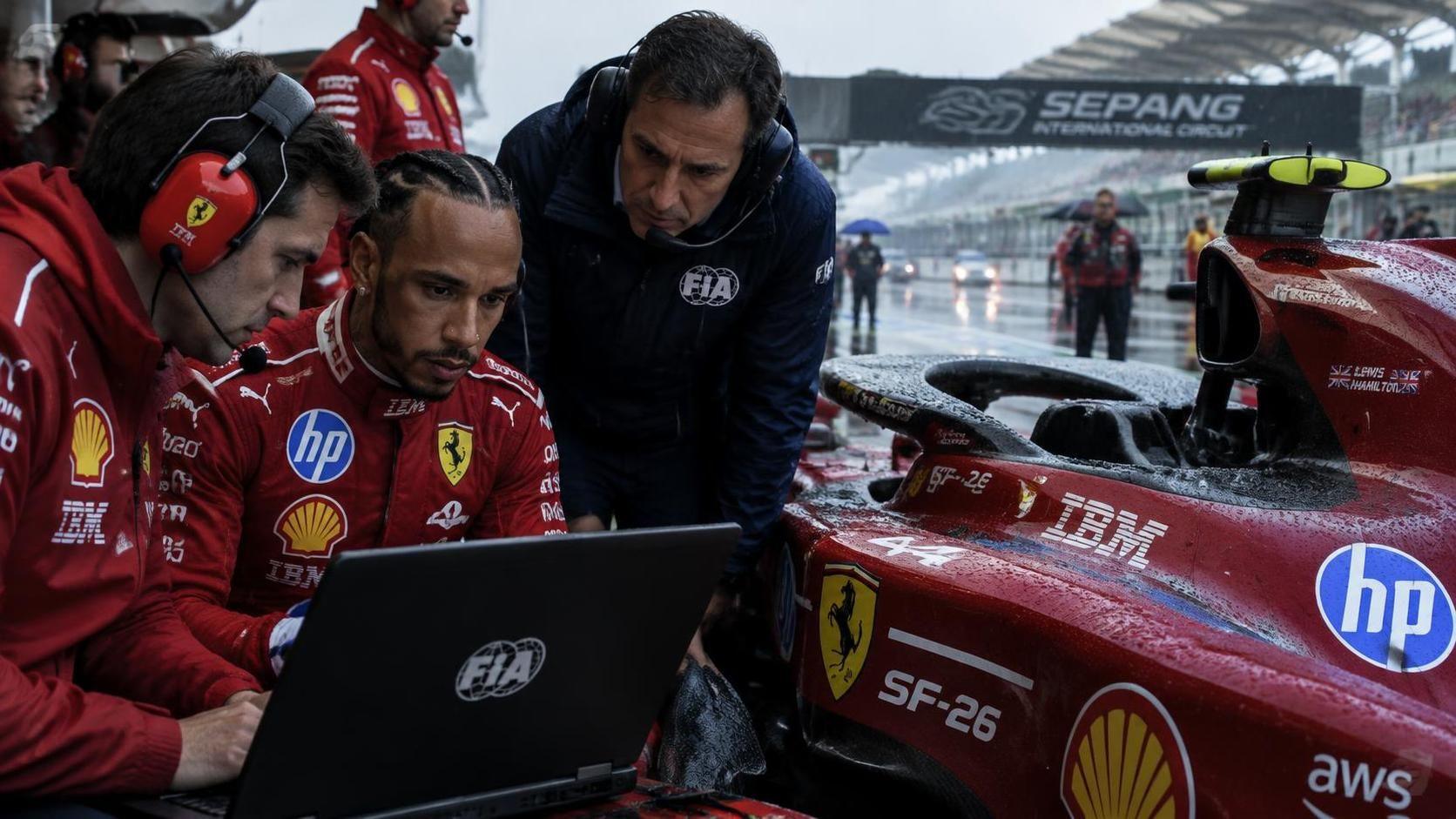
Major delay raises questions over F1 race procedures
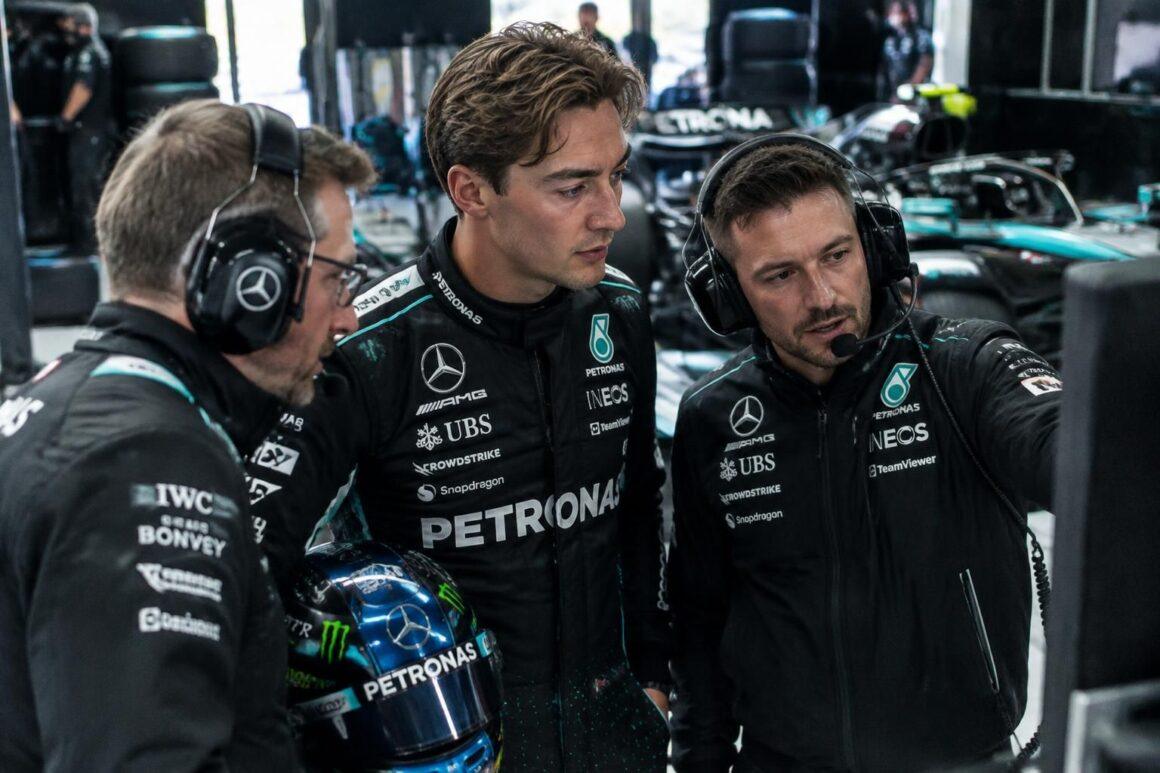
Drivers had little information while the cars crawled around the circuit. Liam Lawson said his radio had failed before the lap began, leaving him unable to ask the team whether he could pass other cars or what procedure to follow. Arvid Lindblad and Ollie Bearman also described throttle problems, with Bearman surprised that the pedal seemed to behave as if someone else controlled it.
Charles Leclerc argued that the problems reflected decisions made well before the weekend and would not have an instant fix. Sergio Perez called the disruption unacceptable, while Lando Norris criticised the electronic systems involved. Their reactions underline the pressure to make wet-weather procedures clear and robust before the next race schedule is tested by similar conditions.
The setback did not erase the prospect of an entertaining wet race, but it delayed the action and unsettled drivers before the start. F1 now faces a practical question: can teams and officials make the cars’ systems more resilient without adding further complication? The wider mechanics behind those systems are explored in this look at how an F1 gearbox works—a reminder that modern motorsport depends on a chain of tightly coordinated technology.